Our verdict
Il Cenacolo on Via Ozieri sits within Sassari's old-town dining quarter, where the traditions of Sardinian interior cooking meet the island's coastline larder. The address places it among a small cluster of trattorias that anchor the city's mid-to-upper dining tier, distinct from the tourist-facing restaurants closer to the cathedral. For visitors building a serious Sassari table, it represents a grounded starting point.

Pearl is the En Primeur Club membership app, where members save venues, book tables and use the concierge.
The menu
What to order
- Tuna tartare
- Tagliolini with squid
Where Sardinia's Interior Meets the Table
Sassari does not announce itself the way Cagliari does. The island's second city operates on a quieter register, its medieval centro storico layered with Aragonese and Piedmontese architectural traces that most visitors rush past on their way to the coast. The dining culture here reflects that same understated character: trattorias and osterie that have sustained local clientele for decades, drawing on the ingredients of both the Logudoro hinterland and the northern Sardinian coastline without performing either. Via Ozieri, where Il Cenacolo sits, belongs to this world rather than to the tourist circuit concentrated around Piazza d'Italia.
Sardinia's kitchen has a geography. The interior produces bottarga from Cabras, aged pecorino from the Barbagia highlands, wild boar and lamb from the Nuoro plateau, and cured pork in forms that vary by village. The northern coastline, closer to Sassari than any other city, pulls in sea urchin, clams, gilt-head bream, and the grey mullet whose cured roe becomes the island's most exported ingredient. Restaurants in Sassari that cook seriously tend to draw from both registers, which is what gives the city's better tables a character distinct from purely coastal or purely pastoral Sardinian cooking. That dual sourcing tradition is worth understanding before you sit down anywhere in the old city.
The Sourcing Logic Behind Sassari's Better Tables
Across northern Sardinia, the restaurants that hold their reputation over time are generally those with consistent supplier relationships rather than those chasing seasonal novelty for its own sake. The island's small-scale producers, many of them operating without formal certification but with generations of practice, supply a rotating cast of ingredients that follow their own calendar: spring lamb after Easter, fresh pecorino through early summer, sea urchin in the cooler months when the roe is at its densest, and dried bottarga year-round but at its finest in autumn when the summer catch has had time to cure properly.
Il Cenacolo's position on Via Ozieri places it in the part of Sassari that feeds from this network most directly. The street sits inland, which in this context means it draws its identity from the city's own market relationships rather than from the transient demand of beachgoers or cruise arrivals. That distinction shapes what kitchens in this zone tend to cook: portions calibrated for a longer meal, wine lists that lean toward Cannonau and Vermentino di Sardegna rather than aperitivo bottles, and a bread culture that still treats loaves as part of the meal rather than an afterthought. Sardinian pane carasau, the thin, twice-baked flatbread, and its olive-oil-soaked variant pane guttiau remain presences on tables throughout the city's traditional osterie.
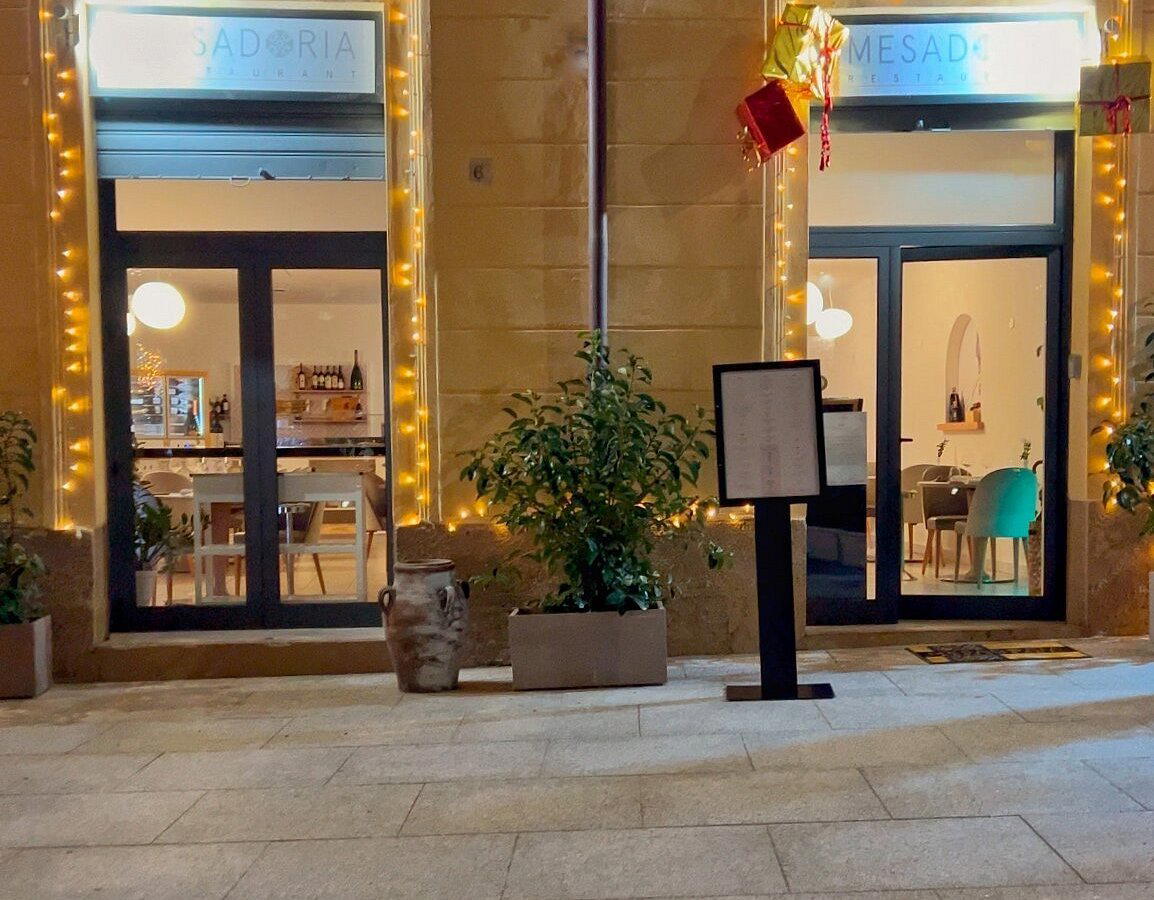
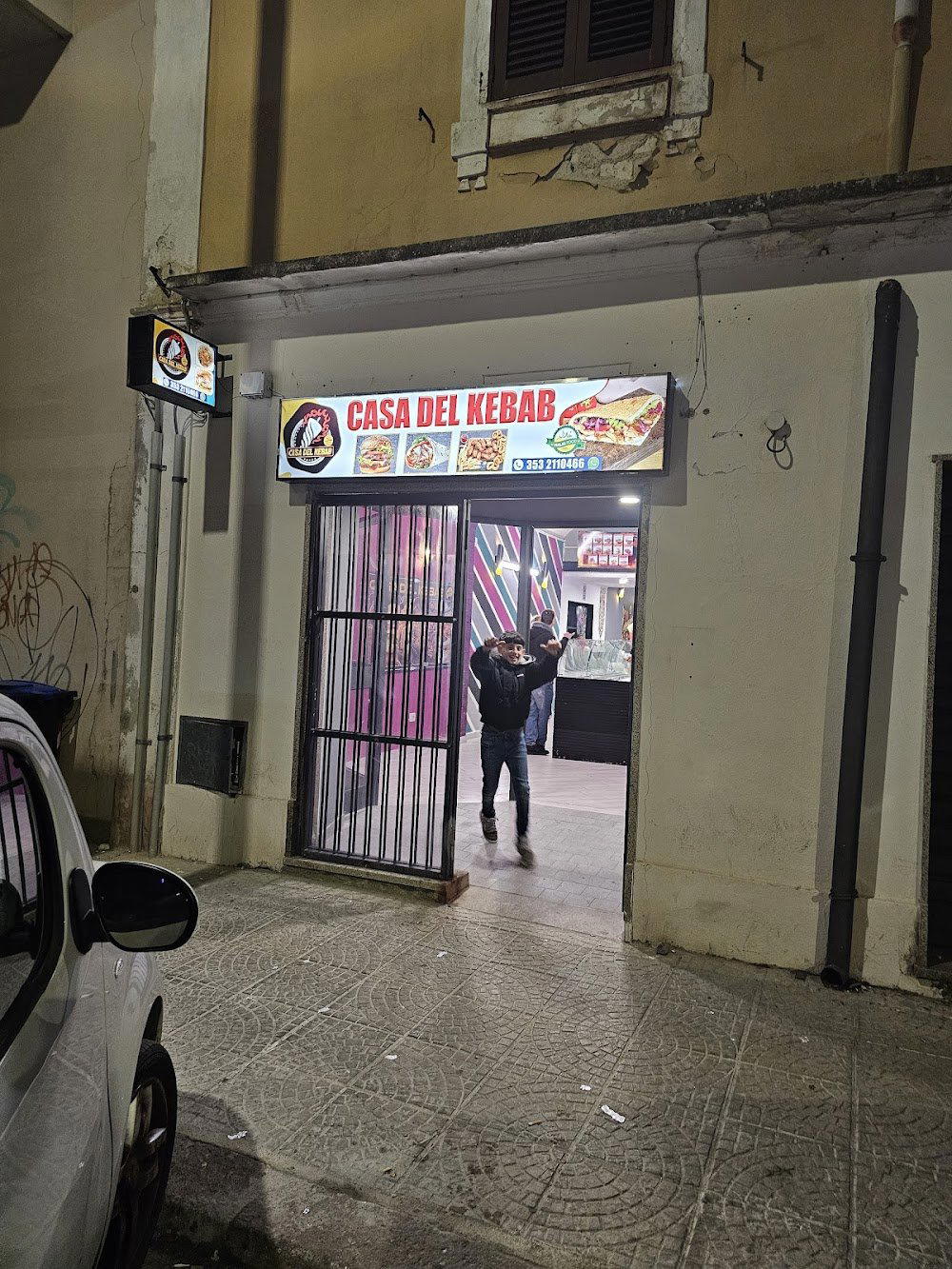
For comparison, restaurants further toward Sassari's newer commercial districts, or those concentrated near the cathedral square, tend to operate with broader menus pitched at a wider range of visitors. The old-city addresses along streets like Via Ozieri occupy a quieter, more consistent tier. Nearby options in this zone include Osteria Piega, Mesadoria Restaurant, and Osteria de' Mercati, which operates at the €€ tier with a Mediterranean-leaning menu. Re I Mi and Casa Del Kebab round out the options for a more casual meal in the same quarter. Our full Sassari restaurants guide maps the city's dining options across price tiers and neighbourhood zones.
Sassari in the Context of Italian Regional Cooking
It is worth placing Sassari's dining culture within a broader Italian frame. The country's most decorated kitchens, places like Osteria Francescana in Modena, Enoteca Pinchiorri in Florence, Le Calandre in Rubano, and Piazza Duomo in Alba, operate on a global recognition tier that Sardinian restaurants, with the partial exception of a handful in Cagliari and along the Costa Smeralda, have not historically occupied. That gap is not about ingredient quality. Sardinia's larder is as distinctive as any region's in Italy: the bottarga from Cabras alone places the island in a different conversation from mainland Italian pantries.
The gap is structural. Sardinia's tourist economy concentrates prestige dining at coastal resort addresses rather than in the island's cities, which means kitchens in Sassari's historic centre operate for a mixed local and regional audience rather than for the international clientele that drives Michelin recognition. The result is a dining culture that is less photographed, less awarded, and less legible to outsiders than it deserves to be. For the traveller who has moved through the more documented Italian dining rooms, whether Dal Pescatore in Runate, Uliassi in Senigallia, Reale in Castel di Sangro, or Quattro Passi in Marina del Cantone, Sassari's old-town kitchens offer a different register entirely: less constructed, more dependent on the sourcing relationships the kitchen maintains season to season. Internationally minded travellers who have dined at Le Bernardin in New York City, Atomix, or Enrico Bartolini in Milan will find that Sassari's leading tables operate from an entirely different premise: less architecture on the plate, more fidelity to what the island actually produces. Atelier Moessmer Norbert Niederkofler in Brunico offers a useful counterpoint: a high-decoration Italian kitchen that treats Alpine sourcing with the same seriousness that Sardinia's leading traditional addresses apply to island ingredients, though at a very different price and formality tier.
Planning a Meal at Il Cenacolo
The address at Via Ozieri, 2 places Il Cenacolo within walking distance of Sassari's main pedestrian zone and the historic Fontana di Rosello, making it a logical anchor for an afternoon or evening itinerary built around the old city. Walk-in capacity varies considerably across Sassari's mid-tier restaurants depending on the day and season, and no publicly verified data exists for Il Cenacolo's seat count or reservation policy.
A meal structured around Sardinian sourcing logic works well when ordered to allow the kitchen's supplier relationships to show: start with whatever cured or preserved ingredient is offered as an antipasto, move through a pasta course that will likely lean on local flour traditions and either a meat or seafood ragù depending on the day's supply, and finish with a cheese course that showcases aged pecorino at whatever stage the season demands. Vermentino di Sardegna is the default white pairing across almost all northern Sardinian kitchens; Cannonau di Sardegna at the red end covers the lamb and pork dishes that define the Logudoro interior tradition.
Frequently asked questions
What's the address for Il Cenacolo?
Il Cenacolo is located at Via Ozieri, 2, 07100 Sassari SS, Italy, Sassari.
How does dining at Il Cenacolo compare to other restaurants in Sassari's historic centre?
Il Cenacolo's address at Via Ozieri, 2 puts it at the edge of Sassari's medieval core, a neighbourhood where the city's older, more locally oriented restaurants tend to cluster. Sassari lacks the concentration of Michelin-decorated addresses found in Cagliari, which means restaurants here compete on consistency and regional authenticity rather than external accreditation.
What dish is Il Cenacolo famous for?
Given its location in Sassari, the cooking almost certainly draws on northern Sardinia's larder: pecorino, bottarga, fregola, and slow-braised meats are the reference points for the city's better tables. Confirming the current menu directly with the restaurant is advisable before visiting.
Can I walk in to Il Cenacolo?
The address at Via Ozieri, 2 places it within easy reach of Sassari's pedestrian centre, making a spontaneous visit logistically simple. That said, contacting the restaurant ahead of your visit is the safer approach, particularly at weekends when Sassari's dining rooms tend to fill.
What is Il Cenacolo known for?
Il Cenacolo is a restaurant in Sassari, the historic second city of Sardinia, positioned in the island's north. Sassari's dining culture is grounded in the produce and traditions of the interior rather than the coastal seafood circuits more associated with the south. Restaurants in this part of the island tend to hold their reputation through supplier consistency and regional fidelity rather than high-profile awards.
Is Il Cenacolo good for vegetarians?
Northern Sardinian cooking does include vegetable-forward preparations rooted in agrarian tradition, including legume dishes and cheeses, but the balance of any given menu varies considerably by kitchen. Checking directly with the restaurant before booking is the practical step. Check the venue's official channels for the latest details.
Is Il Cenacolo worth the price?
In the broader Sassari dining context, the city sits well below the price tier of Cagliari's more prominent rooms, which generally makes northern Sardinia a reasonable proposition for the quality of produce on the table. No awards or star ratings are currently listed for the venue.
How It Stacks Up
Comparable venues nearby, for context on price, style, and recognition.
| Venue | Cuisine | Price | Awards | Notes |
|---|---|---|---|---|
| Il CenacoloThis venue (the venue you are viewing) | Modern Italian Seafood Fine Dining | $30–50 | Not listed | Not listed |
| Ristorante Il Giamaranto | Modern Sardinian Seafood | $50–100 | Not listed | historic heart |
| Mesadoria Restaurant | Modern Sardinian Seafood | $50–100 | Michelin Plate | Historic center of Sassari |
| Osteria Piega | Traditional Italian Osteria | Not listed | Not listed | Sassari |
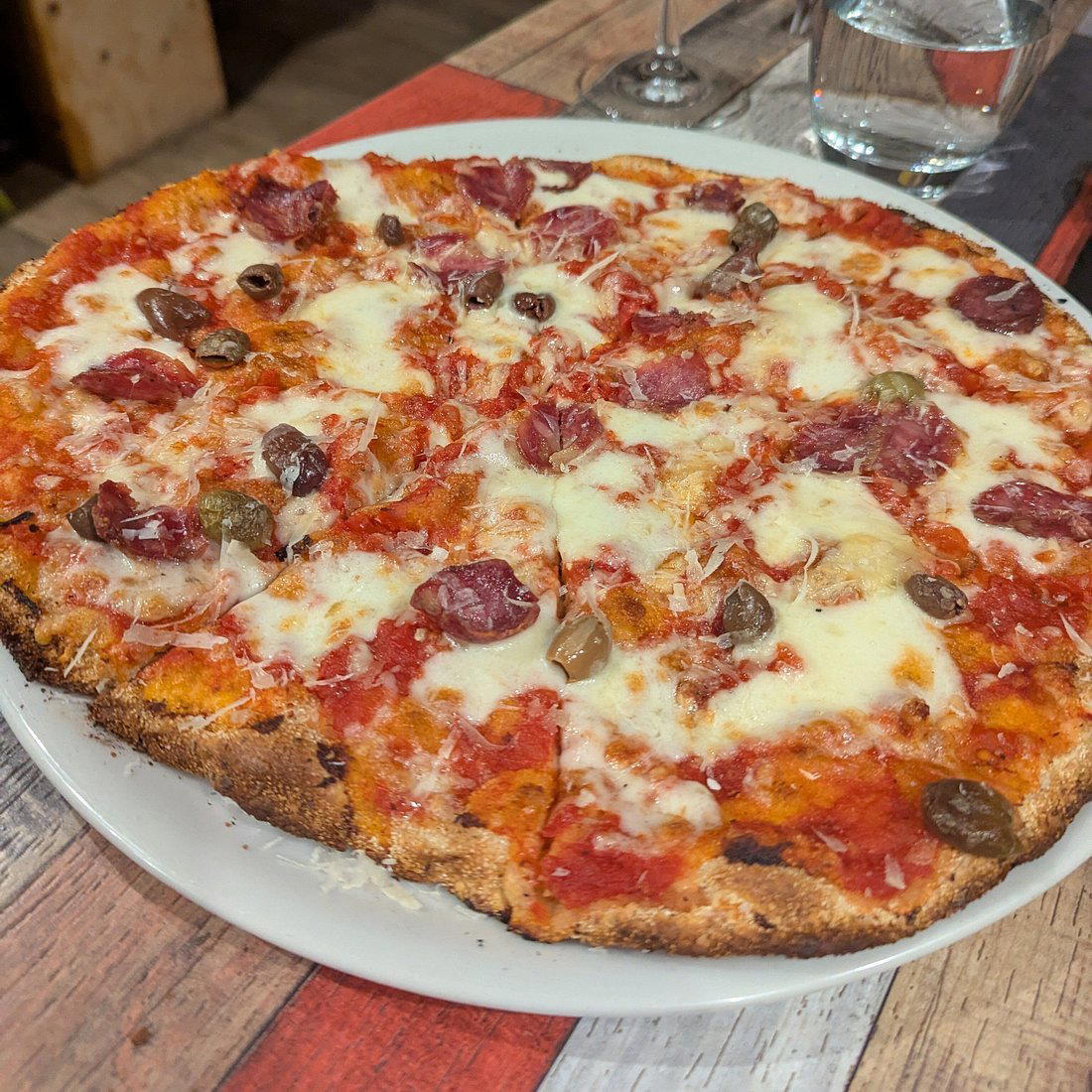
| Re I Mi | Modern Italian Pizza | $20–30 | 50 Top Pizza Italia #38 | Liscia di Vacca |
| Casa Del Kebab | Turkish Kebab | Not listed | Not listed | Li Punti |
Continue exploring
More in Sassari
Restaurants in Sassari
All restaurants in Sassari →
Hotels in Sassari
Browse all →

Details
- Elegant
- Sophisticated
- Intimate
- Date Night
- Special Occasion
- Historic Building
- Extensive Wine List
- Local Sourcing
- A La Carte
- Vegetarian Friendly
- Gluten Free Options
Current opening hours
- Monday
- 12:45–2:30 PM, 7:45–10:45 PM
- Tuesday
- 12:45–2:30 PM, 7:45–10:45 PM
- Wednesday
- 12:45–2:30 PM, 7:45–10:45 PM
- Thursday
- 12:45–2:30 PM, 7:45–10:45 PM
- Friday
- 12:45–2:30 PM, 7:45–10:45 PM
- Saturday
- 12:45–2:30 PM, 7:45–10:45 PM
- Sunday
- Closed
Hours can change for holidays and private events. Hours as of .
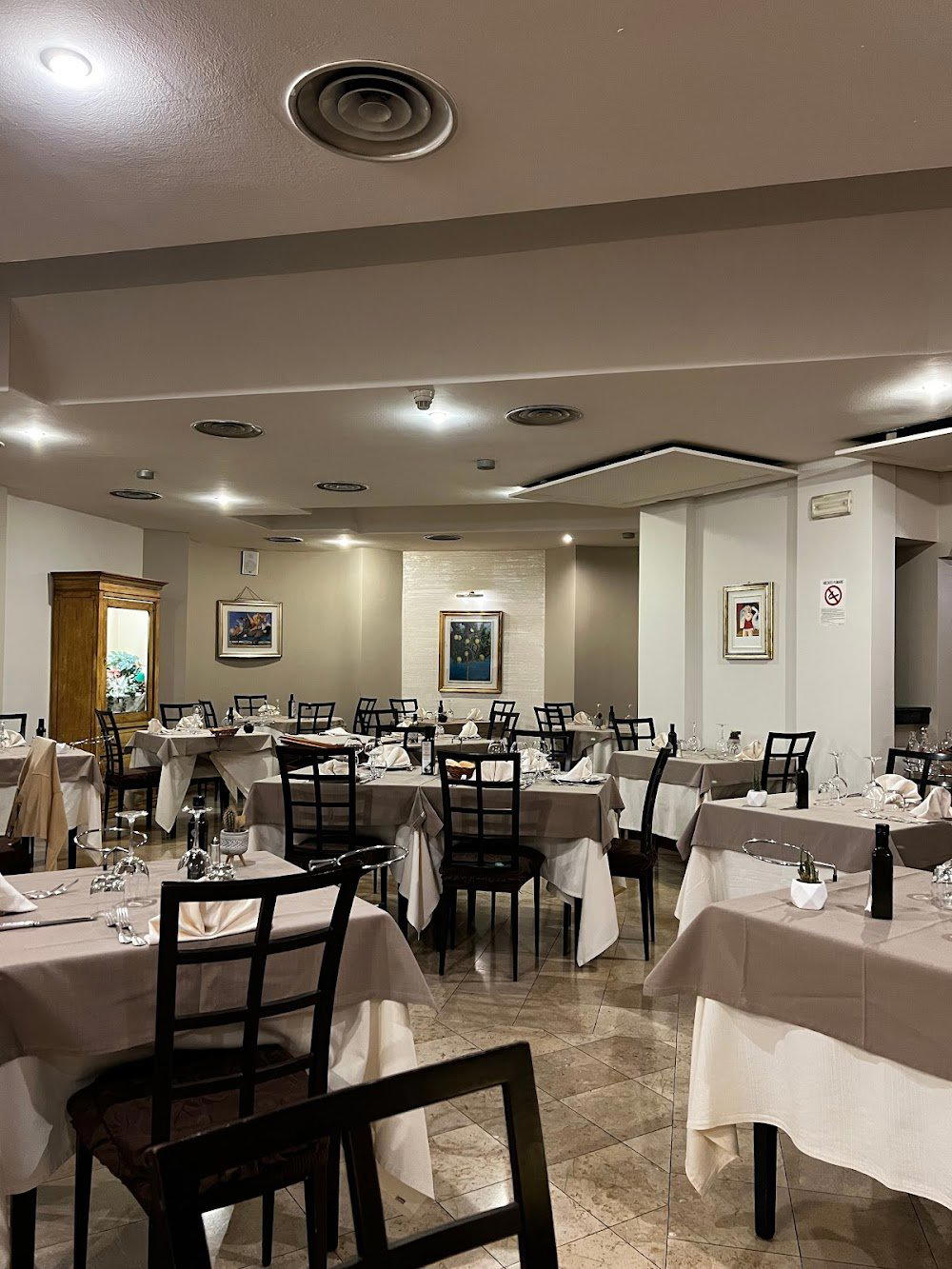
Elegant atmosphere with a fireplace in the main room, refined presentation, and sophisticated lighting.