
Relais Chateaux Award
Our verdict
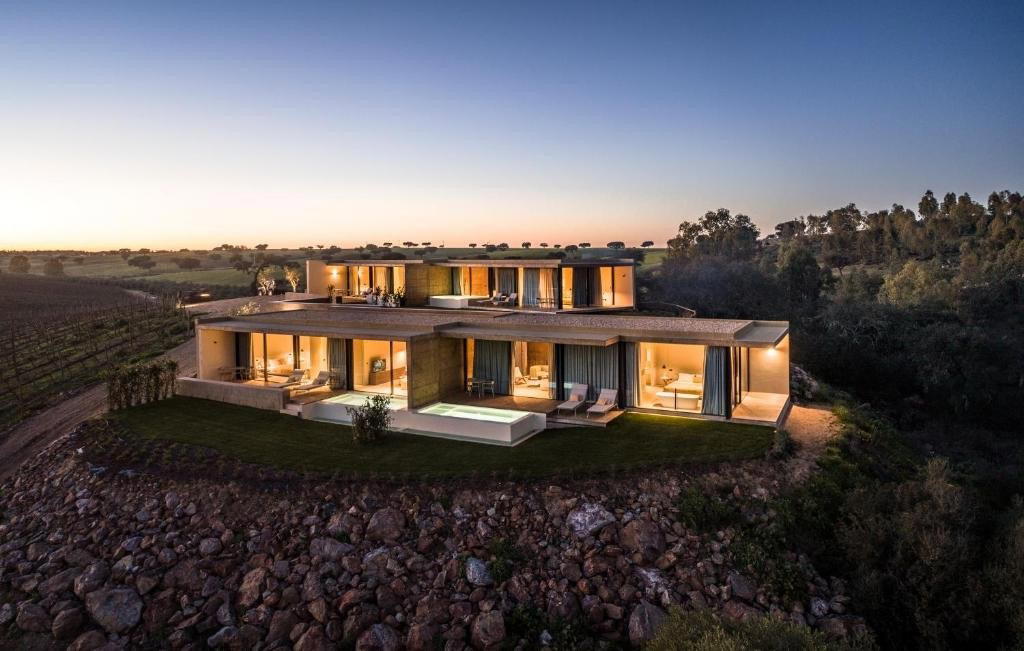
Creative cooking in rural Beja is less about urban theatre than estate logic: vineyards, vegetable gardens, olive trees and beehives shaping the table. Restaurant at Herdade da Malhadinha Nova gives Chef Joachim Koerper a distinctly Alentejo frame, where oils, honeys and seasonal vegetables carry as much weight as technique.

Pearl is the En Primeur Club membership app — saves, bookings, and concierge access live there. Same editors, same standards.
- Address
- Herdade da Malhadinha Nova, Albernoa
- Phone
- +351 284 965 432
- Website
- widget.thefork.com
- Directions
- Get directions
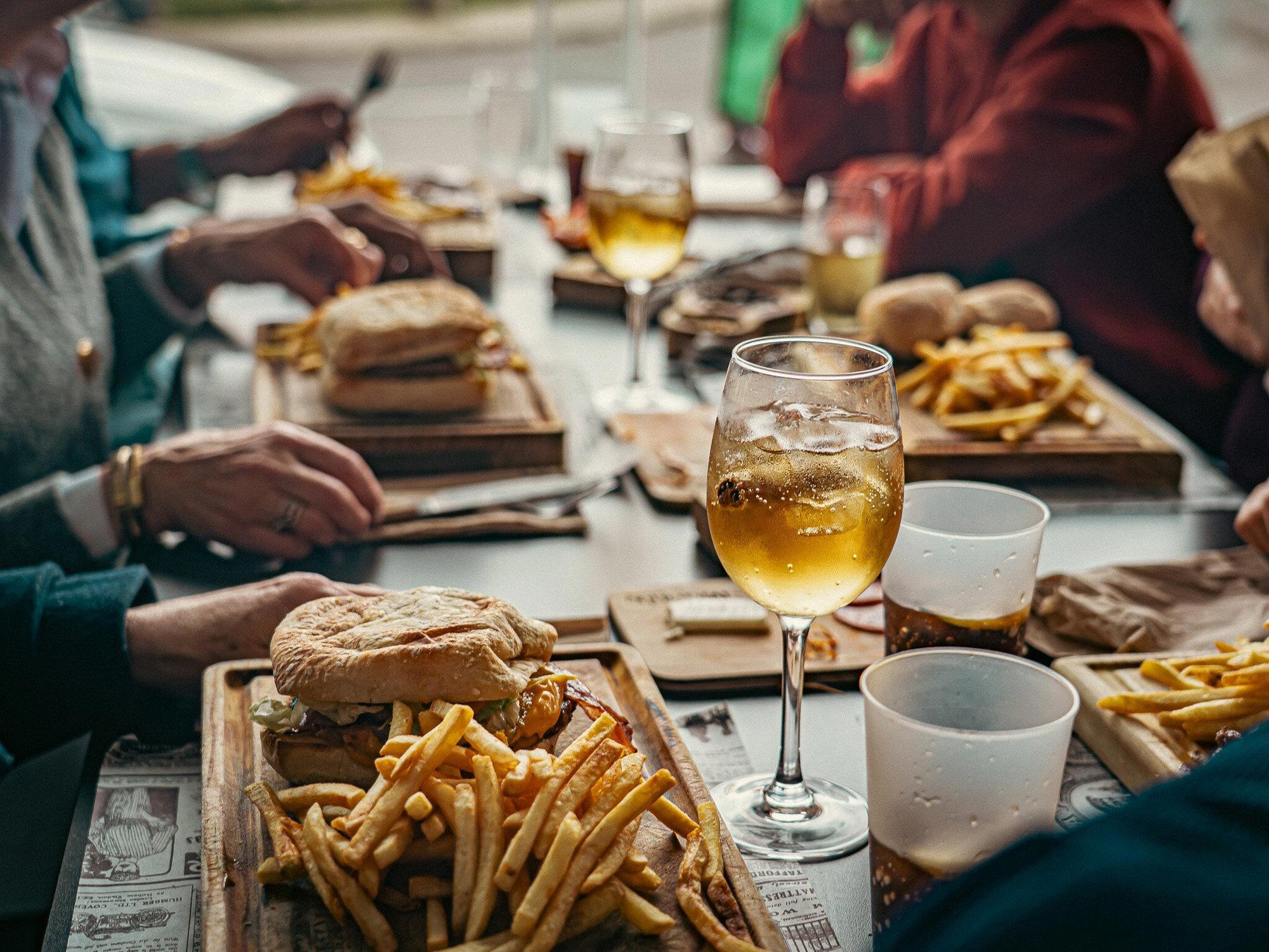
The approach to dinner in Beja resets the terms before a menu appears. The surrounding context is best read through the city and its slower sense of place, rather than through the faster signals of a metropolitan dining room. At Restaurant, that context matters: the meal is best understood through Beja’s quieter rhythm, with the setting shaping the way the table feels before the cooking begins.
That distinction is useful in Beja, where a restaurant can be approached as part of a broader place rather than as a stand-alone performance. Contemporary rural dining can sometimes lean too heavily on atmosphere. Here, the more persuasive idea is restraint: the cooking is presented as creative rather than theatrical, with the place allowed to shape the mood of the table. The result places Beja inside Portugal’s wider shift toward destination dining, but without pretending that the countryside needs a city’s tempo to justify the trip.
Beja gives the cooking its argument
Creative cooking in Portugal often divides between urban tasting-menu ambition and quieter kitchens anchored by place. Restaurant belongs closer to the second camp. Its strongest editorial signal is the way the Beja setting shapes the experience: the room reads through distance, season and local pace rather than through metropolitan spectacle. That does not mean the food is simple. It means the technique has to remain disciplined enough for the cooking to feel connected to where it is served.
Chef Joachim Koerper’s role is important, but it is more useful as a credential than as a biography. The restaurant is associated with Creative cooking, which points to a kitchen working with finesse rather than relying on a fixed rustic script. In a country where contemporary dining can move between many regional references, this table narrows the lens to Beja: a sense of season, rural pacing and the quiet confidence of a destination meal in the city.
That gives the meal a different pace from Portugal’s busier restaurant circuits. No single ingredient category needs to define the argument here; the setting does. Seasonal thinking carries more interpretive weight than it would in a conventional luxury meal, while the Beja context acts as a direct marker of place. The cooking’s honesty matters because regional dining is easily over-romanticised. A polished restaurant can slide into lifestyle imagery, but the more serious reading is local: what Beja represents as landscape, rhythm and appetite determines the restaurant’s authority.
Beja's rural dining scene rewards slower, place-specific cooking
Beja sits outside the country’s headline restaurant circuits, and that distance changes the decision for travellers. A meal here is not an add-on between museum visits or a late booking after cocktails. It belongs to the rhythm of Beja, where driving, daylight and the setting shape the evening as much as the kitchen. For readers planning around the region rather than a single table, Our full Beja restaurants guide, Our full Beja hotels guide, Our full Beja bars guide, Our full Beja wineries guide and Our full Beja experiences guide help place the restaurant within a broader itinerary.
The comparison that matters is not with another named Beja address, but with the wider Portuguese habit of using place as a serious culinary structure. In major cities, contemporary dining often reads through urban authorship and tasting-menu momentum. In wine regions, the conversation may speak through landscape and cellar culture. In coastal areas, it can be shaped by sea air and a different sense of produce. Beja’s version is quieter and more agrarian in mood.
That wider map helps explain why this restaurant is better approached as a regional expression than as a trophy reservation. The Beja format gives it a built-in clarity: cooking and setting come from the same argument. Other dining in Beja can also show how varied locality becomes once the capital is no longer the default reference point. International rural cooking underlines the same point: region can be a more meaningful luxury language than spectacle.
Who should plan a meal here
This is a strong fit for travellers who want Beja to taste of place rather than nostalgia. The appeal is not maximalism; it is the confidence to let Creative cooking carry the emotional weight of the meal without overwhelming the setting around it. That makes it especially persuasive for slow itineraries through Beja and guests who read a restaurant through its sense of place as much as through its plating.
The setting also implies a particular kind of evening. This is not the obvious choice for a spontaneous city night or a loud group looking for pace and turnover. It suits a quieter table, an interest in regional context and a willingness to let Beja do some of the work. Within Beja, that is the point: the restaurant does not need metropolitan noise to feel ambitious. It uses the city’s slower grammar, then sharpens it through a chef associated with finesse and Creative cooking.
Frequently asked questions
Would Restaurant be comfortable with kids?
Restaurant is in Beja, with a quieter setting rather than a formal city-room feel. That may suit families who enjoy a proper meal, though the Creative cooking style is still best for diners who can sit comfortably through dinner.
Is Restaurant better for a quiet night or a lively one?
It is a better fit for a quiet night. Restaurant is in Beja, and the experience is better understood as destination dining than as a lively urban restaurant.
What distinctions does Restaurant have?
Restaurant is recognised by Relais & Châteaux, with Chef Joachim Koerper associated with the kitchen and a cuisine style described as Creative cooking.
Is Restaurant focused on a specific cuisine style?
Restaurant serves Creative cooking cuisine.
Where is Restaurant in Beja?
Beja.
Which chef is Restaurant associated with?
The chef associated with Restaurant is Chef Joachim Koerper.
Can I walk in to Restaurant?
A walk-in is unlikely to be the safe plan for Restaurant in Beja, given its destination feel. The dining style is chef-led Creative cooking, so planning ahead is the more sensible approach.
Comparable Venues Nearby
Comparable venues nearby, for context on price, style, and recognition.
| Venue | Cuisine | Price | Awards | Notes |
|---|---|---|---|---|
| RestaurantThis venue — the venue you are viewing | Modern Portuguese & Mediterranean | $20–30 | Relais Chateaux Award | Not listed |
| Restaurant | Traditional Alentejo Portuguese | $10–20 | Relais Chateaux Award | Beja |
| Restaurante a Petisqueira | Modern Mediterranean Petiscos | $20–30 | Star Wine List | Old Town |
| EmbaiXada | Contemporary Portuguese with Gin Focus | $30–50 | Not listed | Bairro Alto |
| Mesa De Frades | Traditional Portuguese Petiscos & Fado | $50–100 | Not listed | Alfama |
| Biclaque X | Modern Portuguese with European Influences | $30–50 | Not listed | Olivais Sul |
Recognition history
Dated appearances from independent guides and award organizations, with the underlying list record or original source where available.
Relais Chateaux Award
Relais Chateaux
Continue exploring
More in Beja
Restaurants in Beja
Browse all →

Details
- Date Night
- Business Dinner
- Group Dining
- Special Occasion
- Hotel Restaurant
- Standalone
- Extensive Wine List
- A La Carte
- Wine
- Vegetarian Friendly