Restaurant 1840
Our verdict
Restaurant 1840 sits on Stirchley Lane in Telford, a town that rarely appears on the national fine dining circuit but has quietly developed a more considered local dining culture. The name references the year the surrounding area was shaped by industrial ambition, and the setting carries that sense of place into the dining room. For Telford, it occupies a distinct tier among local restaurants.

Pearl is the En Primeur Club membership app — saves, bookings, and concierge access live there. Same editors, same standards.
The menu
What to order
- Second Cut tasting menu
- Pork Belly
- Chicken Liver Parfait
Telford's Dining Scene and Where Restaurant 1840 Sits Within It
Telford is not a city that generates regular column inches in the national food press. The new town, assembled in the 1960s and 1970s around older settlements including Ironbridge and Dawley, has never built the kind of restaurant infrastructure that draws critics from London or the food-focused tourist traffic that sustains places like Cartmel or Bray. What it does have is a working local dining culture, one that has grown more considered over the past decade as the town's demographics have shifted and expectations around food have changed even in markets that national commentators largely ignore.
Restaurant 1840, addressed on Stirchley Lane in TF4, sits within that context. The name carries a specific historical reference: 1840 is a year tied to the industrial formation of this part of Shropshire, when the borough's foundries and ironworks were operating at full capacity and the area was a production centre rather than a residential one. That framing gives the restaurant a sense of rootedness in its location that distinguishes it from the generic bistro-or-brasserie format that fills the mid-market in most English towns of this size. It positions the venue as belonging to its place, which in a town with Telford's particular history, is a deliberate and meaningful choice. For context on what else the town offers, see our full Telford restaurants guide.
The Physical Setting and What It Signals
The address on Stirchley Lane places Restaurant 1840 outside Telford's commercial centre, away from the retail-adjacent dining that dominates the town's busier zones. That physical remove matters in the way it does for destination restaurants across Britain: the decision to travel to a specific address, rather than to wander into whatever is nearby, already selects for a more engaged type of diner. Britain's most acclaimed destination restaurants have long understood this dynamic. L'Enclume in Cartmel and Moor Hall in Aughton both operate on the logic that a committed journey changes how a guest receives a meal. Restaurant 1840 operates at a different scale and in a different market, but the off-centre address follows the same structural logic.
In English towns of Telford's size, the physical environment of a restaurant often does more editorial work than the menu. A setting that communicates intention, whether through architectural character, material choices, or spatial arrangement, tells a guest something before the food arrives. What the Stirchley Lane address and the restaurant's name do suggest is a deliberate orientation toward place and period, rather than the anonymous modernity that defines much of the town's built environment.
Ingredient Sourcing in the English Midlands: Why Provenance Matters Here
The broader argument for ingredient sourcing as a restaurant's defining editorial frame has been made most forcefully in the British context by a generation of chefs working in rural or semi-rural markets. Ynyshir Hall in Machynlleth and Gidleigh Park in Chagford both operate in landscapes where the sourcing story writes itself: upland pasture, coastal proximity, estate produce. The English Midlands presents a different case. Shropshire sits within a county that produces beef, lamb, and dairy of genuine quality, and the wider region from Herefordshire through to Staffordshire has the agricultural infrastructure to support a kitchen that prioritises local supply chains.
For a restaurant in Telford, the sourcing question is not whether good ingredients exist within reach. They do. Shropshire beef has a documented regional reputation, and market towns like Shrewsbury and Ludlow, both within easy distance, have long-established producer networks that supply the premium end of the local restaurant trade. The question is whether a kitchen commits to engaging those networks or defaults to the national catering supply chains that make regional provenance generic. That commitment, where it exists, is what separates restaurants like 33 The Homend in Ledbury, a short drive south into Herefordshire, from their more anonymous peers. Ledbury itself demonstrates how a small market town with strong agricultural connections can sustain serious food culture when restaurants treat sourcing as a point of differentiation rather than a marketing addition.
At the level of national comparison, the conversation about sourcing in British fine dining has been shaped by restaurants like CORE by Clare Smyth, where British produce is treated as the primary creative material, and Restaurant Sat Bains in Nottingham, which sits in a comparable post-industrial East Midlands setting and has used Michelin recognition to anchor its sourcing program. These are different leagues in terms of scale and acclaim, but they establish the framework within which regional ingredient-led cooking in England is now assessed. The standard has shifted, and even in markets like Telford, guests who travel for food arrive with informed expectations.
The West Midlands Dining Context
Telford's closest major urban reference is Birmingham, roughly 30 kilometres to the south-east, where the restaurant scene has developed substantially. Opheem in Birmingham holds Michelin recognition and operates as one of the region's most discussed kitchens, raising the overall regional baseline and demonstrating that serious dining investment in the West Midlands can attract national critical attention. Telford does not compete in that bracket, but Birmingham's growing reputation creates a wider regional context that makes the appetite for quality dining in surrounding towns more legible.
For comparison across Britain's broader fine dining circuit, the contrast between large-city flagships and smaller market-town destinations is a persistent structural feature. Midsummer House in Cambridge, Hand and Flowers in Marlow, and hide and fox in Saltwood all demonstrate that serious restaurants can operate outside London and outside the major tourist circuits. The common thread is a specific offer, communicated clearly, that gives guests a reason to travel or to choose one address over the alternatives available to them.
Planning a Visit
Restaurant 1840 is located at Stirchley Lane, Telford TF4 3SZ. Given the venue's position outside the town centre, arriving by car is the practical default for most guests. Telford Central station connects to Birmingham New Street in under an hour, making a train-and-taxi approach viable for visitors arriving from the wider West Midlands corridor.
Frequently asked questions
Does Restaurant 1840 work for a family meal?
The Stirchley Lane address puts Restaurant 1840 outside Telford's commercial centre, which typically means a quieter, less crowded setting than town-centre venues.
What kind of setting is Restaurant 1840?
Restaurant 1840 sits on Stirchley Lane, Telford TF4 3SZ, away from the retail and leisure complex that shapes most dining in the town. That position outside the commercial core suggests a more self-contained, destination-oriented setting rather than a walk-in or high-street format. Arriving by car is the practical default given the address.
Is Restaurant 1840 in Telford worth travelling to from Birmingham?
Telford sits roughly 30 kilometres north-west of Birmingham, making it a feasible day or evening trip from the city. Restaurant 1840's position on Stirchley Lane, outside Telford's centre, means it operates as a destination in its own right rather than a convenient stopover.
What's the must-try dish at Restaurant 1840?
For current dishes and any seasonal changes, reaching out to the restaurant directly before visiting is the most reliable approach, particularly given its location on Stirchley Lane away from the main Telford dining strip.
Where is Restaurant 1840 located?
Restaurant 1840 is located at Stirchley Ln, Telford TF4 3SZ, United Kingdom, Telford.
Comparable Venues
Comparable venues nearby, for context on price, style, and recognition.
| Venue | Cuisine | Price | Awards | Notes |
|---|---|---|---|---|
| Restaurant 1840This venue — the venue you are viewing | British Fine Dining | $30–50 | Not listed | Not listed |
| The Pearl | British Dining Room with French Bistro Influences | $50–100 | The Good Food Guide GFG Very Good | Prestwich Village |
| The Barn at Moor Hall | Seasonal Modern British in a Michelin-starred barn conversion | Not listed | Not listed | Aughton |
| Swallow Barn Frome | Modern British Seasonal | Not listed | Not listed | Buckland Dinham |
| The Old Crown Coaching Inn | Modern British Gastropub | $50–100 | The Good Food Guide GFG Good | town centre |
Continue exploring
More in Telford
Restaurants in Telford
All restaurants in Telford →
Bars in Telford
Browse all →

Hotels in Telford
Browse all →
Restaurant 1840
The wine
- Wine program
- Curated wine list
- Extensive wine list
- Craft cocktails
Details
- Elegant
- Historic
- Intimate
- Sophisticated
- Special Occasion
- Date Night
- Celebration
- Historic Building
- Private Dining
- Extensive Wine List
- Craft Cocktails
- Farm To Table
- Local Sourcing
- A La Carte
- Tasting Menu
- Vegetarian Friendly
- Vegan Options
Current opening hours
- Monday
- Closed
- Tuesday
- Closed
- Wednesday
- Closed
- Thursday
- Closed
- Friday
- 5:30–10:30 PM
- Saturday
- 5:30–10:30 PM
- Sunday
- Closed
Hours can change for holidays and private events. Last verified .
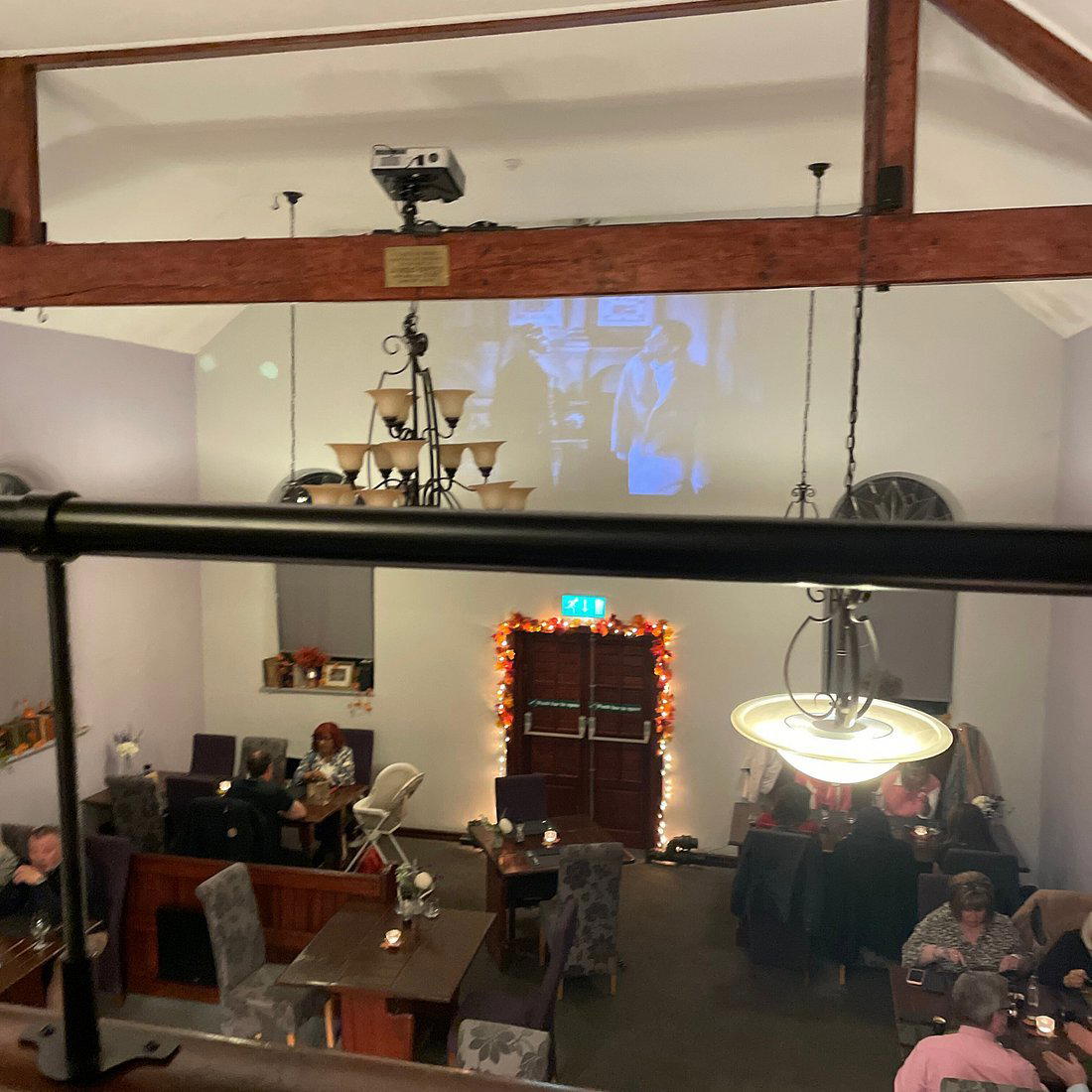
Elegant and ornate interior with charming, posh atmosphere featuring restored stained glass and historical elements, moderate noise level.