The Walrus


A Michelin Plate-recognised Modern British restaurant on Lower Claremont Bank, The Walrus pairs an upstairs bar with an open kitchen where chef-owners Ben and Carla deliver cooking that draws directly from Shropshire's larder. Measured creativity, generous pricing, and a warm room make it among the more convincing arguments for serious cooking outside the metropolitan circuit.
Pearl is the En Primeur Club membership app — saves, bookings, and concierge access live there. Same editors, same standards.
- Address
- 2 Lower Claremont Bank, Shrewsbury SY1 1RT, United Kingdom
- Phone
- +44 1743 240005
- Website
- the-walrus.co.uk
- Directions
- Get directions
 Saves & bookings on Pearl
A Local Restaurant That Earns Its Michelin Plate
Lower Claremont Bank is a quiet stretch of Shrewsbury that most visitors walk past on their way to the medieval market square. The Walrus occupies a two-floored building there, and the format announces itself before you sit down: drinks upstairs in the bar, then downstairs to the dining room where the open kitchen puts the kitchen team in full view. It is a deliberate, considered structure, and it sets the tone for everything that follows.
The British pub and dining-room tradition has always tolerated a certain blurring of registers, but the more interesting shift over the past decade has been chefs choosing smaller county towns over city restaurant rows, bringing technical ambition to audiences who did not previously have access to it. The Walrus fits that pattern precisely. It holds a Michelin Plate for 2024 and 2025, placing it in a national recognition tier that includes serious kitchens across the country, from hide and fox in Saltwood to Midsummer House in Cambridge. In Shrewsbury, that credential carries weight precisely because the alternatives are thin.
The Gastropub Trajectory, and Where The Walrus Sits in It
The gastro-pub moment of the early 2000s proved something that the British dining industry was slow to accept: that technically serious cooking could survive, and in some cases thrive, when removed from the formality of a white-tablecloth city operation. Hand and Flowers in Marlow is one cited benchmark for that argument. What followed, in towns and market counties across England and Wales, was a more gradual dispersal of trained kitchen talent away from London and the major dining cities.
Walrus belongs to that later wave, but it is not operating the gastropub format in any conventional sense. There is no cask ale list, no pie of the day, no blackboard of comfort food. The cooking uses Shropshire's larder as its source material and applies a modern British register that is closer in spirit to the ambitious regional dining found at L'Enclume in Cartmel or Moor Hall in Aughton than to anything the traditional pub-dining category would suggest. The key difference is one of scale and aspiration: the restaurant is cooking at Michelin-recognised level for a hometown audience, and the pricing reflects an explicit choice to keep that audience in the room.
What the Kitchen Actually Does
Cooking is described by Michelin as delivering pronounced flavours and contrasting textures, with creativity that is measured rather than unrestrained. That distinction matters. A great deal of modern British cooking at this tier tips into technique-for-its-own-sake territory, where the plate becomes a demonstration rather than a meal. Here, the output is, in Michelin's own framing, focused on deliciousness.
Dishes cited across Michelin's review record give a clear picture of the kitchen's idiom: cured sea bream diced into ponzu sauce with cucumber, tomato, trout roe, seaweed, lime, and sesame, finished with barely blowtorched scallop and ponzu gel. A Shropshire guinea-fowl egg, served inside a crispy crumb with Ibérico ham, grilled white asparagus, pickled girolles, and roasted hazelnuts. Pink-sliced lamb loin with a lamb croquette, green asparagus, pine nut purée, and smoky maitake mushrooms. A dessert reworking carrot cake with aerated white chocolate, whipped cream cheese, and macerated raisins.
These are dishes with a clear structure: a principal ingredient from the local supply chain, technical preparation, and a secondary element that adds contrast without obscuring the main thread. That is a harder discipline than it looks, and it is what separates kitchens that produce consistently enjoyable meals from those that produce occasionally impressive but often bewildering ones. For reference points at the higher end of the Modern British register, CORE by Clare Smyth in London and The Ritz Restaurant operate on four-pound-sign budgets with comparable ingredient sourcing ambitions; the restaurant achieves a version of that discipline at ££ in a county town setting.
The Room, the Service, and the Wine
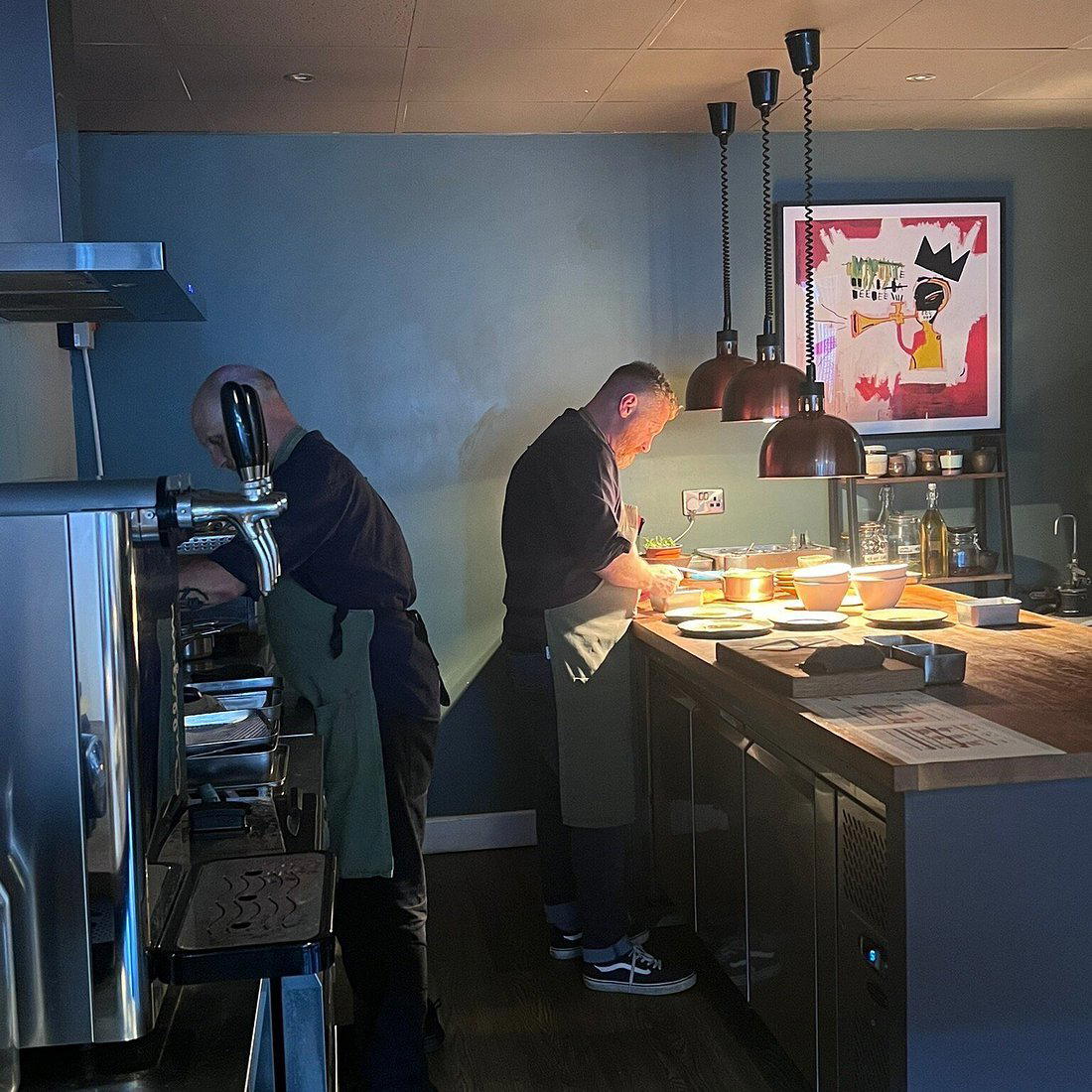
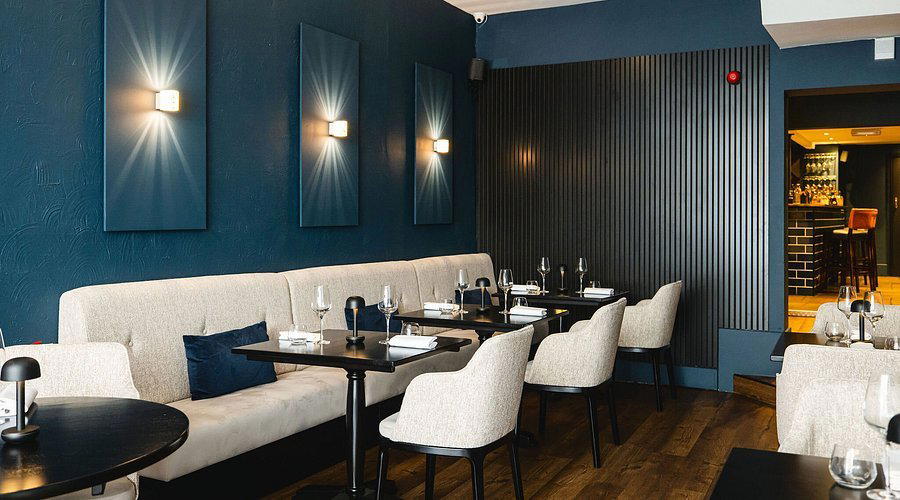
The two-floor arrangement gives the experience a natural pacing. The upstairs bar functions as a decompression space: you arrive, settle, and order a drink before the kitchen sequence begins. Downstairs, the open kitchen provides the kind of transparency that has become a marker of confidence in contemporary British restaurant design. The service, noted across Michelin's review record as warm and welcoming, matches the register of a restaurant that takes its food seriously without taking itself too seriously.
The wine list is described as compact and approachable, which in this context means it is calibrated to the room and the pricing rather than to a sommelier's personal project. For a county-town restaurant at the £££ tier, that is the correct call. A list built to impress rather than to complement the food and the audience would undermine the whole proposition.
Shrewsbury as a Dining Destination
Shrewsbury's food scene does not yet have the critical mass of, say, the Cotswolds corridor or the North West's Michelin-dense belt that includes Moor Hall and L'Enclume. But the town has genuine infrastructure for a food-led visit: Shropshire's agricultural geography makes it a strong sourcing region, and the medieval town centre offers accommodation and bar options that make an overnight stay practical.
Comparable regional Modern British operations with Michelin recognition, for readers mapping the broader national picture, include Gidleigh Park in Chagford, Restaurant Andrew Fairlie in Auchterarder, and Opheem in Birmingham.
Planning Your Visit
The restaurant is at 2 Lower Claremont Bank, Shrewsbury SY1 1RT. The address places it a short walk from the town centre, accessible on foot from most central accommodation. Pricing sits at £££, which for a Michelin Plate restaurant in a non-metropolitan setting represents competitive value against peer operations in larger cities.
Comparison Snapshot
Comparable venues nearby, for context on price, style, and recognition.
| Venue | Cuisine | Price | Awards | Notes |
|---|---|---|---|---|
| The WalrusThis venue — the venue you are viewing | Modern British Fine Dining | $$ | Michelin Plate | Not listed |
| St. Vincent Shrewsbury | Small Plates and Wine Bar | $$ | Not listed | Town Centre |
| Rising Sun Inn | British Gastropub | $$ | Michelin Plate | Altarnun |
| Another Hand | Modern British Veggie-Led Sharing Plates | $$$ | Michelin Plate | Deansgate |
| Charlton Arms | British Gastropub | $$ | Bib Gourmand | Ludford Bridge |
| Paradise Café | Modern British Café | $$ | Michelin Plate | Killinghall |
Recognition history
Dated appearances from independent guides and award organizations, with the underlying list record or original source where available.
Michelin Plate
Michelin
Michelin Plate
Michelin
The Good Food Guide GFG Very Good
The Good Food Guide
Michelin Plate
Michelin
Continue exploring
More in Shrewsbury
Restaurants in Shrewsbury
Browse all →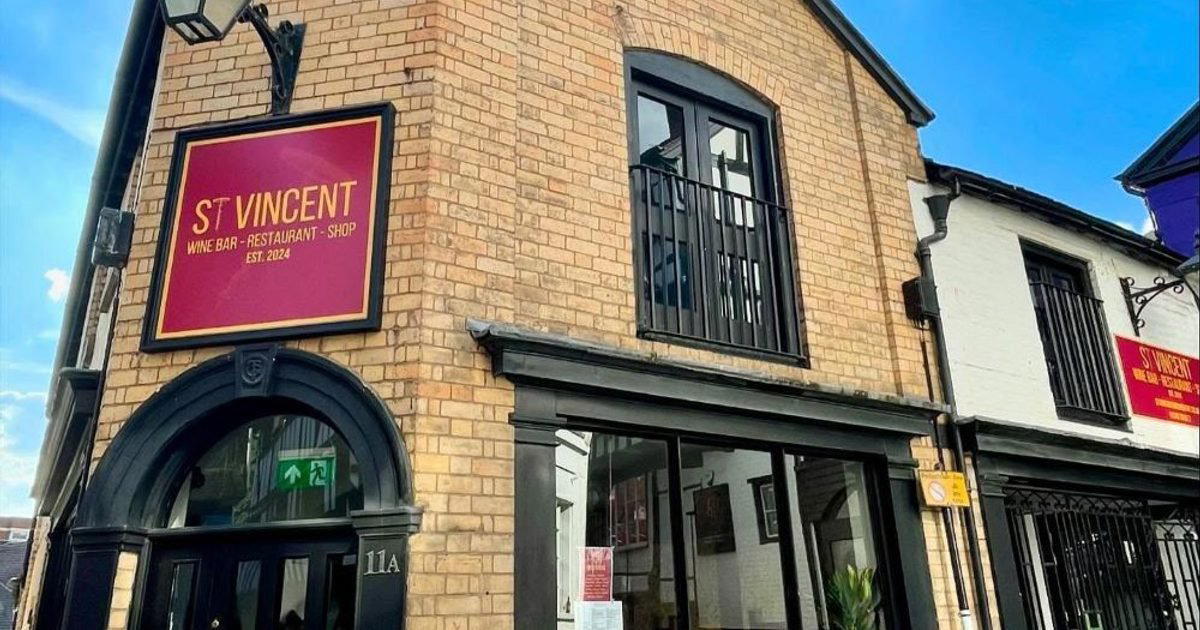
Bars in Shrewsbury
Browse all →
At a Glance
- Relaxed
- Cozy
- Date Night
- Special Occasion
- Open Kitchen
- Extensive Wine List
- Local Sourcing
Current opening hours
- Monday
- Closed
- Tuesday
- Closed
- Wednesday
- 5–10:30 PM
- Thursday
- 5–10:30 PM
- Friday
- 12–11 PM
- Saturday
- 12–11 PM
- Sunday
- Closed
Hours can change for holidays and private events. Last verified .
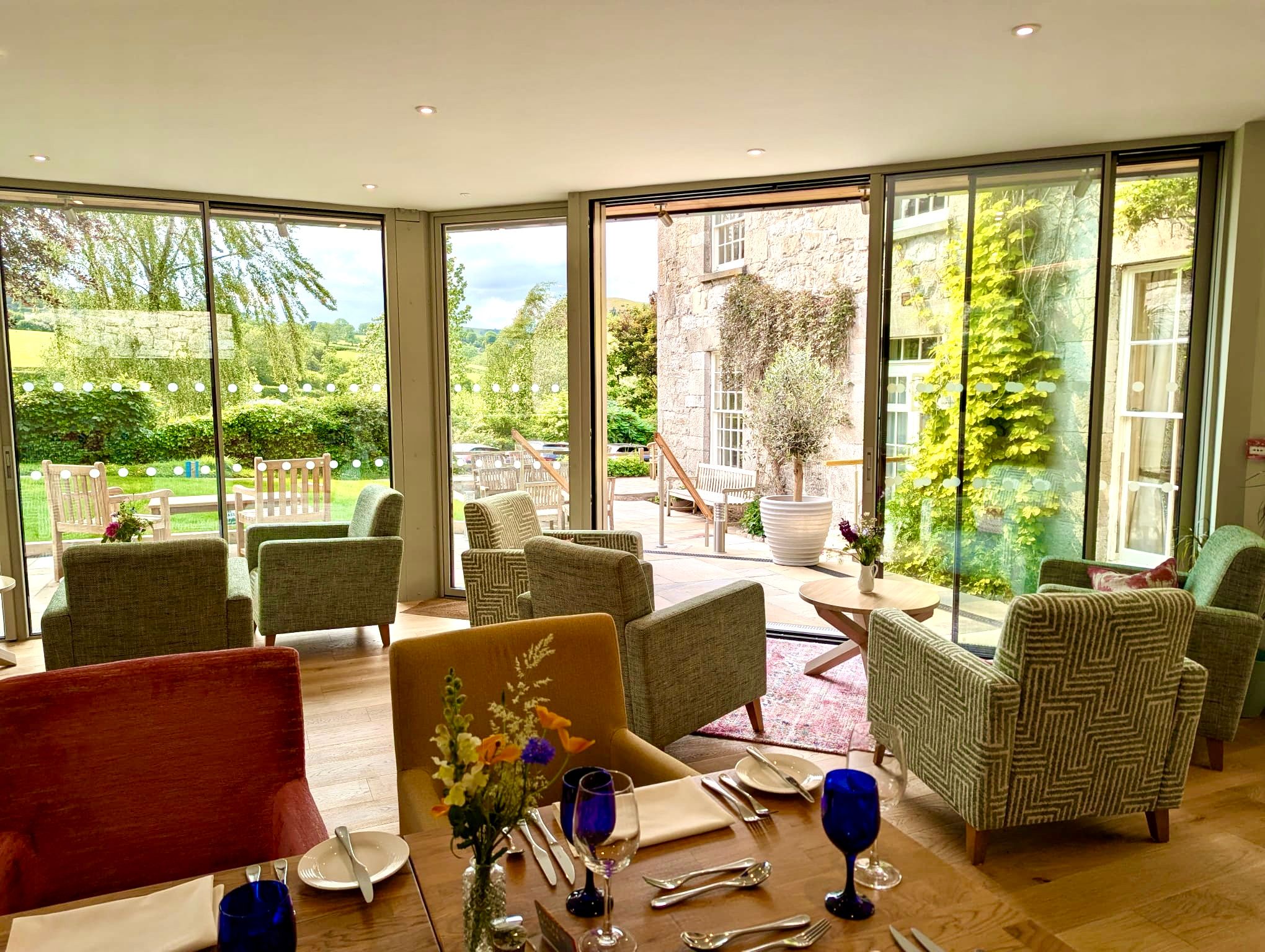
Relaxed and pleasant atmosphere with well-spaced tables, though some note outdated decor and a cafe-like feel.