Our verdict
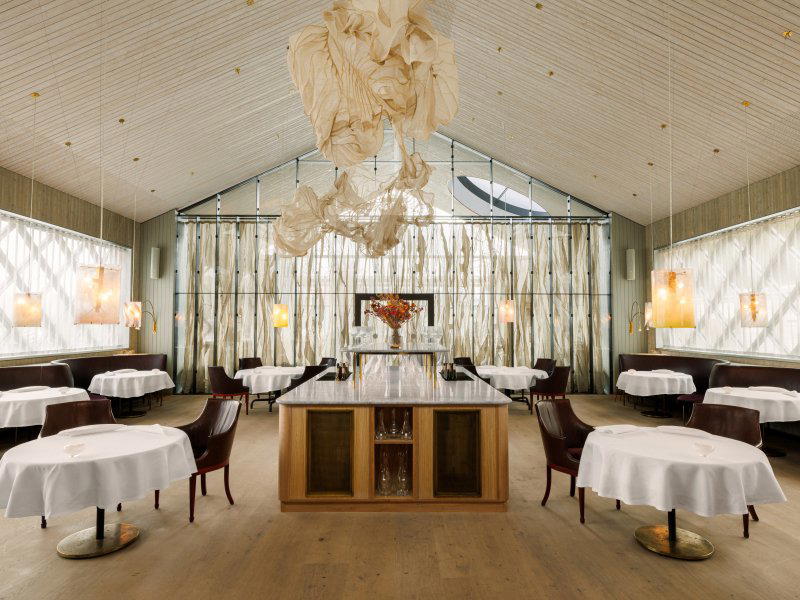
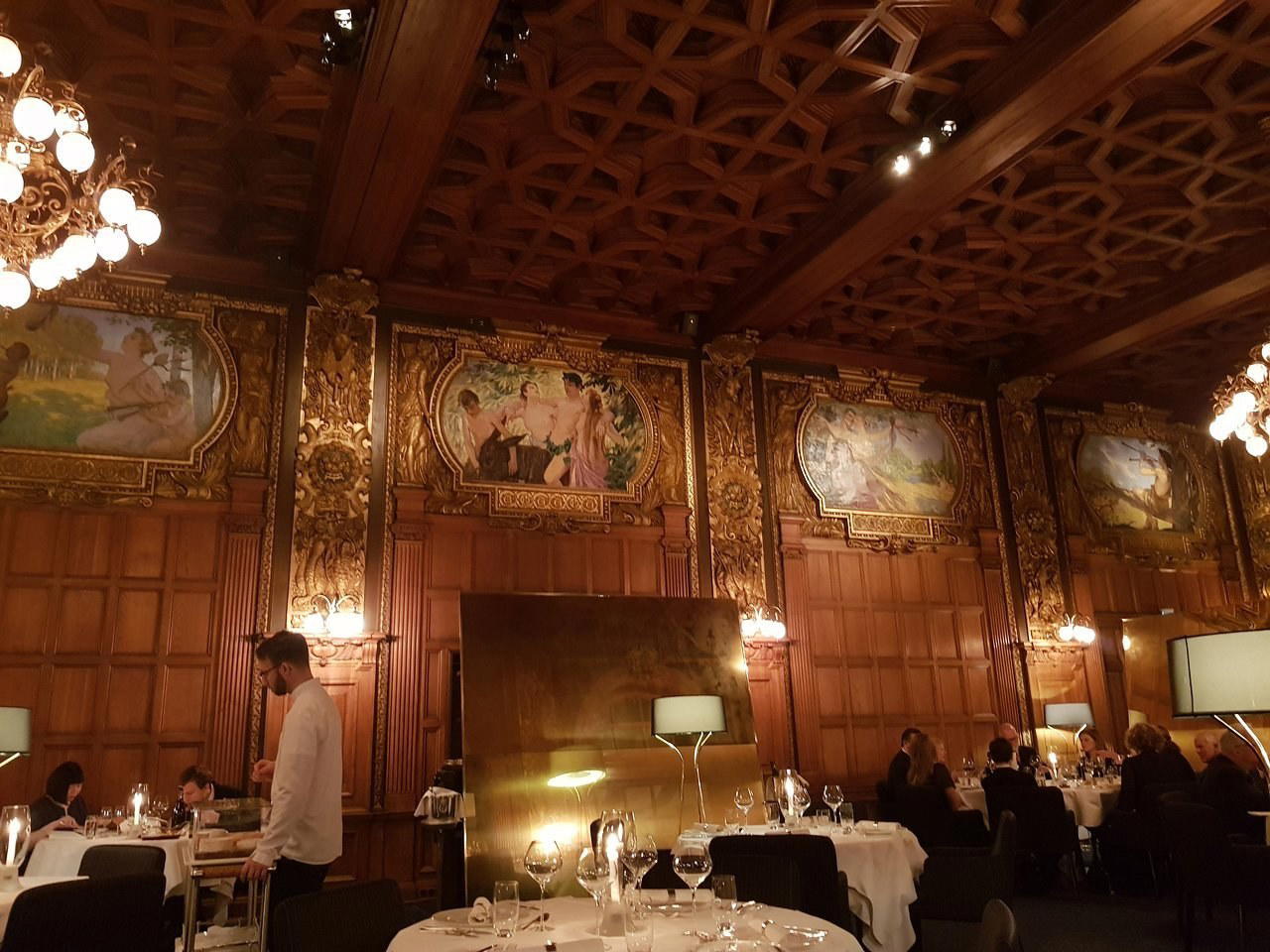
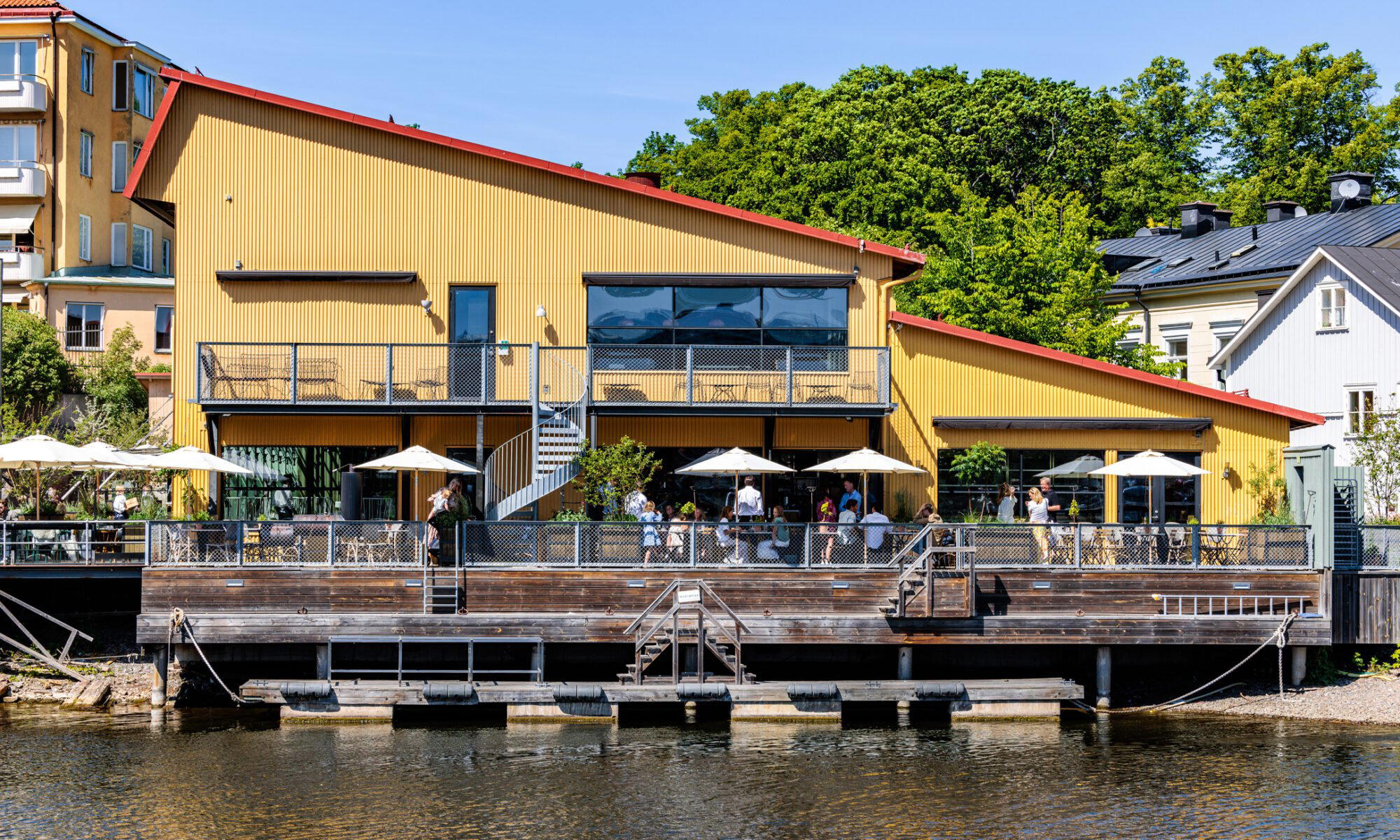
Restaurang Slipen occupies a converted maritime site on Beckholmsön, one of Stockholm's industrial islands, placing it at the intersection of working-harbour heritage and contemporary Swedish dining. The address alone signals a deliberate detachment from the city's central restaurant corridor, and that separation shapes everything about how the visit is planned and experienced.

Pearl is the En Primeur Club membership app — saves, bookings, and concierge access live there. Same editors, same standards.
- Address
- Beckholmsvägen 26, 115 21 Stockholm, Sweden
- Phone
- +46 8 551 531 05
- Hours
- Mon–Fri 8 AM–5 PMSat–Sun 8 AM–6 PM
- Website
- slipen.se
- Directions
- Get directions
The menu
What to order
- Turbot
- Octopus
- Scallops
- Smoked prawns
- Grilled pork cheek
- Fried herring
An Island Address That Changes How You Plan the Evening
Stockholm's dining geography tends to consolidate around Östermalm, Södermalm, and the Gamla Stan corridor, where the density of high-end restaurants makes spontaneous decisions relatively easy. Beckholmsvägen 26 sits outside that logic entirely. Restaurang Slipen is located on Beckholmsön, a small island historically tied to the city's shipyard industry, where the built environment still carries the weight of that past: heavy timber, industrial ironwork, water on multiple sides. Arriving here requires intention. You cross from Djurgården by a short passage, and the transition from the manicured park island to a working-heritage site is immediate and legible. That physical shift is the first thing the visit asks of you, and it sets the register for what follows.
In cities where premium dining has become increasingly concentrated in purpose-built restaurant districts or hotel dining rooms, the waterfront industrial conversion offers a different spatial proposition. The setting does not manufacture atmosphere through interior design alone; it inherits it from the structure itself. Stockholm has a handful of restaurants that use this inheritance well, and Slipen's Beckholmsön location places it in that specific subcategory: sites where the address carries editorial weight before a dish arrives.
Planning Around the Location
The booking experience at a destination-specific address like Slipen's differs from a central-city reservation in ways that matter practically. Because the restaurant is not embedded in a neighbourhood with interchangeable alternatives nearby, the visit requires more planning scaffolding. Transport is the first consideration: Beckholmsön is reachable on foot from Djurgården, and Djurgården itself is accessible by tram from central Stockholm, most directly via the Spårväg City line running from Norrmalmstorg toward Waldemarsudde. The approach on foot across the island, passing the old dry dock infrastructure, is part of the experience in a way that arriving by taxi to a central address is not.
The seasonal dimension compounds the planning calculus. Stockholm's summer months extend daylight past ten o'clock, and a waterfront site like Beckholmsön reads entirely differently in late June than in November. Outdoor positioning, views across the water toward Djurgårdsbrunnsviken, and the quality of evening light are meaningful variables in summer that disappear in the darker months. Visitors who time the reservation for June or July are booking a version of the experience that winter guests will not access. This is not unusual for Scandinavian waterfront dining broadly, but it is especially pronounced on a site with this much exposure to the harbour and sky.
Within Stockholm's higher-end restaurant segment, the venues that draw consistent attention for technique and Nordic sourcing — Frantzén, AIRA, Aloë, Adam / Albin, and Operakällaren — are largely concentrated in the central city. Slipen's island address positions it differently in the mental map a visitor builds. It is a deliberate excursion, not an in-between stop. That framing rewards advance planning and discourages improvisation.
The Swedish Waterfront Dining Tradition
Sweden has a durable tradition of connecting seafood and seasonal produce to their geographic source, and waterfront settings have historically served as anchors for that connection. Coastal and archipelago restaurants across southern Sweden, VYN in Simrishamn, Vollmers in Malmö, and Sydkustens at Pillehill in Skivarp, demonstrate how seriously Swedish fine dining takes the relationship between site and sourcing. The same current runs through western Sweden, where Hoze in Gothenburg operates in a city whose identity is inseparable from its fishing port. Inland, forest and farmland anchoring shows up in places like ÄNG in Tvååker and Knystaforsen in Rydöbruk.
A Stockholm restaurant on a working harbour island participates in that wider Swedish sensibility, where the physical context of a meal is understood as inseparable from its content. The industrial heritage of Beckholmsön adds a layer that purely rural or coastal settings lack: the island is not picturesque in a conventional sense but carries the specific texture of a city's working past. That distinction separates Slipen's setting from the manicured archipelago aesthetic that characterises some Scandinavian destination dining.
For visitors building a broader itinerary around Swedish regional cooking, the country's spread of serious restaurants outside Stockholm is substantial. Signum in Mölnlycke, PM & Vänner in Växjö, and Bistro Jarlen in Halmstad illustrate how the country's culinary ambition extends well beyond the capital. Claesgatan 8 in Malmö represents the southern Sweden scene more broadly. Our full Stockholm restaurants guide covers how the capital fits into this national picture.
What to Know Before You Go
Sparse public information on Slipen's current format, pricing, and booking channels reflects the restaurant's relative remove from Stockholm's central PR circuit rather than a lack of seriousness. Restaurants operating from unusual addresses frequently rely more on word-of-mouth and local knowledge than on the review cycles that drive visibility for central-city venues. For comparison, internationally recognised tasting-menu destinations with similarly controlled booking structures, Le Bernardin in New York or Lazy Bear in San Francisco, maintain tight reservation windows and reward guests who plan at least several weeks ahead. Whether Slipen operates on a comparable model is best confirmed directly through current local sources or Stockholm dining reservation platforms before building an itinerary around it.
What the address itself communicates is that the visit is structured as a destination event. That shapes practical decisions: arrival by tram and foot rather than taxi drop-off at the door, scheduling the reservation to capture summer light if the season allows, and building buffer time into the evening rather than treating it as one stop among several. The Beckholmsön setting does not accommodate the casual drop-in logic that works in denser neighbourhoods.
Frequently asked questions
Where is Restaurang Slipen in Stockholm?
Restaurang Slipen is located at Beckholmsvägen 26, 115 21 Stockholm, Sweden, Stockholm.
Is Restaurang Slipen worth the trip from central Stockholm for a summer dinner?
The address on Beckholmsön, reached via Beckholmsvägen 26, puts Slipen in a part of Stockholm that requires deliberate planning rather than a spontaneous detour. That separation is also what makes a summer visit compelling: Stockholm's June and July evenings hold light well past ten o'clock, and an island setting amplifies that quality in a way a Södermalm or Östermalm terrace cannot replicate. The journey is part of the logic, not a drawback to work around.
What do people recommend at Restaurang Slipen?
Verified menu specifics for Slipen are not consolidated in public sources, which is consistent with the restaurant's remove from Stockholm's central dining circuit. Stockholm's waterfront venues at comparable island addresses tend to build menus around seasonal Swedish produce and locally sourced seafood, though that can change for Slipen's current programme. Checking directly with the restaurant before visiting is the practical approach for current dish and format details. Check the venue's official channels for the latest details.
Can I walk in to Restaurang Slipen?
Beckholmsön is an island address reached via Beckholmsvägen, which places Slipen outside the walkable zone of Stockholm's central neighbourhoods. Arriving without a reservation at a destination-specific location like this carries real risk, particularly during Stockholm's high-demand summer season when long evening light draws strong demand across waterfront venues. Booking ahead is the safer assumption until the restaurant's own channels confirm otherwise.
| Venue | Cuisine | Price | Awards | Notes |
|---|---|---|---|---|
| Restaurang SlipenThis venue — the venue you are viewing | Modern Nordic Seafood | $50–100 | Not listed | Not listed |
| Operakällaren | Modern Scandinavian Fine Dining | $150–200 | 1 Michelin Star · World's 50 Best #27 | Swedish, Modern Cuisine |
| AIRA | Modern Nordic Seasonal Tasting Menu | $200–300 | 2 Michelin Stars · La Liste Top Restaurants | Modern European, Modern Cuisine |
| Adam / Albin | Modern Scandinavian Fine Dining | $100–150 | 1 Michelin Star · La Liste Top Restaurants | New Nordic |
| Ekstedt | Wood-Fire Nordic Fine Dining | $200–300 | 1 Michelin Star · La Liste Top Restaurants | Progressive Asador, Grills |
| Etoile | Creative International Fine Dining | $300–500 | 1 Michelin Star · Star Wine List | Contemporary French, Creative |