Reserve

Michelin Plate
Our verdict
Reserve occupies a discreet address on East 1st Avenue in Old Town Scottsdale, operating in the tier of the city's more considered dining rooms where the format and progression of the meal take precedence over volume and spectacle. With sparse public data and a low public profile, it draws a regular clientele that appears to value that anonymity. Read our editorial assessment before booking.

Pearl is the En Primeur Club membership app, where members save venues, book tables and use the concierge.

Old Town's Quieter Register
Old Town Scottsdale's dining scene has sorted itself into distinct tiers over the past decade. The loudest bracket fills patios with happy-hour traffic and rotates seasonal menus built for Instagram legibility. A smaller cohort operates differently: tighter rooms, less signage, and a format where the sequence of the meal carries more weight than any single dish. Reserve, at 6934 East 1st Avenue, occupies a suite-level address in that second bracket, the kind of location that rewards research rather than foot traffic. Approaching it, you register the building's low profile before you register the restaurant, which tells you something about its intended audience.
This positioning is not unusual for Scottsdale's more serious dining rooms. Atlas Bistro, a New American room that has built a quiet reputation in the city, operates on a similar logic: limited exposure, focused format, repeat clientele. Cafe Monarch has worked the same register for years. What these venues share is a preference for earning loyalty through the meal itself rather than through ambient marketing.
The Architecture of a Progression
In American fine dining, the question of how a meal moves matters as much as what arrives. The tasting-menu format, which now defines the top tier of rooms from Alinea in Chicago to Lazy Bear in San Francisco, asks the kitchen to build a narrative arc across courses rather than present a list of independent dishes. The pacing of richness against acid, the placement of textural contrast, the decision of when to introduce weight and when to pull back: these are compositional choices that separate a tasting menu from a prix-fixe sequence with good individual dishes.
Reserve's name suggests a sensibility aligned with that approach, a room that holds something back rather than front-loading impact. In the context of Scottsdale's broader dining character, where volume and theatrical presentation often define premium experiences, a restrained format carries its own editorial statement. The comparator at the national level would be rooms like Single Thread Farm in Healdsburg or Blue Hill at Stone Barns in Tarrytown, where the architecture of the meal is the dominant design principle and individual courses exist to serve a cumulative effect rather than to function as standalone set pieces.
In those rooms, the early courses establish register: light, precise, often vegetable-forward or seafood-led, building the palate rather than saturating it. The middle courses carry the structural weight, introducing protein and richness at the point where the guest is fully engaged. The closing sequence returns to restraint, moving through cheese or intermezzo formats before landing on desserts calibrated to close rather than overwhelm. This grammar is what distinguishes a composed tasting progression from a long dinner. At this address in Old Town, the implicit promise is that the kitchen understands the grammar.
Scottsdale is not a city that has historically generated national attention for serious tasting formats. The market has been dominated by steakhouse volume, resort dining at properties like the Phoenician (where Afternoon Tea at the Phoenician represents a different, more ceremonial dining register), and accessible Italian formats like Andreoli Italian Grocer and Arrivederci Pinnacle Peak. Against that backdrop, a room oriented toward progression-based fine dining occupies a relatively narrow niche.
The national conversation about serious American tasting rooms now includes a tier of venues that have earned Michelin recognition or James Beard attention: The French Laundry in Napa, Providence in Los Angeles, Addison in San Diego, Atomix in New York City, The Inn at Little Washington. Arizona sits outside Michelin's current coverage area, which means rooms operating at this level in Scottsdale or Phoenix accumulate credibility through local and regional signals rather than the guide system that typically sorts fine dining nationally. That absence of external certification is worth understanding as context: it neither confirms nor undermines quality, but it changes how a room builds and signals its reputation.
For international comparison, rooms like Le Bernardin in New York City, Emeril's in New Orleans, and 8 1/2 Otto e Mezzo Bombana in Hong Kong illustrate how formal fine dining works when built around a clear point of view and sustained execution over time. The question for Reserve is whether it has built that kind of sustained identity at its East 1st Avenue address.
Planning a Visit
Because Reserve's public data is limited, direct contact with the venue before booking is advisable. Practical details including hours, pricing, booking windows, and any dietary accommodation protocols are not reliably documented in available public sources, and confirming directly avoids the kind of misinformation that circulates around low-profile rooms. For broader context on where Reserve fits within Scottsdale's dining options, our full Scottsdale restaurants guide maps the city's dining tiers in more detail. Readers arriving from out of state who want a morning anchor before an evening reservation might consider AC Kitchen, which handles European-inspired continental breakfast in a format that calibrates well as a lighter opening to a longer dining day.
Frequently asked questions
What do regulars order at Reserve?
How far ahead should I plan for Reserve?
What is the standout thing about Reserve?
How does Reserve handle allergies?
Should I splurge on Reserve?
Is Reserve in Scottsdale suitable for a first experience with formal tasting-menu dining?
What It’s Closest To
Comparable venues nearby, for context on price, style, and recognition.
| Venue | Cuisine | Price | Awards | Notes |
|---|---|---|---|---|
| ReserveThis venue (the venue you are viewing) | Global Fine Dining Tasting Menu | $200–300 | Michelin Plate | Not listed |
| The Ends | Globally Inspired Fusion | $50–100 | Not listed | Old Town Scottsdale |
| Tiki Taka | Japanese-Spanish Fusion Tapas and Sushi | Not listed | Not listed | North Scottsdale |
| Ocean 44 | Modern Seafood & Steakhouse | $100–150 | OpenTable Top 100 Restaurants | Old Town |
| Maple & Ash | Modern Steakhouse | $100–150 | Wine Spectator Best of Award of Excellence | Scottsdale Waterfront |
| Mastro’s Steak House | Classic Steakhouse & Seafood | $150–200 | Wine Spectator Best of Award of Excellence | North Scottsdale |
Recognition history
Dated appearances from independent guides and award organizations, with the underlying list record or original source where available.
Michelin Plate
Michelin
Full recognition history (2 entries)
Michelin Sommelier Award
Michelin
Reserve
Featured Guides
Continue exploring
More in Scottsdale
Restaurants in Scottsdale
All restaurants in Scottsdale →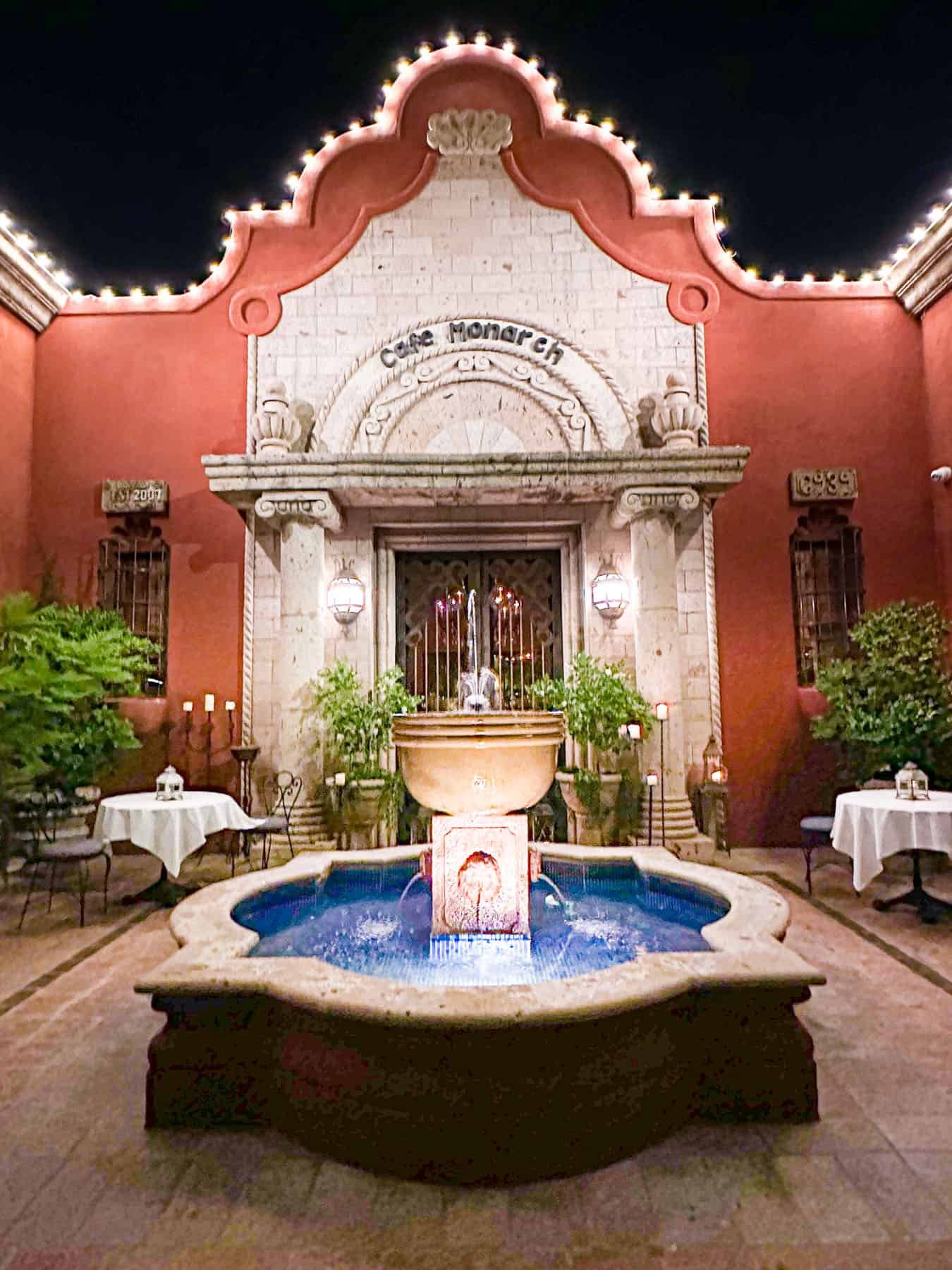

Bars in Scottsdale
All bars in Scottsdale →


Reserve
The wine
- Wine program
- Deep wine list
- Extensive wine list
- Sommelier-led
- Craft cocktails
Details
- Elegant
- Intimate
- Sophisticated
- Date Night
- Special Occasion
- Courtyard
- Extensive Wine List
- Sommelier Led
- Craft Cocktails
- Garden
- Tasting Menu
- Wine Pairing
Current opening hours
- Monday
- Closed
- Tuesday
- Closed
- Wednesday
- Closed
- Thursday
- Closed
- Friday
- 5–10:30 PM
- Saturday
- 5–10:30 PM
- Sunday
- Closed
Hours can change for holidays and private events. Hours as of .
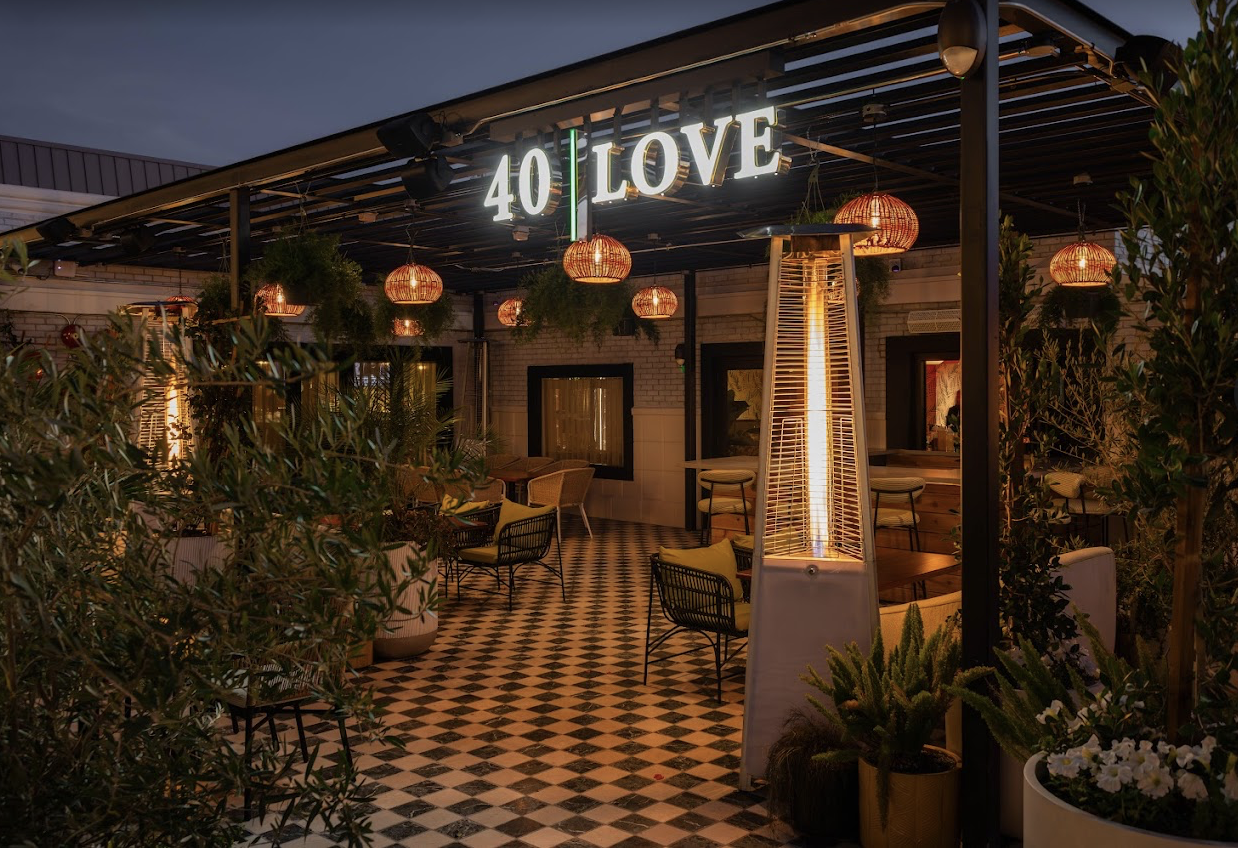
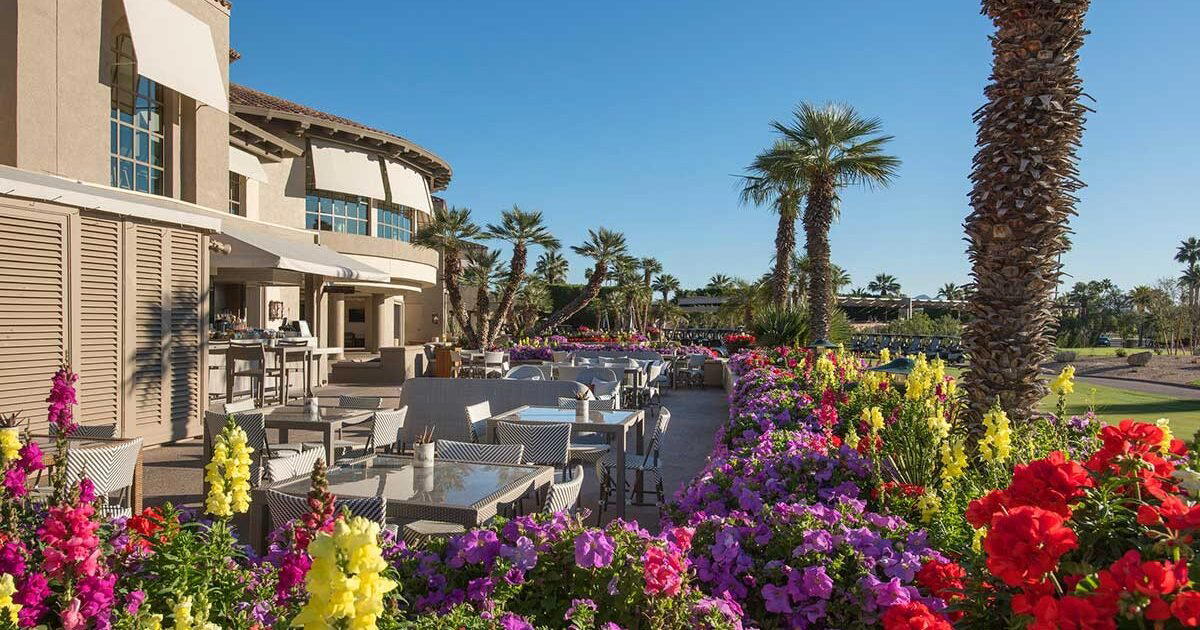
Intimate outdoor courtyard setting with garden entrance, creating a romantic and elegant atmosphere under controlled lighting.