
Michelin Plate
Our verdict
On Tudela's Plaza de los Fueros, Remigio has spent more than two decades building one of Navarra's most consistent cases for vegetable-forward regional cooking. The kitchen draws its produce directly from the Mejana de Tudela growing area on the Ebro river, and the Michelin Plate-recognised menu spans both à la carte and several set formats, including the more intimate Choko del Remigio dining space.

Pearl is the En Primeur Club membership app, where members save venues, book tables and use the concierge.
The menu
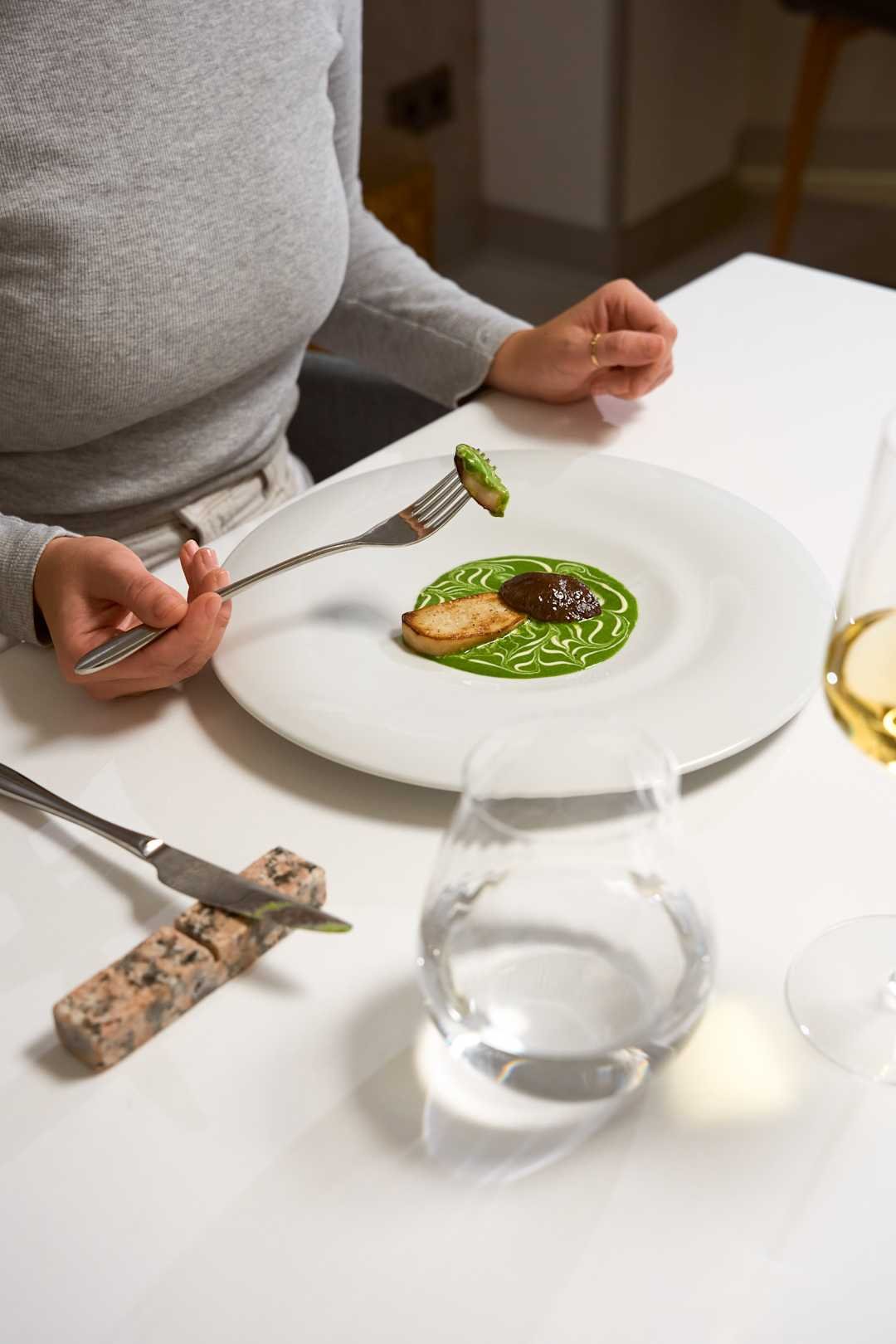
What to order
- Cogollos de Tudela
- Pochas
- Lamb
- Hake with clams
- Cheesecake with blue cheese
A Plaza Address with Two Decades of Provenance
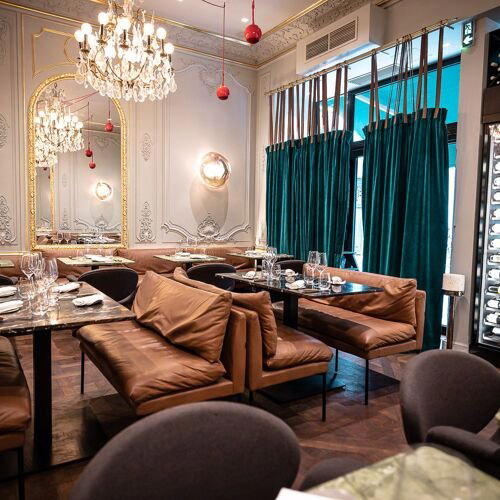
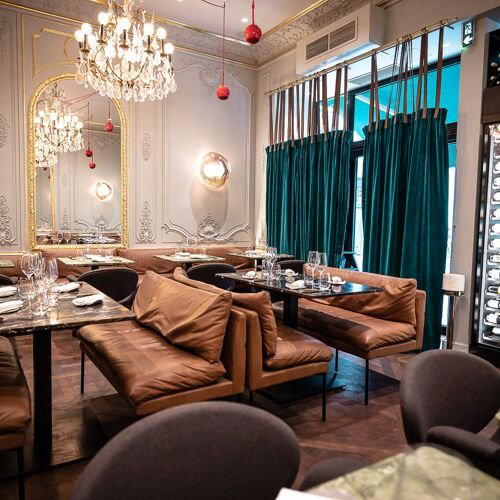
The Plaza de los Fueros sits at the civic centre of Tudela, Navarra's second city and the historical capital of the Ebro valley's most productive agricultural belt. Arriving at Remigio means approaching a renovated historic house whose walls have absorbed more than casual footfall: the Spanish Romantic poet Gustavo Adolfo Bécquer is among the guests recorded here, a detail that places the building inside the kind of layered local history that Tudela's old town accumulates almost without effort. The dining rooms carry that weight without theatrical staging, the architecture does the work, and the kitchen does not compete with it.
For travellers mapping Navarra's restaurants, Tudela occupies a distinct position from the Basque-influenced dining circuit further north. Restaurants like Arzak in San Sebastián, Mugaritz in Errenteria, and Martin Berasategui in Lasarte-Oria operate in a different culinary register, one shaped by Basque identity and large investment in creative fine dining at the €€€€ tier. Tudela's tradition runs on different logic: the town is surrounded by some of Spain's most respected market-garden land, and the restaurants that have lasted here tend to make that produce the argument rather than the technique.
The Ebro Valley on the Plate
The Mejana de Tudela is a stretch of alluvial land along the Ebro river where artichokes, white asparagus, cardoons, peppers, and lettuces grow in conditions that have given them protected designation status. Remigio has sourced from this area for over twenty years, a commitment that predates the current fashion for hyper-local provenance and speaks instead to a house position held consistently across two decades. That kind of supply relationship is not built through a sourcing philosophy statement, it is built through repetition, trust, and the kind of regional embeddedness that takes years to establish.
The menu structure reflects the depth of that relationship. An à la carte and several set menus run in parallel, allowing the kitchen to apply the same Mejana produce across different formats and price points. The Michelin Plate recognition in both 2024 and 2025 signals cooking that meets a documented quality threshold without positioning the restaurant in the same competitive tier as the country's large-format creative houses. For comparison, the €€€€ operations at El Celler de Can Roca in Girona, Disfrutar in Barcelona, or DiverXO in Madrid represent a different proposition entirely, one built around extended tasting formats and international press positioning. Remigio at the €€ price range occupies a more accessible register where the produce itself carries the editorial weight.
Vegetable focus at this level of Spanish regional cooking is worth understanding in its own right. Navarra's market-garden tradition is not a concession to dietary trends, it is the baseline culinary identity of the Ebro valley, where local cooks have treated artichokes, asparagus, and piquillo peppers as primary ingredients for generations. What an updated take on that tradition means in practice is a kitchen that applies contemporary technique and menu discipline to ingredients that already have strong local identity, rather than importing a framework from somewhere else and filling it with Navarran produce.
Choko del Remigio: A More Focused Format
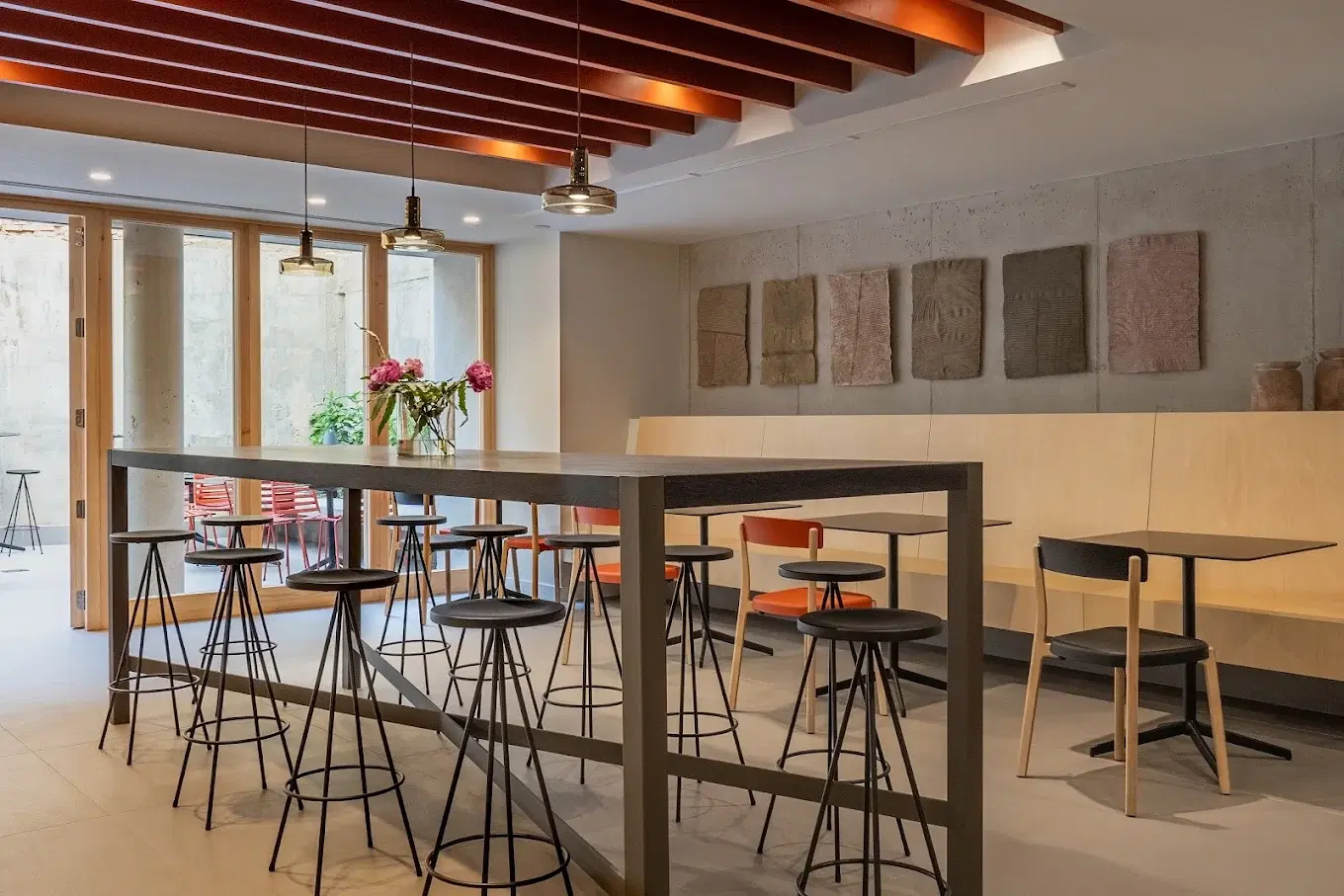
Within the building, Remigio operates a separate gastronomic space called Choko del Remigio. The format centres on locally sourced, seasonally driven cooking in a more concentrated setting, which positions it as a distinct experience from the main dining room rather than a premium annex of the same menu. In Spain's regional restaurant scene, this kind of internal differentiation has become a practical way to serve both walk-in trade and guests seeking a more structured sitting without splitting into two separate addresses. The approach echoes what producers-focused restaurants in other parts of Spain have applied, from Ricard Camarena in València to Quique Dacosta in Dénia, though at a very different scale and price point.
For the broader pattern of how regional cuisine restaurants handle dual formats, it is worth looking at how comparably positioned operations in other European contexts manage the same challenge, venues like Fahr in Künten-Sulz or Gannerhof in Innervillgraten work within a similar logic of deep local sourcing and season-led menus that serve a range of sitting types without abandoning the core supply relationships that define them.
David Holman and the Kitchen's Position
Chef David Holman leads the kitchen at Remigio. In the context of Navarran regional cooking, the relevant credential is not a biography but a track record: two consecutive Michelin Plate years signal sustained execution rather than a single impressive season. The vegetable-forward approach and the two-decade supply relationship with Mejana growers indicate a kitchen that has oriented itself around the land immediately outside the city rather than toward external validation from Spain's more heavily covered fine-dining circuit.
Both operate within the same regional logic, and visitors to Tudela are better served by understanding them as complementary expressions of the same culinary territory than by ranking them against each other.
Planning a Visit
Remigio sits at Pl. de los Fueros, 2, in Tudela's historic centre, placing it within walking distance of the old town's main sights. The €€ pricing makes the à la carte and set menu formats accessible by Spanish regional fine dining standards, and the dual-format structure, main dining room plus Choko del Remigio, means both shorter and longer sittings are accommodated in the same address. Tudela is reachable by rail from Zaragoza and Pamplona, which makes it a viable stop on a broader Ebro valley or Navarra itinerary rather than a standalone destination requiring a dedicated trip.
For visitors building a wider picture of the city's eating and drinking scene, our full Tudela restaurants guide covers the range of options. Those planning a longer stay can cross-reference our Tudela hotels guide, while our bars guide, wineries guide, and experiences guide fill out the rest of the itinerary. Navarra's wine production along the Ebro corridor pairs logically with the same produce that defines restaurants like Remigio, and a day that moves between the Mejana market gardens, a winery visit, and dinner on the plaza is the kind of programme the city is set up to support. Among Spain's more prominent creative addresses, Aponiente in El Puerto de Santa María and Azurmendi in Larrabetzu represent the country's most discussed format innovation, but neither operates in the same register as Remigio. The comparison is not meant to diminish, it is meant to clarify that Remigio's value is specific to its place, its supply chain, and its twenty-year consistency, none of which require comparison to Spain's most decorated kitchens to hold up.
Frequently asked questions
Is there a head chef associated with Remigio?
The chef associated with Remigio is David Holman.
What's the best way to book Remigio?
Remigio sits at Pl. de los Fueros, 2, in Tudela's historic centre. The €€ price range suggests demand is steady without the multi-month lead times typical of higher-tier tasting-menu counters.
At-a-Glance Comparison
| Venue | Cuisine | Price | Awards | Notes |
|---|---|---|---|---|
| RemigioThis venue (the venue you are viewing) | Modern Navarran Regional Cuisine | $50–100 | Michelin Plate | Not listed |
| Aponiente | Avant-Garde Marine Seafood | $200–300 | 3 Michelin Stars · World's 50 Best #84 | Progressive - Seafood, Creative |
| Arzak | Contemporary Basque Fine Dining | $300–500 | 3 Michelin Stars · World's 50 Best #31 | Modern Basque, Creative |
| DiverXO | Avant-Garde Spanish Tasting Menu | $300–500 | 3 Michelin Stars · World's 50 Best #4 | Progressive - Asian, Creative |
| El Celler de Can Roca | Creative Catalan Fine Dining | $300–500 | 3 Michelin Stars · World's 50 Best #2 | Progressive Spanish, Creative |
| Quique Dacosta | Avant-Garde Spanish Fine Dining | $300–500 | 3 Michelin Stars · World's 50 Best #65 | Creative |
Recognition history
Dated appearances from independent guides and award organizations, with the underlying list record or original source where available.
Michelin Plate
Michelin
Full recognition history (3 entries)
Michelin Plate
Michelin
Michelin Plate
Michelin
Continue exploring
More in Tudela
Details
- Classic
- Romantic
- Elegant
- Intimate
- Date Night
- Family
- Celebration
- Business Dinner
- Historic Building
- Hotel Restaurant
- Terrace
- Private Dining
- Extensive Wine List
- Farm To Table
- Local Sourcing
- A La Carte
- Set Menu
- Tasting Menu
- Wine
- Vegetarian Friendly
- Vegan Options
- Gluten Free Options
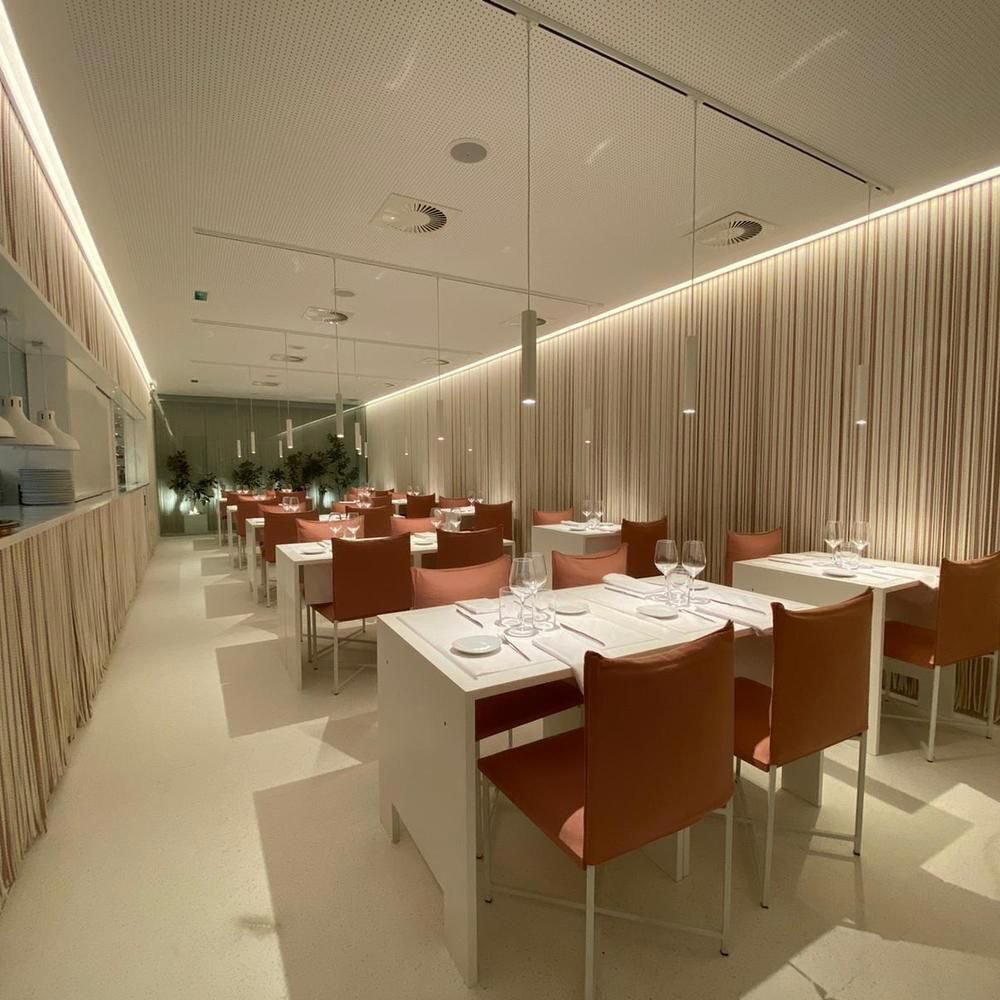
Renovated historic building with original early 20th-century elements, fabric tablecloths and cloth napkins, low noise pollution, recently modernized with tablet menus while preserving charming period details and a central location on the main plaza.