


Michelin Plate · Guía Repsol 1 Sol · Macarfi 8.4 Food Rating
Our verdict
El Choko De Remigio puts Tudela’s vegetable culture at the centre of the meal, in a city where the Ebro market garden matters as much as technique. Its 1 Sol recognition from Guía Repsol 2026 places it in the serious regional conversation, especially for travellers comparing Navarra cooking beyond the usual Pamplona orbit.

Pearl is the En Primeur Club membership app, where members save venues, book tables and use the concierge.
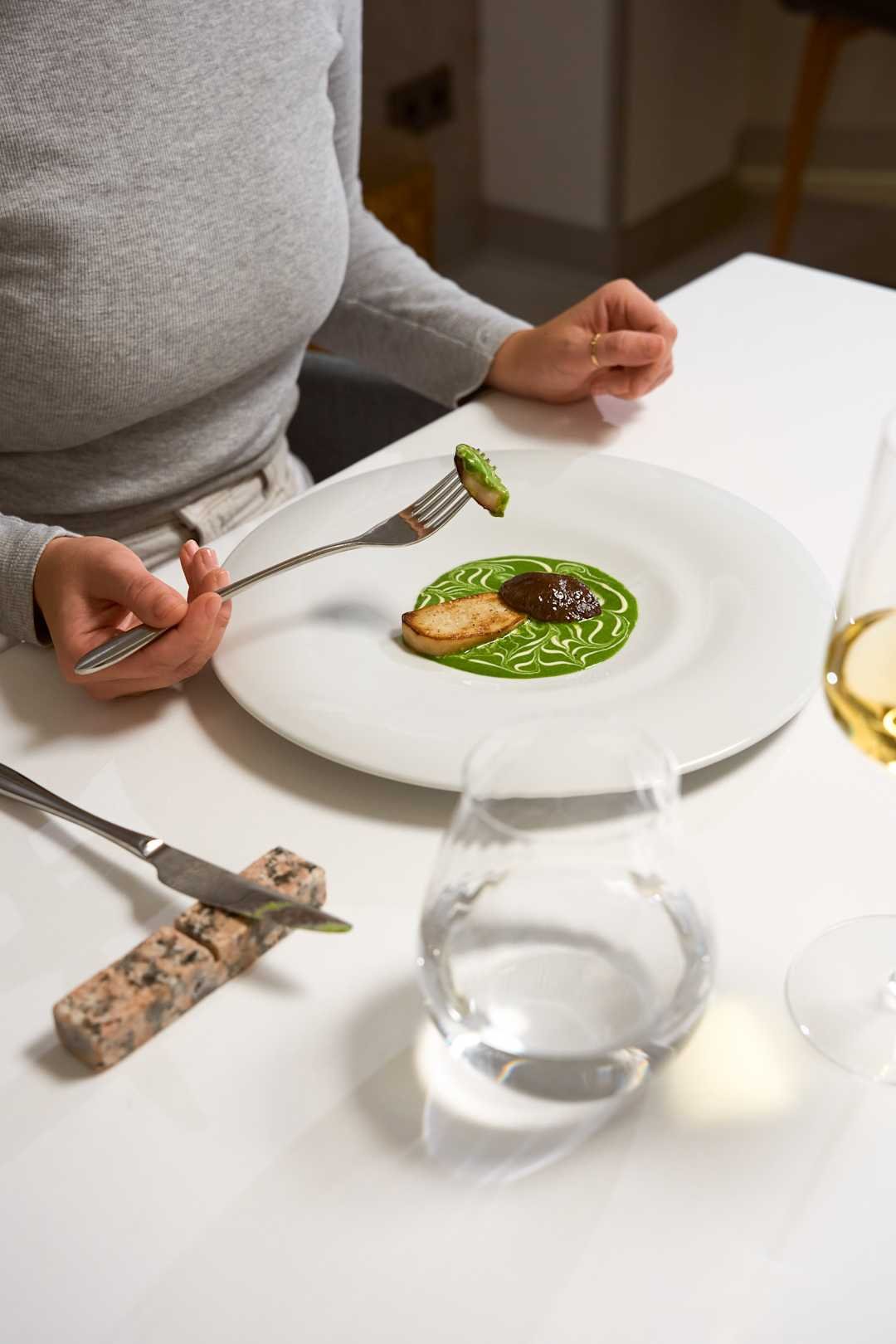
Tudela gives its restaurants a ready-made stage: evening footfall, and the particular confidence of a city that does not need to over-explain its produce. In this part of Navarra, the meal begins before the menu, with the Ebro valley’s vegetable calendar setting the terms. Artichokes, asparagus, borage and peppers are not garnish culture here; they are the local grammar.
El Choko De Remigio belongs to that conversation rather than to the international tasting-menu race. Its 1 Sol in Guía Repsol 2026 is the useful signal: this is a Spanish guide recognition, not a generic popularity badge, and it points to a kitchen being judged within the country’s regional-dining hierarchy. For Tudela, that matters. The city’s serious tables are often read through produce first, technique second, spectacle a distant third.
Tudela's market-garden cooking is the point, not the backdrop
The Ribera Navarra has an unusually clear food identity because the surrounding huerta supplies a vocabulary that changes with the season. The area is associated with vegetables of protected reputation, and Tudela’s restaurant culture has long treated them as centre-plate material. That makes the city different from Spanish dining destinations where the protein, cellar, or room carries the evening.
Within that setting, El Choko De Remigio is better understood as part of a local tradition of ingredient-led cooking than as a stand-alone destination detached from place. The name will draw attention because of the Repsol Sol, but the larger reason to care is how Tudela’s kitchens translate agricultural specificity into restaurant form. This is the kind of city where a vegetable course can tell more about the kitchen than a luxury ingredient can.
Comparisons inside Tudela help frame the decision. Other Tudela dining rooms sit close to the local produce-led lane, while Topero gives another local reference point for the city’s dining rhythm. Treintaitres is another Tudela comparison, and Árido by Ramsés González occupies a more contemporary place in the local mix. Read together, they show a compact restaurant scene where the split is not simply formal versus casual, but how far a kitchen moves from Navarra’s produce base.
A 1 Sol address in a compact regional scene
Guía Repsol’s Soles are especially relevant in Spain outside the largest metropolitan markets because they often highlight restaurants embedded in regional habits. A 1 Sol does not need to announce luxury; it indicates a level of cooking and consistency that puts a dining room into the national guide conversation. In a city the size of Tudela, that recognition has practical editorial weight because the competitive field is narrower and the local ingredient story is easier to read.
The stronger play here is not to chase ceremony. Tudela rewards diners who understand the calendar: spring vegetable season changes the city’s dining logic, while cooler months shift attention toward heartier regional cooking. The restaurant fits the Spanish meal structure and suits travellers building a day around Tudela rather than treating dinner as an afterthought.
For broader planning, the local map matters. Our full Tudela restaurants guide is the useful starting point for comparing formats, while Our full Tudela hotels guide helps keep the evening walkable. The city is not a large nightlife capital, but Our full Tudela bars guide can help extend the night without forcing a change of neighbourhood. Travellers using Tudela as a Navarra base should also scan our full Tudela wineries guide and our full Tudela experiences guide, because the region’s value is often cumulative: market, table, cellar, and landscape in the literal rather than metaphorical sense.
How to place it within a Spain trip
El Choko De Remigio makes the clearest sense for travellers who are already thinking beyond Spain’s headline restaurant cities. Madrid, Barcelona, Ibiza, the Basque Country, and the Canary Islands give different versions of Spanish dining energy; Tudela offers a narrower but more legible ingredient thesis. A trip that moves between major-city dining rooms and regional addresses will read differently once a Navarra vegetable table is added to the sequence.
That contrast is the reason Tudela deserves attention from serious eaters. It is not trying to compete with coastal seafood rooms or capital-city tasting counters on their own terms. It offers a tighter argument: what happens when the surrounding agriculture remains close enough to define the plate. In that respect, comparisons across Spain sharpen rather than dilute the point. Other northern and southern Spanish dining routes bring different regional associations into view and show how each area handles informality, appetite, and local produce.
International add-ons underline the same editorial lesson. A night abroad belongs to a completely different grammar of dining, where format and cultural translation carry more of the experience. Tudela asks for a slower reading of place. Other Spanish island or mainland stops reinforce the point by contrast: Spanish regional dining is not a single style, but a set of local economies, climates, and habits made visible at the table.
The verdict is direct: choose El Choko De Remigio when the reason for stopping in Tudela is the produce culture, not when the goal is maximal theatre. The Repsol recognition gives the address national credibility; the city gives it meaning. For travellers building a northern Spain itinerary around what each region actually grows, cooks, and values, that combination is the draw.
Frequently asked questions
Would El Choko De Remigio be comfortable with kids?
Yes, provided they are comfortable with a restaurant setting. The Tudela location makes it possible to plan a family meal around the city’s dining rhythm.
Is El Choko De Remigio better for a quiet night or a lively one?
It suits a quieter night more than a lively one. In Tudela, it reads as a meal built around the table and the local produce culture rather than a high-energy scene.
When is El Choko De Remigio open?
Check the restaurant’s current opening hours before planning, as schedules can change by day or season.
What is El Choko De Remigio known for?
El Choko De Remigio is known as a Tudela restaurant with 1 Sol in Guía Repsol 2026.
Comparable Spots, Quickly
Comparable venues by cuisine and price in the same metro.
| Venue | Cuisine | Price | Awards | Notes |
|---|---|---|---|---|
| El Choko De RemigioThis venue (the venue you are viewing) | Seasonal Spanish Fine Dining | $100–150 | Michelin Plate · Guía Repsol 1 Sol | Not listed |
| Topero | Modern Spanish Vegetable-Focused | $30–50 | Macarfi 7.3 Food Rating · We're Smart World 3 Radishes | Not listed |
| Árido by Ramsés González | Contemporary | Not listed | Michelin Plate | Not listed |
| Treintaitres | Traditional Spanish Vegetable-Led Cuisine | $50–100 | Michelin Plate · Guía Repsol 1 Sol | Traditional Cuisine |
Recognition history
Dated appearances from independent guides and award organizations, with the underlying list record or original source where available.
Michelin Plate
Michelin
Guía Repsol 1 Sol
Guía Repsol
Macarfi 8.4 Food Rating
Macarfi
Continue exploring
More in Tudela
Details
- Sophisticated
- Intimate
- Modern
- Elegant
- Date Night
- Special Occasion
- Celebration
- Hotel Restaurant
- Design Destination
- Local Sourcing
- Farm To Table
- Tasting Menu
- Set Menu
- Vegetarian Friendly
Current opening hours
- Monday
- 1:15–2:30 PM, 9–10 PM
- Tuesday
- 1:15–2:30 PM, 9–10 PM
- Wednesday
- Closed
- Thursday
- Closed
- Friday
- 1:15–2:30 PM, 9–10 PM
- Saturday
- 1:15–2:30 PM, 9–10 PM
- Sunday
- 1:30–2:30 PM, 9–10 PM
Hours can change for holidays and private events. Hours as of .
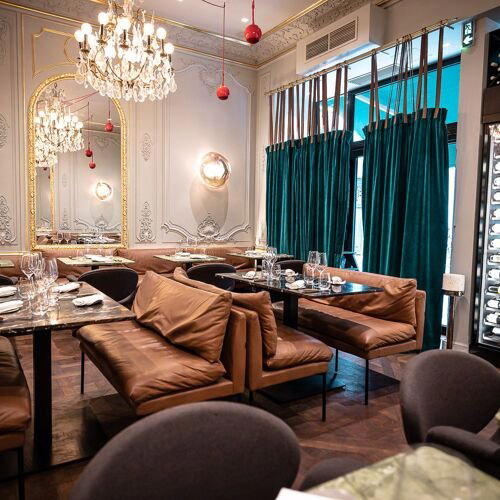
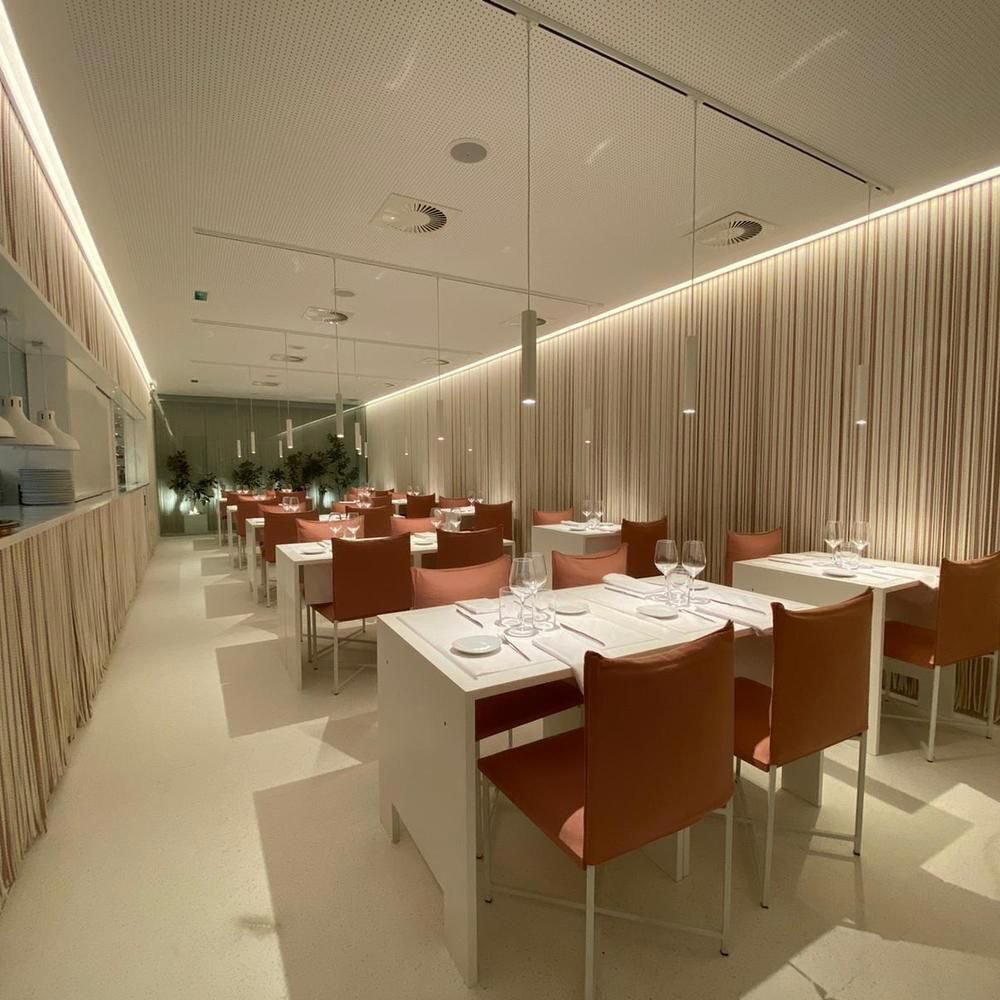
A refined, intimate dining space with a contemporary approach to traditional regional cooking, centered on seasonal produce and a sense of exclusivity.