Regalade
Our verdict
On West 3rd Street in Los Angeles, Regalade occupies a corner of the city's French bistro tradition that rewards repeat visitors over first-timers. The cooking draws a loyal neighbourhood following for whom the room and menu have become part of a weekly rhythm rather than a destination occasion. For those who know it, that regularity is precisely the point.

Pearl is the En Primeur Club membership app, where members save venues, book tables and use the concierge.
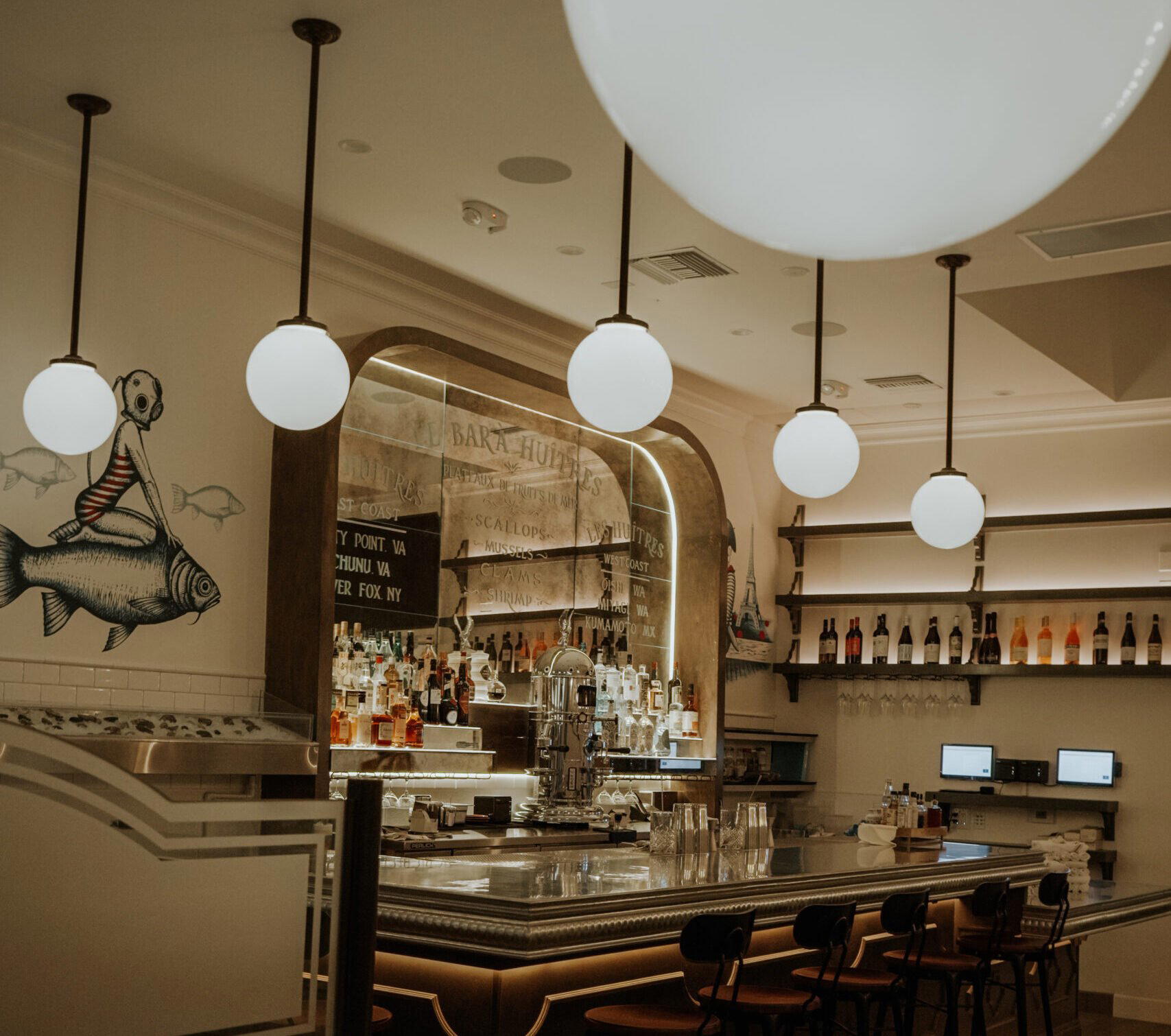
West 3rd Street and the Case for the Neighbourhood French Bistro
Los Angeles has spent the better part of two decades building a fine-dining identity anchored in ambitious tasting menus and chef-driven concepts with national profiles. Providence commands the contemporary seafood tier, Kato has redefined what New Taiwanese cooking can mean in a US city, and Somni occupies the molecular end of the spectrum. But the quieter, harder-to-sustain category in any American city is the genuine French bistro: a room that operates on repetition, familiarity, and the kind of cooking that improves not with novelty but with consistency. West 3rd Street's Regalade sits in that category, and the regulars who return week after week are the leading argument for why that category still matters.
What Keeps the Regulars Coming Back
In cities where restaurant culture is driven by opening-night coverage and social media cycles, the reliable neighbourhood bistro occupies a structural disadvantage: it is exactly what it is, and that is the point. Regalade, at 8136 W 3rd St, draws its core audience not from occasion dining but from the cadence of weekly or fortnightly returns. This is the French bistro model at its most functional, a place where knowing the room matters more than discovering it, where the appeal is in recognising the menu's rhythms rather than being surprised by them.
The French bistro tradition in American cities has always operated in a narrow band between authenticity and adaptation. The model descends from the Parisian neighbourhood restaurant: approachable in format, wine-focused, driven by classical technique applied to honest ingredients rather than elaborate presentation. In Los Angeles, that model competes against an enormous range of alternatives, from the omakase counters of Hayato to the Italian anchor of Osteria Mozza. The bistro that survives in this environment does so because its regulars have decided it serves a function that nothing else in their rotation does.
The Bistro Format as Editorial Argument
Regalade's address on West 3rd, a corridor that has supported serious food businesses for years, places it in a neighbourhood context where foot traffic and local loyalty carry more weight than destination pull. This is not the Arts District or Silver Lake, where newer openings cluster. West 3rd operates on a different logic: it rewards the shopper, the local resident, the person who treats the street as part of a weekly geography rather than a dining pilgrimage. The bistro format suits this perfectly. France's enduring contribution to international restaurant culture is not the tasting menu or the grand restaurant; it is the bistro, a format disciplined by affordability, informality, and cooking that does not require explanation.
That tradition has found homes across American cities with varying degrees of fidelity. In New York, Le Bernardin represents the formal French end of the spectrum, while the bistro tier sits several registers below it. In New Orleans, Emeril's operates in the American interpretation of French-influenced cooking. In San Francisco, Lazy Bear and Single Thread Farm in Healdsburg occupy the progressive end. Regalade's positioning is different from all of these, it is not trying to reinterpret the tradition, it is trying to practise it faithfully, and in Los Angeles that is a specific and defensible choice.
The Unwritten Menu: What Regulars Know
The regulars' relationship with a bistro of this type is built on a kind of accumulated knowledge that no menu photograph captures. They know which seats carry a different atmosphere, which nights run at a different pace, when the kitchen is executing at its sharpest. In the French bistro tradition, the unwritten menu is as important as the printed one: the preparation the kitchen does particularly well, the wine list's hidden value, the dessert that only the returning diner orders without being told to. This kind of venue-specific knowledge is not available on a first visit, which is part of why these restaurants exist in a different competitive category from destination dining. They do not need to perform for strangers; they need to satisfy people who already know what they want.
This positions Regalade differently from the high-concept end of the Los Angeles restaurant scene. Venues like Alinea in Chicago or Atomix in New York City are structured around the single-visit experience. The French bistro is structured around the opposite premise: the experience compounds with repetition. The French Laundry in Napa sits at the formal end of French cooking in the western United States, and 8½ Otto e Mezzo Bombana in Hong Kong represents the grand international French-Italian register. Regalade's register is intentionally lower, and that is not a criticism, it is the format's entire premise.
Los Angeles French Dining: Where Regalade Sits
The broader Los Angeles French dining scene has bifurcated. On one side, the French-influenced fine-dining tier, represented by venues like Camphor, which applies French-Asian technique in the Arts District at the $$$$ price point. On the other, the neighbourhood bistro register, which does not chase Michelin recognition or critical attention as primary goals, but instead builds a room that earns loyalty through reliability. Regalade operates in the second category. Its West 3rd Street location, away from the newer dining corridors, reinforces this positioning: the audience it serves is not the restaurant media audience, but the local one.
For visitors approaching Los Angeles dining through the lens of our full Los Angeles restaurants guide, Regalade represents the category that city guides most often underserve: the restaurant that doesn't need you, because it already has the people it needs. Pairing a meal here with exploration of Los Angeles bars, the city's wineries, or its broader experiences gives a fuller picture of how West Side dining actually functions day to day, beyond the headline openings. The Los Angeles hotels guide can orient you to the most practical bases for West 3rd access.
Planning Your Visit
Address: 8136 W 3rd St, Los Angeles, CA 90048. Budget: Price range not confirmed; French bistro format in this neighbourhood typically positions below the city's $$$$ fine-dining tier. Dress: No confirmed dress code; bistro context suggests smart casual. Getting there: West 3rd Street is accessible by car with street and lot parking nearby; confirm public transit options locally.
Frequently asked questions
What should I order at Regalade?
Is Regalade reservation-only?
What makes Regalade worth seeking out?
Can Regalade adjust for dietary needs?
How does Regalade compare to other French restaurants in Los Angeles?
Comparable Spots, Quickly
Comparable venues nearby, for context on price, style, and recognition.
| Venue | Cuisine | Price | Awards | Notes |
|---|---|---|---|---|
| RegaladeThis venue (the venue you are viewing) | Classic French Bistro | $50–100 | Not listed | Not listed |
| Mr. T | Modern French Bistro with Global Street Food Influences | $50–100 | LA Times 101 Best Restaurants #87 | Hollywood |
| Noma LA | Avant-Garde Fine Dining | $500+ | Not listed | Silver Lake |
| Bon Vivant Market Cafe | Eclectic French and Californian | $20–30 | Not listed | Atwater Village |
| Shirley Brasserie | Modern French Brasserie | $30–50 | Not listed | Hollywood |
| Kendall's Brasserie | Modern French Brasserie | $50–100 | Not listed | Civic Center |
Continue exploring
More in Los Angeles
Restaurants in Los Angeles
All restaurants in Los Angeles →
Bars in Los Angeles
All bars in Los Angeles →
Hotels in Los Angeles
All hotels in Los Angeles →
Wineries in Los Angeles
All wineries in Los Angeles →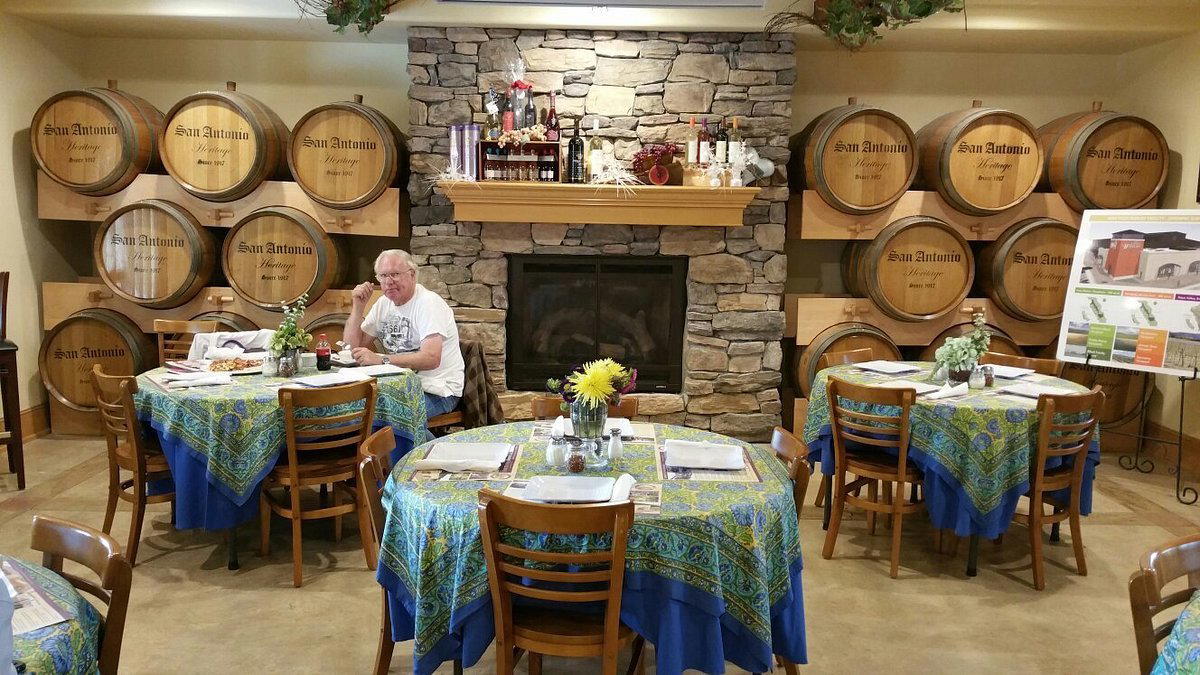
Details
- Cozy
- Elegant
- Intimate
- Classic
- Romantic
- Date Night
- Casual Hangout
- Open Kitchen
- Extensive Wine List
- A La Carte
- Small Plates
Current opening hours
- Monday
- 5–9:30 PM
- Tuesday
- 5–9:30 PM
- Wednesday
- 5–10 PM
- Thursday
- 5–10 PM
- Friday
- 5–10 PM
- Saturday
- 5–10 PM
- Sunday
- 5–9:30 PM
Hours can change for holidays and private events. Hours as of .
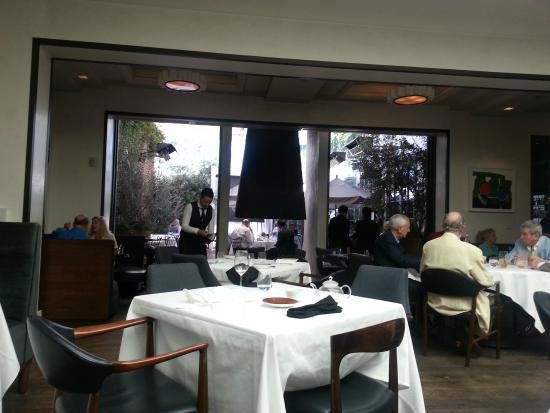
Low-lit tables, subtle lighting, cozy green velvet booths, and nostalgic Parisian mood evoking cinematic romance.