
Michelin Plate
Our verdict
Refeitrº puts Coimbra’s regional cooking inside a working ceramic setting founded in 1824, where the room, tableware, and food all point back to local craft. The kitchen’s strength is its use of Portuguese staples, from Baixo Mondego rice to suckling pig, treated with enough modern technique to keep the meal from becoming a museum piece.

Pearl is the En Primeur Club membership app — saves, bookings, and concierge access live there. Same editors, same standards.
- Address
- Quintal do Prior - Terreiro Erva, 2 a 4, Coimbra, Coimbra, 3000-339, PRT
- Phone
- +351 963 704 038
- Website
- guide.michelin.com
- Directions
- Get directions
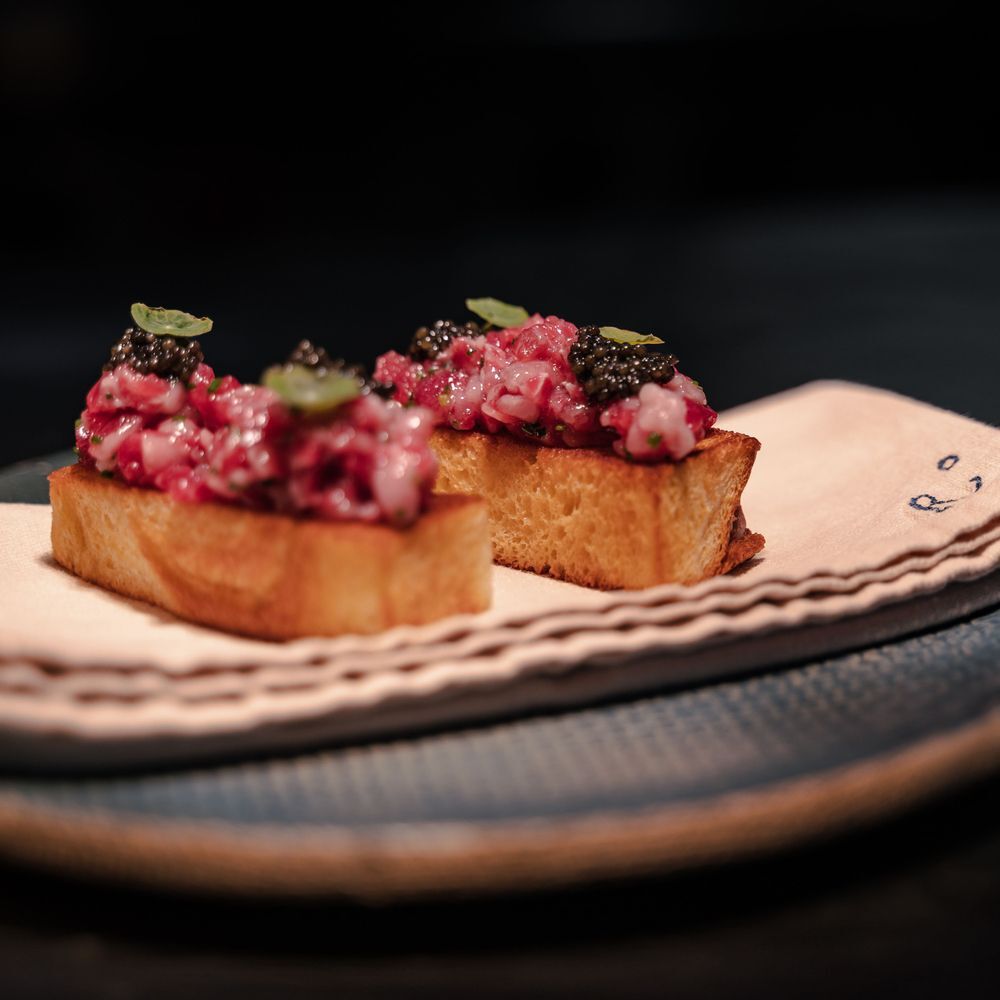
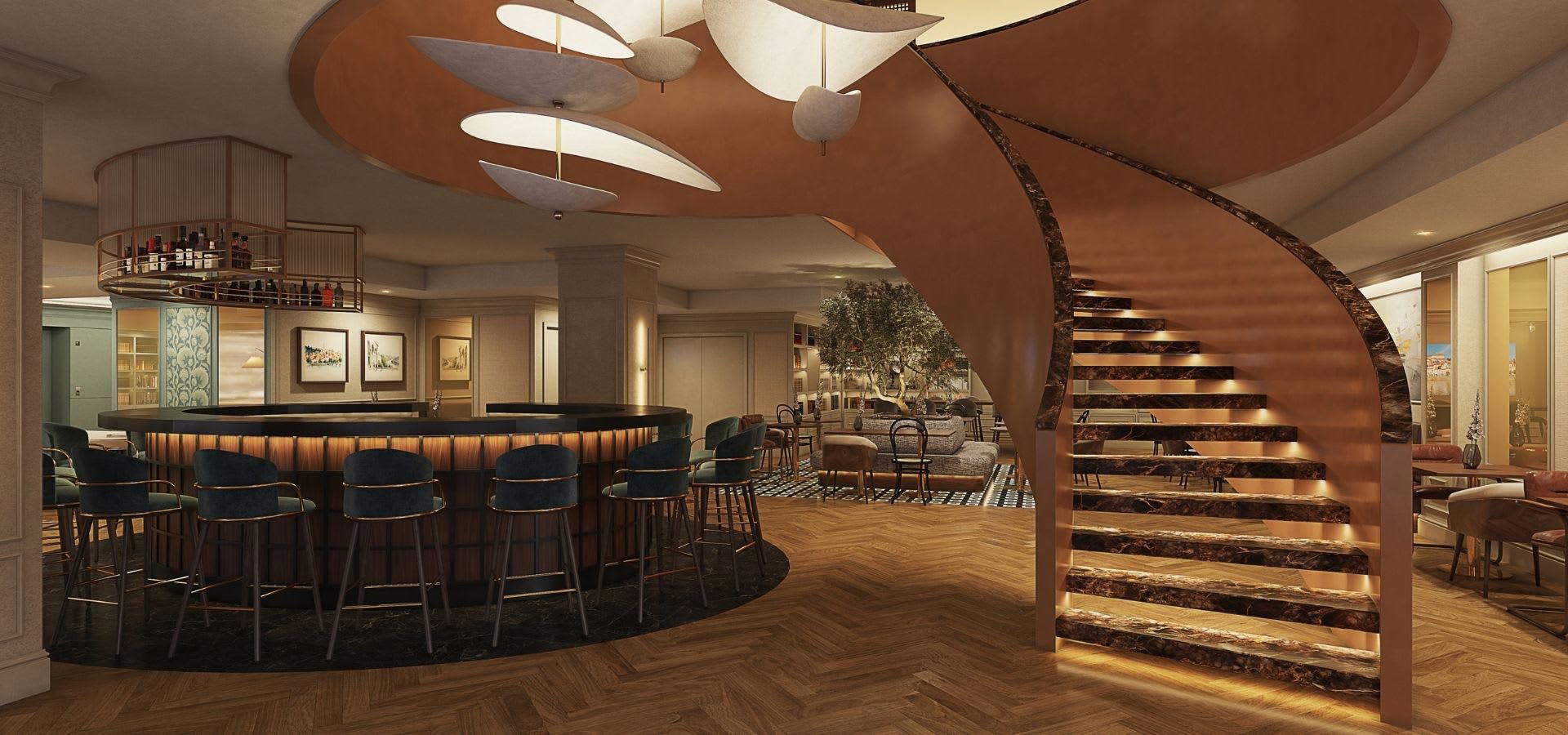
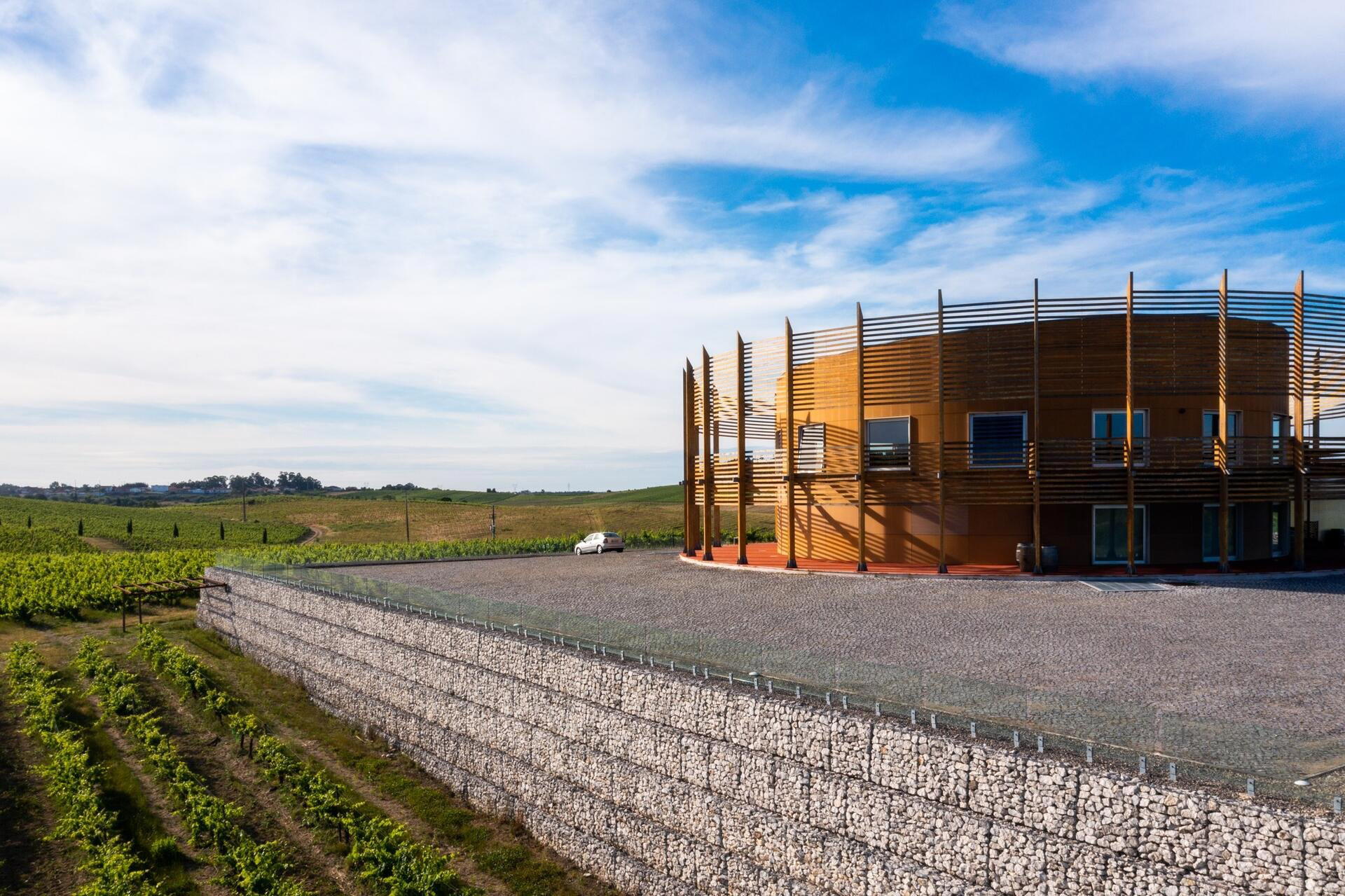
Approach Refeitrº in Coimbra and the restaurant reads less like a staged heritage room than a dining room shaped by craft and material culture. The appeal is not only what arrives on the table, but the way the meal is framed by ceramics, texture, wood, glass, and a sense of production close at hand. In a city where dining often moves between informal and more polished restaurant experiences, this setting gives the meal a material frame rather than a decorative one.
The useful way to read Refeitrº is through place and atmosphere. Coimbra gives the restaurant its context, and the dining room’s craft-led character helps the meal feel connected to the city rather than detached from it. The kitchen can be understood as working in a composed contemporary register, with the best reading coming from how the room, the table, and the sense of local material culture sit together.
Regional cooking framed by ceramic craft
Portugal has many restaurants that talk about tradition; fewer place the plate, the room, and the craft economy in the same conversation. Here, the ceramic connection is not a theme imported for diners. The room keeps the meal tied to labour rather than nostalgia, and that detail matters in Coimbra, a city whose cultural identity is often reduced to familiar historic images. Food adds another layer: a sense of locality, table culture, and the habit of making a meal feel anchored rather than generic.
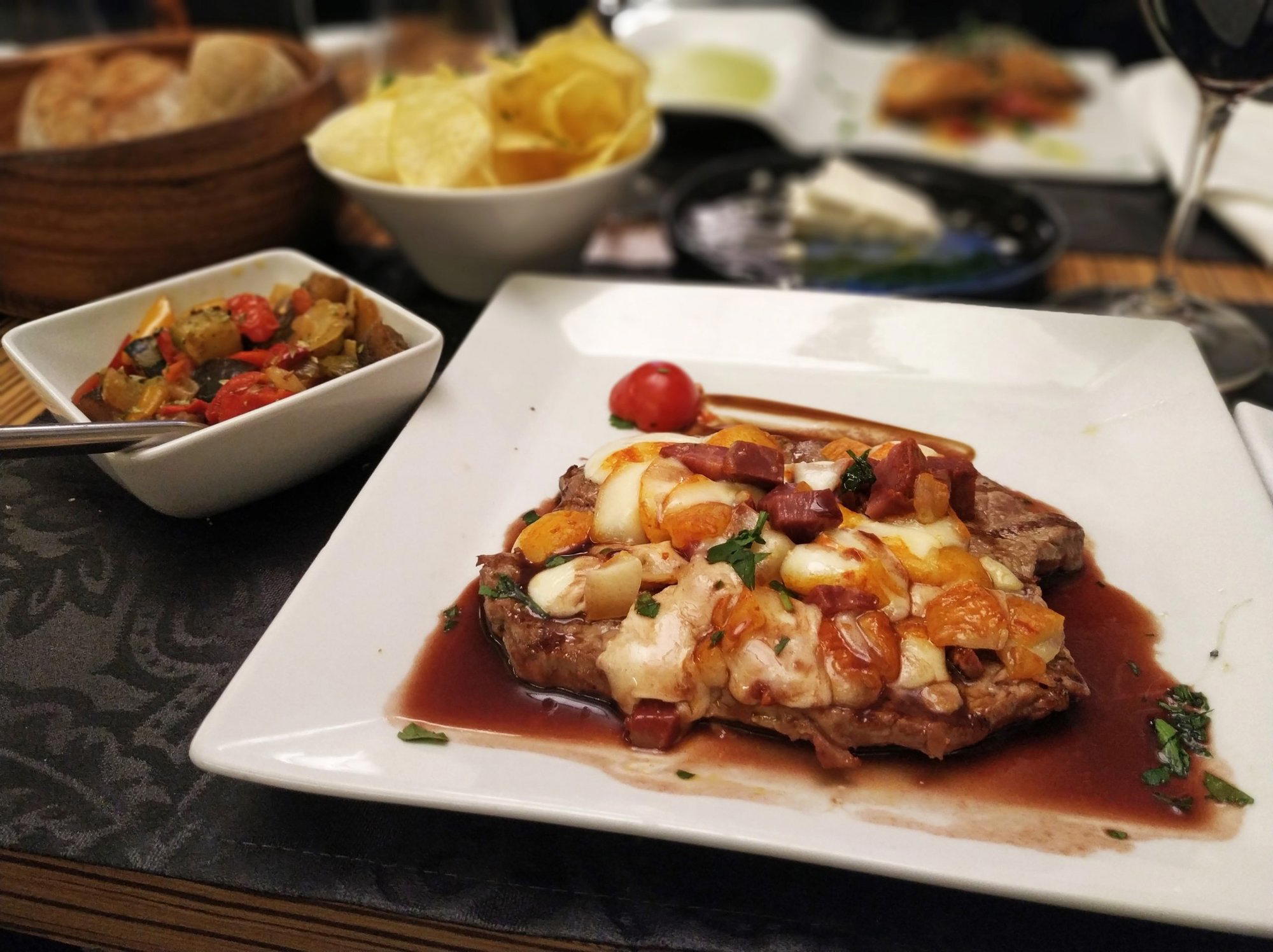
The menu direction reads as a kitchen interested in recognizable structure rather than abstraction. Familiar references are handled in a more composed register than simple everyday service, while the wider experience can move memory into a more technical frame. The risk with this kind of cooking is obvious: place-led food can become either too faithful to memory or too anxious to modernize. The stronger reading here is balance through clarity. Ingredients are allowed to matter as texture, structure, and context, rather than as token gestures.
Coimbra’s restaurant field gives that position sharper definition. MA operates in a different lane, with a more outward-looking point of view rather than Refeitrº’s craft-framed sense of place. Restaurante Pedro & Inês speaks more directly to formal dining expectations, while O Açude helps map the city’s middle ground between familiar reference points and contemporary presentation. For the wider city edit, use our full Coimbra restaurants guide, then pair the meal with our full Coimbra hotels guide, our full Coimbra bars guide, our full Coimbra wineries guide, and our full Coimbra experiences guide for a more complete read on the city.
Why the ingredient story matters in Coimbra
Coimbra rewards kitchens that understand restraint. The city’s dining appeal is not built only on spectacle; it depends on atmosphere, clarity, and a practical relationship with the table. Contemporary accents only work in this context if they remain supporting evidence, not the headline. The same is true of familiar references: they carry enough cultural weight that novelty for its own sake would feel thin. Refeitrº’s stronger case is that it lets technique adjust the frame while keeping the experience legible.
That makes it a useful counterpoint to the broader Portuguese dining circuit. Some capital-city restaurants sit inside a more international conversation, while northern and inland addresses draw different strength from wine country, river landscapes, and rural cooking. Coastal destinations have their own grammar. Coimbra’s advantage is quieter: it can make a meal feel rooted without needing resort polish or capital-city theatre.
The ceramic room reinforces that advantage. Many contemporary dining rooms separate food from production, hiding the labour that makes the setting possible. Here, the sense of pottery and craft changes the emotional temperature of the meal. It reminds diners that craft is repetitive, physical, and local before it becomes aesthetic. That is a better context for a place-led meal than heritage styling alone.
How it fits a Coimbra itinerary
Refeitrº suits travellers who want a meal anchored in the city rather than a generic Portuguese checklist. It is not the right reference point for diners seeking a Japanese counter format, a beach-facing seafood ritual, or a tasting-menu arms race. It is better understood as a Coimbra address where craft, dining, and contemporary technique meet at human scale.
For a compact food-focused itinerary, position it as the Coimbra meal that explains the city’s material culture, then compare outward. MA shows how international dining has entered the local field; O Açude and Restaurante Pedro & Inês broaden the local frame; other Coimbra dining rooms bring their own more formal or casual registers. Travellers building a Portugal-wide route can contrast that with restaurants elsewhere in the country, not as direct peers, but as reminders that technique travels differently when the setting and city context change.
The editorial case is simple: Coimbra does not need to imitate Lisbon or Porto to produce a serious meal. Its strength lies in specificity. A ceramic-framed dining room, a composed sense of place, and tableware culture close to the meal give Refeitrº a coherent identity. That coherence is the point.
Frequently asked questions
Is Refeitrº good for families?
It can work well for families who want a sit-down meal in Coimbra with a bit of visual interest. The ceramic-framed setting gives children more to notice than at a standard dining room.
What's the overall feel of Refeitrº?
The setting feels part craft environment, part dining room, with wood, glass, and ceramic detail framing the meal. In Coimbra, that context matters as much as the restaurant’s sense of place.
Does Refeitrº have a Michelin star or similar recognition?
Refeitrº is listed in the Michelin Guide with a MICHELIN Plate distinction.
What's Refeitrº's location?
Coimbra.
Snapshot
Comparable venues by cuisine and price in the same metro.
| Venue | Cuisine | Price | Awards | Notes |
|---|---|---|---|---|
| RefeitrºThis venue — the venue you are viewing | Contemporary Mediterranean in a historic pottery setting | $50–100 | Michelin Plate | Not listed |
| SAFRA_ | Modern Mediterranean Small Plates | $50–100 | Michelin Plate | Contemporary |
| Solar do Bacalhau | Traditional Portuguese Bacalhau | $20–30 | Michelin Bib Gourmand | Portuguese |
| MA | Modern Omakase Sushi | $50–100 | Michelin Plate | Japanese |
| O Açude | Modern Portuguese Fine Dining | $30–50 | Star Wine List | Not listed |
| Restaurante Pedro & Inês | Portuguese and European | $30–50 | Not listed | Not listed |
Recognition history
Dated appearances from independent guides and award organizations, with the underlying list record or original source where available.
Michelin Plate
Michelin




Details
- Rustic
- Modern
- Cozy
- Elegant
- Date Night
- Business Dinner
- Special Occasion
- Group Dining
- Family
- Design Destination
- Historic Building
- Standalone
- Extensive Wine List
- Local Sourcing
- A La Carte
- Tasting Menu
- Wine
- Vegetarian Friendly
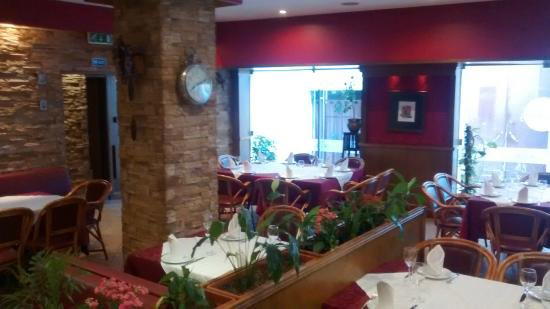
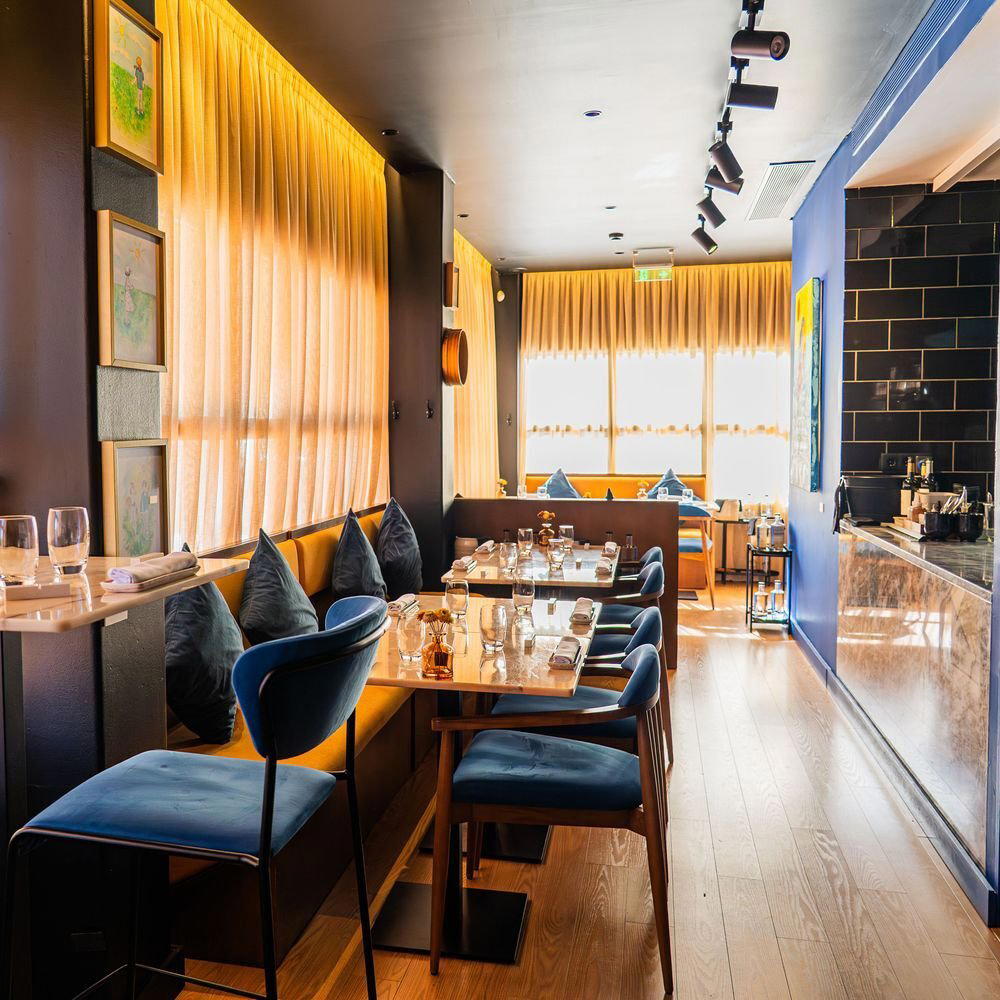
The atmosphere is warm and characterful, with a rustic-modern wooden dining room integrated into an old pottery workshop and centuries‑old kilns, creating intimate, softly lit spaces that feel both industrial and cozy rather than formal.