
Tabelog 100 #18
Our verdict
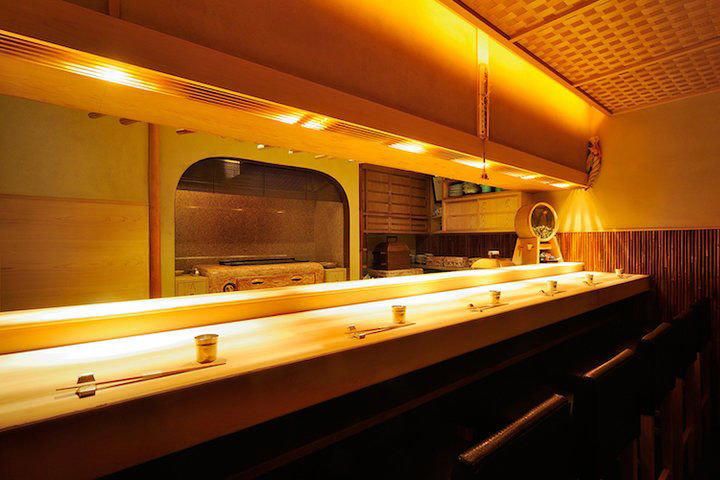
quinto belongs to Tokyo’s small-counter creative dining tier, where the meal is built as a paced sequence rather than a choice-led dinner. Its eight-seat counter, fish-focused cooking, wine service and 2025 Tabelog 100 selection for Innovative / Creative cuisine place it in the city’s serious modern Japanese conversation without pushing it into grand-restaurant theatre.

Pearl is the En Primeur Club membership app, where members save venues, book tables and use the concierge.
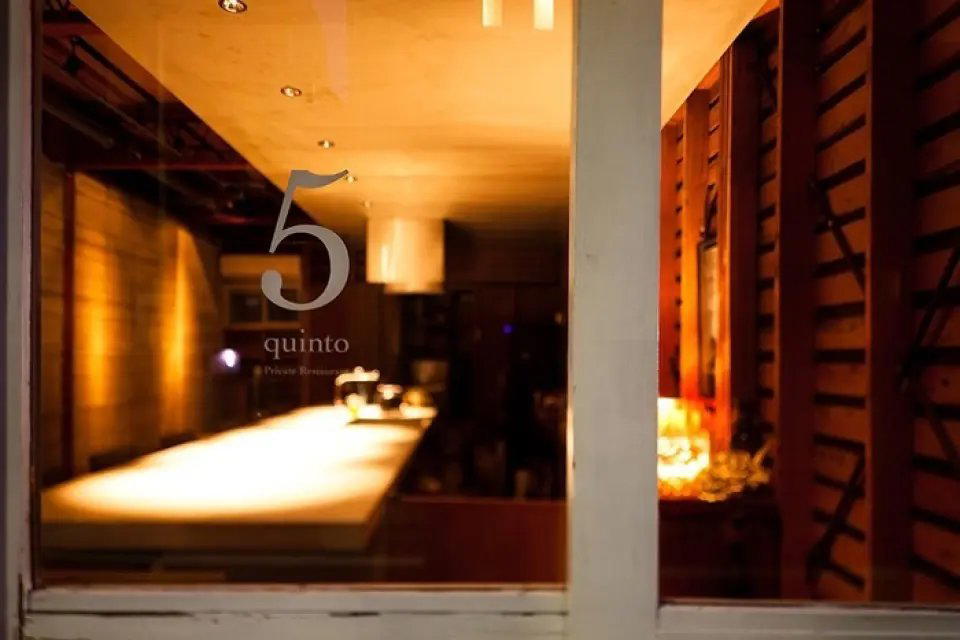
Tokyo changes a dinner’s temperature before the first course. The city’s dining circuits can feel polished, understated or highly ceremonial depending on the room, but the best focused restaurants often work by narrowing the frame. Here, the creative restaurant has become one of Tokyo’s sharper formats: controlled rhythm, close attention, and a kitchen treating dinner as progression rather than a simple list of choices.
quinto fits that newer grammar. Its public classification places it in the Creative category, a broad field where restaurants can be difficult to read from a distance. Those details matter because Tokyo’s creative category is wide: some rooms lean theatrical, some borrow from tasting-menu structure, others sit closer to Japanese pacing with contemporary technique folded in. Here, the useful signal is focus. The format asks diners to pay attention to sequence, editing and the way one course prepares the next.
A meal built around sequence, not selection
Tokyo diners understand trust-based dining through established formats, but creative restaurants can use that same expectation differently. Instead of measuring the evening through a single established canon, the meal may move through temperature, texture, acidity, stock, smoke, fat and contrast. The point is not simply choice. The point is whether each course gives the next one a reason to exist.
That is the useful frame for reading quinto. Its public descriptors point to creative cooking, placing it apart from more genre-locked counters such as Sushi Tsubomi or 鮨つぼみ, where sushi convention remains the measuring stick. It also differs from Japanese dining rooms such as Higashiyama Muku, where the reference point is closer to a broader Japanese meal structure. The comparison is not hierarchy; it is expectation. A diner choosing this category should want momentum, editing and surprise inside a controlled Tokyo format.
The Tabelog 100 selection for Creative cuisine in 2025 gives quinto a public credential inside a category where judgment can feel slippery. Creative cooking is harder to parse from a distance than sushi, tempura or yakitori because there is no single canonical order of service. Recognition in that list means the restaurant is being assessed among contemporary-course specialists, not casual neighbourhood dining. Its Tabelog score of 3.96 adds another signal, especially in a market where high scores move slowly and diners evaluate with unforgiving detail.
For travellers, the question is whether this dinner suits the trip. Tokyo rewards hyper-specialisation, from tightly focused meals to casual rooms built around one clear idea. A creative restaurant asks for different attention: how the pacing resets the palate, how the room controls momentum, and how a compact format turns timing into craft.
Tokyo gives the format a quieter register
Location shapes expectation in Tokyo more than visitors often realise. Some dining rooms carry ceremony and expense; others allow more looseness or a softer local rhythm. For quinto, the important point is not a specific address narrative but its place within Tokyo’s wider dining map. That makes sense for a creative restaurant, where category and focus already create intensity.
quinto belongs to a generation of Tokyo dining rooms that feel more edited than open-ended. Across the city, this shift has made dinners feel less like sprawling hospitality and more like carefully paced performances. That is a strength when the kitchen has a clear arc, and it exposes weak pacing immediately. In the creative category, there is little room for drift.
The Creative label is another marker. Tokyo’s modern dining rooms increasingly use category boundaries as starting points rather than limits, which can make a meal feel more personal but also harder to predict. That differs from ordering a familiar sequence in a more established genre. Diners who choose this kind of restaurant should be ready for the kitchen’s logic to lead the evening.
For a wider city plan, quinto belongs on a Tokyo itinerary that balances precision formats rather than stacking similar meals. A dinner here pairs intelligently with something casual and direct, or with a different tempo elsewhere in the city. For broader planning, use Tokyo restaurant, hotel, bar and experience guides to map the rest of the trip around this more focused creative stop.
Who should choose this kind of Tokyo dinner
This is not for diners who want a long options list, casual drop-in, or a meal built around maximum flexibility. It suits guests who like focused concentration, set pacing and the sense that the kitchen is controlling the arc. The listed dinner budget of JPY 15,000 - JPY 19,999 is serious enough to occupy a primary evening slot rather than function as a prelude.
The editorial verdict is simple: quinto is for diners who want to see where Tokyo’s creative dining scene is going outside the city’s louder luxury corridors. Its strengths, on paper, are format discipline, a Creative-category identity, and public recognition in the Creative category. Those are not decorative facts; they define the attention the dinner asks for.
Travellers building a Japan-wide food itinerary can use it as a Tokyo counterpoint to more regional or casual stops elsewhere in the country. For readers extending the Japanese dining thread abroad, the broader lesson is how differently the same reference points can read once they leave Tokyo. quinto remains best understood in its home context: a Tokyo creative restaurant with a 2025 Tabelog 100 signal and a score of 3.96.
Cuisine and Credentials
Comparable venues at similar price and category levels.
| Venue | Cuisine | Price | Awards | Notes |
|---|---|---|---|---|
| quintoThis venue (the venue you are viewing) | Innovative Japanese Omakase | $150–200 | Tabelog 100 #18 | Not listed |
| Tori Ryori Fuji | Japanese chicken cuisine (tori ryori) | $50–100 | Tabelog 100 #37 | Shinagawa |
| Komiyama | Yakiniku (Japanese BBQ) | $150–200 | Tabelog 100 #3 | Minato |
| Koko ni Motodaka | Contemporary Japanese Izakaya | $50–100 | Tabelog 100 #1 | Shinagawa |
| Kasumitei Matsubara | Kaiseki | $150–200 | Not listed | Minato |
| Yakiniku Koyo | Traditional Yakiniku (Japanese BBQ) | $50–100 | Tabelog 100 #100 | Shinagawa |
Recognition history
Dated appearances from independent guides and award organizations, with the underlying list record or original source where available.
Tabelog 100 #18 · No. 18
Tabelog · Tabelog 100 - Innovative / Creative cuisine - 2025
Continue exploring
More in Tokyo
Restaurants in Tokyo
All restaurants in Tokyo →


Bars in Tokyo
All bars in Tokyo →





Details
- Intimate
- Cozy
- Modern
- Trendy
- Date Night
- Special Occasion
- Celebration
- After Work
- Solo
- Chefs Counter
- Standalone
- Design Destination
- Craft Cocktails
- Sake Program
- Local Sourcing
- Tasting Menu
- A La Carte
- Omakase
- Sake
- Cocktails
- Allergy Accommodating
A tiny counter-only space with a calm, low-noise atmosphere, minimalist modern design, and softly lit, chef-focused seating that feels like a hidden apartment restaurant in Nakameguro.