
Michelin Plate
Our verdict
One of Paris's most storied seafood addresses, Prunier on Avenue Victor Hugo carries a century of caviar and shellfish tradition into the Alléno era. Holding a Michelin Plate in both 2024 and 2025, it sits in the upper tier of the 16th arrondissement's formal dining scene, where heritage identity and contemporary technique share the same room.

Pearl is the En Primeur Club membership app, where members save venues, book tables and use the concierge.
The menu
What to order
- Œuf Christian Dior
- Vol-au-vent de homard au caviar
- Sole à la Prunier
A Century of Caviar on Avenue Victor Hugo
Paris has a shorter list of genuinely historic seafood restaurants than most diners assume. The brasserie tradition runs deep, but a dedicated maison focused on caviar, shellfish, and the full register of French marine cookery is a rarer thing. Prunier, founded in 1872 and eventually settled into its current address at 16 Avenue Victor Hugo in the 16th arrondissement, belongs to that rare category. Long before the Alléno name was attached to it, the restaurant was already one of the reference points for high-end seafood in the capital, and its Art Deco interior, among the more intact examples in the city, gave it a physical identity that no repositioning could erase.
The Yannick Alléno association places it in a specific tier of the Paris fine dining map. Alléno's flagship, Alléno Paris au Pavillon Ledoyen, operates at the three-star level and represents his most technically ambitious work. Prunier functions differently: it is a heritage address that trades on continuity as much as innovation, where the room's history and the raw material, caviar, oysters, lobster, sole, carry as much weight as any individual menu decision. That balance, between a storied past and a chef's contemporary ambitions, defines the experience here more than any single dish.
The 16th Arrondissement and Its Dining Register
The 16th is not Paris's most fashionable dining district. The energy that has defined the city's restaurant evolution over the past decade runs through the 11th, the 10th, and parts of the 9th. But the 16th maintains a constituency for formal, room-centred dining that has no equivalent elsewhere in the city. Residents and visitors who choose this neighbourhood are not looking for the casual natural wine bar format that venues like Clamato have made the city's dominant mode for seafood. They are looking for white tablecloths, a brigade-run kitchen, and a wine list with depth and age.
In that context, Prunier sits at the formal end of a Parisian seafood spectrum that also includes addresses like Dessirier, the neighbourhood-rooted La Cagouille, and the classic room of La Méditerranée. Each of these addresses occupies a different position on the formality and price axis. Prunier, at €€€€ pricing and with Michelin recognition, sits at the top of that range, competing less with casual shellfish bars and more with the grand brasserie tradition exemplified by Brasserie Lutetia.
The Wine List: Framing a Cellar for the Sea
Pairing wine with serious seafood cookery is a discipline that reveals more about a cellar than almost any other format. The classic French answer has always been white Burgundy, Meursault, Puligny-Montrachet, Chablis Premier Cru, and any serious seafood maison at this price point is expected to hold back-vintage examples with bottle age, not simply current-release stock. At Prunier, the expectation of depth is reinforced by the price tier and the Alléno brand association: both signal a cellar curated to match ambitious cookery rather than assembled as an afterthought.
The intelligence in such a list lies in how it handles the full range of the menu. Caviar service, for instance, opens the conversation toward Champagne, but not all Champagne in equal measure. A cellar that takes the pairing seriously will carry aged blanc de blancs from Côte des Blancs houses alongside more familiar prestige cuvées. Shellfish preparations with cream-based sauces pull toward the richer end of white Burgundy or toward white Rhône, while a whole turbot or sole meunière calls for restraint: something with minerality over weight. Whether the sommelier at Prunier is steering guests through those distinctions with the confidence the price point demands is the real test of the list's quality, and that is a judgment reserved for those who have sat at the table recently.
For context, the broader group of French houses that Alléno operates across, including Flocons de Sel in Megève, suggests an operator with the infrastructure to source well. That infrastructure does not guarantee the same depth at every address, but it raises the baseline expectation.
Heritage Seafood in a French Fine Dining Tradition
France's most celebrated restaurants carry institutional weight that shapes how a visitor reads a room even before the food arrives. Houses like Paul Bocuse's Auberge du Pont de Collonges, Auberge de l'Ill in Illhaeusern, and Troisgros in Ouches have all navigated the tension between continuity and evolution. Prunier occupies a version of that same tension, though in a more specific register: the identity of the house is bound up with a product category, caviar and the sea, rather than with a single cooking philosophy.
That product focus gives it a different kind of authority from generalist French addresses. A diner who visits Mirazur in Menton or Bras in Laguiole is engaging with a chef's particular vision of a territory. A diner at Prunier is engaging with a much older argument: that Paris, despite being an inland city, has always been one of the world's most serious destinations for marine produce. The oysters that arrived at Les Halles by train from Brittany and Normandy, the caviar that came overland from the Gironde and later from farther east, the sole Normande that became a set piece of the Escoffier canon, Prunier's history runs through all of it.
For comparison against other European seafood addresses at similar ambition levels, it is worth noting the contrasting approaches taken by Gambero Rosso in Marina di Gioiosa Ionica and Alici on the Amalfi Coast, both of which anchor their identity in coastal terroir rather than urban heritage. Prunier makes the opposite argument: that a great seafood restaurant does not need to be near the sea, only near the right supply chain and the right clientele.
Restaurants at this price tier tend to attract more polarised reviews than casual options, guests arrive with higher expectations, and service or pacing lapses that might be forgiven elsewhere land harder in a formal room. A 4.4 at volume suggests that the kitchen and front-of-house are meeting the room's promise without significant gaps. The Michelin Plate recognition in both 2024 and 2025 confirms that the guide's inspectors find the cooking at a level worth noting, even without a star at this stage.
For the broader Paris dining picture, the EP Club guides cover the full range: our full Paris restaurants guide, our full Paris hotels guide, our full Paris bars guide, our full Paris wineries guide, and our full Paris experiences guide map the city across every category.
Know Before You Go
Address: 16 Av. Victor Hugo, 75116 Paris, France
Price range: €€€€
Cuisine: Seafood, formal French
Michelin recognition: Michelin Plate 2024 and 2025
Booking: Contact details not listed; check current reservations directly with the venue or via platform search
Getting there: Avenue Victor Hugo runs directly off the Place Charles de Gaulle; the nearest Métro stop is Charles de Gaulle–Étoile (lines 1, 2, 6)
What Regulars Order at Prunier par Yannick Alléno
Prunier's identity as a caviar and seafood house means that the ordering logic for returning guests tends to follow the raw material calendar rather than any fixed signature. Caviar service in various forms, whether as a standalone course or as an accent to other preparations, is the thread that runs through the menu and the house's 150-year identity. Shellfish plateaux, a format that has defined the grand Parisian seafood experience for generations, remain a reference point at addresses in this tier. The Michelin Plate recognition across both 2024 and 2025 indicates that the kitchen's classical seafood preparations have consistently met the guide's threshold for quality, suggesting that dishes rooted in the French marine canon, sole, lobster, oysters, form the core of what the room does well. For the wine pairing, the house's heritage and price tier signal a cellar oriented toward white Burgundy and Champagne, the conventional pairings for serious caviar and shellfish service at this level.
Frequently asked questions
How do I find Prunier par Yannick Alléno?
Prunier par Yannick Alléno is located at 16 Av. Victor Hugo, 75116 Paris, France, Paris.
Does Prunier par Yannick Alléno have a Michelin star or similar recognition?
Prunier par Yannick Alléno has received recognition including: Michelin Plate (2025); Michelin Plate (2024).
What do regulars order at Prunier par Yannick Alléno?
At a €€€€ caviar and seafood house with Michelin recognition, returning guests tend to anchor their meal in the house caviar service, which defines Prunier's identity going back a century on Avenue Victor Hugo. The ordering logic follows the raw material calendar, with shellfish and cured or raw preparations drawing the most consistent attention from those familiar with the kitchen's strengths. Dishes built around Prunier's caviar heritage remain the clearest expression of what the address does that others in Paris do not.
What's the pricing like at Prunier par Yannick Alléno?
Pricing at Prunier par Yannick Alléno is listed as €€€€.
Comparison Snapshot
A compact comparison to help you place this venue among nearby peers.
| Venue | Cuisine | Price | Awards | Notes |
|---|---|---|---|---|
| Prunier par Yannick AllénoThis venue (the venue you are viewing) | Modern French Seafood Fine Dining | $150–200 | Michelin Plate | Not listed |
| Alléno Paris au Pavillon Ledoyen | Modern French Fine Dining | $150–200 | 3 Michelin Stars · World's 50 Best #79 | Creative |
| Kei | Modern French with Japanese Influences | $300–500 | 3 Michelin Stars · World's 50 Best #93 | Contemporary French, Modern Cuisine |
| L'Ambroisie | Classic French Haute Cuisine | $300–500 | 2 Michelin Stars · World's 50 Best #23 | French, Classic Cuisine |
| Le Cinq - Four Seasons Hôtel George V | Modern French Fine Dining | $300–500 | 3 Michelin Stars · World's 50 Best #24 | French, Modern Cuisine |
| Plénitude | Modern French Sauce-Led Fine Dining | $300–500 | 3 Michelin Stars · World's 50 Best #14 | Contemporary French |
Recognition history
Dated appearances from independent guides and award organizations, with the underlying list record or original source where available.
Michelin Plate
Michelin
Full recognition history (2 entries)
Michelin Plate
Michelin
Continue exploring
More in Paris
Restaurants in Paris
All restaurants in Paris →
Bars in Paris
All bars in Paris →




Details
- Elegant
- Sophisticated
- Classic
- Intimate
- Special Occasion
- Business Dinner
- Date Night
- Historic Building
- Private Dining
- Extensive Wine List
- A La Carte
- Tasting Menu
- Caviar Pairings
Current opening hours
- Monday
- 12 PM–2 AM
- Tuesday
- 12 PM–2 AM
- Wednesday
- 12 PM–2 AM
- Thursday
- 12 PM–2 AM
- Friday
- 12 PM–2 AM
- Saturday
- 12 PM–2 AM
- Sunday
- 12 PM–2 AM
Hours can change for holidays and private events. Hours as of .
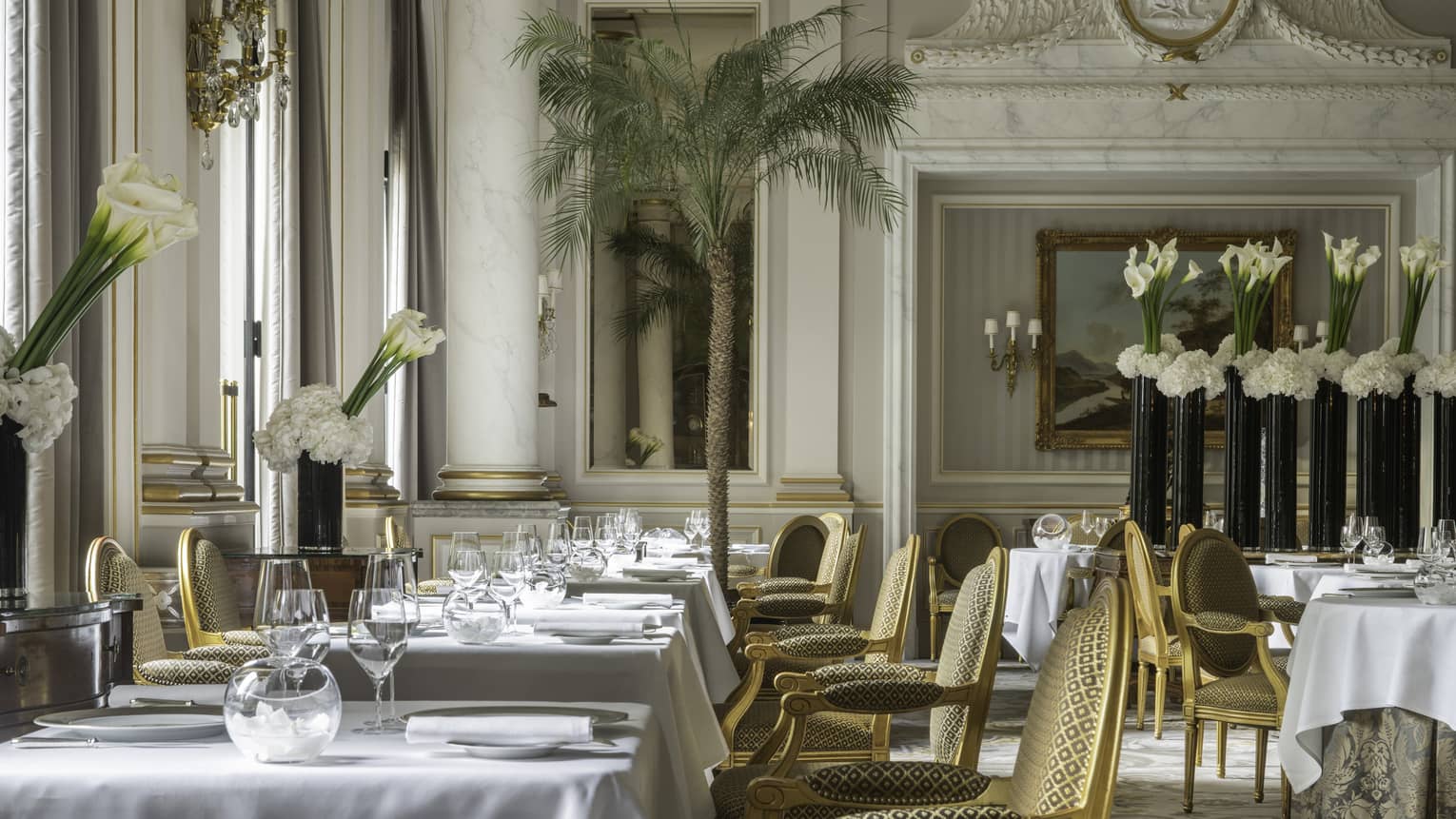
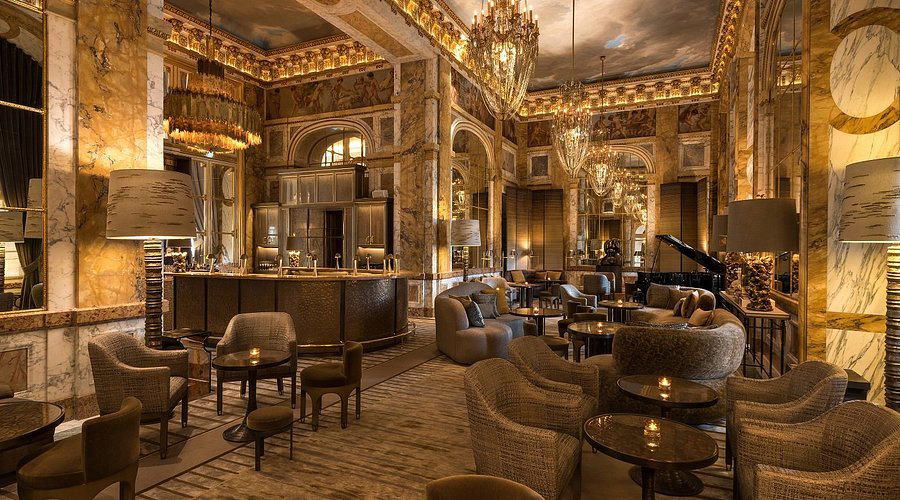
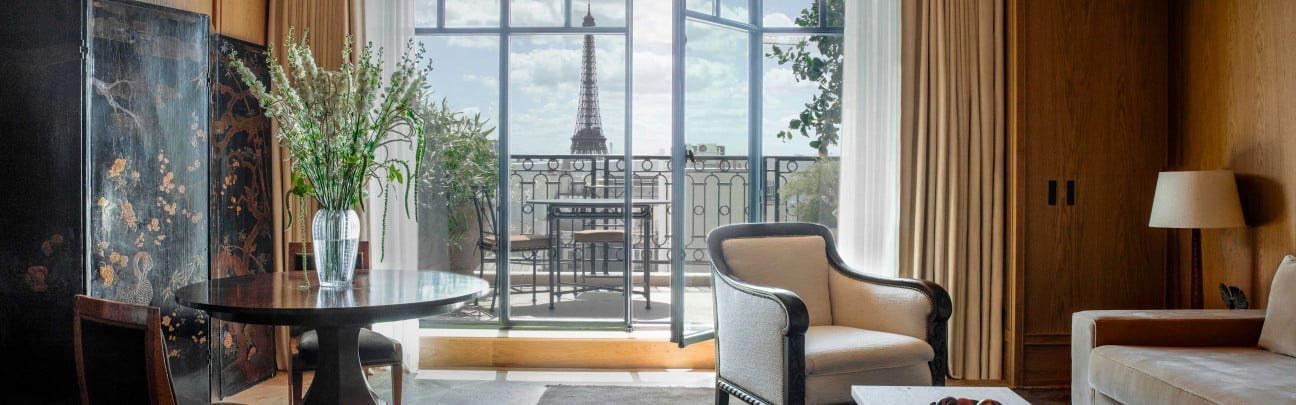
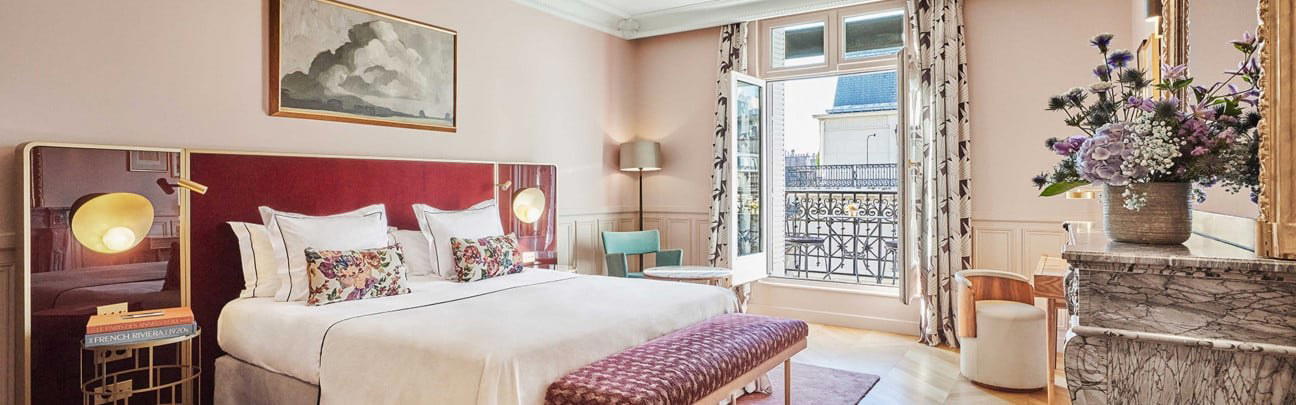
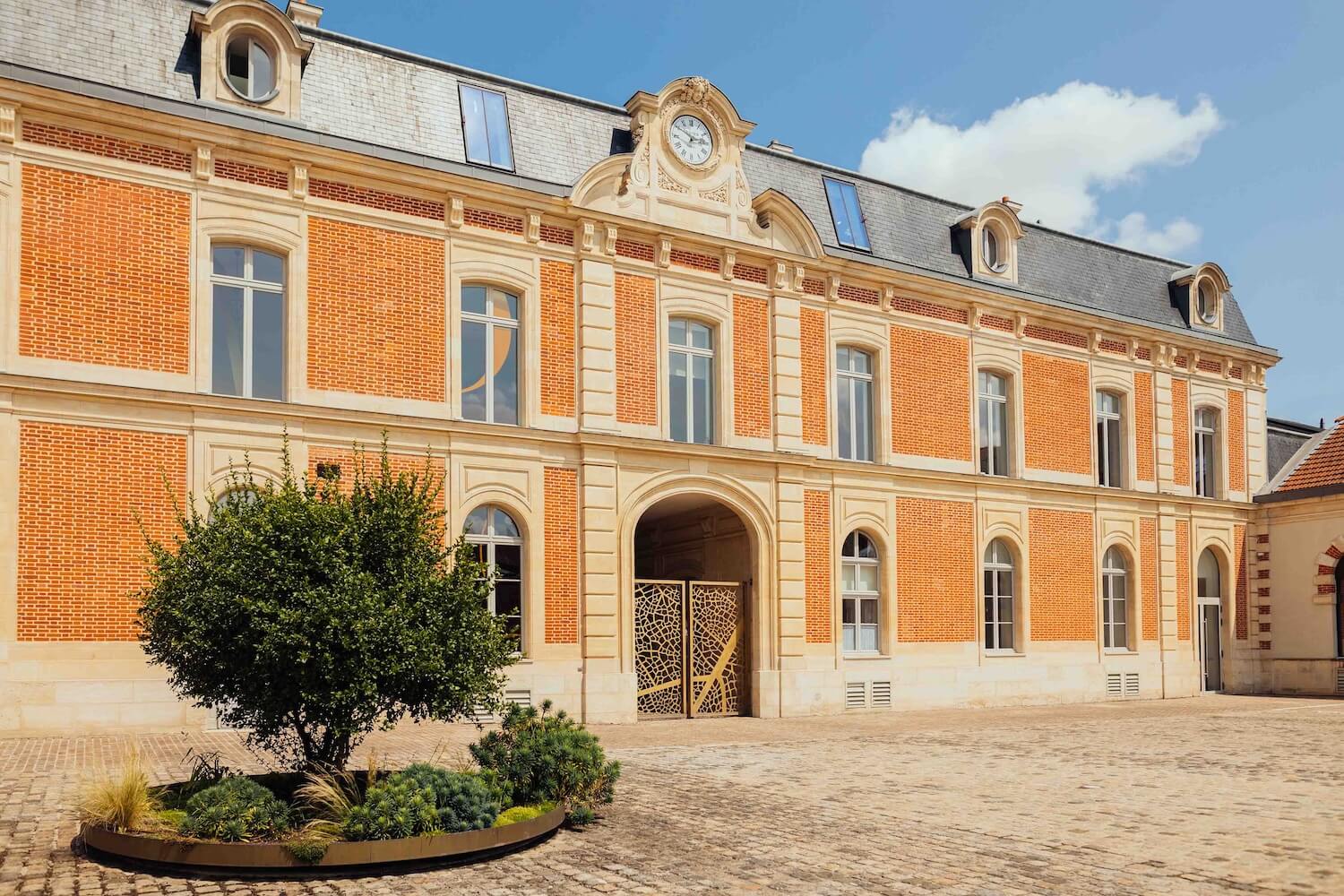
Elegant Art Deco interior with historic mosaics and intimate salon atmosphere conducive to refined conversation.