


A Michelin-starred address on Carrer de Girona, Prodigi brings seasonal Catalan cooking into a contemporary register without abandoning the traditions that define it. Chef Jordi Tarré works a concise à la carte alongside two menu formats, one midweek lunch-only option and a fuller tasting structure for evenings. Recognised by both the Michelin Guide and the We're Smart Green Guide for its vegetable-forward work, it occupies a specific niche in the Eixample dining scene.
Pearl is the En Primeur Club membership app — saves, bookings, and concierge access live there. Same editors, same standards.
- Address
- Carrer de Girona, 145, Eixample, 08037 Barcelona, Spain
- Phone
- +34 936 79 15 92
- Website
- prodigi.cat
- Directions
- Get directions
 Saves & bookings on Pearl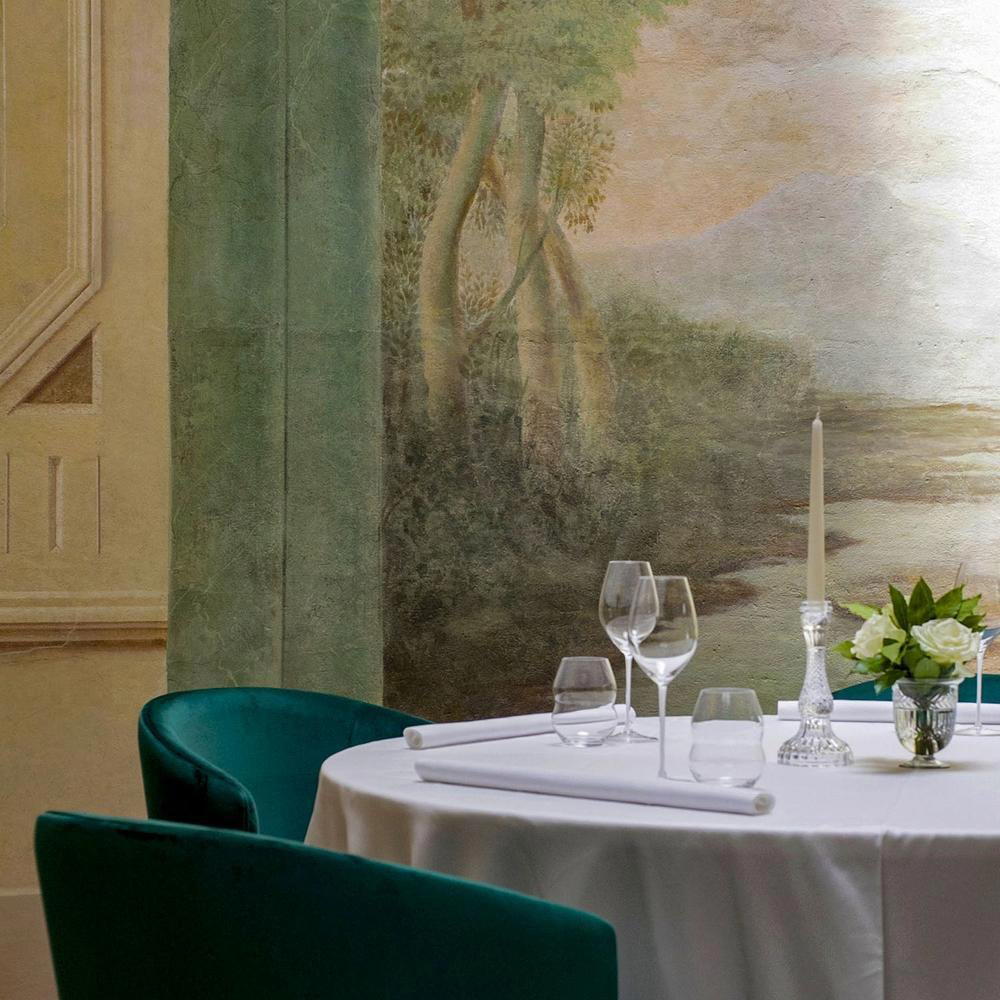
Where Eixample Dining Gets Specific
Barcelona's Eixample grid produces a particular kind of restaurant: neighbourhood-anchored, technically serious, and operating at a price point that competes with the city's mid-to-upper tier without chasing the theatrical ambition of the four-star flagships. That niche, somewhere between the accessible and the genuinely accomplished, is where restaurant Prodigi, a one-Michelin-star restaurant in Barcelona, has positioned itself at Carrer de Girona, 145. The name itself is a structural clue: formed from the first syllables of three converging streets (Provença, Diagonal, and Girona), it signals an address that is self-consciously rooted in its specific urban corner of the city.
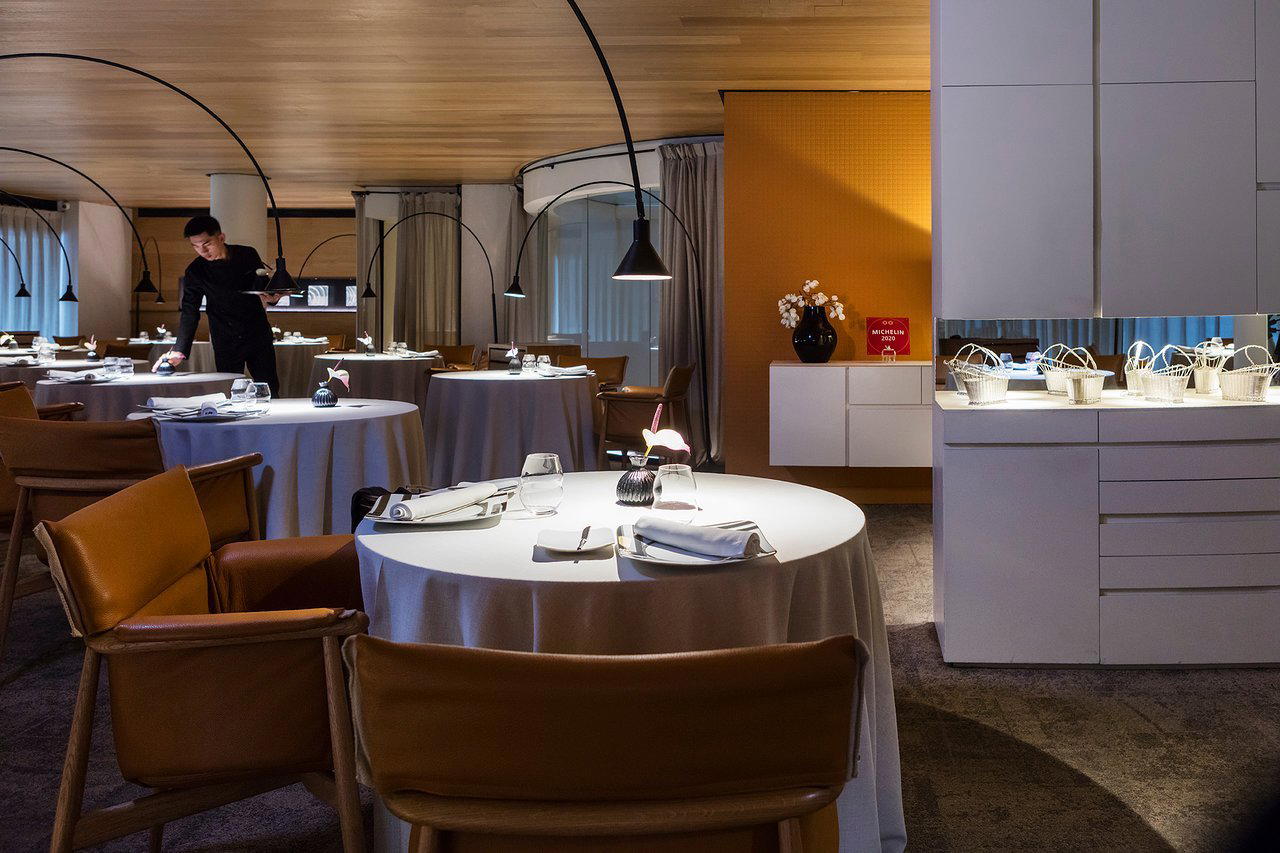
The contemporary interior frames a menu that takes seasonal Catalan ingredients as its anchor. The kitchen focuses on modern Catalan fine dining, with tradition brought into the present tense through precision rather than novelty. The frame here is tradition brought into the present tense: familiar produce and regional preparations recalibrated for precision rather than novelty. Among the comparable set of Eixample-district restaurants at the €€€ tier, that commitment to Catalan culinary identity rather than abstract creativity is a distinguishing characteristic.
The Lunch and Dinner Divide
One structurally interesting thing about Prodigi Barcelona is how differently the daytime and evening services are designed. Lunch, specifically midweek lunch, is the entry point for the more accessible menu format: a condensed offering available Tuesday through Friday between 1 PM and 3 PM that represents the clearer value proposition in financial terms. The evening service, running from 8 PM to 10 PM on the same days and extending through Saturday lunch, shifts the register toward the fuller tasting-style option.
This split is common among Michelin-starred restaurants across Spain: the midweek lunch menu serves as the broadest access point to starred kitchens, while evening slots carry both the longer format and, typically, a different atmosphere. At Prodigi, that distinction maps onto two genuinely different experiences rather than simply the same food at different price points. The midweek lunch menu is deliberately concise; the tasting menu, available evenings and Saturday service, builds across more courses and allows the kitchen to move through seasonal ingredients at a pace that the shorter format doesn't permit.
For anyone planning a visit primarily around value, the midweek lunch window is the more efficient route into what the kitchen produces. For a longer, more deliberate meal, the evening tasting format at a Michelin-starred price point in the Eixample mid-tier represents a different calculation than sitting down at, say, Angle or Quirat, which operate at the €€€€ bracket with correspondingly different scale and format expectations.
Catalan Ingredients, Contemporary Technique
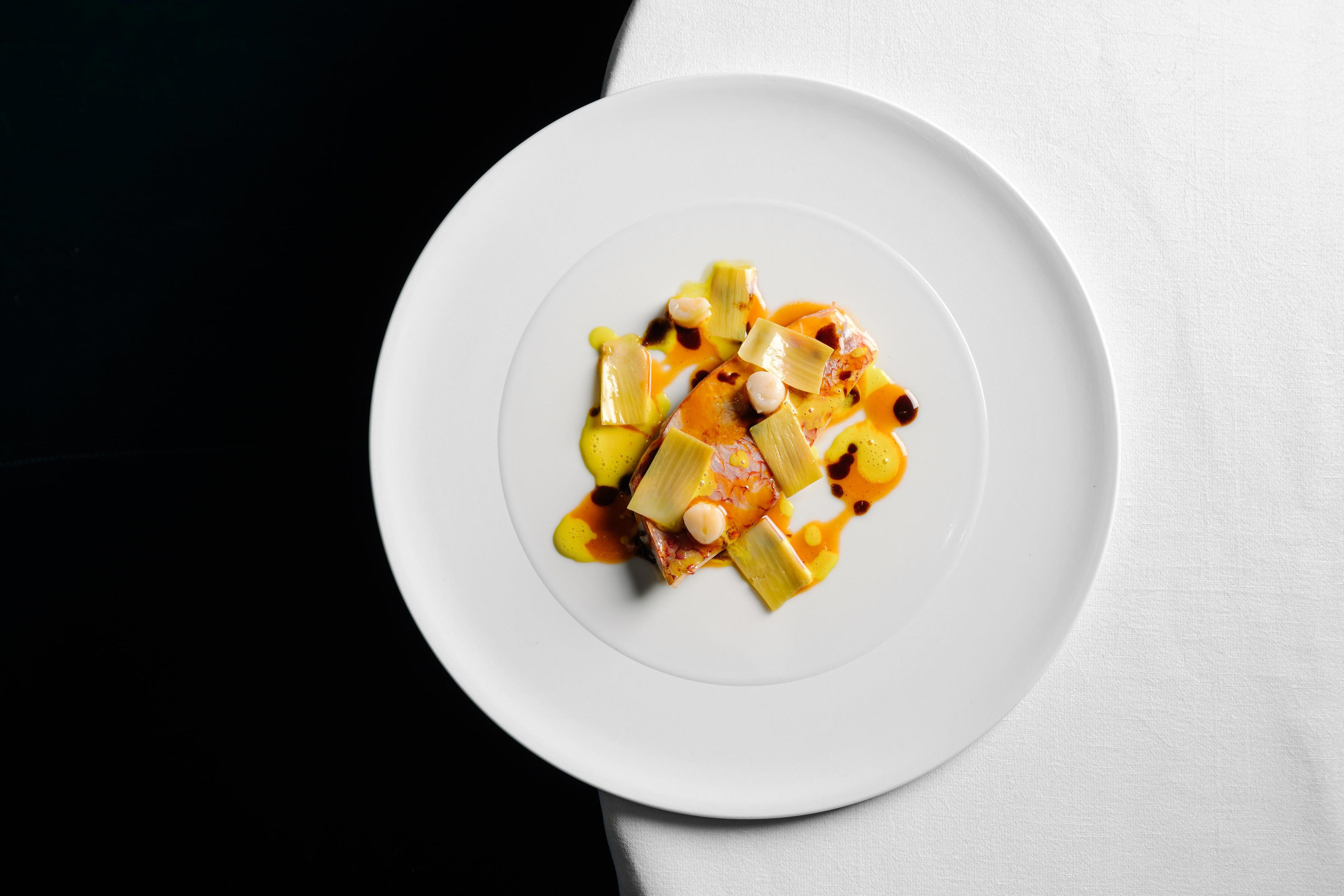
The Michelin Guide assessment points to dishes that illustrate the kitchen's approach: a red curry constructed around seasonal mushrooms, smoked baba ganoush alongside braised mini cobs and coriander sprouts, and a grilled sea bass served with tender broad beans and a salsify preparation described as "manjar blanco" (a reference to the medieval Catalan sweet-savoury dish made with shredded poultry or fish, almonds, rice, and sugar). These combinations demonstrate a kitchen that draws on culinary history while applying contemporary technique, rather than one that either nostalgically recreates tradition or ignores it entirely.
The salsify manjar blanco reference is particularly telling. That dish, which appears in Catalan medieval manuscripts and was once one of the defining preparations of the region's court cuisine, sits in tension with a contemporary grilled sea bass presentation in a way that is deliberately legible to diners who know the reference and interesting as texture and flavour even to those who don't. This is regional cooking with a long memory.
The Vegetable Program
A separate recognition thread for Prodigi comes from the We're Smart Green Guide, which evaluates restaurants on the quality and creativity of their vegetable-focused cooking. The Michelin Guide documentation notes that the kitchen's vegetable menu produced refined seasonal dishes served one by one, with the assessment team leaving with what they describe as a broadly positive response. The We're Smart recognition is notable because it sits apart from the conventional Spanish fine dining conversation, which tends to centre protein-forward tasting menus.
The practical implication for vegetable-focused diners is procedural: requesting a pure plant experience at the time of reservation is the route to accessing this format. This is a kitchen-responsive option that requires advance communication. That kind of reservation-time dialogue is common among Michelin-adjacent restaurants in Spain that have built vegetable programs alongside their main menus rather than as a direct replacement.
In the broader context of Barcelona's restaurant scene, this positions Prodigi in a different conversation from high-volume creative kitchens like Aürt or the four-star ambition of addresses like Fonda España and Barra Alta Barcelona. The vegetable focus, combined with a concise seasonal à la carte, suggests a kitchen operating with restraint rather than expansive ambition.
How It Fits the Spanish Starred Tier
Spain's Michelin-starred restaurant ecosystem is dense. At the upper end of the national conversation, restaurants like El Celler de Can Roca in Girona, Arzak in San Sebastián, and DiverXO in Madrid define their respective categories through scale, reputation, and years of accumulated recognition. Further south, Aponiente in El Puerto de Santa María, Quique Dacosta in Dénia, and Azurmendi in Larrabetzu represent regional cooking pushed to its conceptual limit. Prodigi sits in a different register entirely: a single-star address in an urban residential district, operating a concise seasonal menu without the theatrical apparatus of the country's most-discussed rooms.
That positioning is not a limitation. One-star restaurants in Spain's major cities frequently represent reliable value inside the Michelin system: the kitchen discipline required for the star is present, the menu ambition is calibrated to what the format can actually deliver, and the overall experience is less ceremony-dependent than the multi-star equivalent. Within Barcelona specifically, the single-star tier includes addresses that operate at a similar price point but with different culinary emphases. Chef Jordi Tarré's Catalan orientation gives Prodigi a more specific identity than generically "creative" peers at the same tier.
For international visitors using Spain's Michelin scene as a reference network, the comparison set extends outward. Modern cuisine restaurants at equivalent recognition levels elsewhere in Europe, such as Frantzén in Stockholm or FZN by Björn Frantzén in Dubai, operate with different structural ambitions and price architectures. Prodigi's interest lies precisely in its lack of that kind of international-expansion logic: it is a singular neighbourhood address with a specific culinary commitment and a rating that validates it without transforming it.
A 4.8 on 592 Reviews
7 across 750 reviews represents a statistically consistent signal rather than a small-sample outlier. Across Barcelona's restaurant scene, scores at this level typically indicate an operation that maintains quality across both service formats and all days of the week, rather than one that excels only under specific conditions. For a restaurant that closes on Mondays and Sundays and runs a tightly constrained service window each day, that consistency matters: the kitchen is not operating across a sprawling daily schedule, which tends to concentrate quality into a manageable number of covers.
Know Before You Go
- Address: Carrer de Girona, 145, Eixample, 08037 Barcelona
What Do People Recommend at Prodigi?
The documented Michelin Guide assessments point consistently to the kitchen's vegetable-forward dishes and the quality of seasonal ingredient handling as particularly discussed strengths. Specific preparations cited include the red curry with seasonal mushrooms, a smoked baba ganoush with braised mini cobs and coriander sprouts, and a grilled sea bass with broad beans and salsify. The We're Smart Green Guide evaluation separately highlights the refined seasonal vegetable dishes as a sequence worth requesting explicitly. Chef Jordi Tarré's work is described across both guide entries as producing dishes with elegance and layered nuance rather than volume or spectacle. The consistent signal across.
The Short List
Comparable venues nearby, for context on price, style, and recognition.
| Venue | Cuisine | Price | Notes |
|---|---|---|---|
| ProdigiThis venue — the venue you are viewing | Modern Cuisine | $$$$ | Not listed |
| Quirat | el Poble Sec, Modern Catalan Fine Dining | $$$$ | Not listed |
| Atempo | Not listed | $$$$ | l'Antiga Esquerra de l'Eixample, Contemporary French-Mediterranean Fine Dining |
| Hisop | Not listed | $$$ | Sant Gervasi - Galvany, Modern Catalan Fine Dining |
| Alkimia | Sant Antoni, Modern Catalan Fine Dining | $$$$ | Not listed |
| Aürt | Not listed | $$$$ | Diagonal Mar i el Front Maritim del Poblenou, Mediterranean-Catalan-Japanese Fusion Tasting Menu |
Recognition history
Dated appearances from independent guides and award organizations, with the underlying list record or original source where available.
Macarfi 7.9 Food Rating
Macarfi
Michelin 1 Star
Michelin
Michelin 1 Star
Michelin
We're Smart World 4 Radishes
We're Smart World
Michelin 1 Star
Michelin
Continue exploring
More in Barcelona
Restaurants in Barcelona
Browse all →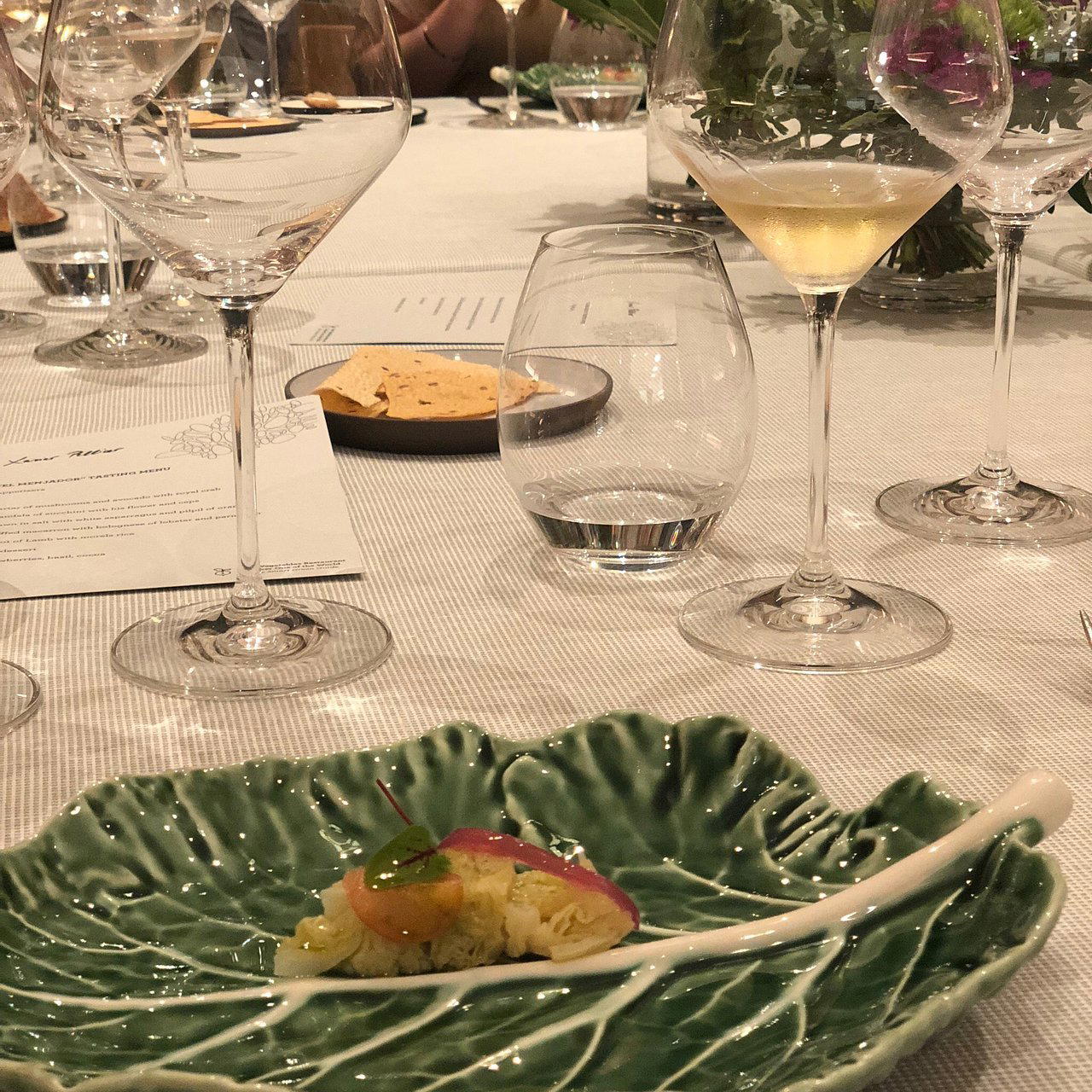
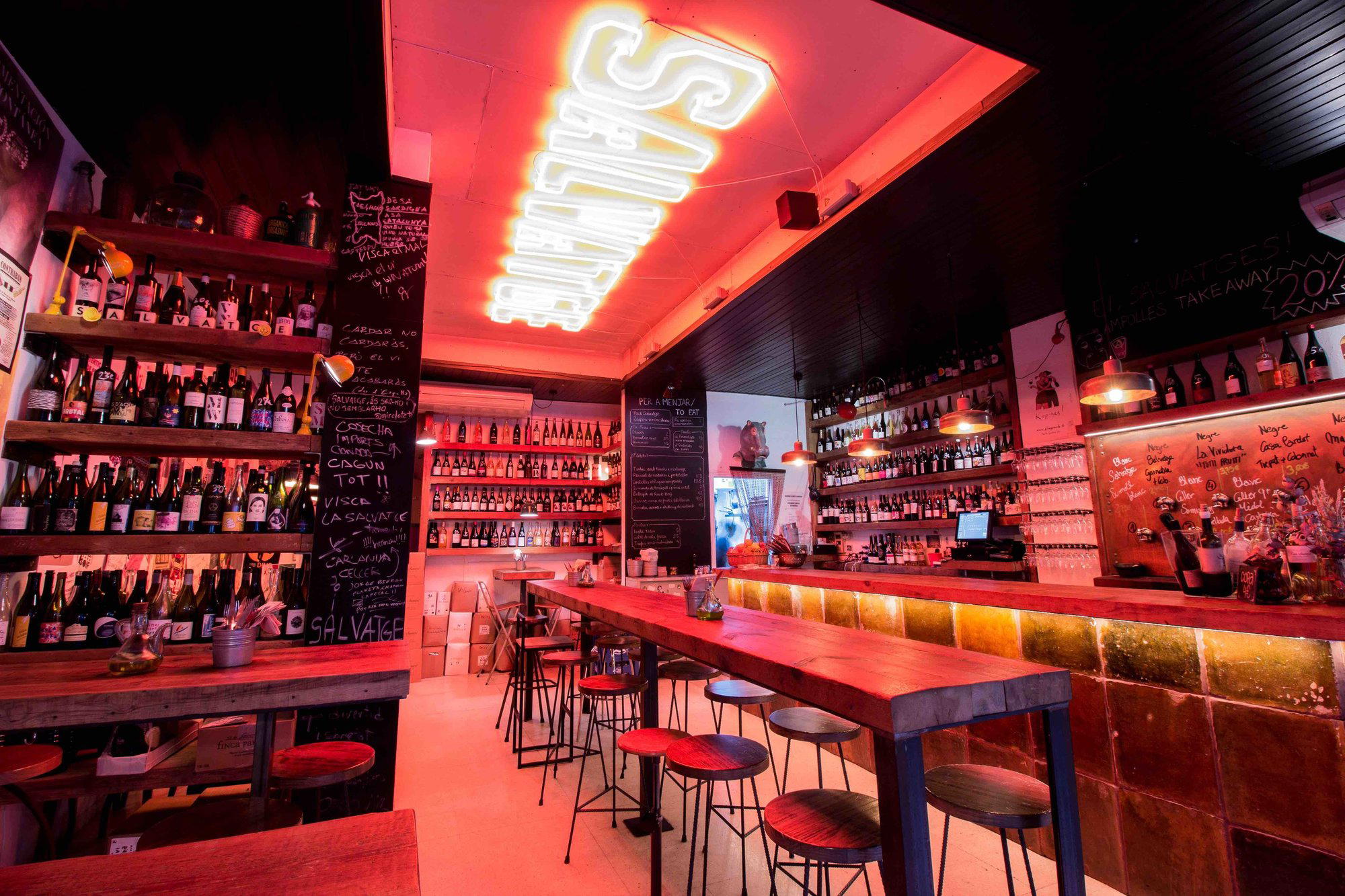
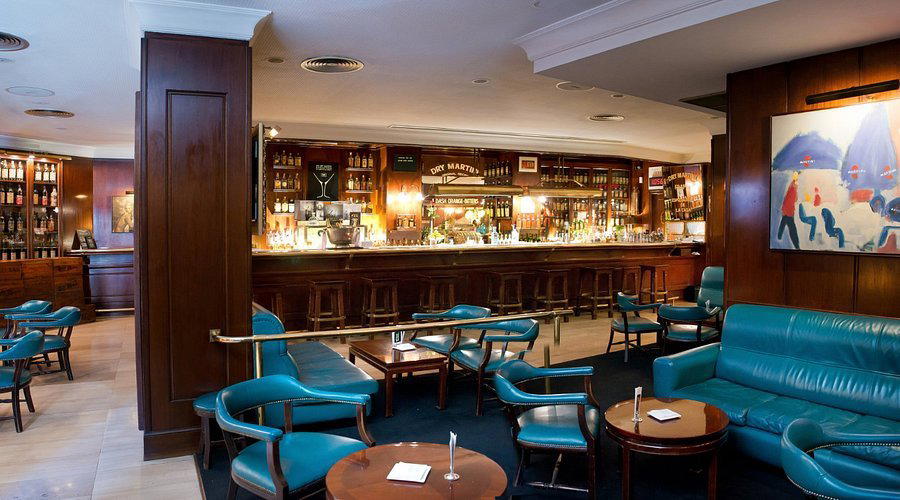
Bars in Barcelona
Browse all →

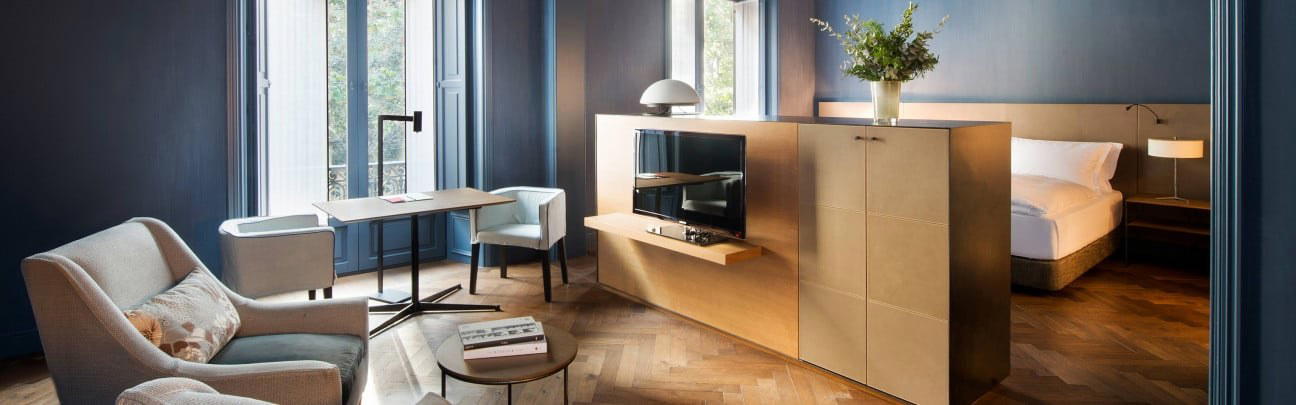
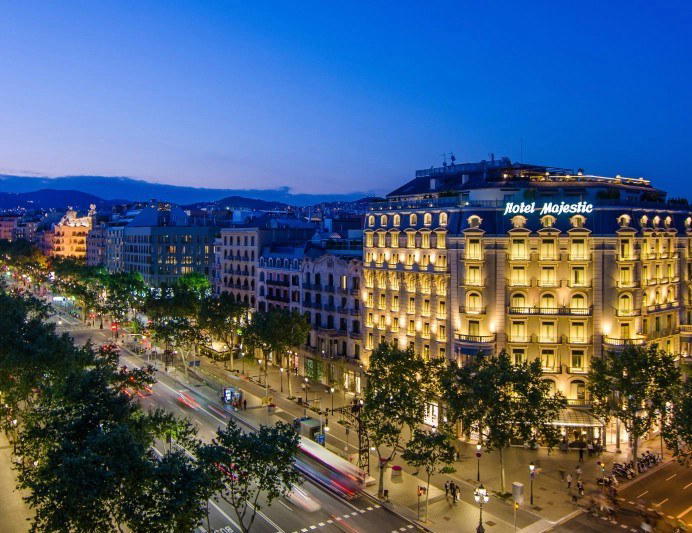
Hotels in Barcelona
Browse all →
At a Glance
- Modern
- Intimate
- Elegant
- Sophisticated
- Date Night
- Special Occasion
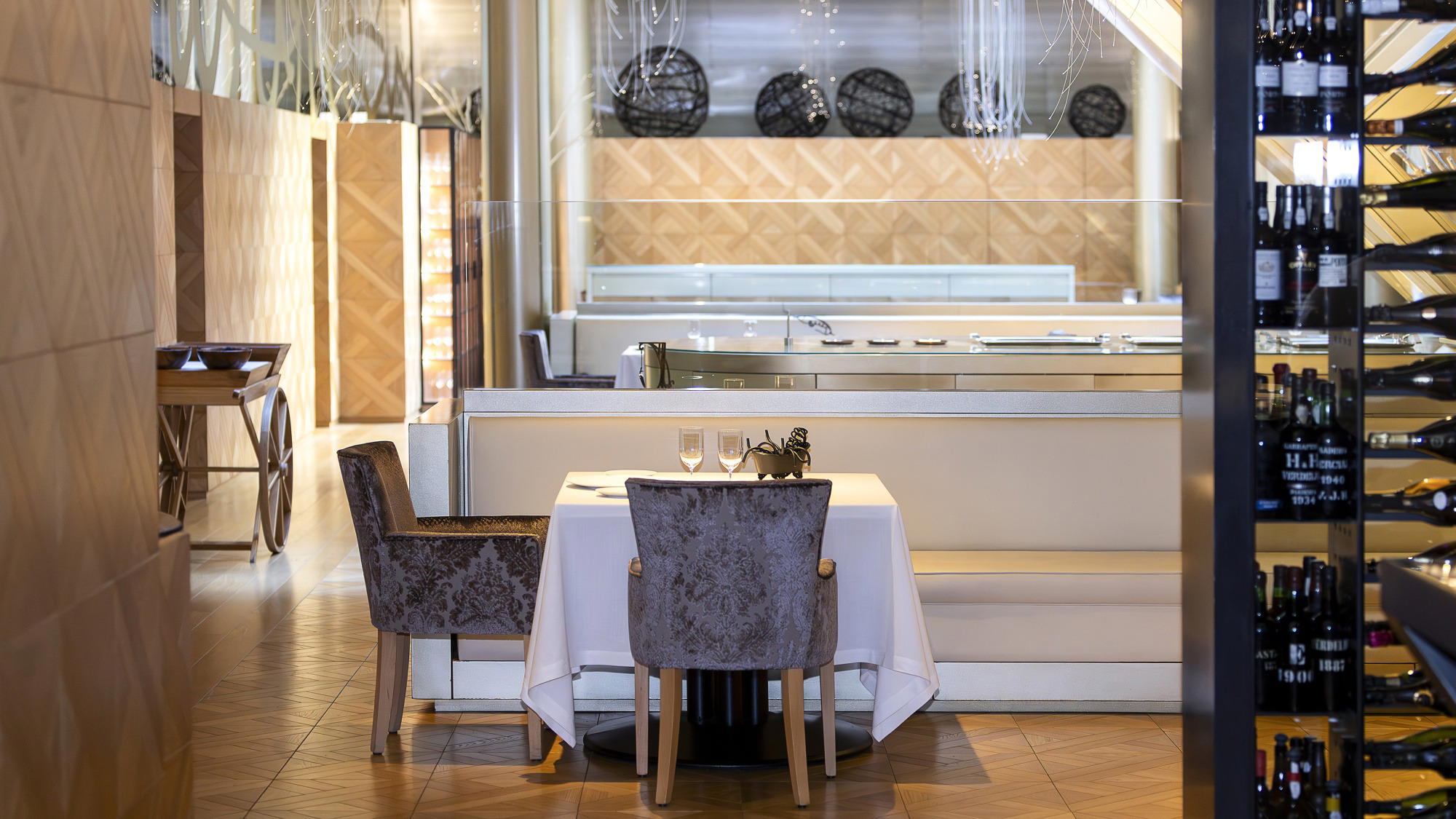
- Open Kitchen
- Extensive Wine List
Current opening hours
- Monday
- Closed
- Tuesday
- 1–3 PM, 8–10 PM
- Wednesday
- 1–3 PM, 8–10 PM
- Thursday
- 1–3 PM, 8–10 PM
- Friday
- 1–3 PM, 8–10 PM
- Saturday
- 1–3 PM, 8–10 PM
- Sunday
- Closed
Hours can change for holidays and private events. Last verified .
Modern and intimate with warm, ambient lighting conducive to confidential conversations.