Potli
Potli occupies a prominent address on King Street in Hammersmith, W6, operating within a West London neighbourhood that has developed a credible independent dining identity away from the central London circuit. The restaurant sits in the Indian dining tier that prizes regional specificity over generic curry-house convention, making it a reference point for the area's more considered South Asian cooking.
Pearl is the En Primeur Club membership app — saves, bookings, and concierge access live there. Same editors, same standards.
- Address
- 319-321 King St, London W6 9NH, United Kingdom
- Phone
- +44 20 8741 4328
- Website
- potli.co.uk
- Directions
- Get directions
 Saves & bookings on Pearl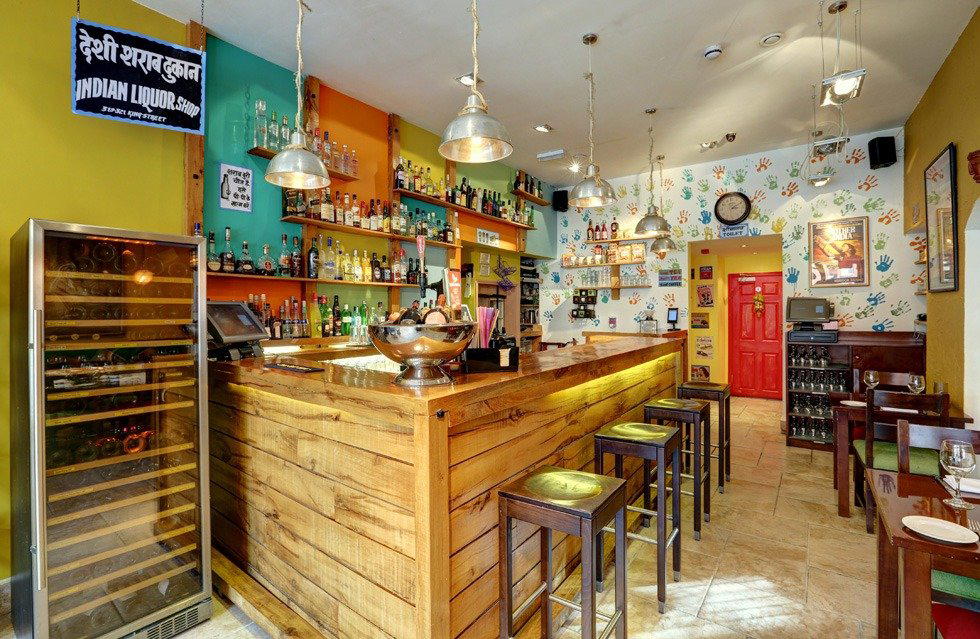
King Street's Indian Dining Tier and Where Potli Sits Within It
West London's King Street corridor in Hammersmith has, over the past decade, developed a dining identity distinct from the Mayfair-to-Soho axis that dominates most London restaurant coverage. The neighbourhood draws a local professional demographic that sustains independent restaurants with more precise culinary identities than the high-turnover curry houses that once defined Indian dining in outer London postcodes. Potli, at 319-321 King Street, occupies this more considered tier: a restaurant whose address signals a deliberate positioning away from the West End's premium Indian circuit and toward a format that values regularity and neighbourhood loyalty over destination-dining theatre.
That positioning matters for how you read the room. Indian restaurants in London currently split between two credible tracks: the central London tasting-menu format, where kitchens like Gymkhana or Brigadiers compete on provenance and technique against the wider fine-dining field, and the suburban or inner-neighbourhood model, where cooking rooted in regional Indian tradition earns its reputation through consistency rather than spectacle. Potli belongs to the second track, which in some respects makes it harder to evaluate, the reference points are less institutionalised, and the competition is less visible to critics who stay within zone one.
The Physical Container: Reading the Space on King Street
Indian restaurants at the mid-market London level often inherit spaces designed for a different hospitality era: low ceilings, compressed seating, lighting calibrated for throughput rather than atmosphere. The better operators in this tier have increasingly treated the room as a statement, warm materials, deliberate lighting, a spatial logic that encourages a longer meal rather than a fast table turn.
Potli's address at 319-321 King Street covers a double frontage, which gives the space more physical generosity than a single shopfront conversion would allow. That kind of footprint on a high street like King Street is uncommon for independent Indian operators, and it typically translates to a dining room that can accommodate both walk-in groups and more composed seated dinners without the two experiences colliding.
What distinguishes the better spaces in this tier from their more generic counterparts is the coherence between the room and the menu. When the physical environment communicates the same provenance story as the cooking, regional, specific, ingredient-forward, the dining experience has a legibility that more generic curry-house interiors lack. Potli operates within that framework, in a neighbourhood where the clientele is sufficiently food-literate to notice when those signals align.
Indian Cooking in West London: The Broader Scene
London's Indian restaurant scene has undergone substantial structural change over the past fifteen years. The shift from the generic Bangladeshi-British curry house model toward regional Indian specificity is well-documented, and it has produced a more stratified market. At the leading edge, a small number of central London operators compete with the city's wider fine-dining field and draw national and international media attention. Below that, a mid-market tier serves a local professional demographic with cooking that is more precise than its price point might suggest.
West London has historically been one of the stronger postal areas for this mid-market Indian tier, partly because of its South Asian community roots in nearby Southall and Ealing, and partly because the neighbourhood's demographics have long supported restaurants that cook to a more demanding standard than tourist-facing central London venues require. King Street sits within that tradition. For comparison, the £££ and ££££ central London Indian operators, the Gymkhanas and the Jamavar dining rooms, set the technical and provenance benchmark, but the neighbourhood mid-market tier, of which Potli is a part, has historically offered the better value argument. If you want to understand the wider London dining field that surrounds venues like The Ledbury, CORE by Clare Smyth, Sketch, The Lecture Room and Library, Restaurant Gordon Ramsay, or Dinner by Heston Blumenthal, the neighbourhood Indian tier in W6 represents a parallel and equally instructive strand of how London eats.
Beyond London, the British dining scene's most decorated addresses, The Fat Duck in Bray, L'Enclume in Cartmel, Moor Hall in Aughton, Gidleigh Park in Chagford, Hand and Flowers in Marlow, and Le Manoir aux Quat' Saisons in Great Milton, operate in a different register entirely. Internationally, the format discipline at venues like Le Bernardin in New York City and Atomix in New York City represents the far end of the tasting-menu spectrum. Potli's value is different in kind: it belongs to the category of restaurants that a neighbourhood depends on, rather than the category that draws visitors from other cities.
Planning Your Visit
Potli is located at 319-321 King Street, Hammersmith, London W6 9NH.
Reservations are recommended. Dress code: smart casual. Budget: about $30 per person.
Peers You’d Cross-Shop
Comparable venues nearby, for context on price, style, and recognition.
| Venue | Cuisine | Price | Notes |
|---|---|---|---|
| PotliThis venue — the venue you are viewing | Indian Market Kitchen | $$ | Not listed |
| Arya Bhavan Leicester Square | Authentic South Indian Vegetarian | $$ | Leicester Square |
| Red Koyla | Authentic North Indian Cuisine | $$ | Teddington |
| Gandhi's | Traditional Indian | $$ | Kennington |
| Raunka Punjab Diyan | Authentic Punjabi | $$ | Northolt |
| The Mughal's Indian Restaurant | Traditional Indian Curry House | $$ | Paddington |
Continue exploring
More in London
Restaurants in London
Browse all →
Bars in London
Browse all →
Hotels in London
Browse all →


At a Glance
- Cozy
- Trendy
- Rustic
- Group Dining
- Family
- Celebration
- Casual Hangout
- Open Kitchen
Current opening hours
- Monday
- 12–2 PM, 5:30–10 PM
- Tuesday
- 12–2 PM, 5:30–10 PM
- Wednesday
- 12–2 PM, 5:30–10 PM
- Thursday
- 12–2 PM, 5:30–10 PM
- Friday
- 12–2:30 PM, 5–10:30 PM
- Saturday
- 12–3 PM, 5–10:30 PM
- Sunday
- 1–9:30 PM
Hours can change for holidays and private events. Last verified .
Casual and authentic with Indian market decor including handprints, masks, paintings, and bangles, creating a cozy home-like atmosphere.