
Posestvo Gjerkeš sits in the Goričko region of northeastern Slovenia, a corner of the country where agricultural tradition runs deep and the distance between field and plate is measured in footsteps rather than supply chains. The address alone, a village in Rogašovci municipality, signals what kind of experience this is: rural, rooted, and shaped by the land around it. Consult our full Rogasovci guide for regional context before planning your visit.
Pearl is the En Primeur Club membership app — saves, bookings, and concierge access live there. Same editors, same standards.
- Address
- Fikšinci 49, 9262 Rogašovci, Slovenia
- Phone
- +38640882399
- Website
- gjerkes.com
- Directions
- Get directions
 Saves & bookings on Pearl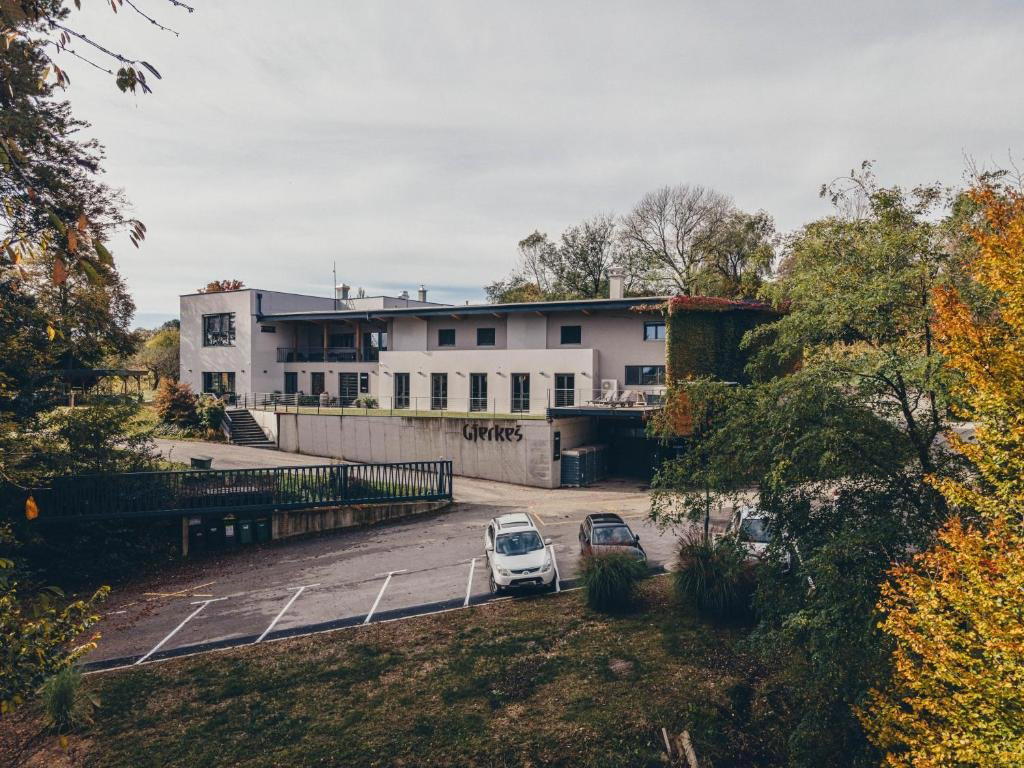
Posestvo Gjerkeš is a restaurant in Fikšinci, Rogašovci, Slovenia, serving Modern Slovenian Fine Dining at about $90 per person. Goričko's Quietly Productive Corner
Northeastern Slovenia does not announce itself. The Goričko landscape, rolling farmland, scattered villages, the occasional stork nest on a telegraph pole, sits well outside the tourist circuits that funnel visitors toward Bled's lake or Kobarid's river gorge. Rogašovci, a municipality spread across multiple settlements, is the kind of place where agriculture is not a concept but a daily practice. Posestvo Gjerkeš, addressed to the hamlet of Fikšinci, belongs to that tradition. The word posestvo translates loosely as estate or farmstead, and that framing matters: this is not a restaurant that happens to have a garden, but a property where the productive land is the point of departure for everything on the table.
That distinction separates Goričko's agricultural dining from the more polished farm-to-table formats found further west. At Grič in Šentjošt nad Horjulom, the farm-to-table credential is framed within a fine-dining architecture. Here in the Mura region, the register is different, quieter, less constructed, with the seasons doing more of the editorial work than any kitchen technique. That contrast is worth holding in mind when you arrive.
What the Region Grows and Why It Reaches the Table Differently Here
Goričko is designated a regional park, and the agricultural practices within its boundaries reflect that protected status. The area's farmers work smaller plots, rotate crops in traditional rhythms, and produce a range of ingredients, from pumpkins and buckwheat to poultry and cured meats, that carry a regional specificity rarely replicated in larger commercial supply chains. Buckwheat, in particular, is woven into the culinary identity of this part of Slovenia in ways that distinguish it sharply from the Adriatic coast or the Alpine north.
The estate format at Posestvo Gjerkeš positions it within a category of Slovenian hospitality that operates on its own terms. Where Hiša Franko in Kobarid has built international recognition on creative seasonal cooking, or where Gostilna Pri Lojzetu in Vipava frames local produce within a modern cuisine structure, a farmstead in Rogašovci operates closer to the primary source. The supply chain compression is not a marketing position but a geographic and operational reality. Ingredients do not travel far because they do not need to.
This sourcing logic places Posestvo Gjerkeš in dialogue with properties like Turistična Kmetija Breg in Brda, another agricultural estate format where the farming context shapes the hospitality rather than decorating it. Both sit in a tier of Slovenian rural dining that prioritises provenance over presentation, and where the seasonal calendar, not a printed menu, determines what is available. In this sense, they operate more honestly than venues that import the vocabulary of farm-to-table without the underlying land.
Approaching the Estate: What to Expect
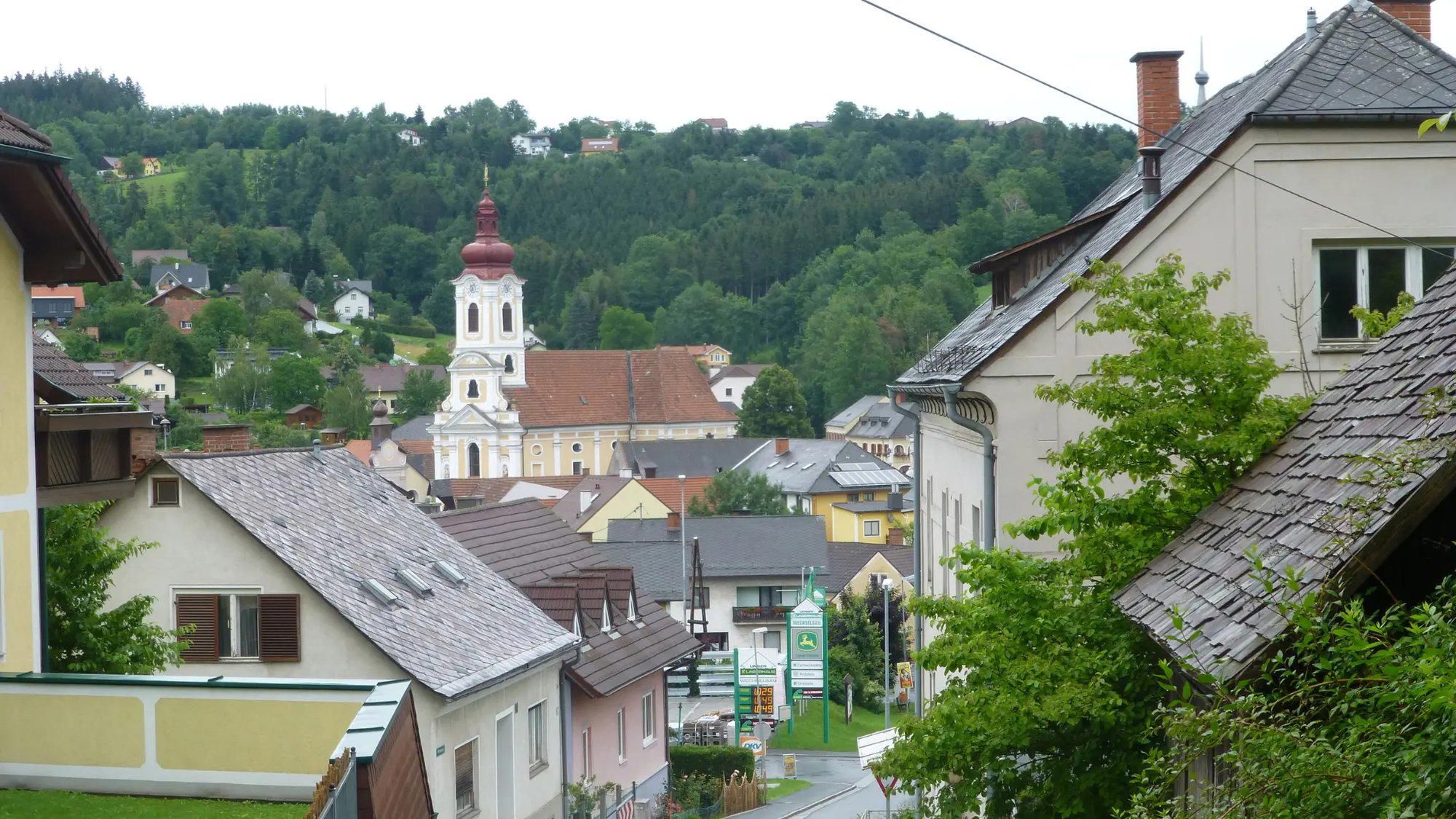
The approach to Fikšinci 49 follows roads that narrow as the village consolidates around you. There is no urban transition here, no shift from commercial strip to restaurant row. The setting is continuous with the surrounding farmland, and that continuity is one of the more honest signals the place sends. Arriving in Rogašovci is arriving in working agricultural Slovenia, and the restaurant does not attempt to cosmetically separate itself from that context.
For visitors travelling from Ljubljana, the drive northeast through Murska Sobota takes roughly two and a half hours, placing the estate firmly in the category of destination visit rather than casual detour. That travel time is, in its way, part of the experience: Goričko rewards deliberate planning, and the distance from Slovenia's capital functions as a filter that keeps this corner of the country from the day-tripper volumes that affect more accessible destinations. For those routing from Maribor, the journey shortens to around an hour and a half, making it a more accessible proposition from the country's second city.
Given the rural address and the estate format, contacting the property directly before arrival is advisable. This is a different planning calculus than booking a city restaurant like Restavracija Strelec in Ljubljana, where online reservation systems handle the logistics.
Goričko in the Broader Slovenian Dining Picture
Slovenia's dining scene has developed a clearer international profile over the past decade, driven in part by the Michelin Guide's coverage expanding to include the country and in part by the visibility of chefs working in creative registers across multiple regions. The Vipava Valley, the Soča corridor, and Ljubljana itself attract most of the editorial attention. The Mura and Goričko regions, by contrast, receive comparatively little coverage in international food media despite holding some of the country's most intact agricultural traditions.
That imbalance is starting to shift. Properties that can credibly claim short supply chains, traditional breed livestock, and heirloom grain varieties are gaining interest from a segment of food-focused travellers who have grown sceptical of venues that perform rurality without practising it. In that context, a farmstead address in Rogašovci is not a limitation but a credential.
For comparison, venues further west like Milka in Kranjska Gora or Hiša Denk in Zgornja Kungota operate in regions where tourism infrastructure is more developed and the dining context is more legible to international visitors. Goričko asks more of its guests in terms of navigation and planning, but offers in return a directness of agricultural experience that the more-visited corridors cannot fully replicate.
Readers building a Slovenian itinerary around food provenance should also consider Dam in Nova Gorica and Hiša Linhart in Radovljica for their respective regional contexts, and Gostilna Mlinar in Idrija as a study in how traditional Slovenian cuisine formats persist in smaller market towns.
Those interested in how estate and farmstead formats compare internationally might look at how ingredient provenance is handled at the other end of the sourcing spectrum, venues like Le Bernardin in New York City or Atomix in New York City build supply chain relationships at scale, a useful reference point for understanding how differently provenance can be constructed when geography and budget are not constraints.
Planning Your Visit
Reaching the restaurant requires a car; public transport to Fikšinci is not a practical option. The summer and early autumn months, when the agricultural calendar is at its most active and regional produce is at peak availability, represent the period when a farmstead visit in Goričko makes most immediate sense. Spring offers a different register, with the estate transitioning between seasons in ways that are visible in the surrounding fields. Advance communication with the property is strongly recommended given the rural location and the operating format typical of estate venues in this region.
Quick Comparison
Comparable venues nearby, for context on price, style, and recognition.
| Venue | Cuisine | Price | Notes |
|---|---|---|---|
| Posestvo GjerkešThis venue — the venue you are viewing | Modern Slovenian Fine Dining | $$$$ | Not listed |
| Gostilna pri lipi | Traditional Slovenian | $$ | Lackova cesta |
| Gostilna Vernik | Traditional Slovenian Game & Seasonal Cuisine | $$ | Ruše |
| Nova Rajngla | Modern Slovenian Freshwater Fish | $$$ | Preserje |
| Grič | Slovenian Fine Dining | $$$$ | Dobrova-Polhov Gradec |
| Slaščičarna Ilich | Traditional Slovenian Pastry Shop & Cafe | $$ | old town |
Recognition history
Dated appearances from independent guides and award organizations, with the underlying list record or original source where available.
Falstaff Winery - Listed
Falstaff
Falstaff Restaurant - 92 Falstaff Points
Falstaff
Continue exploring
More in Rogasovci
Restaurants in Rogasovci
Browse all →
Bars in Rogasovci
Browse all →
Hotels in Rogasovci
Browse all →
At a Glance
- Scenic
- Quiet
- Rustic
- Cozy
- Date Night
- Special Occasion
- Celebration
- Business Dinner
- Private Event
- Wine Cellar
- Terrace
- Garden
- Private Dining
- Standalone
- Extensive Wine List
- Local Sourcing
- Farm To Table
- Vineyard
- Garden
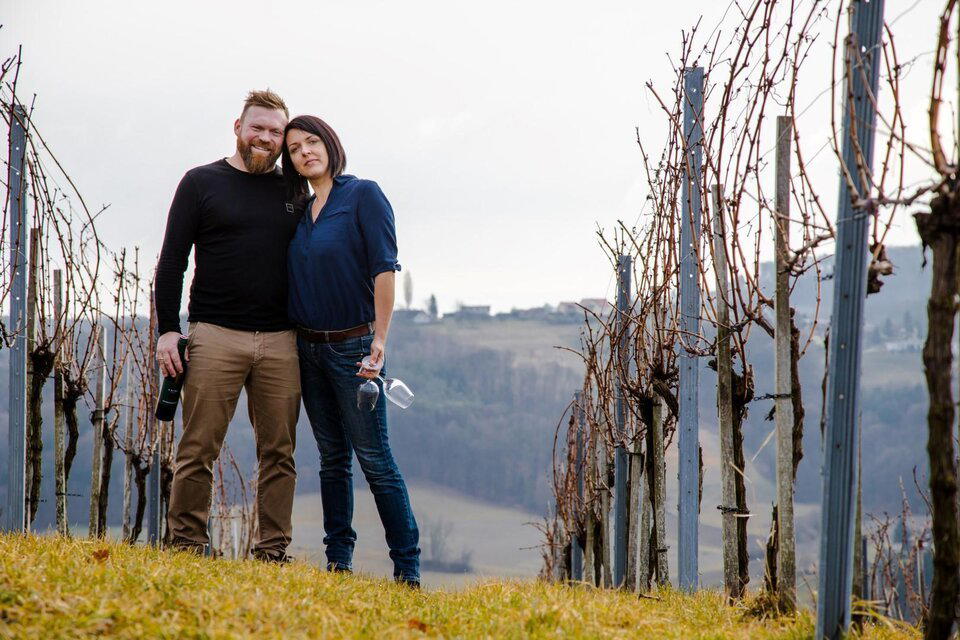
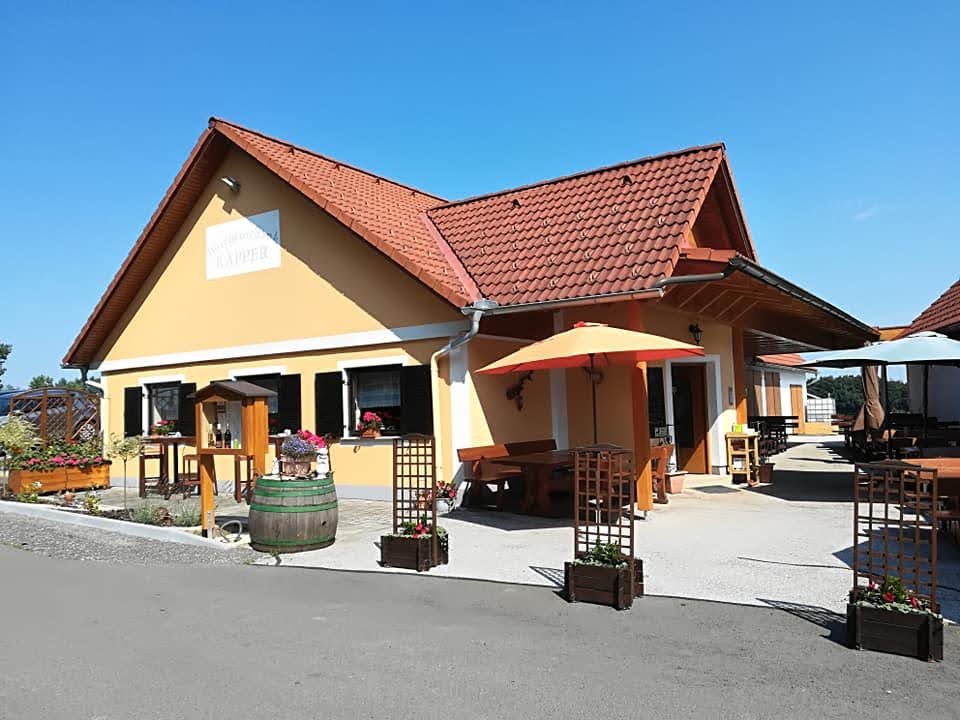
A calm countryside setting surrounded by vineyards, forest and garden views, with a modern wine-estate atmosphere.