Podmore

Podmore brings a continental precision to downtown Honolulu's Merchant Street, applying New American technique to Hawaii's exceptional local pantry. Ranked #201 on Opinionated About Dining's Casual North America list in 2025, it draws a loyal midday crowd on weekdays and shifts into a more deliberate dinner register Tuesday through Saturday. Chef Anthony Rush leads a kitchen that treats the island's produce and proteins as a starting point, not a backdrop.
Pearl is the En Primeur Club membership app — saves, bookings, and concierge access live there. Same editors, same standards.
- Address
- 202 Merchant St, Honolulu, HI 96813
- Phone
- (808) 521-7367
- Website
- barpodmore.com
- Directions
- Get directions
 Saves & bookings on Pearl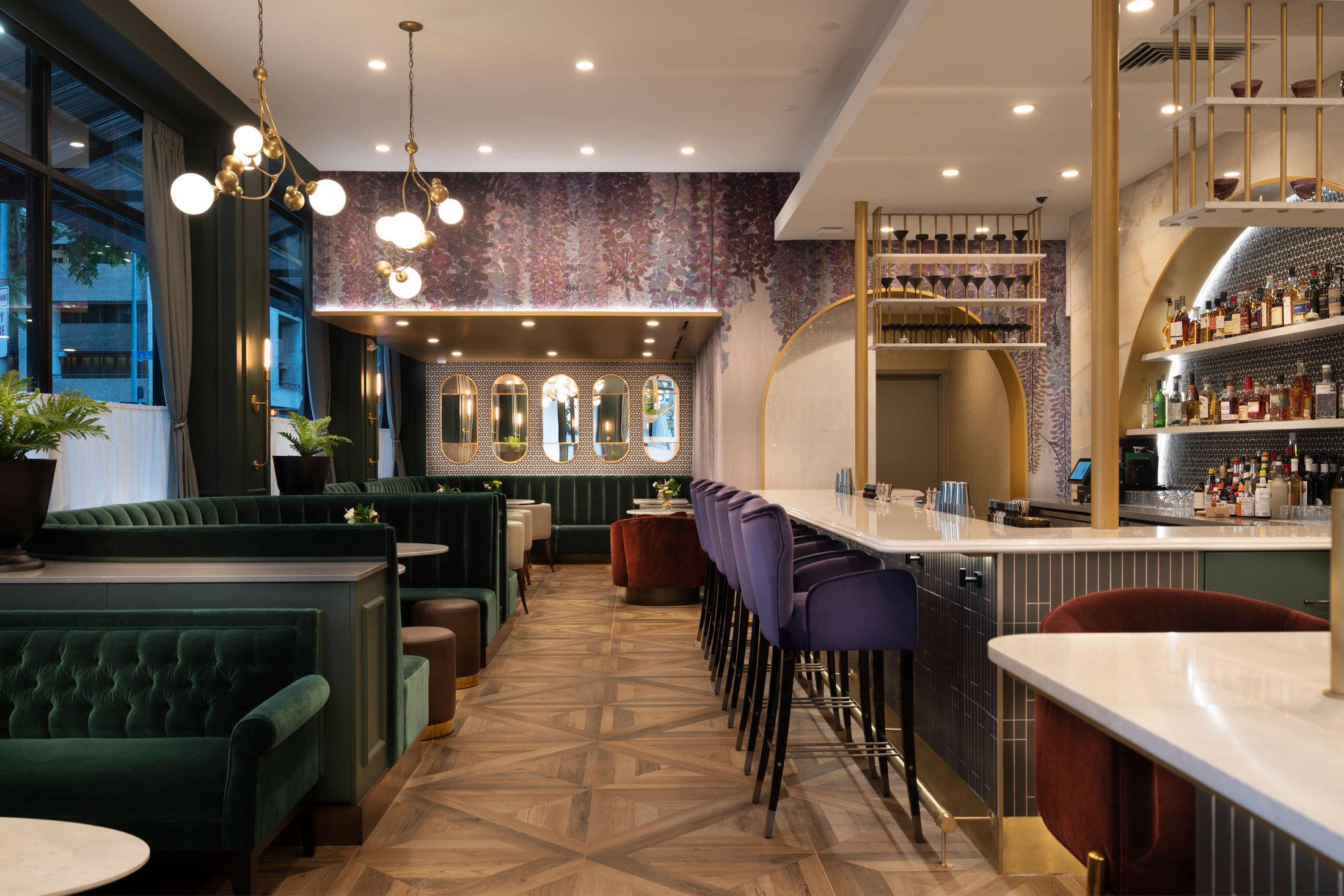
Merchant Street and the New American Question in Honolulu
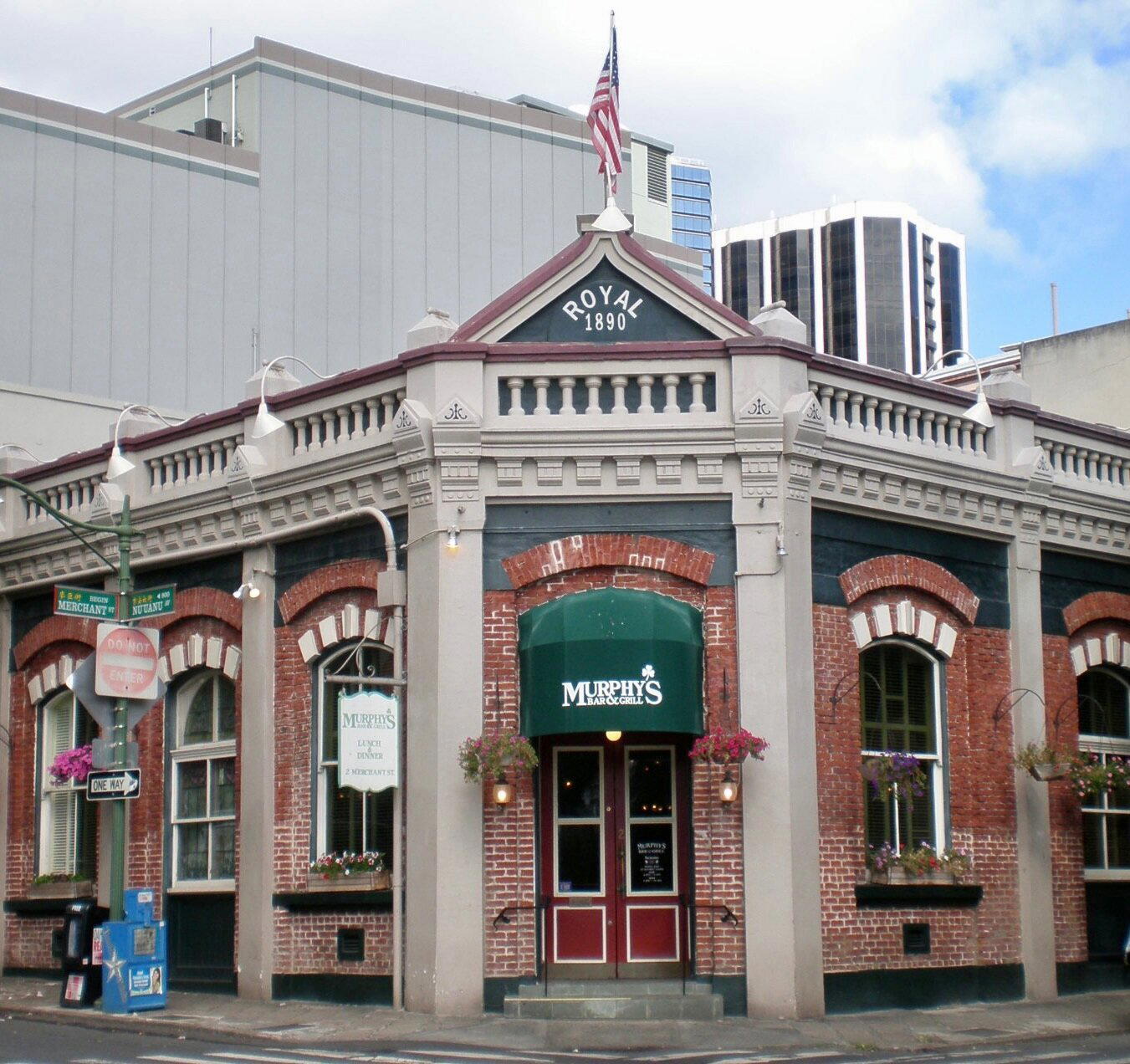
Downtown Honolulu's Merchant Street carries a different register than the resort corridors of Waikiki or the boutique restaurant clusters of Kaimuki. The buildings are older, the foot traffic more office-and-courthouse than tourist, and the restaurants that take root here tend to answer to a local clientele with specific expectations: cook the islands' produce seriously, don't oversell the Hawaiian angle, and earn repeat business. Fête has occupied a version of that space for years, and Town has long been the standard-bearer for locally grounded New American cooking in the city. Podmore, at 202 Merchant Street, sits in the same conversation.
The New American category in a place like Honolulu is both obvious and complicated. Obvious because the islands supply ingredients that most continental kitchens can only access in compromised form: certain fish hours off the boat, fruit at actual ripeness, livestock raised in a specific climate. Complicated because the technique vocabulary — French foundations, Japanese precision, American casualness — arrives here via chefs trained elsewhere, and the question of how that training intersects with what Hawaii actually grows and catches is answered differently at every kitchen in the city.
Where Podmore Sits in the Honolulu Dining Scene
Opinionated About Dining ranked Podmore #230 on its Casual North America list in 2024, then moved it up to #201 in 2025. That upward movement on a list that covers the entire continent is a meaningful signal: the kitchen improved, or the broader dining community caught up to what it was already doing. Either reading positions Podmore inside the tier of serious casual restaurants that compete on culinary merit rather than concept or spectacle.
The comparison set here is instructive. New American casual dining at this level in other American cities tends to anchor itself in either hyper-local sourcing narratives or in technical ambition borrowed from fine dining. Lazy Bear in San Francisco operates at the technically ambitious end; Single Thread Farm in Healdsburg builds its identity around the farm-to-table continuum. Honolulu's geography makes the sourcing argument almost automatic, the supply chain compresses to something you can't replicate in a landlocked city, which shifts the editorial weight onto technique and restraint. What does a kitchen actually do with all of that?
Podmore's position under chef Anthony Rush places it in a category of Hawaii restaurants where continental training is applied to local material without the result feeling like a culture clash. That approach has antecedents in how New American cooking matured on the mainland: the generation of chefs after Escoffier-trained pioneers like Susan Spicer at Bayona in New Orleans or the kitchens that fed into The Inn at Little Washington learned to treat regional identity as an ingredient rather than a theme. Hawaii's version of that maturation has been slower, partly because the resort economy created incentives to perform tropical abundance rather than cook it cleanly.
Local Ingredients, Imported Methods
The intersection of global technique and indigenous products is where Honolulu's serious kitchens are most worth watching, and where Podmore earns its OAD ranking. Hawaii's agricultural variety is narrow by continental standards, the island chain doesn't produce the grain diversity or the dairy culture of the Midwest, for instance, but in certain categories it operates at a level that mainland chefs would need a different country's supply chain to match. Certain reef and deep-water fish species, specific tropical fruits, taro, and locally raised proteins represent a pantry with genuine competitive advantages.
The New American frame matters here because it licenses culinary promiscuity in a way that French or Italian genre conventions wouldn't. A New American kitchen can apply Japanese knife discipline to a local fish, French sauce construction to a Hawaiian root vegetable, and American portion pragmatism to a dessert course, without any of those choices reading as incoherent. That elasticity is a feature, not a bug, and it's what allows a place like Podmore to sit on the same OAD list as serious casual restaurants in cities with very different supply and cultural contexts. For further comparison within fine and polished New American cooking, the technical standard set by Le Bernardin in New York City or the genre-bending ambition of Alinea in Chicago represents the outer range of what the category can absorb; Podmore operates in a more grounded, accessible register while still drawing from that broader tradition.
Among Honolulu alternatives operating in adjacent or overlapping territory, PAI Honolulu takes a tighter focus on Hawaiian and Pacific ingredients, while Mariposa operates inside the Neiman Marcus building at Ala Moana with a different audience entirely. Arancino at The Kahala anchors the Italian end of Honolulu's non-resort fine dining, offering a useful contrast in how a fixed European genre handles local ingredients compared to the more flexible New American approach. Podmore's downtown address keeps it out of the resort orbit entirely, which affects both who eats there and what the kitchen chooses to prioritize.
Planning a Visit
Podmore operates Tuesday through Friday from 11am to 10pm, extending to 11pm on Friday. Saturday service runs dinner only, 5 to 11pm. The restaurant closes Sunday and operates a lunch-only format on Monday, from 11am to 2pm. That structure reflects a downtown professional clientele that drives weekday lunch volume and a more deliberately curated weekend dinner service. The Saturday dinner-only format in particular suggests a kitchen that calibrates its most considered cooking to evenings when the pace allows it.
For a restaurant operating in the OAD Casual North America top 250, that consistency is part of the value proposition. Reservations, dress code, and pricing are best confirmed directly with the restaurant before visiting, as those details can shift with menu revisions and service format changes.
For broader context on where Podmore sits within Honolulu's dining, drinking, and hospitality options, see our full Honolulu restaurants guide, our full Honolulu bars guide, our full Honolulu hotels guide, our full Honolulu wineries guide, and our full Honolulu experiences guide.
Compact Comparison
A quick peer list to put this venue’s basics in context.
| Venue | Cuisine |
|---|---|
| PodmoreThis venue — the venue you are viewing | New American |
| Fête | New American |
| Arancino at The Kahala | Italian |
| Bar Maze | Cocktail Bar-Omakase |
| Fujiyama Texas | Japanese |
| Ginza Bairin | Japanese |
Recognition history
Dated appearances from independent guides and award organizations, with the underlying list record or original source where available.
Opinionated About Dining Casual in North America Recommended
Opinionated About Dining
Opinionated About Dining Casual in North America Ranked #201
Opinionated About Dining
Opinionated About Dining Casual in North America Ranked #230
Opinionated About Dining
Continue exploring
More in Honolulu
More from Chef Anthony Rush
Browse all →
Restaurants in Honolulu
Browse all →
Bars in Honolulu
Browse all →
At a Glance
- Cozy
- Elegant
- Trendy
- Sophisticated
- Date Night
- Brunch
- Happy Hour
- Casual Hangout
- Historic Building
- Open Kitchen
- Craft Cocktails
- Local Sourcing
- Street Scene
Current opening hours
- Monday
- Closed
- Tuesday
- 3:30–10 PM
- Wednesday
- 11 AM–10 PM
- Thursday
- 11 AM–10 PM
- Friday
- 11 AM–11 PM
- Saturday
- 10 AM–11 PM
- Sunday
- 9 AM–2 PM
Hours can change for holidays and private events. Last verified .
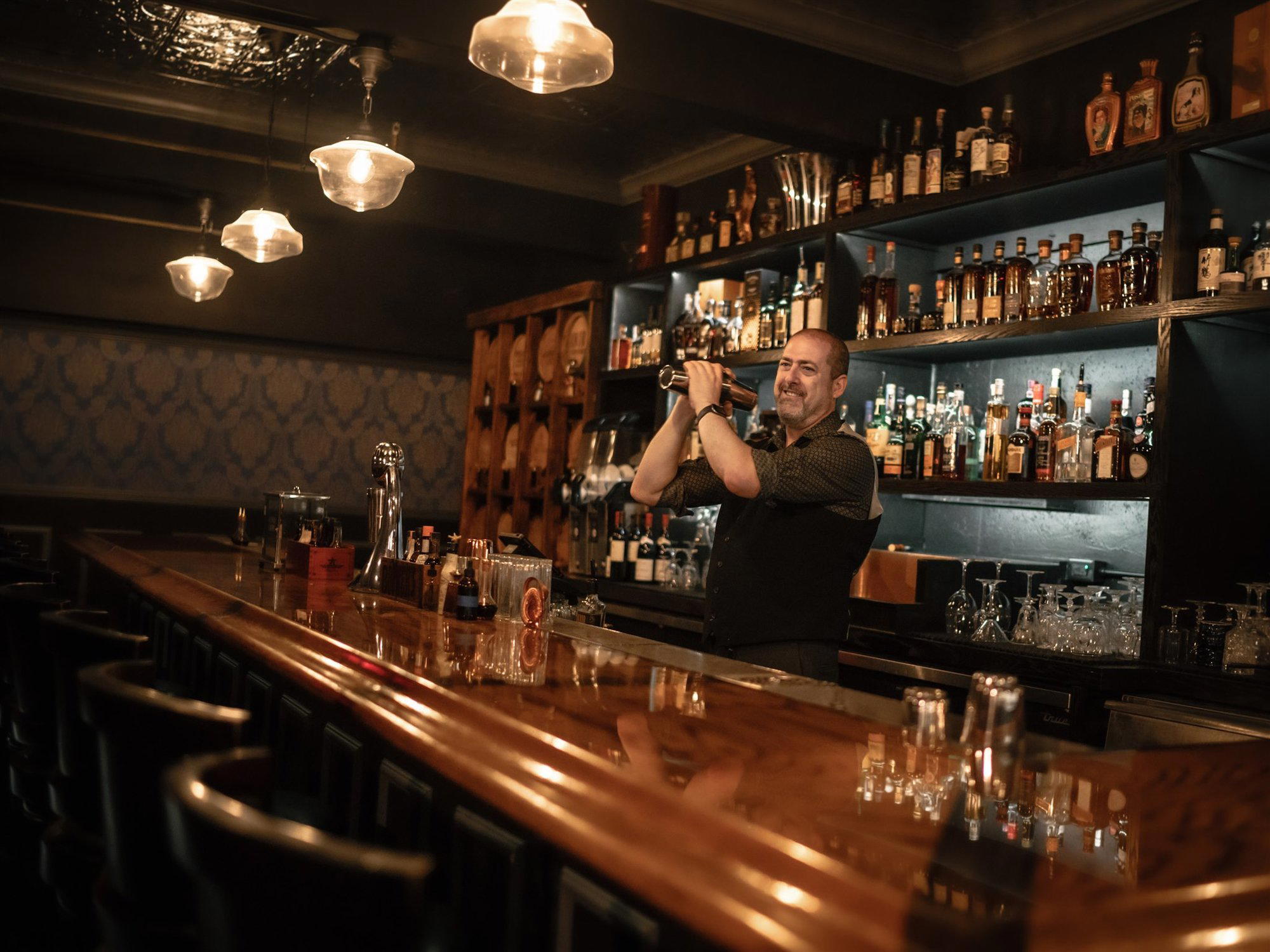
Cozy and stylish with warm lighting, emerald green velour seats, velvet booths, and award-winning interiors in a historic building.
Know Before You Go
- Getting there
- 202 Merchant St, Honolulu, HI 96813