Planta Queen
Planta Queen serves plant-based Asian fusion in an upscale-casual, lively room with an open kitchen, craft cocktails, and a sake program at 15 W 27th St.
Pearl is the En Primeur Club membership app — saves, bookings, and concierge access live there. Same editors, same standards.
- Address
- 15 W 27th St, New York, NY 10001
- Phone
- +1 917 675 7700
- Website
- plantarestaurants.com
- Directions
- Get directions
 Saves & bookings on Pearl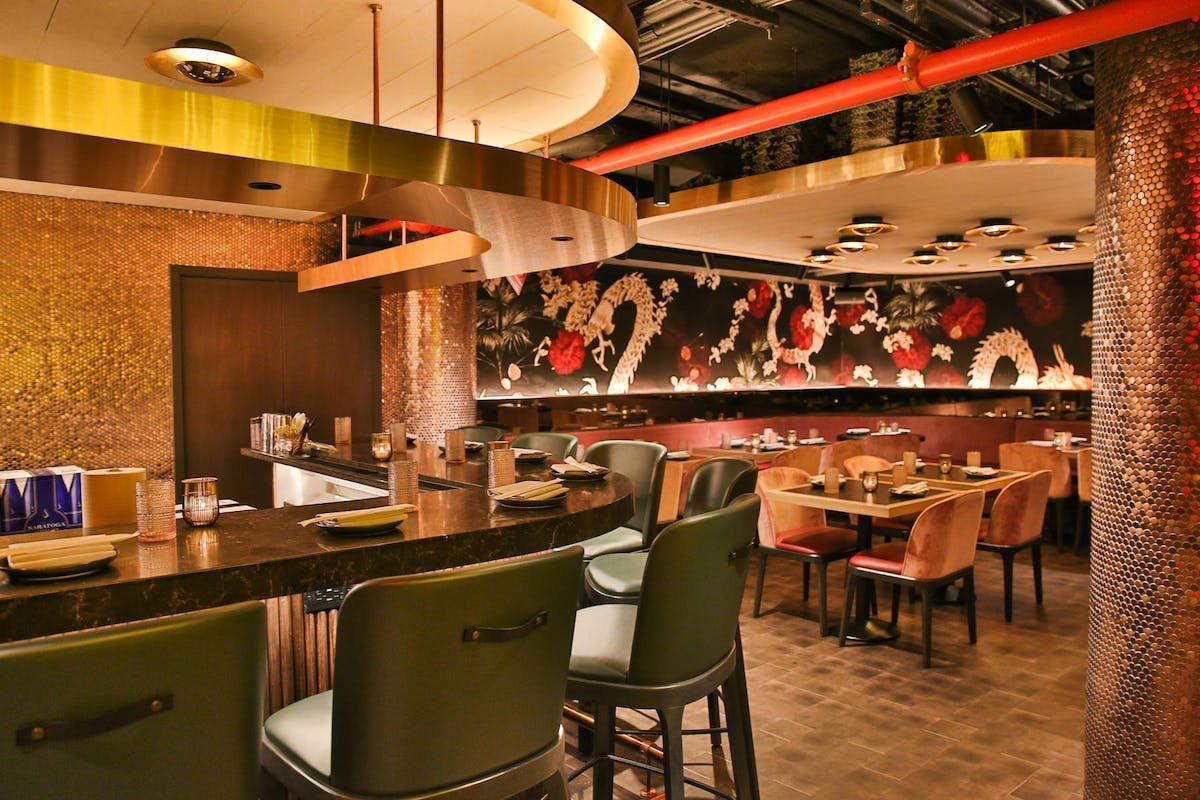
Plant-Forward Dining in the NoMad District
West 27th Street between Fifth and Sixth Avenues sits inside a corridor that has accumulated a quiet density of serious restaurants over the past decade. The block does not announce itself the way Midtown's trophy addresses do, which makes arriving at Planta Queen feel more deliberate, the kind of table you chose rather than defaulted to. The dining room at 15 W 27th St operates within the broader New York conversation about what plant-based cooking is actually capable of when it moves past substitution logic and starts building dishes from first principles.
That conversation has sharpened considerably since Eleven Madison Park pivoted to an entirely plant-based tasting menu in 2021 and held its three Michelin stars through the transition. The signal that move sent, that vegan cooking could sit at the summit of the fine-dining hierarchy without apology, changed the reference frame for every plant-focused restaurant that followed. Planta Queen operates in a different price tier and with a different format, but it exists in a dining culture that now takes the category seriously.
The Ritual of the Meal: How the Experience Unfolds
Planta Queen draws from pan-Asian culinary traditions, which shapes the pacing of the meal in ways that distinguish it from a conventional Western tasting or prix fixe format. Pan-Asian dining has its own grammar: dishes arrive in a sequence that is less linear than French-derived formats and more relational, with the table as the organizing unit rather than the individual plate. Sharing is the operative mode, which means the experience rewards groups who are willing to order across the menu rather than retreating to safe individual picks.
This structural approach places Planta Queen closer to the communal logic of a Korean banchan spread or a dim sum service than to the sequential procession of a counter like Masa, where the chef controls every beat of the meal. The diner here has agency and some responsibility: the quality of the experience depends partly on how the table orders. Go too narrow and the meal flattens; order across categories and the kitchen's range becomes apparent.
Plant-based pan-Asian cooking also demands a different attentiveness from the diner. Without the shorthand of proteins that anchor more familiar menus, the dishes communicate through texture contrast, umami depth from fermented and aged ingredients, and the weight that comes from fat sources like coconut, sesame, and nut-based preparations. Readers who approach the menu with those codes in mind will find more to pay attention to than those scanning for a direct analogue to a meat-based dish they already know.
Where Planta Queen Sits in the New York Plant-Based Scene
New York's plant-based restaurant tier has split into at least three distinct groups. At the apex sit tasting-menu operations where the absence of animal products is a conceptual choice embedded in a larger fine-dining framework. In the middle sits a category of polished, full-service restaurants where plant-based cooking is the format but the atmosphere and pricing are closer to a mainstream upscale dining room. Below that is a much larger group of fast-casual and health-oriented spots where the product is defined primarily by dietary function rather than culinary ambition.
The restaurant operates in the middle tier, which is interesting and competitive space in the city right now. The challenge in that tier is legibility: restaurants have to signal clearly that they are doing something beyond menu substitution while remaining accessible enough to draw diners who are not arriving with a prior commitment to plant-based eating. The pan-Asian framework helps with that signal, because the reference cuisines, Japanese, Chinese, Korean, Southeast Asian, have deep traditions of vegetable-forward and fermented-ingredient cooking that predate the modern plant-based category entirely.
For comparison, Atomix in Midtown East works with Korean culinary tradition at the haute end of the spectrum, with a tasting menu that commands significant spend per head. The restaurant is not competing in that format. Its comparable set is the group of restaurants where the dining experience is substantial and the cooking is taken seriously, but the format stays accessible and the meal does not require a three-month calendar commitment to execute.
Across the country, the broader movement toward ingredient-driven, produce-led cooking is visible at places like Blue Hill at Stone Barns in Tarrytown, where the farm-to-table ethos runs through the entire operation, or Single Thread Farm in Healdsburg, where the vegetable program is as carefully considered as any protein on the menu. These are not direct comparators to the restaurant in format or price, but they are part of the same larger shift: serious cooking attention being directed at what grows from the ground.
NoMad as a Dining Context
The neighborhood around 27th Street and Broadway has been refashioning itself for years. The Flatiron and NoMad districts now hold a concentration of restaurants across multiple categories and price points, which means the restaurant is not operating in isolation but in a neighborhood where diners are already making deliberate choices. That context matters: restaurants in high-competition corridors have less room to coast on novelty and more pressure to deliver on a repeat-visit basis.
For a wider view of what New York's dining scene offers across categories and neighborhoods, the EP Club New York City restaurants guide covers the full range, from formal French rooms like Le Bernardin and Per Se to the plant-forward and progressive end of the market where the restaurant operates.
Those interested in how ingredient-first cooking plays out in other American cities will find related reference points at Lazy Bear in San Francisco, Smyth in Chicago, Providence in Los Angeles, Addison in San Diego, and The French Laundry in Napa. Internationally, the conversation about produce-led fine dining is being had at places like Atelier Moessmer Norbert Niederkofler in Brunico and, in a different register, Dal Pescatore in Runate, where the vegetable garden has informed the kitchen for decades. Closer to home, Emeril's in New Orleans, Frasca Food and Wine in Boulder, and The Inn at Little Washington each represent American dining traditions where the sourcing and treatment of ingredients, including vegetables, carry real weight.
Planning Your Visit
The restaurant is located at 15 W 27th St, New York, NY 10001, in the NoMad district.
Quick Comparison
Comparable venues nearby, for context on price, style, and recognition.
| Venue | Cuisine | Price | Notes |
|---|---|---|---|
| Planta QueenThis venue — the venue you are viewing | Plant-Based Asian Fusion | $$$ | Not listed |
| Kelley & Ping | Pan-Asian Noodle Shop | $$ | Greenwich Village |
| HOWOO | Premium Korean Barbecue | $$$ | Midtown South-Flatiron-Union Square |
| LOLITA | Modern Mexican | $$$ | Midtown-Times Square |
| The Dawson | Modern Irish-American Pub Fare | $$$ | Midtown-Times Square |
| Bell Book & Candle | Contemporary American with Rooftop Garden Produce | $$$ | West Village |
Continue exploring
More in New York City
Restaurants in New York City
Browse all →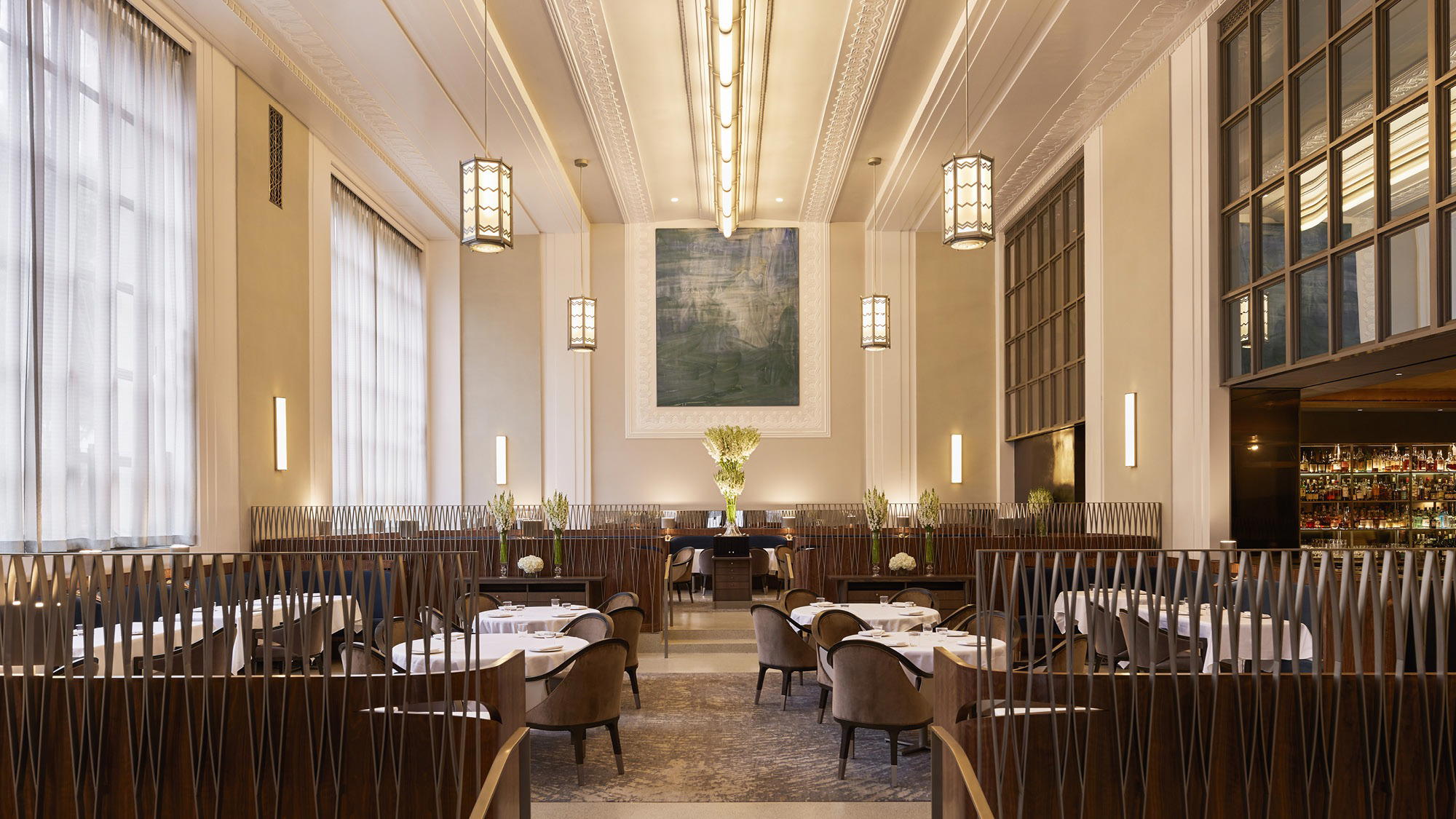
Bars in New York City
Browse all →
Hotels in New York City
Browse all →





At a Glance
- Trendy
- Lively
- Modern
- Elegant
- Date Night
- Group Dining
- Casual Hangout
- Happy Hour
- Open Kitchen
- Private Dining
- Craft Cocktails
- Sake Program
- Sustainable Seafood
Current opening hours
- Monday
- 11:30 AM–10 PM
- Tuesday
- 11:30 AM–10 PM
- Wednesday
- 11:30 AM–10 PM
- Thursday
- 11:30 AM–10 PM
- Friday
- 11:30 AM–11 PM
- Saturday
- 11 AM–11 PM
- Sunday
- 11 AM–10 PM
Hours can change for holidays and private events. Last verified .
Moody lighting with elegant traditional Chinese courtyard-inspired interiors creating an intimate yet lively atmosphere.