Pipsqueak Bagels
Our verdict
Pipsqueak is a Portland bagel bakery producing hand-rolled, boiled-and-baked bagels in a city that has built a serious craft-baking identity over the past decade. The format sits within a broader Pacific Northwest movement toward process-driven, small-batch production where sourcing and technique carry as much weight as the finished product. For Portland's growing cohort of early-morning devotees, it occupies a specific and deliberate position in the daily food ritual.

Pearl is the En Primeur Club membership app, where members save venues, book tables and use the concierge.

The menu
What to order
- Lox bagel sandwich
- Italian Stallion
The Morning Queue and What It Means
Portland's food identity has long been associated with its restaurant dining scene, the tasting-menu ambition of Langbaan, the wood-fired focus of Nostrana, the Haitian cooking at Kann, but the city's craft-baking tier has followed a parallel and equally serious trajectory. Pipsqueak operates within that tier, producing hand-rolled, boiled-and-baked bagels that prioritise process fidelity over volume. The production method is not incidental: hand-rolling and the boil-and-bake sequence are the techniques that define traditional bagel craft, and in a city that prizes artisanal specificity, the choice to maintain those steps signals where Pipsqueak positions itself relative to high-output competitors.
Walk toward a small-batch bakery like this on any weekend morning and the queue outside already tells you something about the place before you reach the door. That line is less about scarcity as a marketing device and more about real production constraints: hand-rolled bagels take time, and batches are finite by design. The atmosphere of a bagel counter at this scale, the smell of malt, the warmth of proof boxes and ovens, the speed and efficiency of a small crew, belongs to a category of morning food experience that larger operations cannot replicate at scale.
Process as an Ethical Position
Within the craft-baking world, the boil-and-bake method carries weight beyond texture. The decision to hand-roll rather than machine-shape, and to hold to a traditional two-stage cooking process, reflects a broader orientation toward low-intervention, high-craft food production. Across the Pacific Northwest, small bakeries have increasingly framed production choices in terms of sourcing, waste reduction, and supply-chain transparency, values that distinguish this tier from industrial baking not just in output quality but in operating philosophy.
Portland sits in a region with notable access to Pacific Northwest grain suppliers and flour millers who work closely with bakers on small-batch procurement. That regional ecosystem matters: shorter supply chains reduce transportation footprint, and working relationships between bakers and millers allow for ingredient-level decisions that large-format operations rarely have the flexibility to make. Pipsqueak, as a bakery operating at this scale, is positioned within that ecosystem by necessity and, arguably, by design.
This kind of production model also tends toward lower food waste by default. Small-batch baking creates direct alignment between daily output and daily demand, a structural advantage over operations that produce at scale and discard surplus. In a city where food-waste consciousness has become embedded in how independent operators present themselves, that alignment carries genuine ethical currency, not just as positioning but as a practical consequence of how the bakery runs.
Portland's Craft-Food Economy and Where Bagels Fit
The city's food economy has spent twenty years building a reputation for category-level seriousness across formats that other American cities treat as casual. Pizza is a useful parallel: Ken's Artisan Pizza operates in the same spirit of process rigor applied to a format that could easily be treated as commodity. Doughnuts went through the same transformation here, with operations like Blue Star Donuts raising production standards in a category not traditionally associated with craft attention. Bagels are following the same arc, and Pipsqueak represents that arc in its current form.
What distinguishes this moment in the Portland craft-baking scene is that the technique-first approach is now accompanied by a more explicit conversation about where ingredients come from and how production choices affect the broader food system. That conversation is happening at high-end tasting-format restaurants too, Blue Hill at Stone Barns in New York has made farm-to-table sourcing a formal institutional commitment, and West Coast operators from Single Thread Farm in Healdsburg to Lazy Bear in San Francisco have embedded sourcing ethics into their core identity, but the same values are filtering down into the morning-food tier, which is where most people actually eat most days.
The significance of a bagel bakery like Pipsqueak operating at this level of process discipline is partly about the product itself, and partly about what it says about Portland as a food city. When a small bakery can sustain a hand-rolled production model and find a committed daily customer base for it, that's a signal about the expectations that have developed in this market. Comparable craft-forward cities, New York, San Francisco, Chicago (where Alinea has long anchored the high end), have seen the same pattern: serious technique migrates from fine dining downward into everyday food formats.
Getting There and Planning Your Visit
Bagel bakeries operating at this production scale typically sell out before midday on weekends, and often earlier than that. Arriving early is not optional if you have a specific item in mind, this is a practical constraint of the format, not a crowd-management strategy. Weekday mornings tend to offer more predictable availability and shorter waits, and they represent the more sustainable pattern for a small-batch operation: regular weekday custom is better for production planning and staff consistency than weekend surges that push a small team to its limits.
Pipsqueak is part of a Portland food scene that rewards deliberate planning. For visitors building a broader picture of the city's eating options, our full Portland restaurants guide maps the scene across formats and price points, from counter-service morning stops like this one through to the reservation-required dining at Berlu. The morning-food tier and the evening-dining tier serve different functions in a city visit, but they're part of the same food culture, and understanding both gives a more accurate picture of what Portland is doing with food right now.
Frequently asked questions
What do regulars order at Pipsqueak?
Do I need a reservation for Pipsqueak?
What's the signature at Pipsqueak?
Is Pipsqueak worth it?
How does Pipsqueak fit into Portland's broader craft-baking scene?
Price and Recognition
Comparable venues nearby, for context on price, style, and recognition.
| Venue | Cuisine | Price | Notes |
|---|---|---|---|
| PipsqueakThis venue (the venue you are viewing) | New York-Style Bagels | $10–20 | Not listed |
| Hal's Cafe | Contemporary American Comfort Food | $20–30 | Pearl, Contemporary American Comfort Food |
| Delta Cafe | Southern Cajun Soul Food | $20–30 | Woodstock, Southern Cajun Soul Food |
| Great Notion Brewing - Alberta | American Gastropub with Craft Beer Focus | $30–50 | Alberta Arts District, American Gastropub with Craft Beer Focus |
| Palio Dessert and Espresso | Not listed | Not listed | Ladd's Addition, Dessert and Espresso House |
| Hopworks Brewery - Powell Mothership | Organic Brewpub | $10–20 | Creston-Kenilworth, Organic Brewpub |
Continue exploring
More in Portland
Restaurants in Portland
All restaurants in Portland →
Bars in Portland
All bars in Portland →


Details
- Cozy
- Trendy
- Casual Hangout
- Brunch
- Open Kitchen
- Local Sourcing
- A La Carte
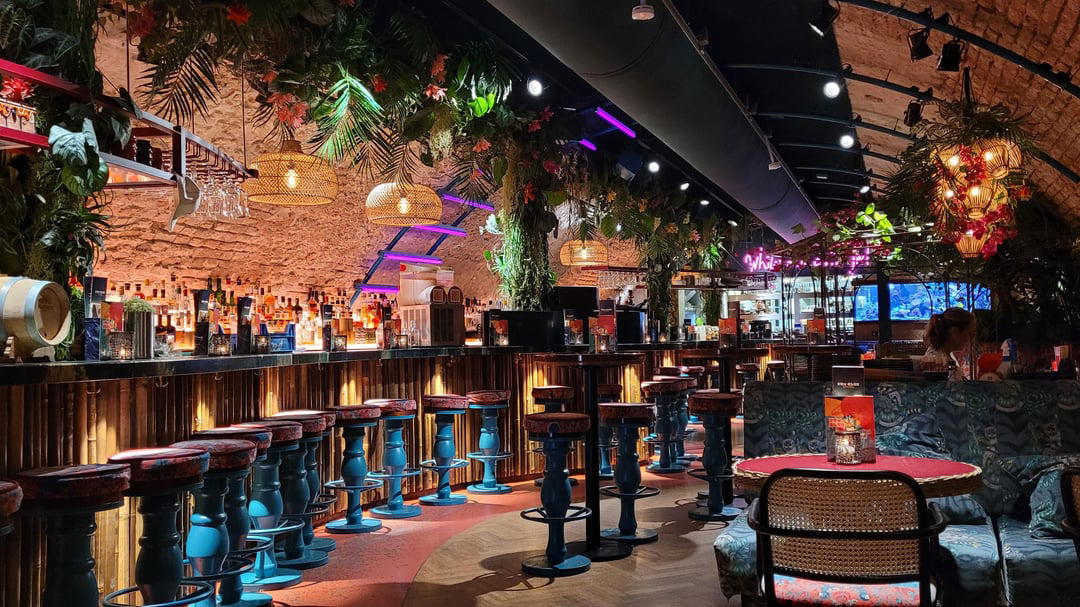
Casual and welcoming with a view of the kitchen and kettle boiler, focused on takeout.