Pincode by Kunal Kapur

Pincode by Kunal Kapur brings modern Indian street food into an elegant dining room on Al Maryah Island, set inside The Galleria Mall. The space draws on colonial-era visual references through sepia-toned panelled walls and rich fabrics, while semi-private booth seating creates a more intimate format than most mall-adjacent restaurants in Abu Dhabi. The cooking is precise, the service notably warm.
Pearl is the En Primeur Club membership app — saves, bookings, and concierge access live there. Same editors, same standards.
- Address
- The Galleria Al Maryah Island, Hamouda Bin Ali Al Dhaheri Street
- Phone
- +971 2 234 0111
- Website
- pincodebykunalkapur.com
- Directions
- Get directions
 Saves & bookings on Pearl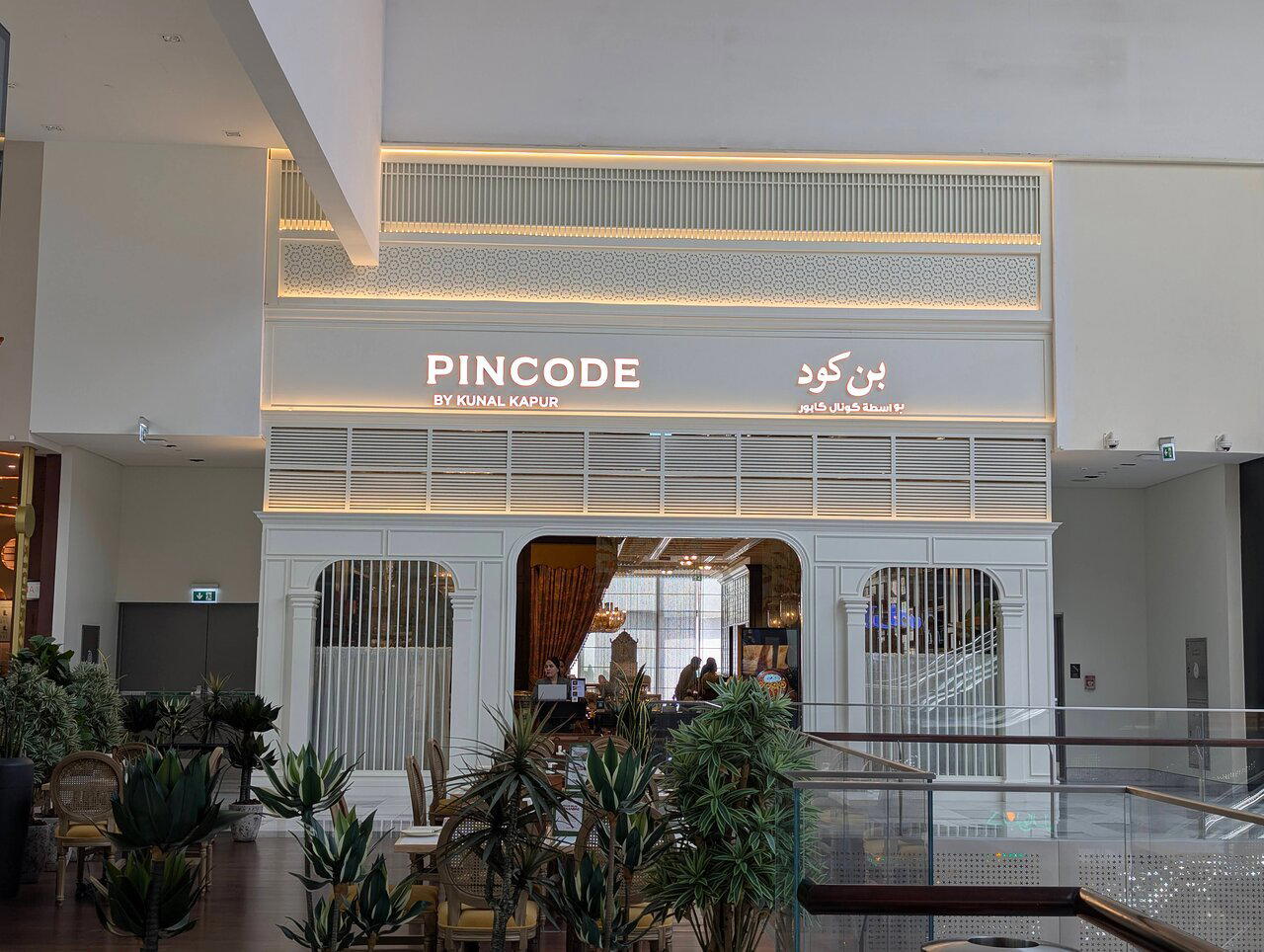
Where Street Food Meets Considered Dining
Pincode by Kunal Kapur is a Modern Regional Indian restaurant on Al Maryah Island in Abu Dhabi. Pincode by Kunal Kapur fits that pattern, but with an Indian accent that remains relatively underrepresented at this price and formality tier in the city. The premise is modern Indian street food refined for a sit-down format, and the result occupies a niche that falls between casual South Asian dining and the full white-tablecloth register.
The broader context matters here. Abu Dhabi's premium dining scene has expanded steadily along the Al Maryah Island corridor, with the surrounding area now home to a range of internationally positioned restaurants. Talea by Antonio Guida and Hakkasan represent the formal, import-led end of that spectrum, while Pincode operates at a slightly less ceremonial register without abandoning the production values that define the island's dining identity. In that middle tier, the combination of recognisable Indian flavours, careful plating, and an interior that reads as genuinely designed rather than decorated gives it a distinct position.
The Room Itself
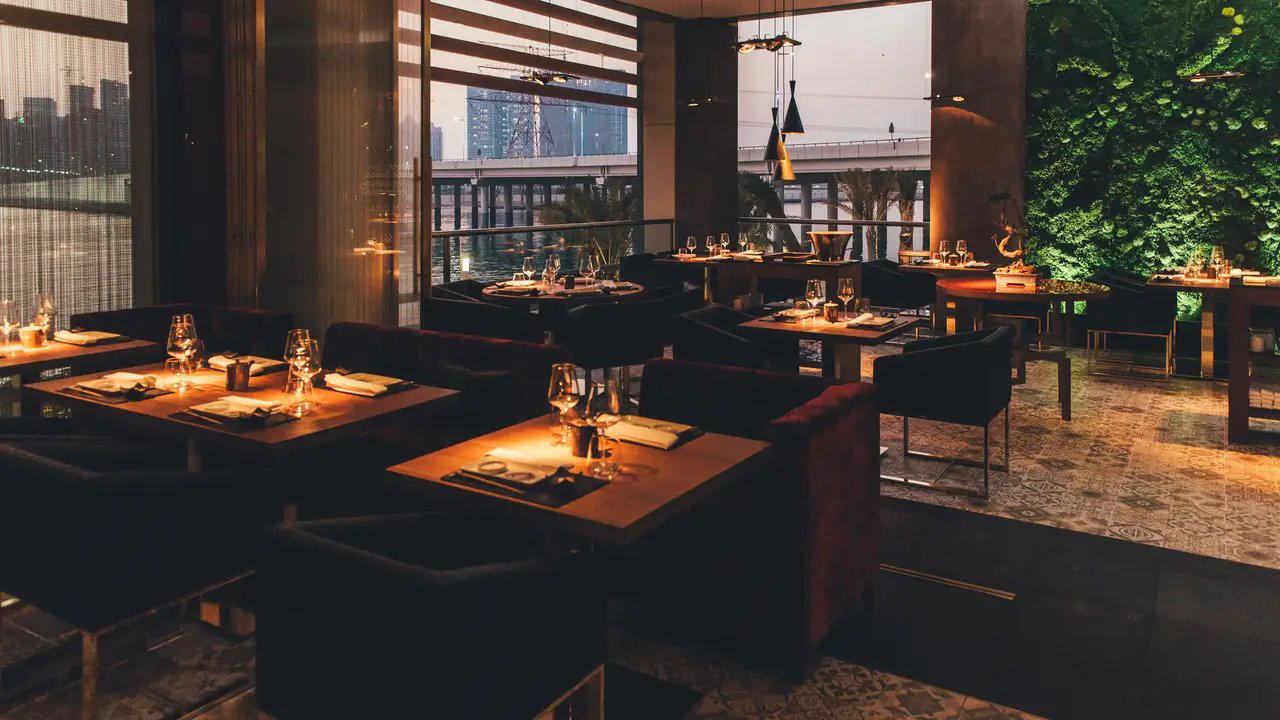
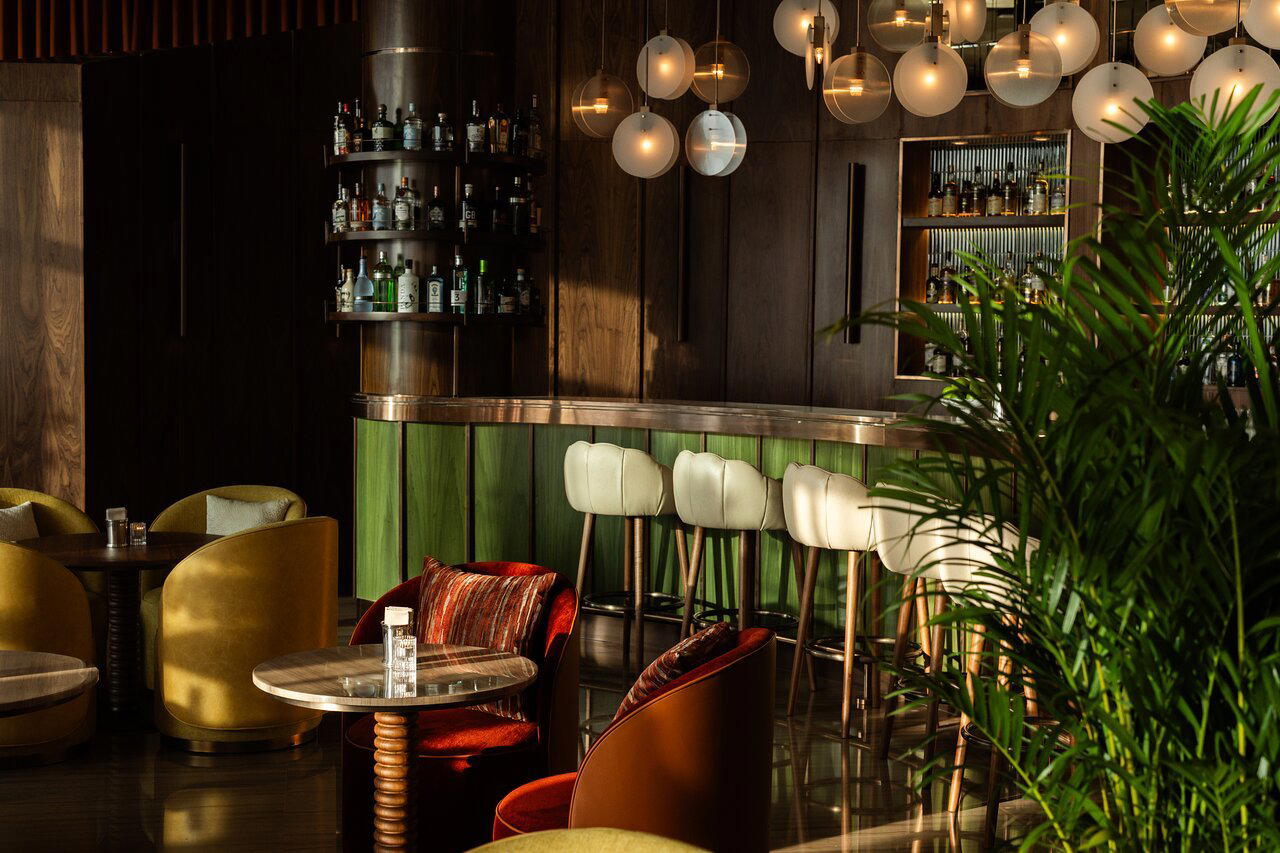
Indian restaurant interiors across the Gulf often default to one of two modes: the maximalist celebration of colour and pattern, or the stripped-back modern space that keeps cuisine at the centre. Pincode takes a third route. The visual language draws on a muted colonial reference point, with sepia-toned and black-and-white panelled walls that suggest archive photography rather than period pastiche. Rich fabrics layer in warmth without tipping into excess. The overall effect is restrained but considered, a room that reads as knowing rather than nostalgic.
Semi-private booths are worth requesting specifically. In a mall-adjacent setting, the capacity for a degree of separation from the ambient foot traffic is practically useful, but the booths also create the right conditions for the food to hold attention. The architecture of the space does what good restaurant design should: it frames the experience without competing with it. This kind of sensory calibration, where the room supports rather than overwhelms, has become a marker of the more serious Indian dining formats emerging across Dubai and Abu Dhabi, a development visible at venues like Trèsind Studio in Dubai, where design and cuisine are deliberately co-authored.
The Food: Street Codes, Formal Register
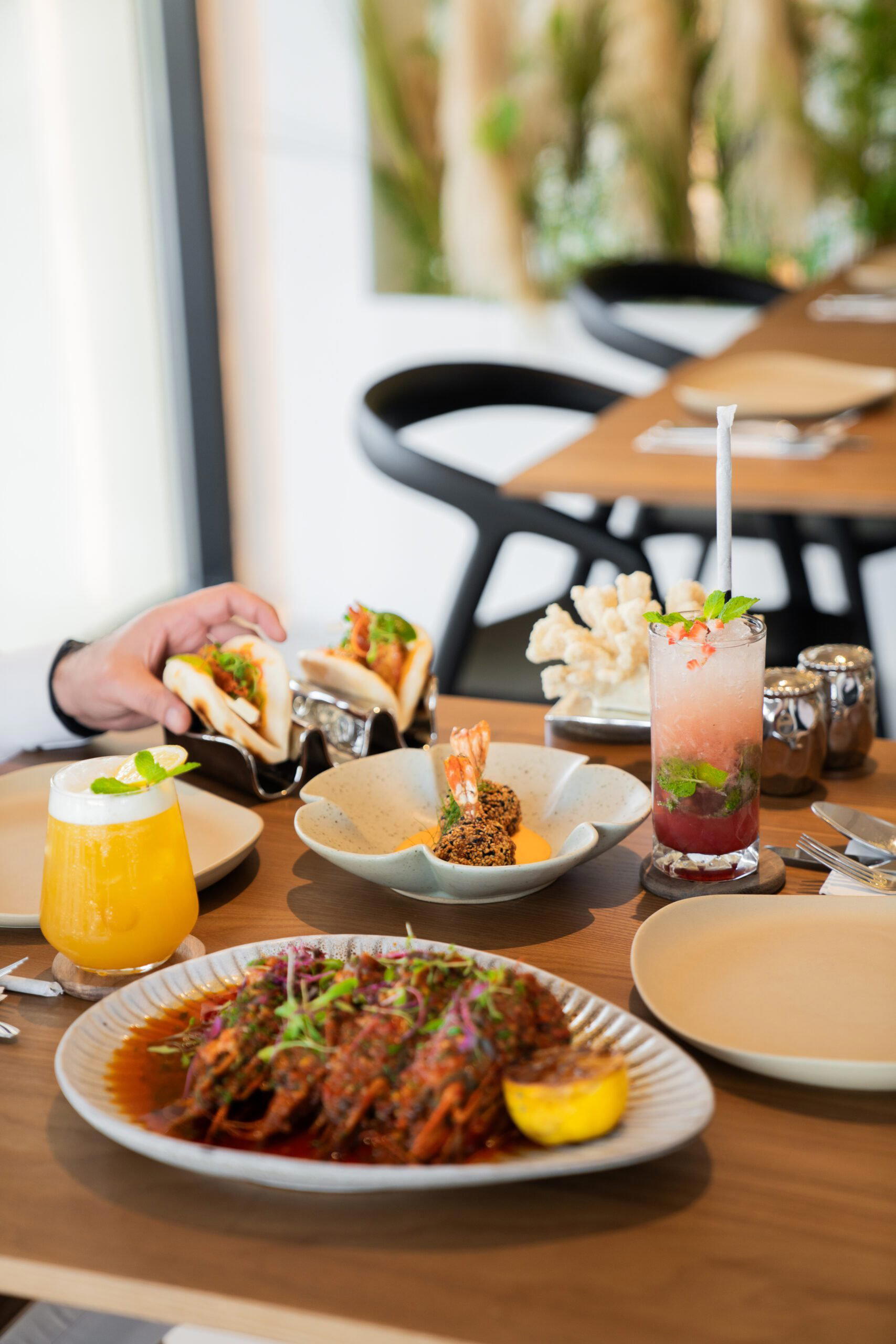
The premise of refined Indian street food is well-established as a format globally, but its execution varies considerably. At its weakest, the category produces sanitised versions of familiar dishes with premium pricing attached to presentation. At its stronger end, it draws on the actual logic of street food traditions, the concentration of flavour, the regional specificity, the emphasis on texture and heat, and applies that logic to a plated, service-led context without softening the cooking to the point of anonymity.
Pincode's position within this format, working under the banner of Kunal Kapur's name and the modern Indian upmarket category, signals intent toward the latter approach. The dishes are described as carefully prepared, which in this context points to technique applied to vernacular ingredients and preparations rather than the classical European framework that defines restaurants like Le Bernardin in New York City or Alain Ducasse at Louis XV in Monte Carlo. The ambition at Pincode is different in kind: it is about fidelity to a street-food tradition brought into an environment where timing, temperature, and plating are controlled.
For visitors exploring Abu Dhabi's wider dining options, the restaurant sits in productive contrast to venues like Erth, which foregrounds Emirati culinary tradition, or LPM Abu Dhabi, which works in the French-Mediterranean register. The Indian format here addresses a different kind of appetite: for spice-forward cooking, for the particular intensity that characterises subcontinental street food at its most direct, and for a dining room that treats that tradition with the same seriousness applied to European fine dining in this city.
Service and the Hospitality Register
Service in upmarket Indian restaurants across the region can sometimes carry the awkwardness of a category still finding its formal footing: overly casual in some rooms, overly formal in others, with neither mode quite matching the food. At Pincode, the service team is noted for being genuinely warm, which in a booth-format room translates to something closer to attentive accompaniment than tableside ceremony. That register suits the format. Street food, even when refined and plated, carries an inherent informality of spirit, and service that matches that spirit rather than imposing a different one on top of it makes the dining experience more coherent.
The hospitality posture here invites comparison with venues at which service is explicitly part of the theatrical frame, such as Alinea in Chicago or Alléno Paris at Pavillon Ledoyen. Pincode operates at a different register, but the principle, that service should reinforce rather than contradict the identity of the food, holds across categories.
Planning Your Visit
Pincode by Kunal Kapur is located inside The Galleria Al Maryah Island, on Hamouda Bin Ali Al Dhaheri Street. As a mall-based restaurant with a semi-booth format and a distinct enough identity to attract a repeat local clientele, booking ahead is advisable on weekends and during the cooler months between October and April, when Abu Dhabi's outdoor dining culture pulls people into the island's restaurant corridor in greater numbers. Weekday lunches in the summer months typically carry less pressure on reservations, though the air-conditioned interior means the experience is season-agnostic in practical terms.
For those focused specifically on the Al Maryah corridor, Marmellata Bakery rounds out the area's daytime dining options at a different price point and format.
Comparable Spots
Comparable venues nearby, for context on price, style, and recognition.
| Venue | Cuisine | Price | Notes |
|---|---|---|---|
| Pincode by Kunal KapurThis venue — the venue you are viewing | Modern Regional Indian | $$$ | Not listed |
| Namak | Modern Indian by Kunal Kapur | $$$ | Al Nahyan |
| Li Jiang | Modern Asian | $$$$ | Al Rawdah |
| terra | Traditional Italian Trattoria | $$$ | Al Maqtaa |
| SUSHISAMBA Abu Dhabi | Japanese-Brazilian-Peruvian Fusion Sushi & Robata | $$$ | Al Bateen |
| Novikov Abu Dhabi | Modern Mediterranean with Italian Accents | $$$$ | Al Reem Island |
Recognition history
Dated appearances from independent guides and award organizations, with the underlying list record or original source where available.
Michelin Plate
Michelin · 2026 Michelin Plate
Continue exploring
More in Abu Dhabi
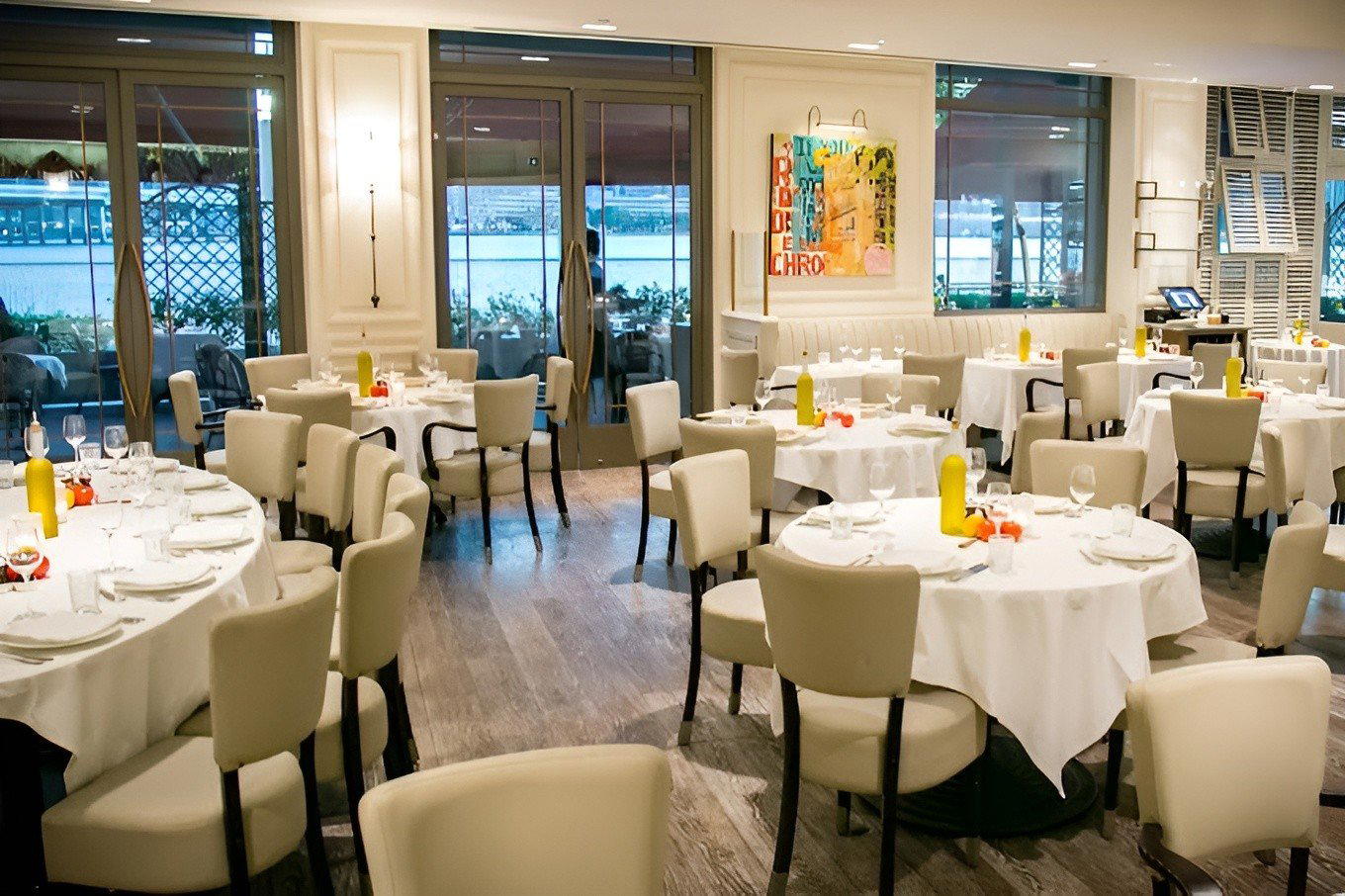
Restaurants in Abu Dhabi
Browse all →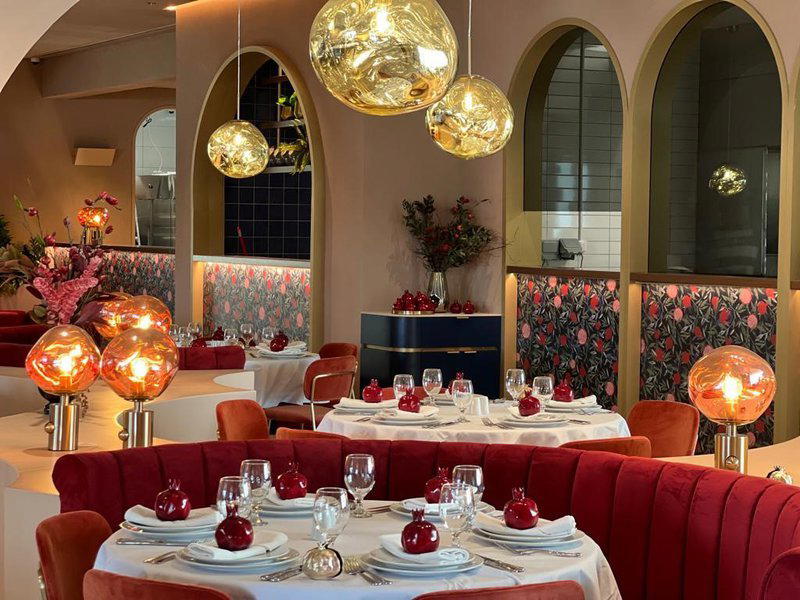
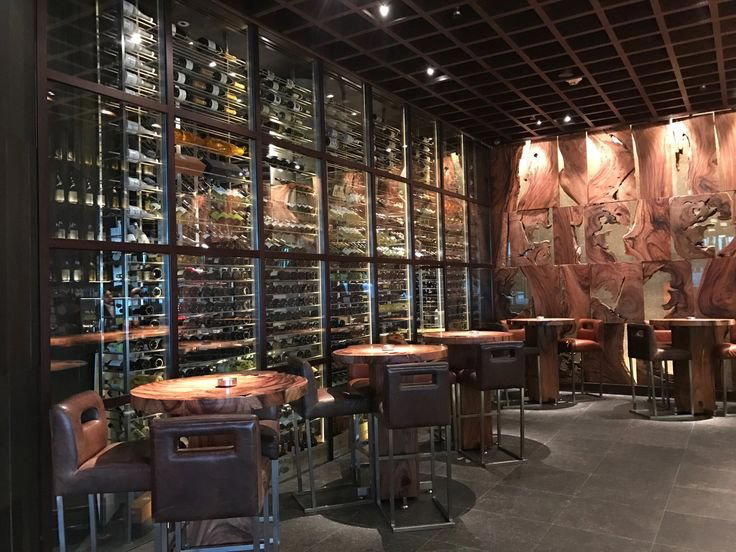
Bars in Abu Dhabi
Browse all →
At a Glance
- Modern
- Elegant
- Cozy
- Sophisticated
- Family
- Date Night
- Special Occasion
- Open Kitchen
- Terrace
Current opening hours
- Monday
- 11 AM–10:30 PM
- Tuesday
- 11 AM–10:30 PM
- Wednesday
- 11 AM–10:30 PM
- Thursday
- 11 AM–10:30 PM
- Friday
- 11 AM–11:30 PM
- Saturday
- 11 AM–11:30 PM
- Sunday
- 11 AM–10:30 PM
Hours can change for holidays and private events. Last verified .
Warm subtle lighting creating a cozy yet elegant vibe, blending traditional Indian elements with modern stylish design and thoughtful branding.