Piazza Gavi
Piazza Gavi brings Italian-inflected dining to Tucson's northeast corridor, where the city's expanding restaurant scene continues to press beyond its downtown core. Situated on North Kolb Road, it occupies a part of the city where resident demand has outpaced the number of serious sit-down options, placing it in a dining category that Tucson is still actively building out.
Pearl is the En Primeur Club membership app — saves, bookings, and concierge access live there. Same editors, same standards.
- Address
- 5415 N Kolb Rd, Tucson, AZ 85750
- Phone
- +15205771099
- Website
- gavicucina.com
- Directions
- Get directions
 Saves & bookings on Pearl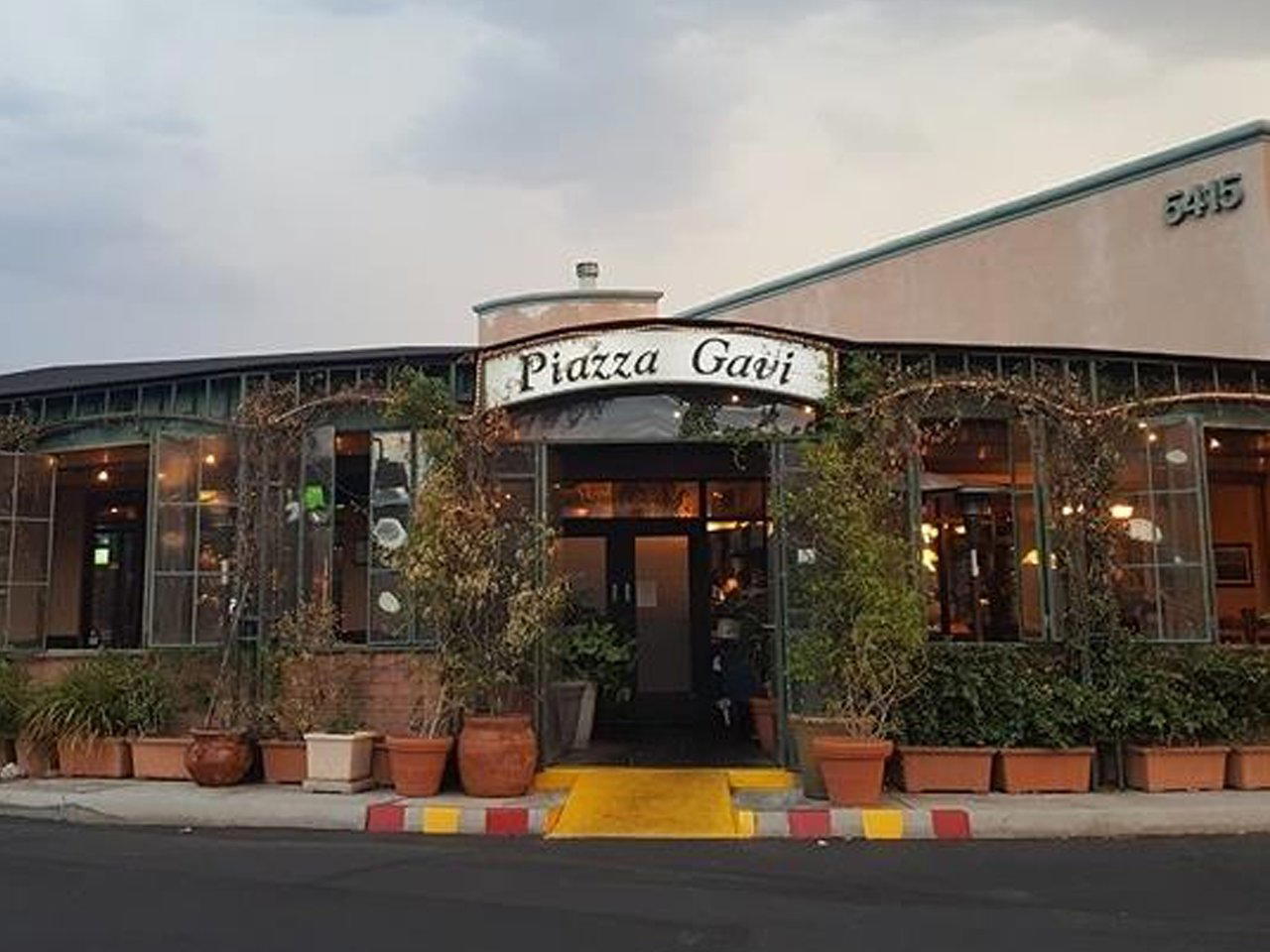
Italian Dining at the Edge of the Sonoran City
Tucson's dining geography has always been uneven. The historic barrio, downtown Fourth Avenue, and the University District carry most of the editorial attention, and rightly so: that corridor holds the city's most concentrated cluster of serious restaurants, from the market-driven cooking at 5 Points Market & Restaurant to the border-cuisine authority of BOCA by Chef Maria Mazon. But Tucson is also a sprawling Sun Belt city, and its northeast quadrant, where residential density has climbed steadily over the past decade, has developed its own dining appetite. Piazza Gavi, at 5415 N Kolb Road, sits in that outer ring, where the expectation is less about scene and more about reliable neighborhood cooking.
The Italian-American tradition it draws from is among the more durable formats in American dining. From red-sauce parlors in South Philadelphia to white-tablecloth trattorias in Chicago's River North, the genre has survived trend cycles by offering something that novelty-chasing concepts cannot always deliver: a recognizable grammar of dishes, executed with enough care to justify a repeat visit. That consistency is the category's defining asset, and it is also the standard against which any Italian-leaning restaurant in a secondary American city gets measured.
What Italian Dining Means in a UNESCO Food City
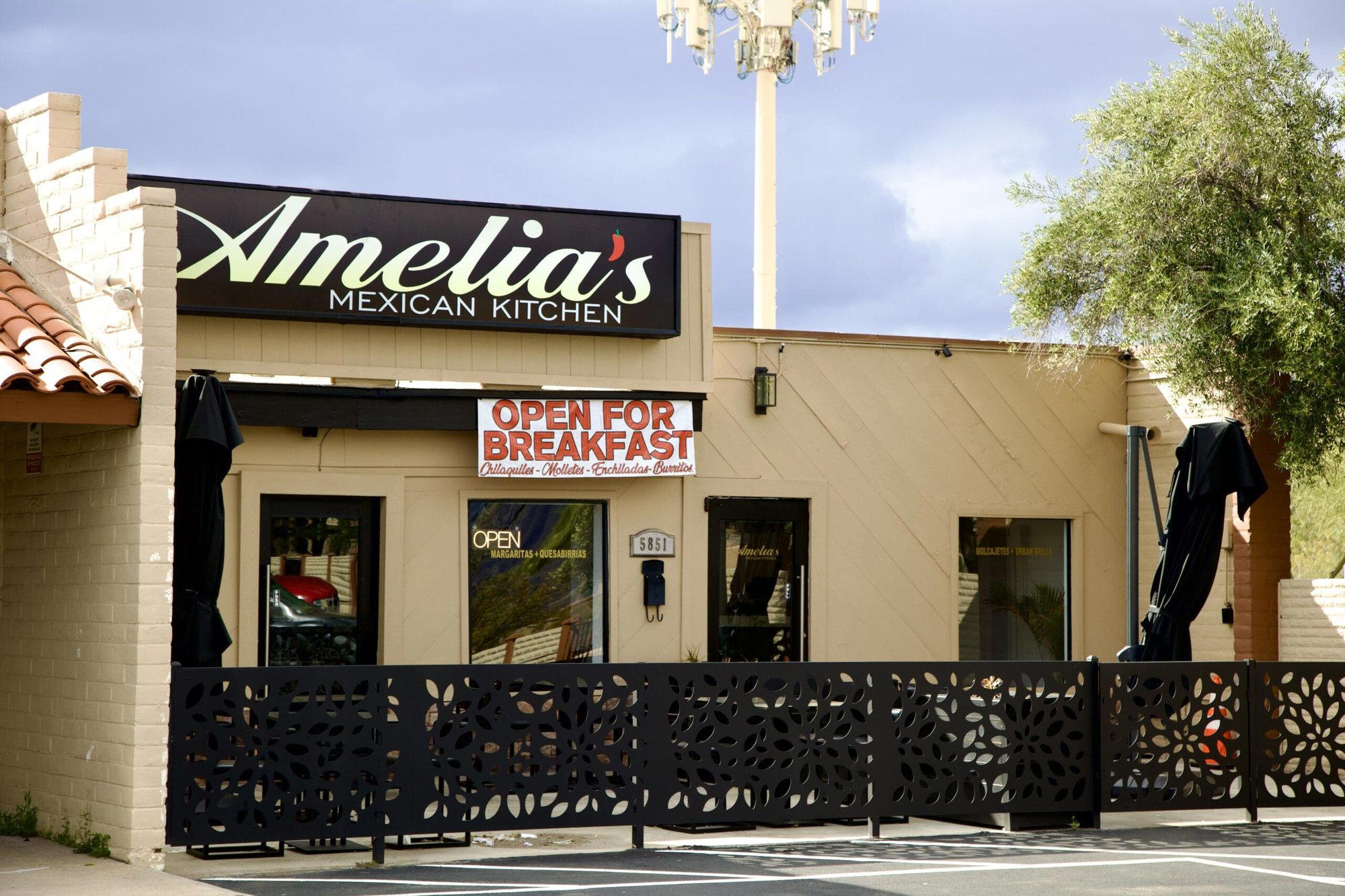
Context matters here. Tucson became the United States' first UNESCO City of Gastronomy in 2015, a designation tied specifically to its Indigenous, Mexican, and Sonoran agricultural traditions, not to its European-inflected dining. The city's food identity is rooted in tepary beans, cholla buds, saguaro fruit, and the flour tortilla traditions of the borderlands. Places like AMELIAS MEXICAN KITCHEN and Barista del Barrio draw directly from that lineage. Cafe Desta extends the city's global reach in a different direction entirely.
Italian cooking, by contrast, occupies a supplementary role in Tucson's food culture rather than a defining one. That is not a disadvantage. It means a restaurant like Piazza Gavi operates in a different register from its peers: it is not competing to express the city's culinary identity, it is competing to serve a specific, consistent function for a neighborhood that wants the comfort of pasta, antipasti, and a capable wine program without driving across the city to find it. That is a legitimate and commercially durable position, and one that Italian restaurants in comparable American mid-size cities have occupied for generations.
The Italian-American Format and What It Demands
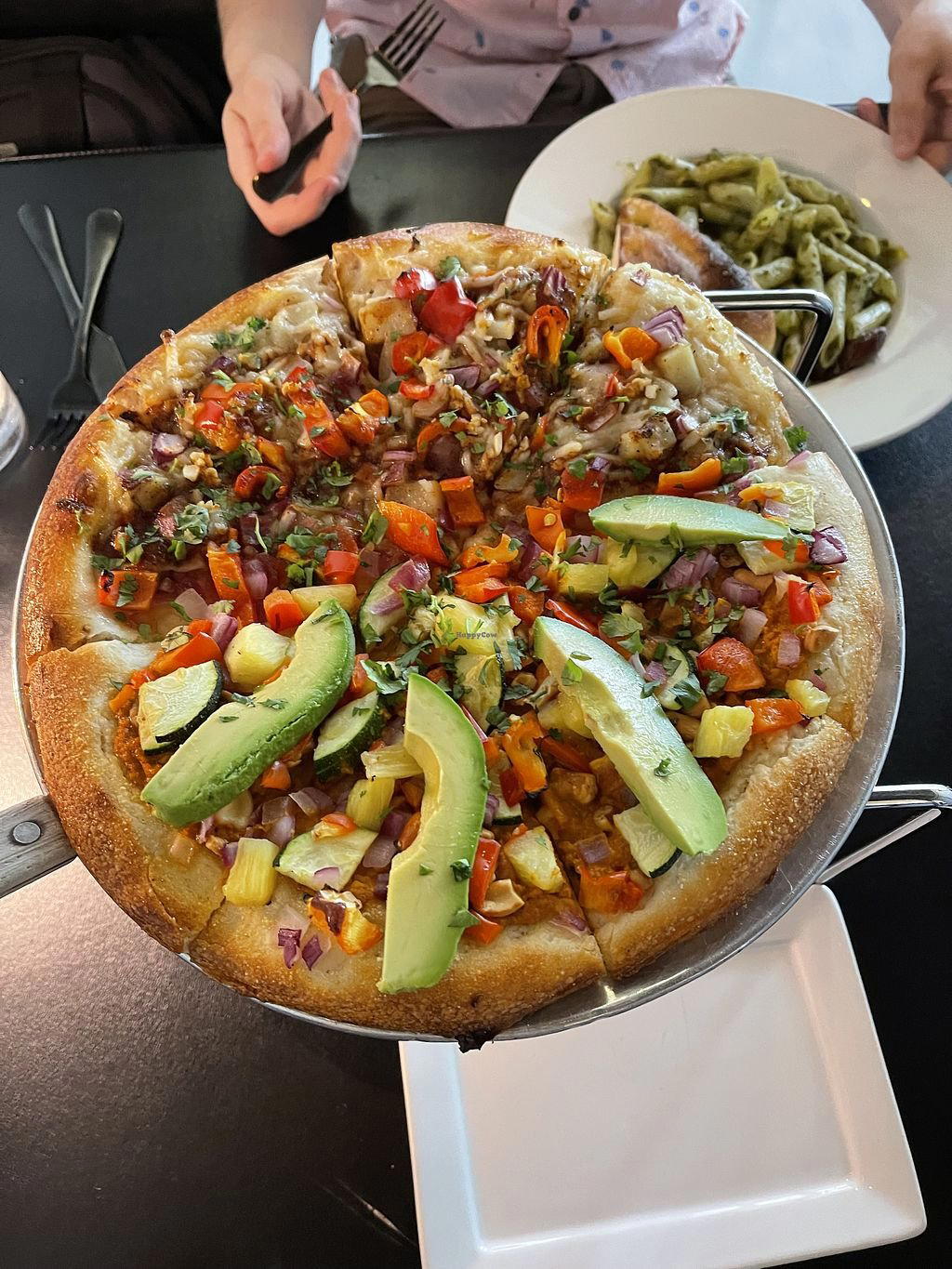
The Italian-American dining tradition arrived in the United States in waves through the late nineteenth and early twentieth centuries, and by the postwar period had calcified into a set of conventions: red sauces built from canned San Marzano tomatoes, hand-rolled pasta in some cases and dried in others, antipasto plates anchored by cured meats and marinated vegetables, and a dessert cart that almost always includes tiramisu and a variation on cannoli. These conventions are not limitations. They are the load-bearing elements of a format that has proven its staying power across more than a century of American dining.
The question for any Italian restaurant operating in 2024 is where it positions itself within that tradition: closer to the red-sauce institution with its unapologetic nostalgia, or toward a more ingredient-led approach that takes seasonal availability and regional Italian specificity seriously. Nationally, the conversation has tilted toward the latter, with restaurants like Le Bernardin in New York City demonstrating the ceiling of technically disciplined European cooking in the American market, and operations like The French Laundry in Napa setting the standard for ingredient sourcing at the fine-dining tier. Further down the price spectrum, the pressure has been toward more honest, less overwrought Italian cooking: fewer cream-heavy adaptations, more attention to the regional distinctions between, say, Ligurian and Sicilian cooking.
In Tucson specifically, the competitive set for Italian dining is modest. The northeast corridor where Piazza Gavi operates does not have a deep bench of Italian options at any price tier, which means the restaurant's proximity to a residential catchment that skews toward established, higher-income households is likely a more significant factor in its positioning than any competitive differentiation at the cuisine level.
Tucson's Broader Restaurant Scene for Reference
For visitors using Tucson as a food destination, the city's most editorially compelling dining sits elsewhere. The full Tucson restaurants guide maps the range in more detail, but the short version is this: the city's identity kitchens are concentrated in the historic districts, and the northeast quarter functions more as a residential dining zone. That is useful framing for anyone deciding whether to build an itinerary around the restaurant or treat it as a convenient option for a night when the drive downtown does not appeal.
The broader American fine-dining circuit provides useful contrast. Operations like Lazy Bear in San Francisco, Alinea in Chicago, Single Thread Farm in Healdsburg, Providence in Los Angeles, Blue Hill at Stone Barns in Tarrytown, Addison in San Diego, The Inn at Little Washington, Atomix in New York City, and 8 1/2 Otto e Mezzo Bombana in Hong Kong represent a tier of ambition and technical commitment that sits at a different altitude entirely. The restaurant, as a neighborhood Italian in a Sun Belt city, is not in that conversation, nor does it need to be. The category it occupies serves a different reader need. Separately, Emeril's in New Orleans is a useful reminder that American cities outside the coastal megalopolises have always supported serious cooking when the local demand exists to sustain it.
Planning a Visit
The restaurant is located at 5415 N Kolb Road in Tucson's northeast, a part of the city most easily reached by car. For those building a wider Tucson itinerary, the northeast location makes the restaurant a practical option for an evening that does not require downtown proximity, particularly for guests staying in the Foothills or Catalina Foothills corridor.
In Context: Similar Options
Comparable venues nearby, for context on price, style, and recognition.
| Venue | Cuisine | Price | Notes |
|---|---|---|---|
| Piazza GaviThis venue — the venue you are viewing | Authentic Sicilian Italian Trattoria | $$ | Not listed |
| Penelope Pizza | Wood-Fired Neapolitan & New York Pizza | $$ | Downtown Tucson / East Side |
| Mama Louisa's Italian Restaurant | Traditional Italian-American Trattoria | $$ | Southeast Tucson |
| Rosa's Mexican Food | Sonoran Mexican | $$ | Fort Lowell |
| Guadalajara Fiesta Grill | Authentic Mexican Grill | $$ | East Side |
| Dante's Kitchen & Cocktails | New American Gastropub | $$ | midtown |
At a Glance
- Lively
- Classic
- Rustic
- Casual Hangout
- Group Dining
- Family
- Date Night
- Standalone
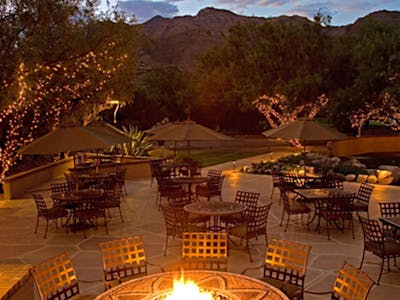
- Mountain
Current opening hours
- Monday
- 11:30 AM–9 PM
- Tuesday
- 11:30 AM–9 PM
- Wednesday
- 11:30 AM–9 PM
- Thursday
- 11:30 AM–9 PM
- Friday
- 11:30 AM–9 PM
- Saturday
- 11:30 AM–9 PM
- Sunday
- 11:30 AM–9 PM
Hours can change for holidays and private events. Last verified .
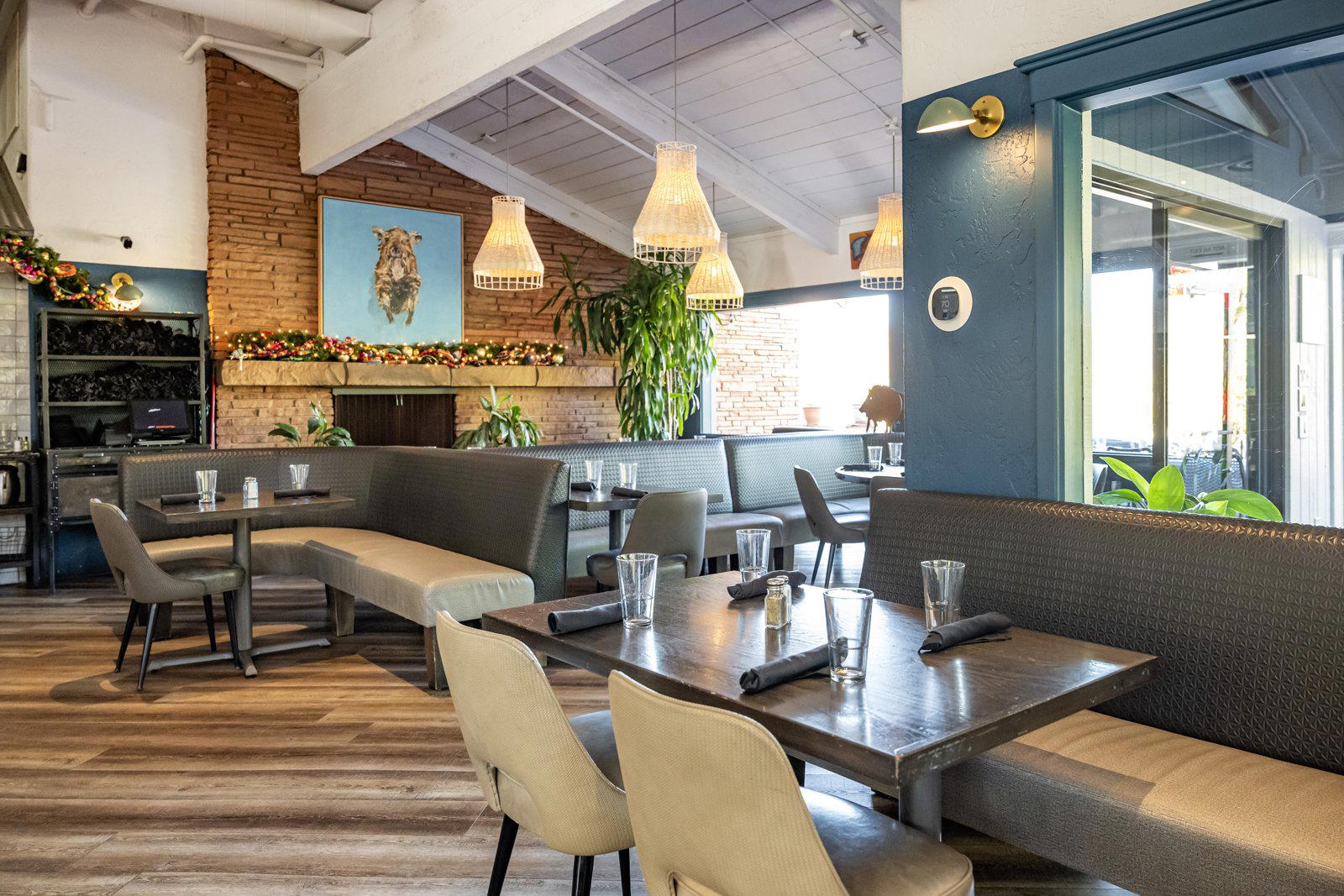
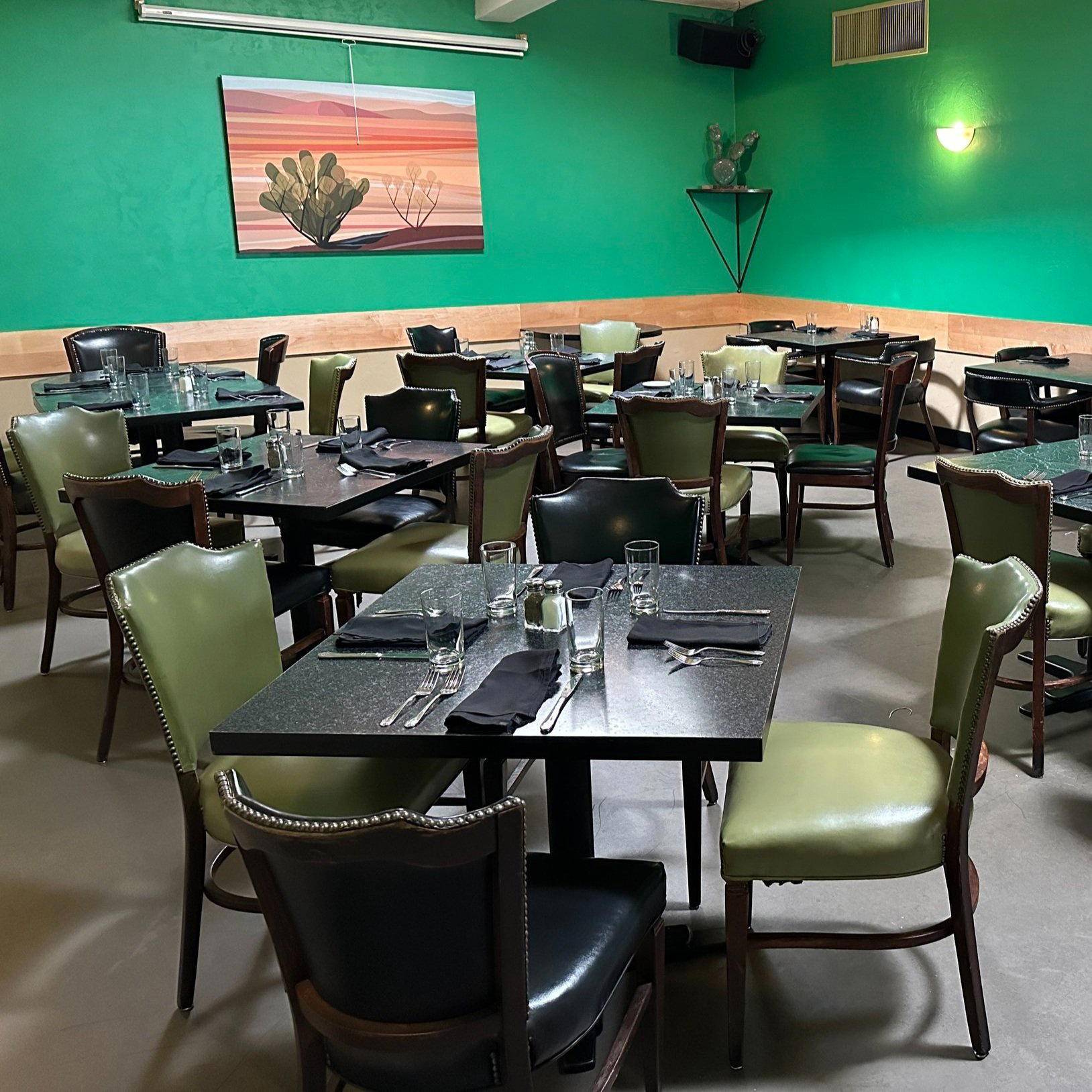
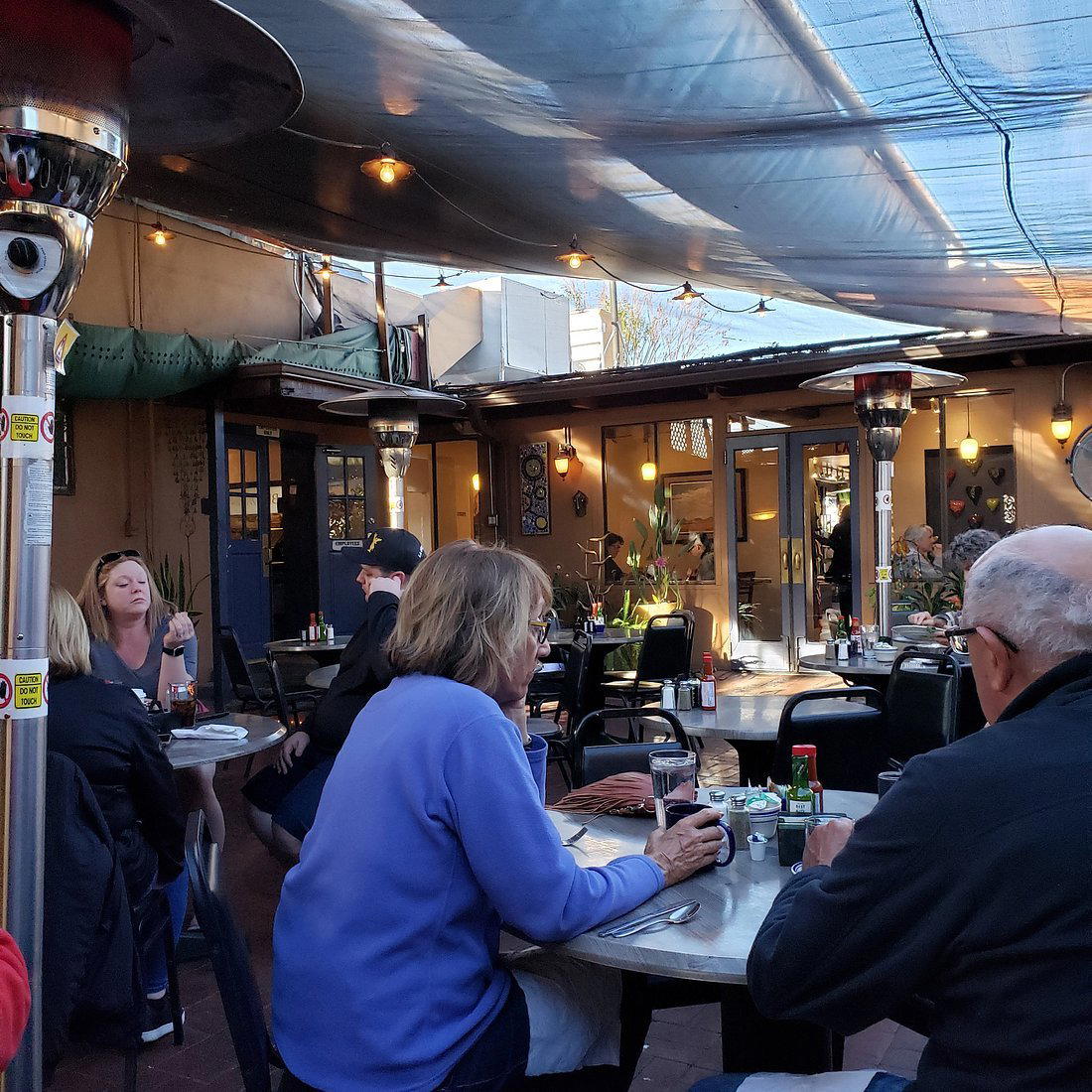
Lively and bustling atmosphere reminiscent of a Sicilian eatery with a cheerful, amicable environment.