WHITE STALLION RANCH


White Stallion Ranch occupies 3,000 solar-powered acres on Tucson's northwestern edge, where the Sonoran Desert meets the Tucson Mountains. Among Arizona's working dude ranches, it sits at the end of the authenticity spectrum rather than the resort-with-horses end, with horseback riding as the organizing principle of the stay rather than an amenity add-on. It is the address for travelers whose primary interest is the land itself.
Pearl is the En Primeur Club membership app — saves, bookings, and concierge access live there. Same editors, same standards.
- Address
- 9251 W Twin Peaks Rd, Tucson, AZ 85743
- Phone
- +1 520-297-0252
- Website
- whitestallion.com
- Directions
- Get directions
 Saves & bookings on Pearl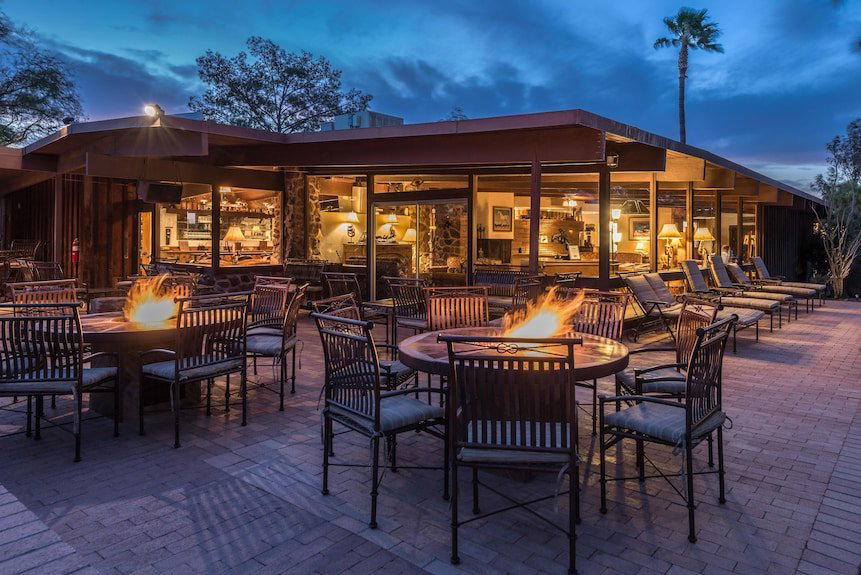
Desert at Scale: The Sonoran Dude Ranch as an Overnight Experience
There is a particular quality of light in the Sonoran Desert at dusk that no photograph has managed to replicate honestly. The saguaros cast shadows long enough to stripe the ground, the temperature drops faster than you expect, and the silence arrives in layers. White Stallion Ranch is a 3-star hotel in Tucson, Arizona, set on 3,000 acres at the northwestern edge of the city near the Saguaro National Park boundary. The ranch operates on solar power across its footprint.
This sits in a specific tradition of American West hospitality that predates the boutique hotel era by several decades. Dude ranches in Arizona, Colorado, and Wyoming built their reputations on structured immersion: guests arrived for a week, not a night, and the programme replaced the agenda they had brought with them. That format has thinned considerably in the age of weekend escapes and resort spas, but a smaller number of properties have maintained the extended-stay, activity-dense model. White Stallion belongs to that cohort, and its competitive set is narrower than it might appear. Among Tucson's broader accommodation options, which includes properties like Canyon Ranch Tucson, Miraval Arizona Resort & Spa, and Hacienda Del Sol Guest Ranch Resort, the ranch operates on a different register entirely: less spa-led, more land-led.
The Overnight Architecture: Rooms in a Working Ranch Context
The editorial angle on White Stallion's accommodation is not luxury in the thread-count sense. The rooms and casitas are built around the logic of a working ranch: durable, considered, and oriented toward the outdoors. Guests who arrive expecting the kind of bathroom drama found at The Ritz-Carlton, Dove Mountain or the architectural showmanship of Amangiri in Canyon Point will find themselves recalibrating. The overnight experience here is defined by what you encounter when you step outside the room, not by what you encounter inside it.
That recalibration is itself part of the proposition. The accommodation is positioned as a place to sleep well and wake up ready to move, not as a destination in its own right. Windows face the desert, not interior courtyards. The absence of televisions in many ranch-style properties of this category is not an oversight but a formatting decision, one that pushes guests toward the programme: horses, trails, stargazing, and the particular exhaustion that comes from a day spent outdoors at elevation. The broader pattern in premium outdoor hospitality, visible across properties like Sage Lodge in Pray and Post Ranch Inn in Big Sur, is that the room exists to restore rather than to impress. White Stallion fits squarely in that model.
The Programme: Horseback Riding as the Central Axis
Horseback riding is not an amenity here in the way a tennis court is an amenity at a resort. At a working dude ranch, the horse programme is the structural spine of the guest experience. White Stallion's 3,000-acre footprint provides enough terrain to make riding genuinely varied across a multi-day stay, moving through desert washes, rocky outcroppings, and open range rather than looping the same trail. This scale separates it from smaller guest ranches where the ride options are exhausted by day two.
The ranch also programmes across the full day: morning rides before the heat builds, afternoon activities that might include rodeo demonstrations or western skills, and evening settings that use the desert's particular dusk well. For guests comparing western experiences in the American Southwest, this density of programming across a single property is the differentiator. Properties like Ventana Canyon Club and Lodge or Arizona Inn offer Tucson with polish; White Stallion offers Tucson with dirt.
The Solar Footprint and Landscape Scale
Operating a 3,000-acre ranch on solar power is not a small logistical achievement. In the context of American dude ranches, where the historical model depended on diesel generators and water trucked across dry county roads, the solar infrastructure represents a meaningful operational choice. It also positions the ranch in a broader shift in premium outdoor hospitality, where guests who select properties like 1 Hotel San Francisco or SingleThread Farm Inn in Healdsburg for their sustainability credentials now expect that same intentionality in rural and resort settings.
The scale of the land also matters experientially. Three thousand acres in the Sonoran Desert means guests encounter genuine wildlife corridors, not managed scenic overlooks. Javelinas, coyotes, Gambel's quail, and the full cast of Sonoran desert fauna move through the property on their own schedules, which is not something a smaller footprint could guarantee.
Tucson's Position in the Western Ranch Market
Tucson has developed a layered identity in American travel: part wellness destination (anchored by Canyon Ranch's decades-long presence), part arts and food city (its UNESCO Creative City of Gastronomy designation, awarded in 2015, was the first for any American city), and part gateway to particularly dramatic desert terrain in the country. White Stallion addresses the third identity more directly than any other property in the city's accommodation market.
For guests arriving from urban markets, the comparison set extends beyond Tucson. Properties like Troutbeck in Amenia and Little Palm Island Resort & Spa in Little Torch Key have built reputations on immersive, landscape-defined stays where the setting does most of the editorial work. White Stallion belongs to that wider conversation about what premium escape looks like when it is land-led rather than room-led.
Planning a Stay: Practical Orientation
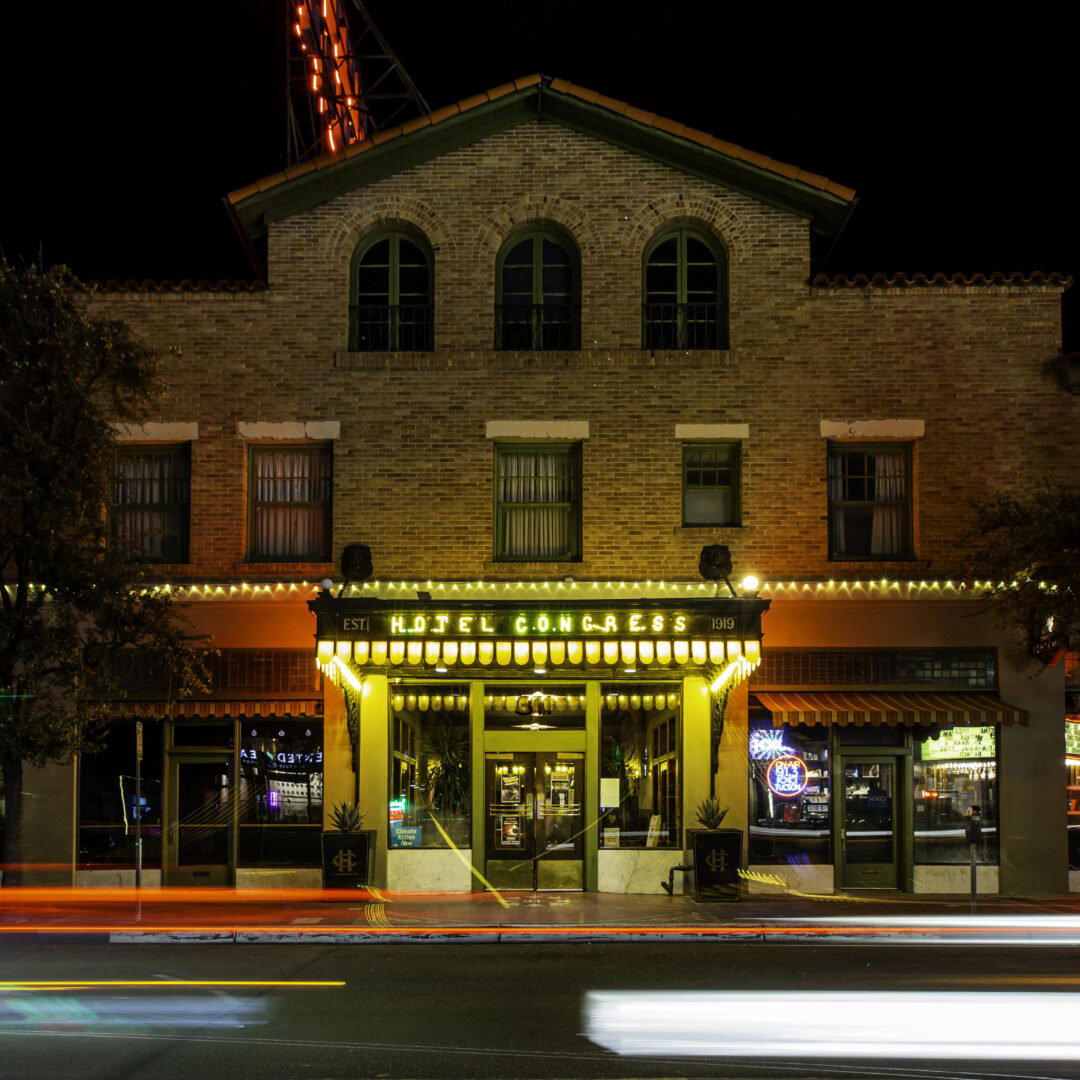
White Stallion Ranch sits at 9251 W Twin Peaks Road on Tucson's northwest edge, close to the Tucson Mountains and the western district of Saguaro National Park. The ranch operates as a traditional dude ranch, so stays are structured around the programme rather than drop-in visits. Guests should contact the property directly to confirm availability and pricing. The desert climate dictates timing: late autumn through early spring delivers the temperatures most compatible with extended outdoor activity, while summer stays require early-morning scheduling to work around the heat. For guests comparing it against the full range of Tucson accommodation, including Hotel Congress in the downtown core and The Downtown Clifton, the ranch sits further from the city and is organized around a different set of priorities.
Fast Comparison
Comparable venues nearby, for context on price, style, and recognition.
| Venue | Cuisine | Price | Awards | Notes |
|---|---|---|---|---|
| WHITE STALLION RANCHThis venue — the venue you are viewing | Historic dude ranch with resort upgrades | $$$$ | 3-Star | Not listed |
| The Ritz-Carlton, Dove Mountain | Luxury desert resort seamlessly blending Southwestern architecture and design with natural landscape; features dark mesquite wood, Southwestern furnishings and art throughout. | $$$$ | Michelin 1 Key | Dove Mountain |
| Kimpton Miralina Resort & Villas | Large, luxury desert resort with a relaxed, residential feel that blends indoor-outdoor living across 40 acres beneath Camelback and Mummy Mountains. | $$$$ | 4-Star | Paradise Valley |
| Grand Hyatt Scottsdale Resort | Contemporary luxury desert resort blending Frank Lloyd Wright-inspired architecture with Sonoran Desert aesthetics and modern minimalist design. | $$$$ | 4-Star | Gainey Ranch |
| The Wigwam | Historic Southwestern luxury resort with territorial adobe architecture and contemporary amenities, positioned as a multi-generational desert destination. | $$$$ | 4-Star | Litchfield Park |
| RISE Uptown | mid-century modern boutique | $$$ | 4-Star | Uptown Phoenix |
Recognition history
Dated appearances from independent guides and award organizations, with the underlying list record or original source where available.
Top 50 Ranches
Top 50 Ranches
USA Today Best Ranches Best Ranches #20
USA Today Best Ranches

At a Glance
- Rustic
- Scenic
- Family Vacation
- Weekend Escape
- Group Retreat
- Panoramic View
- Pool
- Hot Tub
- Spa
- Fitness Center
- Wi Fi
- Restaurant
- Tennis Court
- Mountain
- Garden
- Pool
- Hot Tub
- Spa
- Fitness Center
- Wi Fi
- Restaurant
- Tennis Court
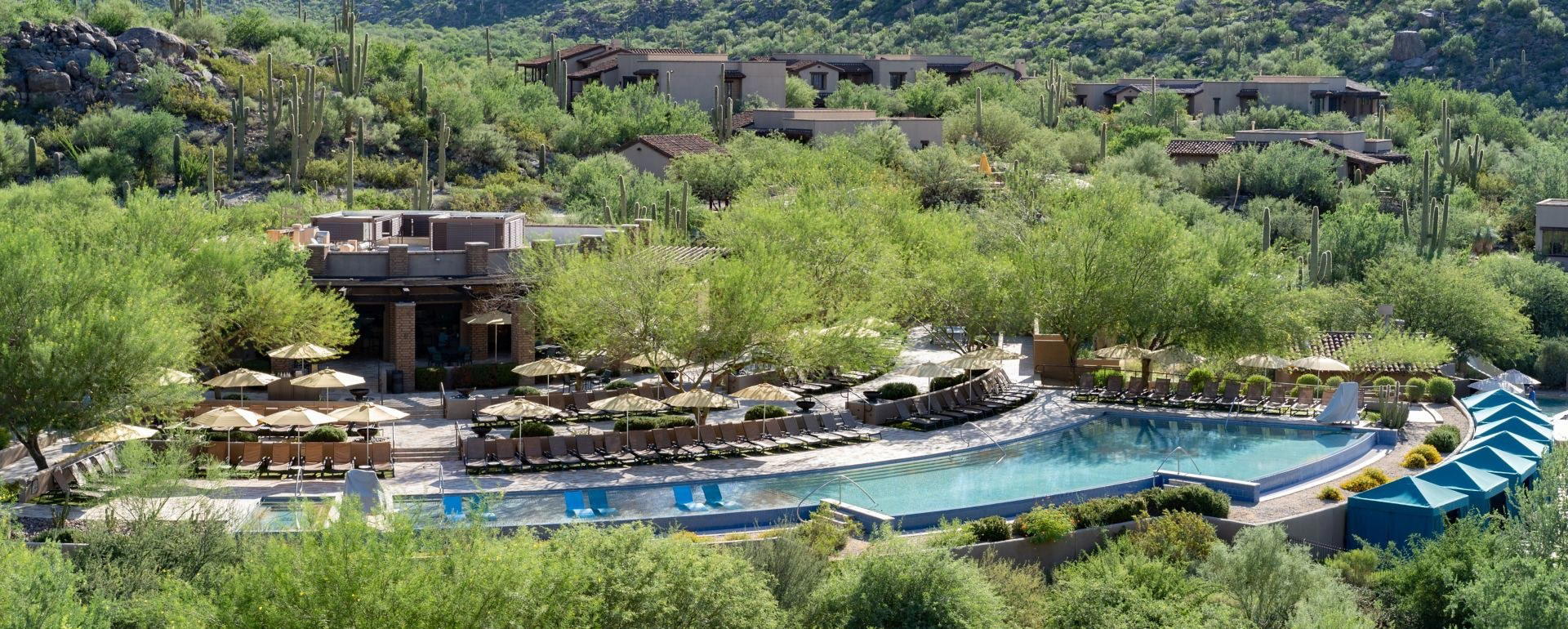
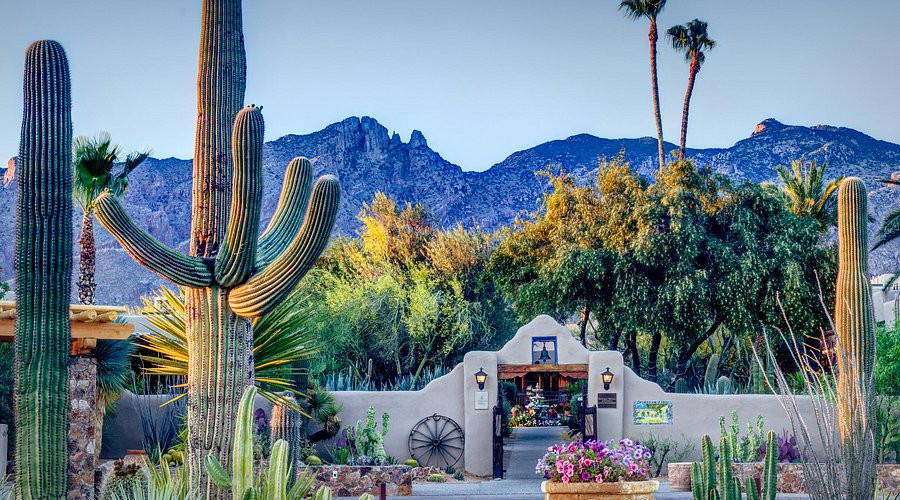
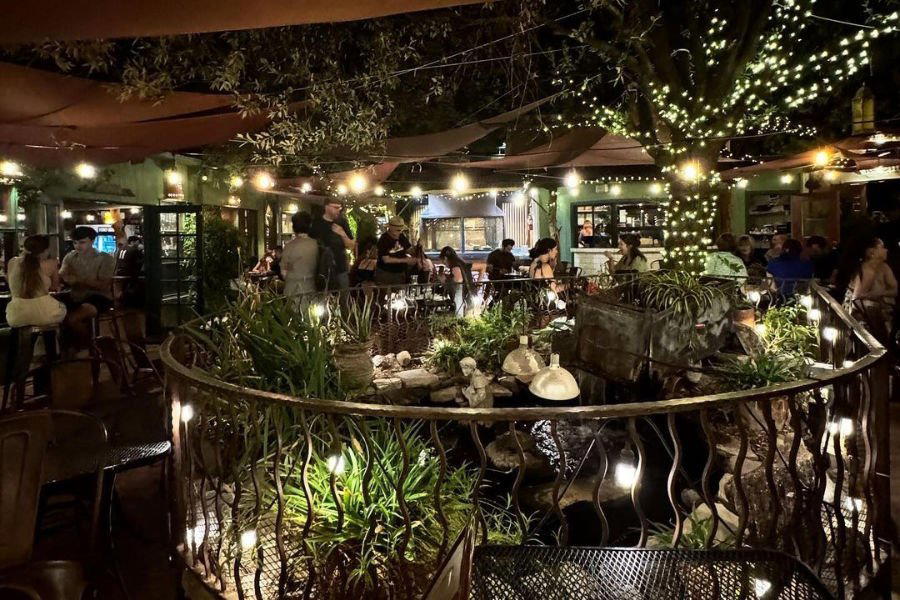
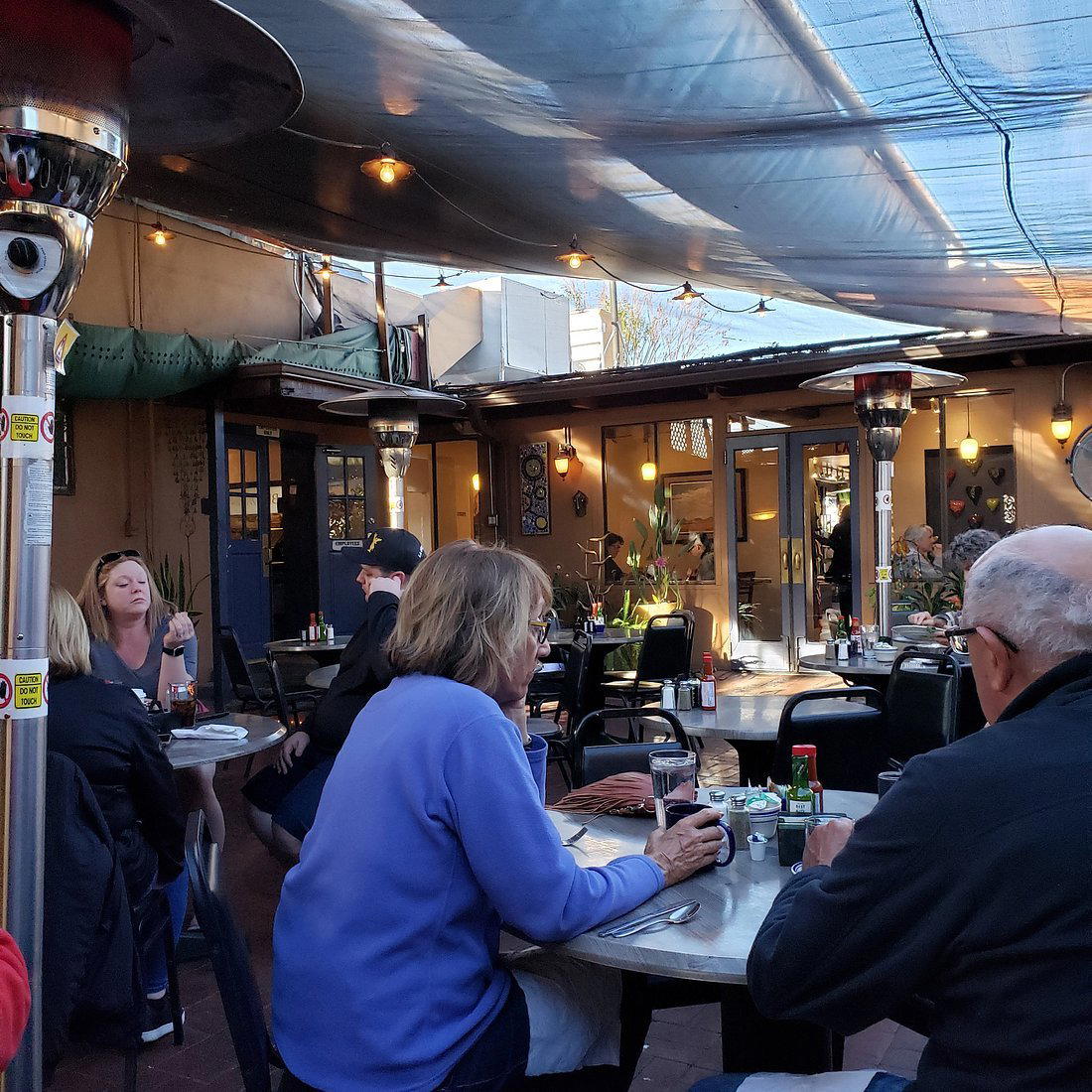
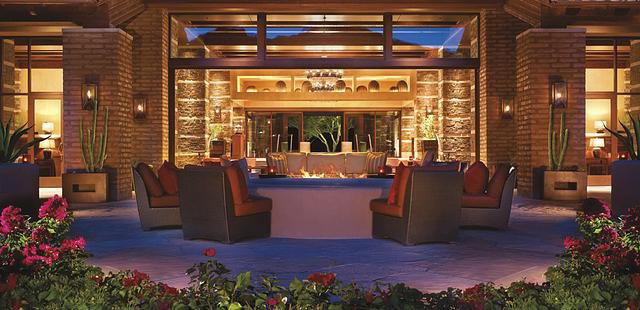
Relaxed western-themed atmosphere with mountain views, cozy patios, fireplaces, and family-friendly activities amid scenic desert surroundings.