Michelin Bib Gourmand
Our verdict
Petí Gastronomia operates from inside a Pompeia concept store, delivering back-to-back Michelin Bib Gourmand recognition in 2024 and 2025 at prices that sit well below São Paulo's tasting-menu tier. The format speaks to a broader shift in how the city's most thoughtful cooking reaches people who would rather eat well every week than splurge once a season.

Pearl is the En Primeur Club membership app, where members save venues, book tables and use the concierge.
A Concept Store Address With a Michelin Track Record
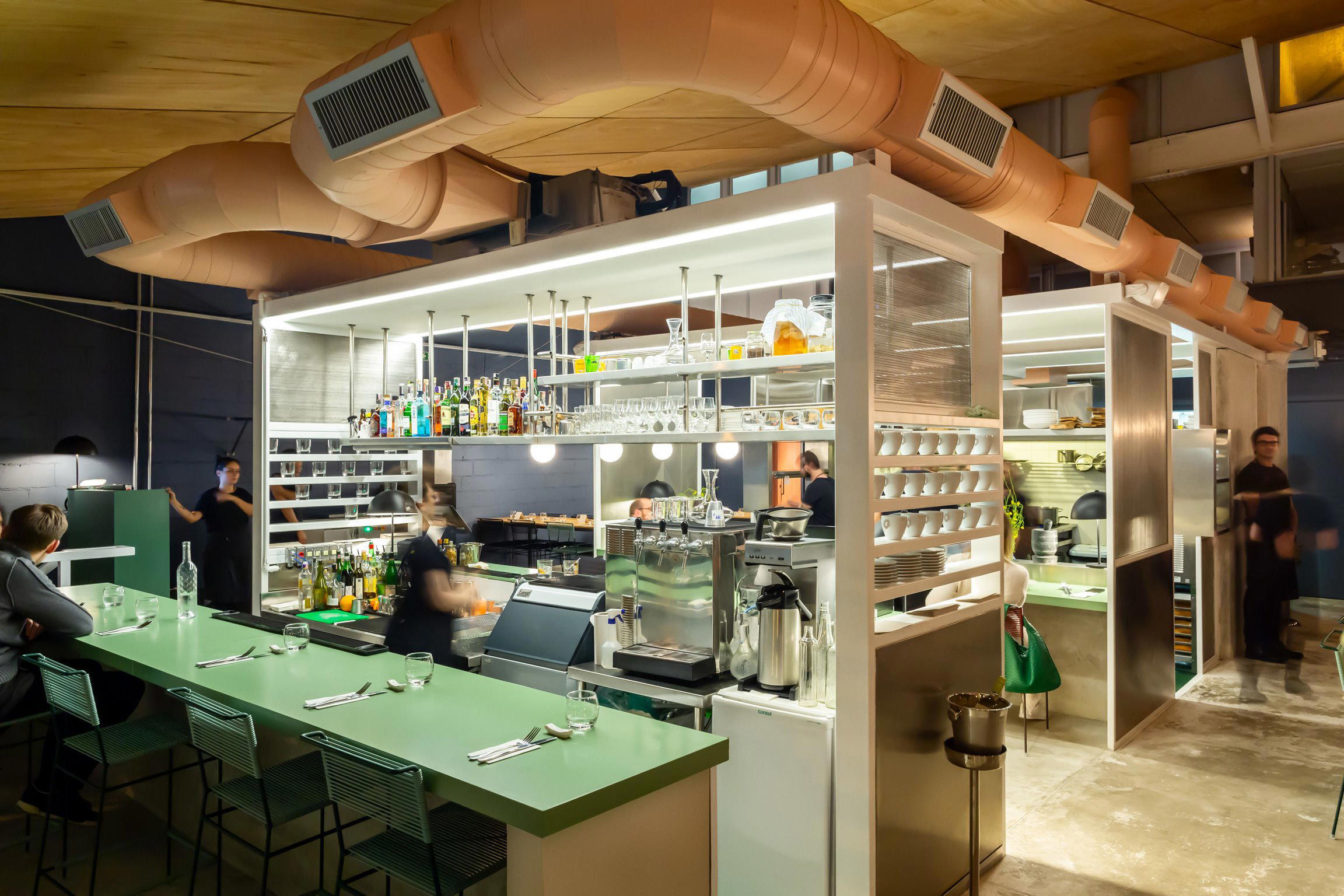
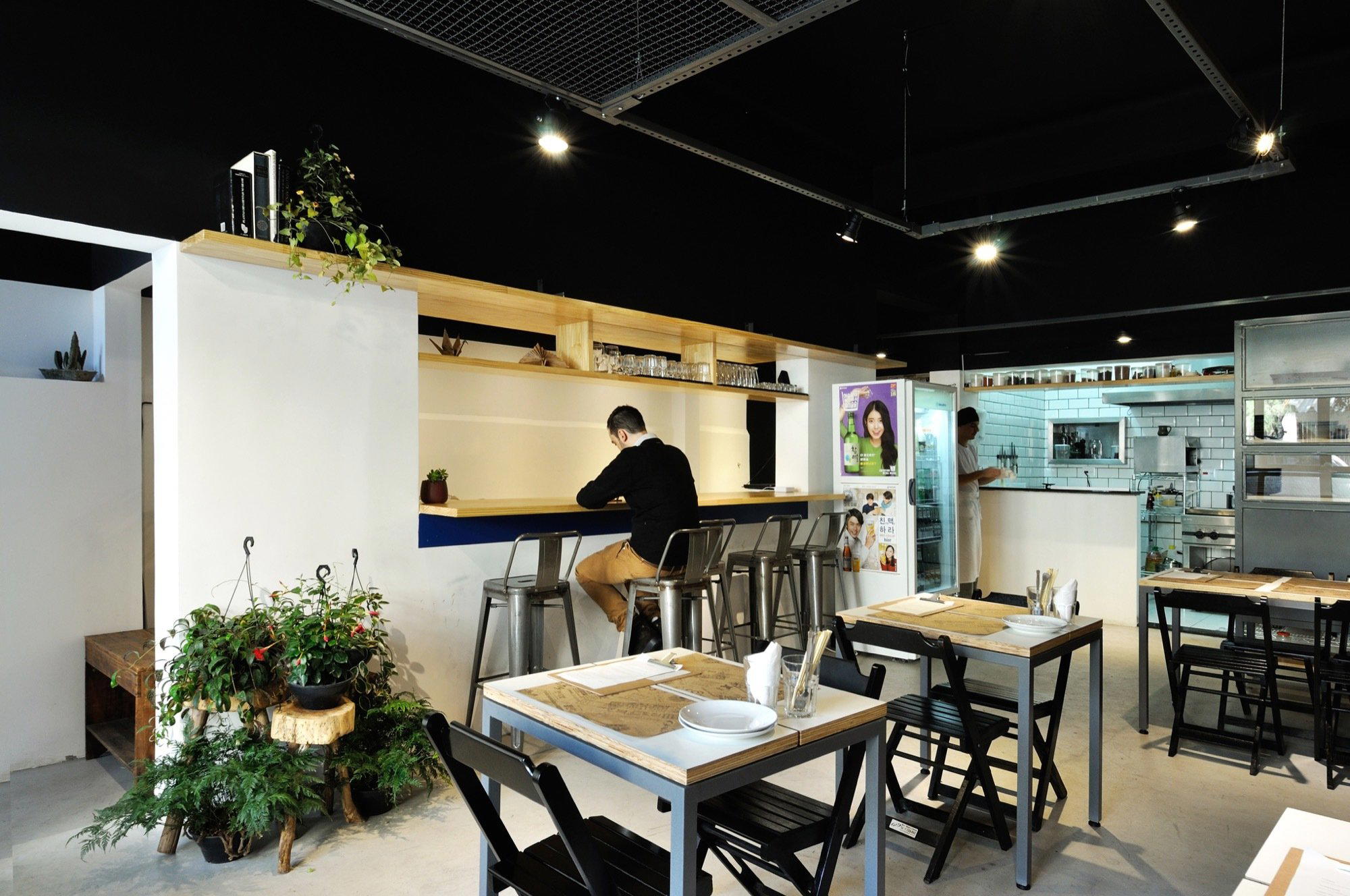
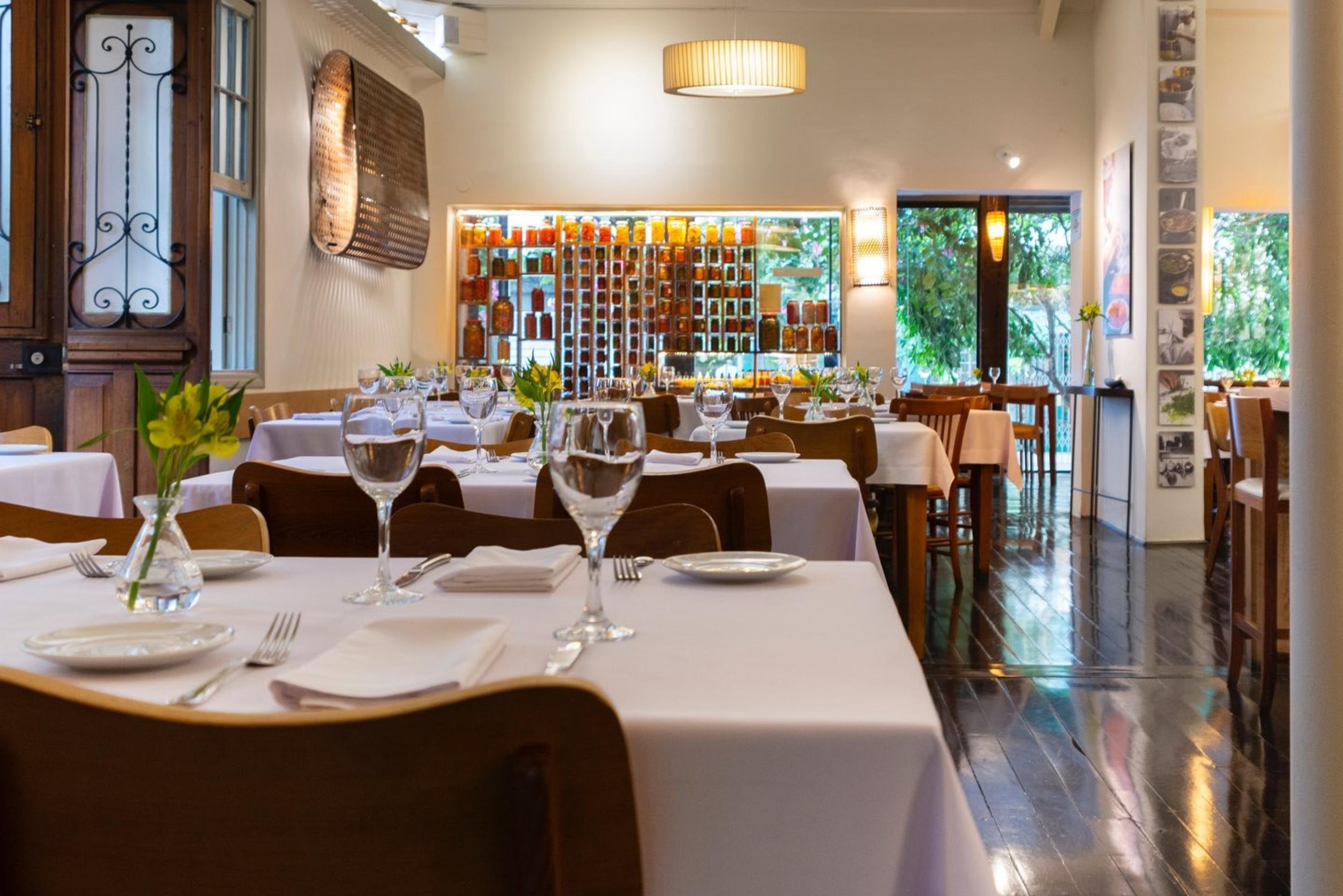
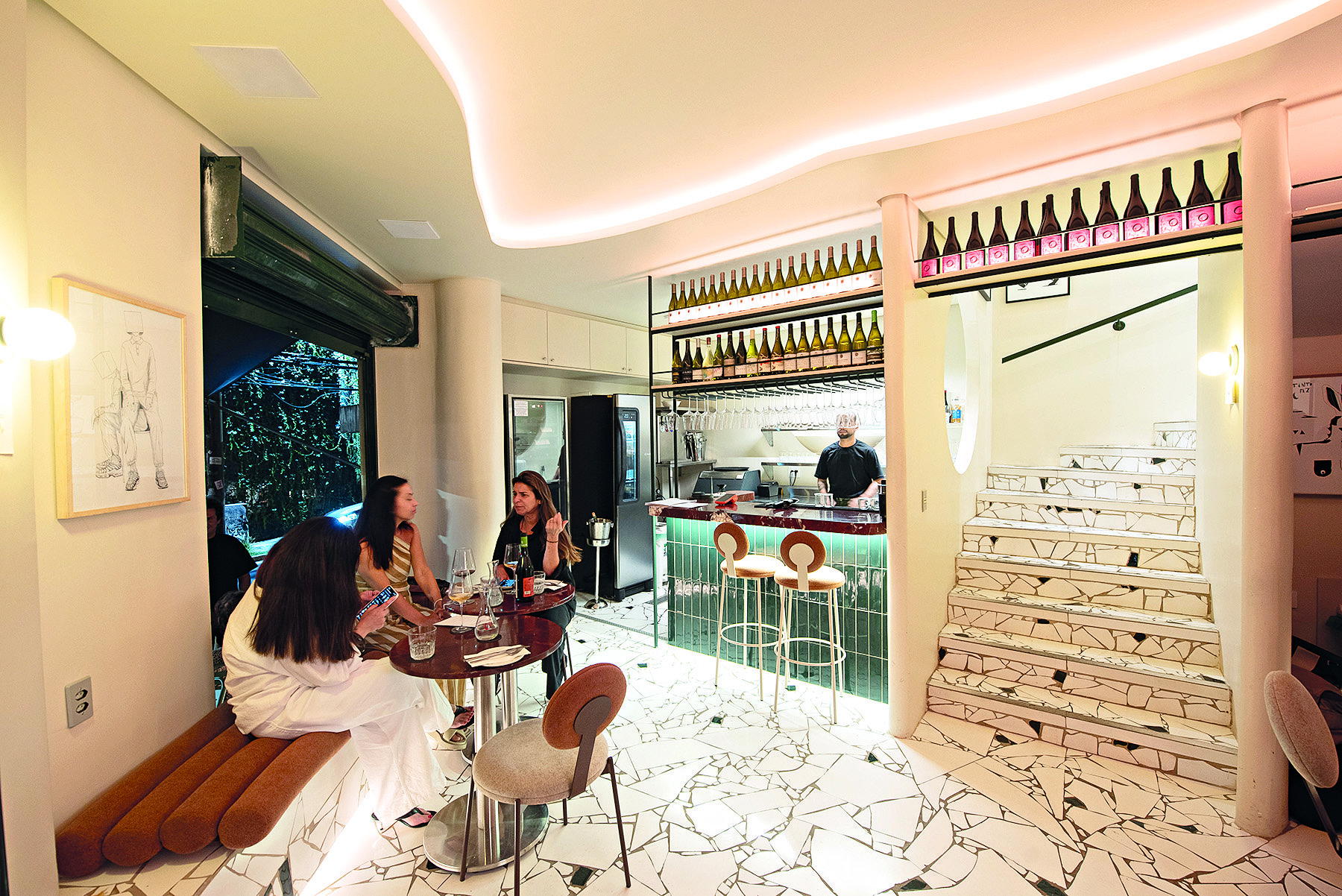
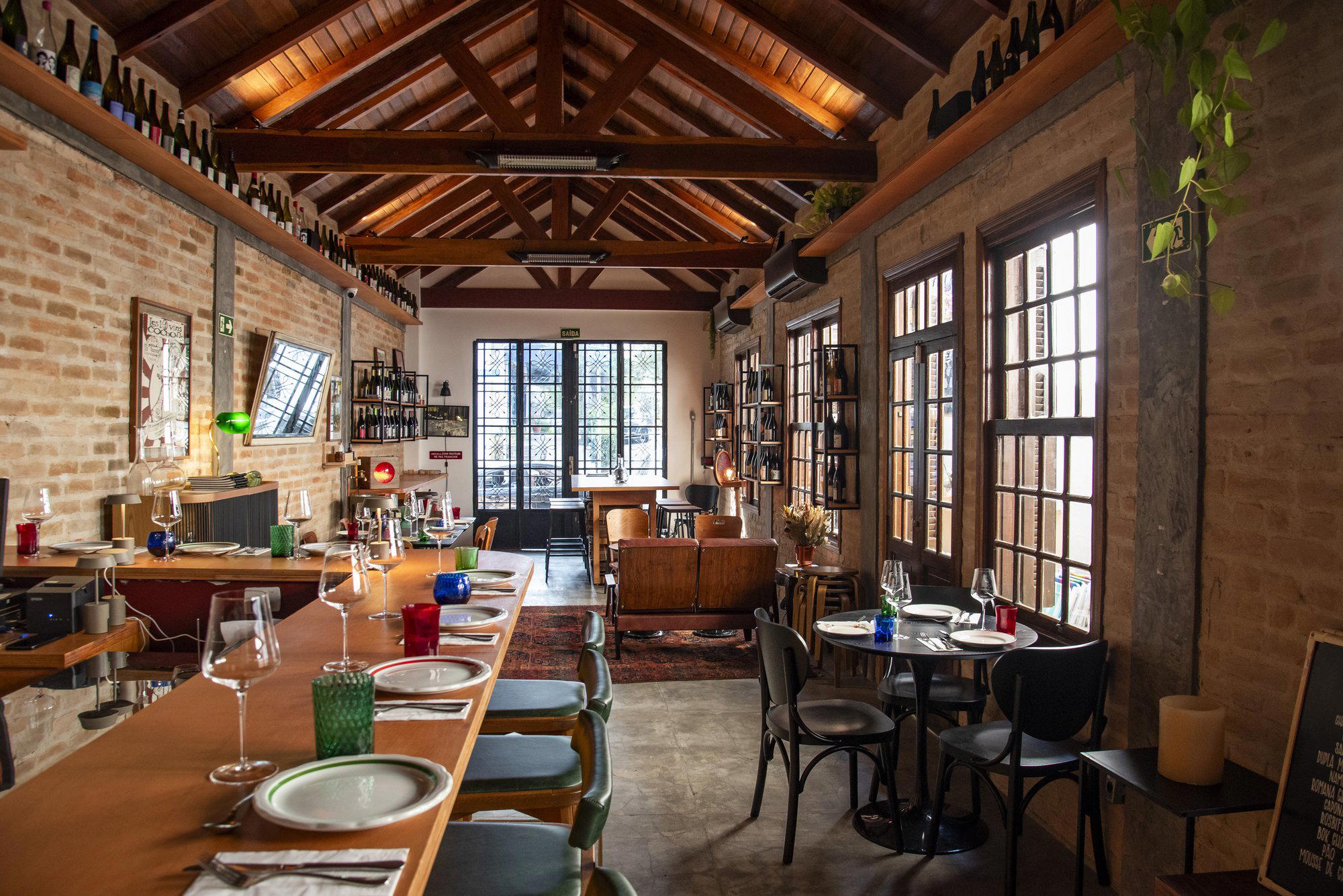
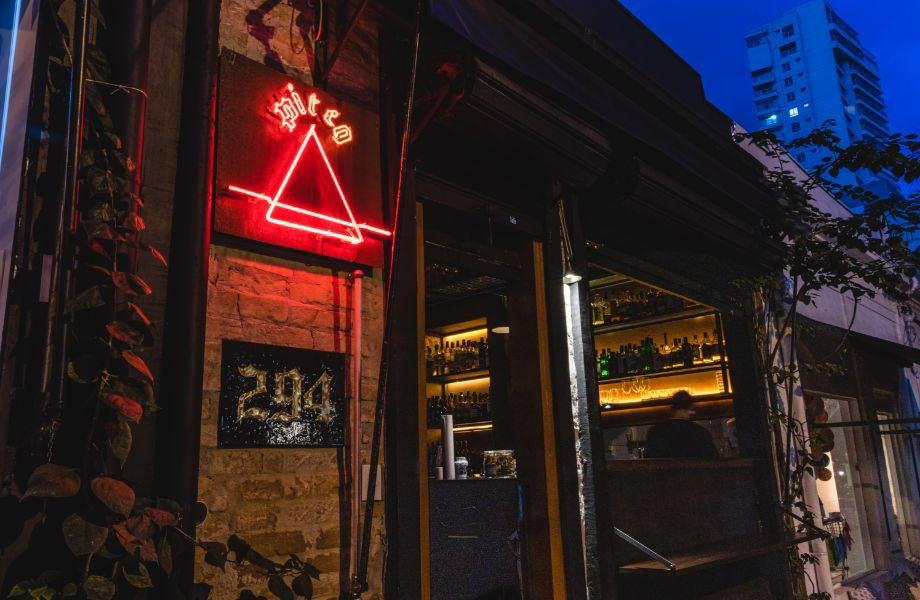
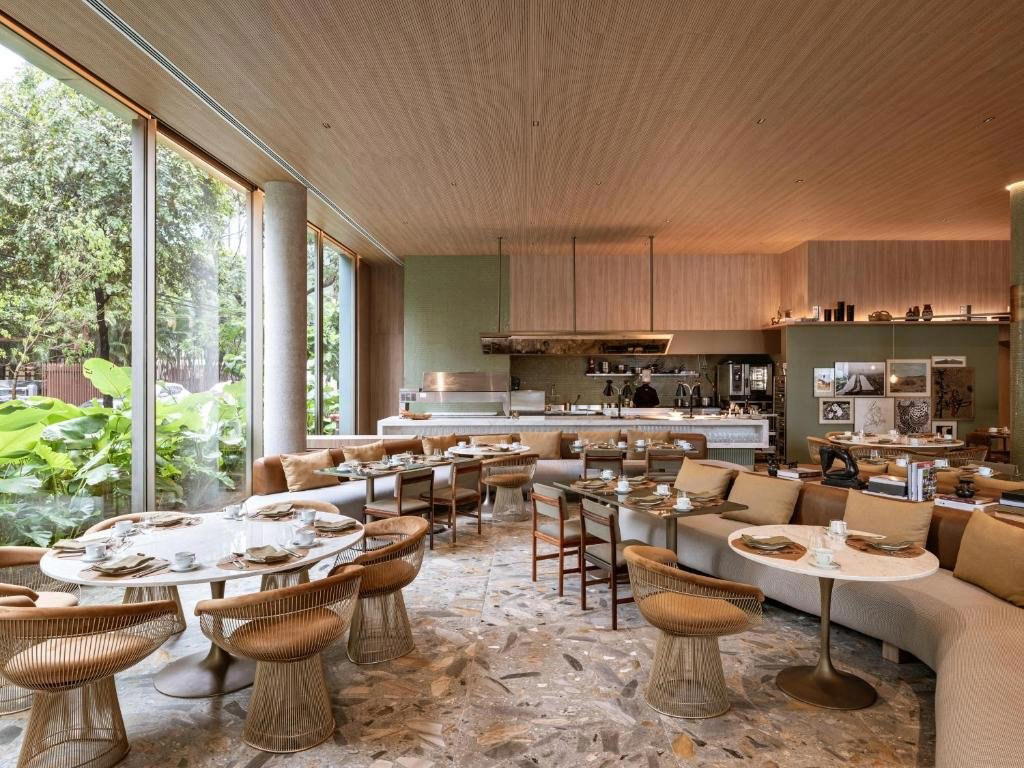
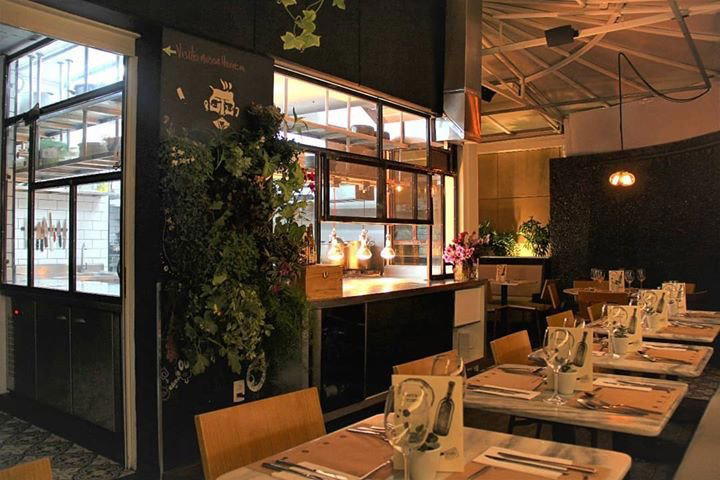
São Paulo's Pompeia neighbourhood has long run on the logic that good things arrive unannounced. The district's streets, lined with independent workshops, fabric merchants, and low-rise residences, don't read as dining destinations in the way that Jardins or Vila Nova Conceição do. That is partly what makes the address on Rua Cotoxó worth attention. Petí Gastronomia operates from inside Pintar, a concept store at number 110, and the physical arrangement already signals something about the values at work here: the kitchen shares space with a retail environment rather than occupying a standalone room engineered to signal prestige. Arriving, you're entering a working neighbourhood business, not a dining theatre.
Across Brazil, a small number of restaurants have arrived at this kind of embedded model, where the dining space is secondary to the neighbourhood ecology around it. In São Paulo specifically, venues like Manioca and Animus illustrate how serious kitchens can operate outside the formal fine-dining envelope.
What the Bib Gourmand Designation Actually Means
Michelin's Bib Gourmand category was designed precisely for this argument: that price and quality are not opposed, and that the most interesting food in a city is sometimes its most accessible. In São Paulo, where the Michelin Guide covers both the $$$$ bracket occupied by D.O.M. and Evvai and the mid-range tier where value-per-plate logic applies, a Bib Gourmand awarded in consecutive years, 2024 and 2025, is a meaningful signal. It means the inspectors returned, the kitchen had not slipped, and the price-to-quality ratio held.
Petí's single-dollar price range places it at the accessible end of the São Paulo Modern Cuisine segment. That positioning is relevant because it widens the competitive frame: this kitchen is not being evaluated against tasting-menu counters charging four figures per head. It competes with the broader category of neighbourhood restaurants where the cooking is the point and the setting is incidental. At that price tier, consistent Michelin recognition across two years is a sharper achievement than it might appear.
Modern Cuisine in a Low-Footprint Frame
The editorial angle that Petí's address and format invite is not nostalgia for simpler times but something more considered: a model of hospitality with a low environmental and spatial footprint. Internationally, there is a documented movement toward what critics have started calling the micro-restaurant format, kitchens with small seat counts, embedded community locations, and menus built around reduction and sourcing discipline rather than maximalist presentation. Frantzén in Stockholm and FZN by Björn Frantzén in Dubai represent the high-investment, high-complexity end of that same conversation, where the physical container and the sourcing story are inseparable. Petí operates in a different register, the $ price range rules out the luxury sourcing budget, but the structural instinct is related: keep the operation contained, keep the footprint honest.
In Brazil's wider dining scene, kitchens working in this mode include Manga in Salvador, Lasai in Rio de Janeiro, and the quietly serious Mina in Campos do Jordão, all of which have built recognition around cooking that respects ingredient provenance without requiring a prix-fixe format to make the case. Orixás | North Restaurant in Itacaré extends this logic into regional ingredients from the northeast. What unites them is a refusal to treat environmental and sourcing seriousness as the exclusive territory of expensive restaurants.
The Pompeia Setting as Editorial Context
Pompeia was shaped by the Italian immigrant community that arrived in São Paulo in the early twentieth century and settled in the working-class districts west of the centre. It carries that inheritance visibly: tile-fronted buildings, a density of small trades, the Sesc Pompeia cultural complex designed by Lina Bo Bardi, which remains one of the most significant pieces of adaptive reuse in Latin American architecture. A restaurant embedded in a concept store on these streets is not making a contrarian gesture. It is, in a practical sense, behaving like the neighbourhood.
That matters to a sustainability reading of the place. A kitchen operating inside an existing retail footprint does not require a purpose-built build-out. The supply chain for an accessible modern cuisine format in this district draws on São Paulo's well-developed network of market vendors, regional producers, and the weekly feiras that supply much of the city's independent restaurant sector. None of that is unique to Petí, many neighbourhood kitchens in the city work this way, but it contextualises why the format and the address feel consistent with each other.
For comparison, the Bib Gourmand tier across the São Paulo guide includes kitchens like A Casa do Porco, which sits at $$, and others in the $$ bracket that demonstrate the city's depth in accessible serious cooking. Petí's single-$ designation places it a further step down in price, which, with consecutive Michelin recognition, positions it as one of the more efficient value propositions in the current guide.
Visitors planning a broader São Paulo itinerary can find the full context through our full São Paulo restaurants guide. Those extending into other categories will find relevant coverage in our full São Paulo hotels guide, our full São Paulo bars guide, our full São Paulo wineries guide, and our full São Paulo experiences guide. For those interested in the southern Brazil circuit, Primrose in Gramado and Castelo Saint Andrews in Vale do Bosque offer further reference points. São Paulo's strongest mid-range table in the Modern Cuisine space with a more established profile is Nelita, which occupies an adjacent competitive tier.
Know Before You Go
- Address: Inside Loja Pintar, Rua Cotoxó 110, Pompeia, São Paulo, SP 05021-000
- Price range: $ (accessible; among the lower-priced Bib Gourmand entries in the São Paulo guide)
- Awards: Michelin Bib Gourmand 2024 and 2025
- Cuisine: Modern Cuisine
- Booking: No booking method confirmed in available data; given the embedded format and neighbourhood scale, arriving early or checking local platforms is advisable
- Getting there: Pompeia is accessible by taxi or rideshare from central São Paulo; the neighbourhood sits west of the centre and is not directly served by metro
Frequently asked questions
How do I find Petí Gastronomia?
Petí Gastronomia is located at Dentro da loja Pintar - R. Cotoxó, 110 - Pompeia, São Paulo - SP, 05021-000, Brazil, São Paulo.
Is Petí Gastronomia more mid-range or high-end?
Pricing at Petí Gastronomia is listed as $.
What kind of recognition has Petí Gastronomia received?
Petí Gastronomia has received recognition including: Michelin Bib Gourmand (2025); Michelin Bib Gourmand (2024).
What do regulars order at Petí Gastronomia?
Verified menu details are not part of the public record, but two consecutive Bib Gourmand awards (2024 and 2025) at a single-$ price point indicate the kitchen is producing modern cuisine that Michelin inspectors returned to confirm. That level of repeat recognition at this price tier points to a tight, focused menu rather than an expansive one, dishes that hold up across seasons, not specials designed to impress once.
Is Petí Gastronomia focused on a specific cuisine style?
What's the best way to book Petí Gastronomia?
No phone number or website is listed in verified sources, which is consistent with a small-format kitchen operating inside Loja Pintar on Rua Cotoxó, 110 in Pompeia. Arriving in person or checking the host store's social channels is the most reliable path. Given the back-to-back Bib Gourmand profile, seats at this price point fill early in the week.
Compact Comparison
| Venue | Cuisine | Price | Awards | Notes |
|---|---|---|---|---|
| Petí GastronomiaThis venue (the venue you are viewing) | Modern Brazilian Contemporary | $20–30 | Michelin Bib Gourmand | Not listed |
| Evvai | Modern Italian-Brazilian Fusion | $200–300 | 3 Michelin Stars · World's 50 Best #95 | Contemporary Italian, Modern Cuisine |
| D.O.M. | Modern Brazilian Amazonian Fine Dining | $150–200 | 2 Michelin Stars · World's 50 Best #74 | Modern Brazilian, Creative |
| Maní | Modern Creative Brazilian | $50–100 | 1 Michelin Star · World's 50 Best #67 | Brazilian - International, Creative |
| Jun Sakamoto | Japanese Omakase | $100–150 | 1 Michelin Star · La Liste Top Restaurants | Sushi, Japanese |
| A Casa do Porco | Modern Brazilian Pork-Centric | $30–50 | Michelin Bib Gourmand · World's 50 Best #25 | Regional Brazilian, Brazilian |
Recognition history
Dated appearances from independent guides and award organizations, with the underlying list record or original source where available.
Michelin Bib Gourmand
Michelin
Full recognition history (3 entries)
Michelin Bib Gourmand
Michelin
Michelin Bib Gourmand
Michelin