Penca
Situated on East Broadway Boulevard in downtown Tucson, Penca occupies a stretch of the city that has watched the border-influenced dining scene shift considerably over the past decade. The address places it within walking distance of a cluster of restaurants reflecting Tucson's 2015 UNESCO Creative City of Gastronomy designation, a credential that reshaped how the city's food culture is discussed nationally.
Pearl is the En Primeur Club membership app — saves, bookings, and concierge access live there. Same editors, same standards.
- Address
- 50 E Broadway Blvd, Tucson, AZ 85701
- Phone
- +15202037681
- Website
- url
- Directions
- Get directions
 Saves & bookings on Pearl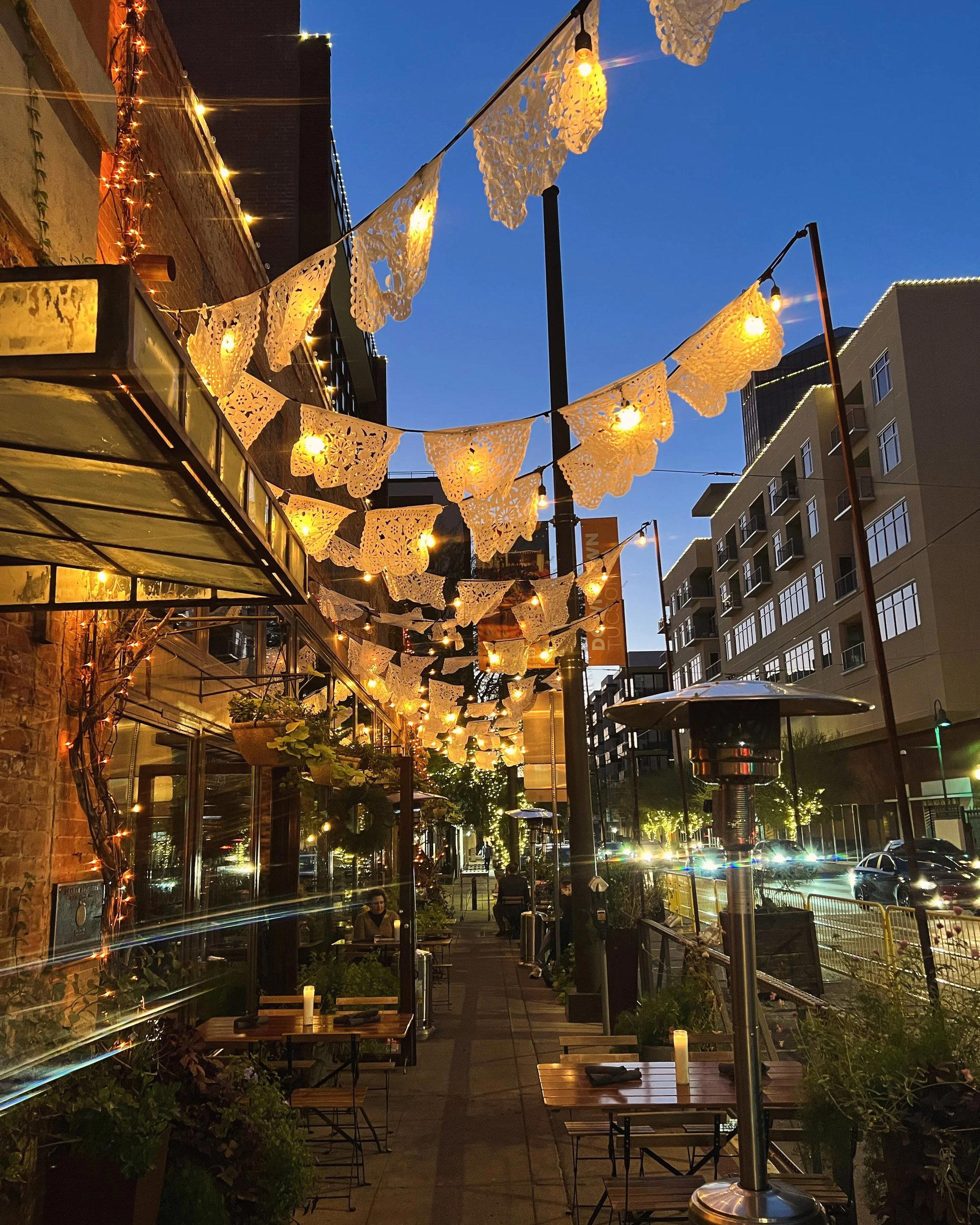
Downtown Tucson's Evolving Dining Scene and Where Penca Sits Within It
East Broadway Boulevard in downtown Tucson is not the same street it was ten years ago. Tucson's border-proximate, Indigenous-inflected food culture deserves treatment beyond the Tex-Mex shorthand that flattened it for decades. Penca, at 50 E Broadway Blvd, sits squarely in this recalibrated zone, in a city now taken seriously as a dining destination on its own terms rather than as a waypoint between Phoenix and the Mexican border.
Downtown Tucson dining has moved away from generic Southwestern flavors and toward more specific regional references. Venues in this part of the city increasingly position themselves against the deeper culinary traditions of Sonora, rather than a pan-Mexican or generic American Southwest palette. That positioning reflects a local scene where sourcing specificity matters more than it once did. Penca operates in that context, drawing diners who are familiar with the broader argument the city is now making about its food identity.
What the Address Signals
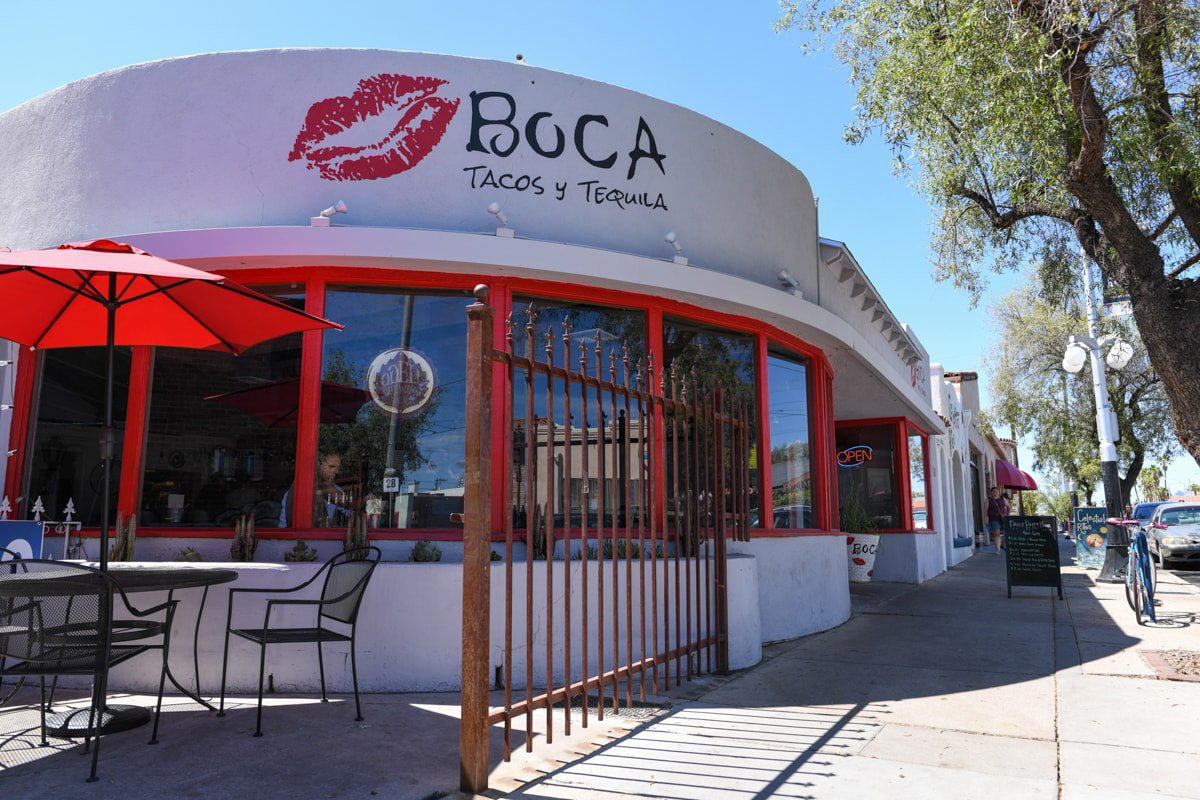
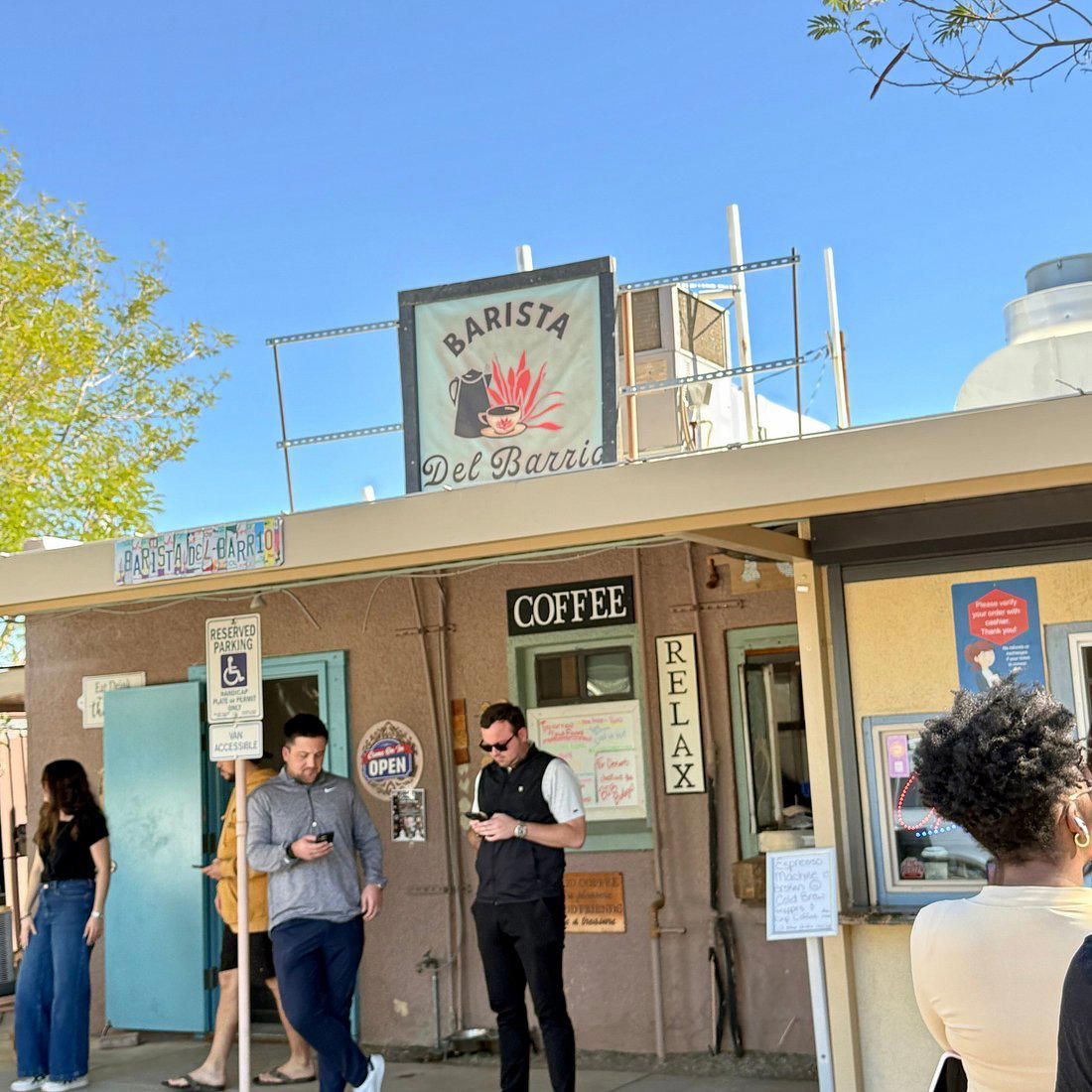
The Broadway Boulevard address is practical. Downtown Tucson's restaurant cluster is compact enough to plan an evening across multiple stops. Barista del Barrio and BOCA by Chef Maria Mazon both operate nearby. Amelia's Mexican Kitchen and Cafe Desta extend the neighborhood's range further, while 5 Points Market and Restaurant anchors a different, more market-driven corner of the scene. Penca does not operate in isolation; it is part of a dining district that functions as a coherent argument for Tucson's gastronomy designation.
That proximity matters for planning. Visitors arriving from out of state often anchor in downtown and work outward, and Broadway provides a logical entry point. Parking and walkability in this section of downtown are functional, though the area is better explored on foot once you have arrived by vehicle or rideshare.
The Reinvention Arc: How Border-Proximate Dining Changes
Restaurants on this end of the Arizona dining spectrum have undergone a visible evolution over the past decade. The pivot has not been toward molecular technique or tasting-menu formalism, the path followed by venues like Alinea in Chicago or Atomix in New York City. Instead, the movement here has gone deeper into regional specificity and ingredient sourcing, with a distinct Sonoran lens replacing a vague Southwest generalism. It changes which suppliers matter, which traditions are cited, and how menus are written and described to guests.
Penca reflects this arc. The name itself references the penca, the leaf of the agave plant, a reference that locates the concept firmly within border-region culinary vocabulary rather than a generic American bar and restaurant framework. That kind of naming decision is not incidental: it signals the conversation the venue wants to join. In a city where BOCA by Chef Maria Mazon has already drawn national attention for exactly this kind of regional specificity, Penca operates in a space where the argument has been made and the audience is increasingly literate about what it means.
The evolution of this type of venue also intersects with a national reconsideration of what ambitious American dining looks like outside the coastal fine-dining axis. Restaurants such as Blue Hill at Stone Barns in Tarrytown or Single Thread Farm in Healdsburg have demonstrated that place-rooted sourcing, when executed with discipline, earns attention that transcends geography. Tucson's version of that argument is different in character, inflected by desert agriculture, Indigenous grain traditions, and proximity to Sonora, but the underlying logic is the same: specificity of place, when made legible to the guest, generates a kind of authority that generic menus cannot replicate.
The Agave Angle
Among the structural shifts in Southwestern dining, the rise of serious agave programs has been among the more consequential. Mezcal and regional spirits categories have moved from afterthought to anchor in venues across this part of the country, and Broadway's better-credentialed spots have responded accordingly. A reference in the name to the agave leaf is not a branding flourish in this context; it positions the drink program as integral to the concept rather than supplementary to a food menu.
This matters because the agave category has bifurcated nationally. On one end sit venues treating mezcal as a trend-adjacent addition to a standard cocktail list. On the other are operations where the spirit program reflects genuine sourcing knowledge, producer relationships, and menu integration. Downtown Tucson, sitting at the geographic and cultural intersection most relevant to this category, is better positioned than most American cities to execute in the latter mode. The conceptual framework is in place.
Planning a Visit
Tucson operates on a different dining tempo than Phoenix or Scottsdale. The city is not trying to replicate the resort-driven, high-volume hospitality model of its northern neighbor. The better restaurants here tend to be smaller, more idiosyncratic, and more dependent on local regulars than on tourist traffic. That combination can make them feel less polished to visitors expecting the production values of, say, Le Bernardin in New York City or The French Laundry in Napa, but it also produces a directness and specificity that those larger operations sometimes lose. Penca, on Broadway in the heart of this district, fits that pattern.
For a full picture of where Penca sits within the broader Tucson dining conversation, the EP Club Tucson restaurants guide maps the city's scene across neighborhoods and cuisines. Emeril's in New Orleans, Lazy Bear in San Francisco, Providence in Los Angeles, Addison in San Diego, and The Inn at Little Washington each represent a different regional ambition at the formal end of American dining; Tucson's version of that ambition is less formal and more frontier, which is precisely the point. 8 1/2 Otto e Mezzo Bombana in Hong Kong offers a useful contrast in how a city's culinary identity can be exported and formalized; Tucson is doing something closer to the opposite, rooting its dining identity more deeply in place.
Reputation First
Comparable venues nearby, for context on price, style, and recognition.
| Venue | Cuisine | Price | Notes |
|---|---|---|---|
| PencaThis venue — the venue you are viewing | Modern Central Mexican | $$ | Not listed |
| Barista del Barrio | Authentic Mexican Breakfast Burritos | $ | Barrio Viejo |
| El Sur Mexican Restaurant | Sonoran Mexican | $ | .eastside |
| Guadalajara Fiesta Grill | Authentic Mexican Grill | $$ | East Side |
| GRINGO grill + cantina | Sonoran Mexican Grill + Cantina | $$ | Casas Adobes |
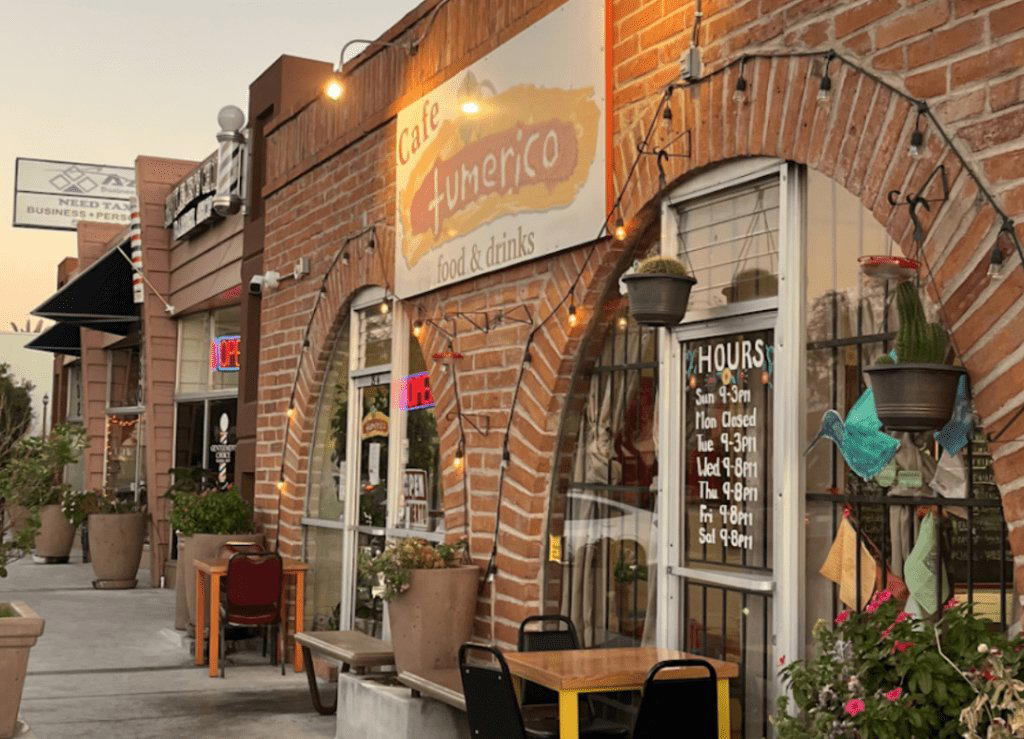
| Tumerico | Modern Vegan Mexican | $$ | Sam Hughes |
At a Glance
- Trendy
- Modern
- Industrial
- Cozy
- Date Night
- Special Occasion
- Business Dinner
- Open Kitchen
- Private Dining
- Craft Cocktails
- Extensive Wine List
- Natural Wine
- Farm To Table
- Local Sourcing
Current opening hours
- Monday
- Closed
- Tuesday
- Closed
- Wednesday
- 4:30–9:30 PM
- Thursday
- 4:30–9:30 PM
- Friday
- 4:30–9:30 PM
- Saturday
- 3:30–9:30 PM
- Sunday
- 3:30–9 PM
Hours can change for holidays and private events. Last verified .
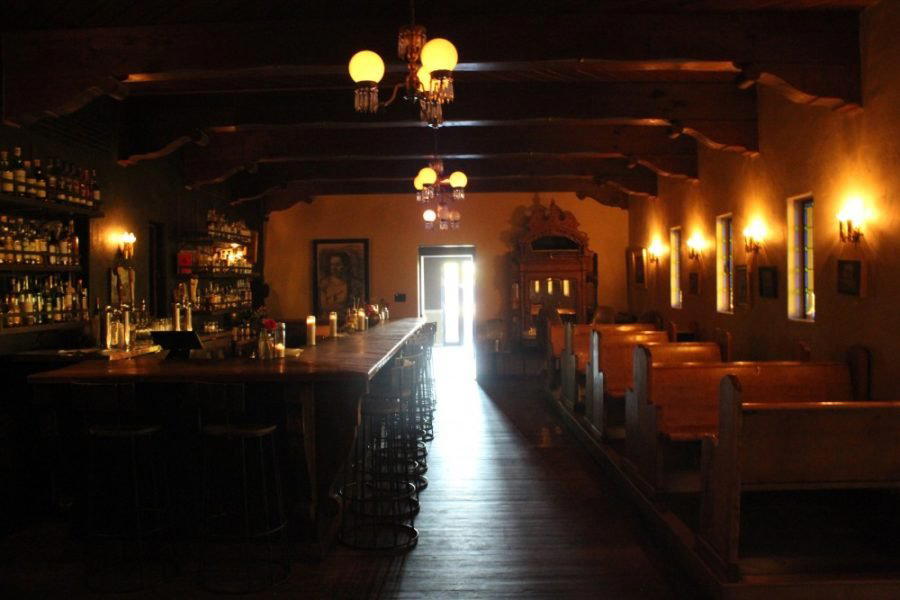
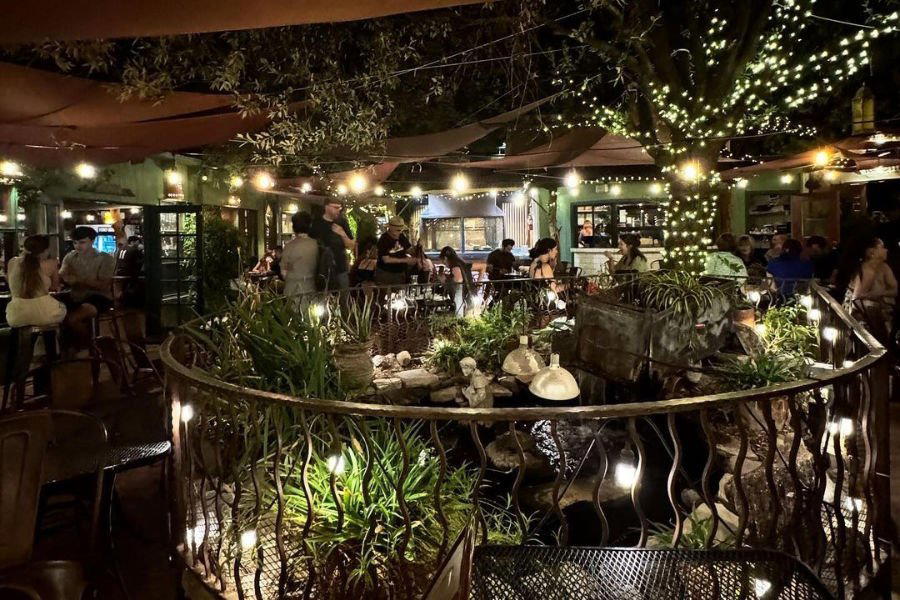
Industrial warehouse-style interior with warm inviting atmosphere, large shelves of wine and preserves, comfortable lighting, and a bustling yet balanced energy.