
SCMP 100 Top Tables Restaurants
Our verdict
Path sits in Tsim Sha Tsui, a district where late dining, upstairs rooms, and cross-border foot traffic shape the rhythm of a meal. The appeal is less about spectacle than pacing: an evening address for diners who read Hong Kong restaurants through ritual, timing, and neighbourhood pressure rather than postcard views.

Pearl is the En Primeur Club membership app, where members save venues, book tables and use the concierge.
The menu
What to order
- Slow-cooked beef short rib croissant
- Flower crab dan dan noodles with roasted cashew sauce and chile oil
- Yellow chicken in aromatic broth
Hong Kong does not behave like a ceremonial dining street. It works in layers: shopfront glare at pavement level, signs stacked above one another, lifts carrying diners toward rooms that ask for attention only after the city has done its work. In Hong Kong, that verticality matters. Restaurants often sit above the noise rather than away from it, and the meal begins with a small act of separation from the city’s commercial charge.
Path belongs to that Hong Kong category where the room is part of a broader dining ritual: arrive after the office rush, let the city thin slightly, and treat dinner as a measured late-evening sequence rather than a quick refuel. The available public record supports reading the restaurant as a deliberate night out rather than an all-purpose neighbourhood fallback, with recognition from SCMP 100 Top Tables 2026 - Restaurants giving it a clear place in the city’s dining conversation.
Hong Kong dining rewards pacing over theatre
Hong Kong has always been a useful test of restaurants because the audience is mixed: hotel guests, local regulars, cross-city diners, and late-night groups all share the same streets. The city can reward volume and spectacle, but smaller rooms create a different contract. The diner gives the restaurant time; the restaurant, in turn, has to control rhythm, temperature, and sequence without leaning on skyline drama.
That is where Path is better read as part of a dining custom than as a standalone address. The point is not simply what sits on the table, but how an evening is paced in a compact urban room: the arrival, the pause between courses or rounds, the willingness to let the meal occupy the night. Hong Kong dining often compresses speed and seriousness into the same hour. In this city, the sharper restaurants understand that restraint can be as defining as abundance.
Compared with other named points in the city such as Tin Heung Lau, FINDS, and Hanabi, this kind of address is best placed by mood and format rather than by over-specific claims. The identity is carried less by a single public checklist than by the way the meal is staged. That distinction matters for readers choosing between tradition-led dining, concept-led dining, and a more flexible evening format.
The ritual is the draw, not a checklist of signatures
Hong Kong diners are fluent in format. A tasting counter, a banquet room, a noodle shop, and a hotel dining room all come with their own etiquette, and regulars know how to read the signals quickly. Path asks for the same kind of reading. The available facts do not point to a public chef cult, a declared signature dish, or a heavily codified cuisine label. That absence shifts attention toward the experience itself: a Hong Kong dinner framed by timing, discretion, and the social choreography of the room.
For a city with deep dining rituals, this looser format is not a weakness. It reflects a broader Hong Kong habit of using restaurants as evening infrastructure: places where conversation, pacing, and the order of the night matter as much as taxonomy. The critical question is whether the room gives enough structure to the meal. In a city crowded with quick turnover and high-footfall dining, a controlled evening format has value precisely because it refuses to behave like a transit stop.
The restaurant’s recognition in SCMP 100 Top Tables 2026 - Restaurants should be treated carefully rather than inflated into a claim it does not support. More useful trust signals come from objective context: its inclusion in that list, its Hong Kong setting, and its place within one of the city’s densest dining cultures. Those are not decorative details. They shape who comes, how they frame the meal, and what kind of evening the room has to sustain.
How to place it within a Hong Kong itinerary
For travellers, the smarter move is to treat Path as a Hong Kong evening choice rather than a citywide trophy hunt. It pairs naturally with nights when dinner is intended to anchor the evening rather than simply fill a gap. The city’s strength is density: casual rooms, hotel restaurants, upstairs addresses, and late-drinking options sit close enough that the evening can be built in stages.
Readers mapping the wider city can use our full Hong Kong restaurants guide for restaurant context, then compare the city against our full Hong Kong hotels guide, our full Hong Kong bars guide, our full Hong Kong wineries guide, and our full Hong Kong experiences guide. Nearby and citywide reference points are best kept broad: other Hong Kong dining rooms may be useful for mood, format, and pacing, but they should not be treated as direct peers unless the comparison is grounded in the same available record.
For a broader sense of how Hong Kong stretches from street-level eating to formal rooms, compare the city’s unnamed casual counters, hotel dining rooms, upstairs restaurants, and late-evening addresses. Out-of-market references can be useful only as format comparisons, not as local peers, and they should not distract from the way Path sits within Hong Kong’s own dining ecosystem.
The editorial read is simple: Path is for diners who want a Hong Kong night built around tempo. It is not the right choice for anyone looking for a fully documented chef narrative or a list of named signatures before arrival. Its value sits in the way Hong Kong turns dinner into an urban ritual: up from the street, into the room, and into an evening that depends on timing as much as taste.
Frequently asked questions
Has Path won any awards?
Path has received recognition from SCMP 100 Top Tables 2026 - Restaurants.
When can I go to Path?
Check directly with Path for current opening hours before planning a visit.
What part of town is Path in?
Path is located in Hong Kong.
What do critics highlight about Path?
A cautious read should focus on Path’s Hong Kong setting and its recognition from SCMP 100 Top Tables 2026 - Restaurants. That makes it feel geared to an intentional evening meal rather than a casual drop-in.
Cuisine Lens
Comparable options at the same price tier.
| Venue | Cuisine | Price | Awards | Notes |
|---|---|---|---|---|
| PathThis venue (the venue you are viewing) | Modern Chinese Tasting Menu | $150–200 | SCMP 100 Top Tables Restaurants | Not listed |
| Tin Heung Lau | Traditional Chinese with Shanghai Crab Roe Noodles | $50–100 | Not listed | Zhejiang restaurant |
| FINDS | Scandinavian | $50–100 | Not listed | Nordic |
| Hanabi | Omakase Sushi | $100–150 | Not listed | Japanese |
| Ho Ho Chak | Chiu Chow | $30–50 | Michelin Bib Gourmand | Not listed |
| Carat Fine Indian and Mediterranean Cuisine | Fine Indian and Mediterranean Cuisine | $20–30 | Not listed | Not listed |
Recognition history
Dated appearances from independent guides and award organizations, with the underlying list record or original source where available.
SCMP 100 Top Tables Restaurants
SCMP 100 Top Tables
Continue exploring
More in Hong Kong
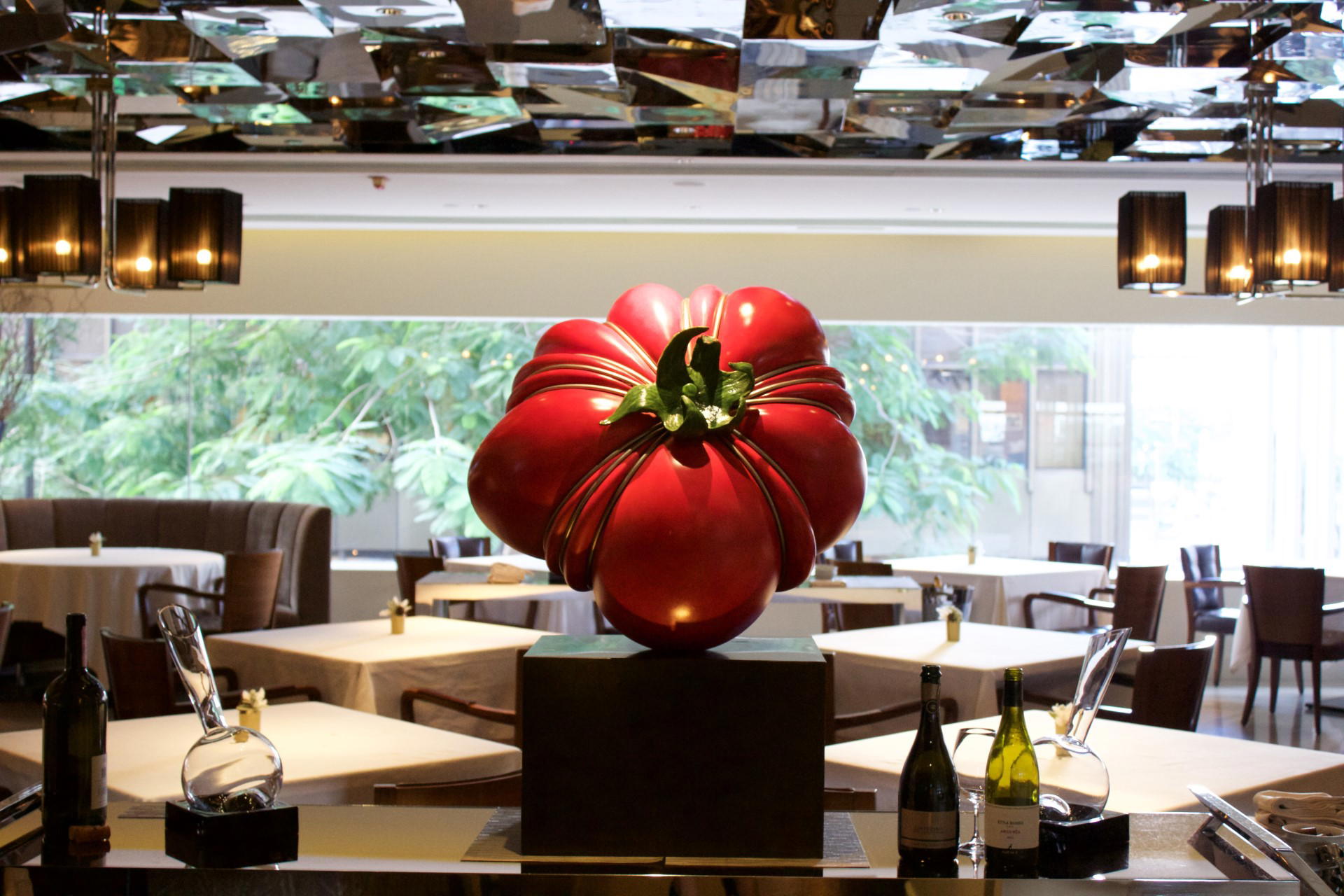
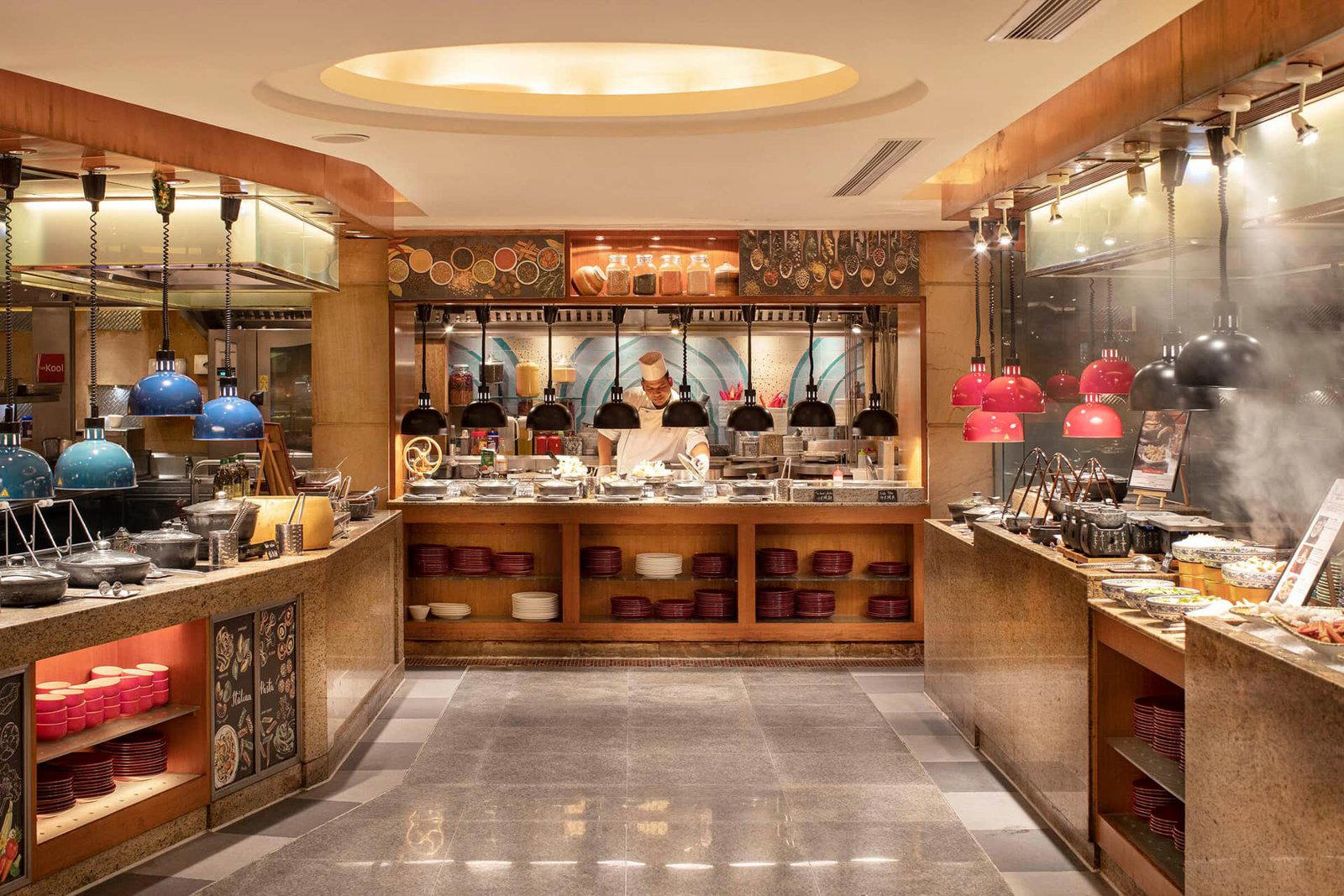
Restaurants in Hong Kong
All restaurants in Hong Kong →
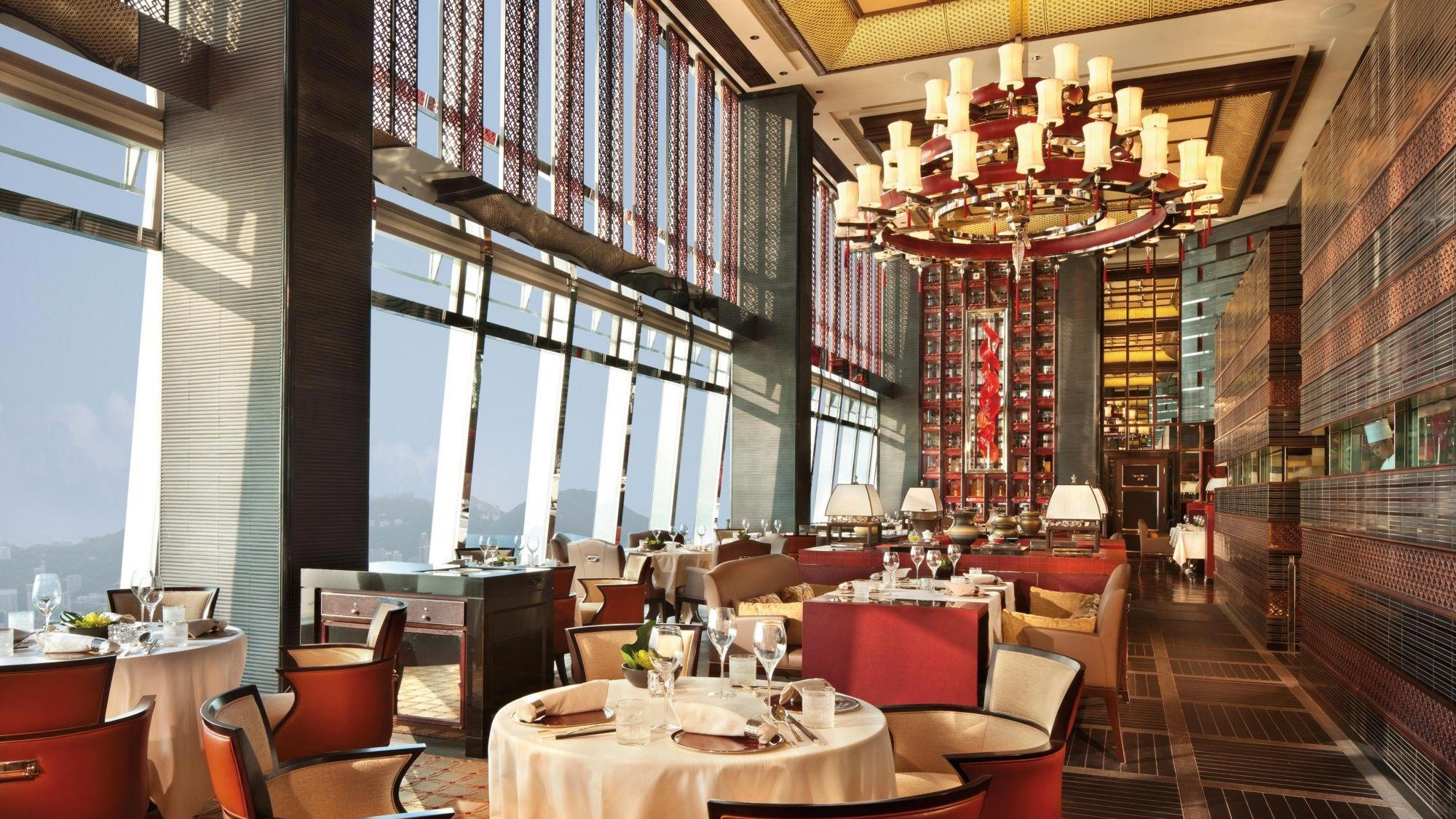
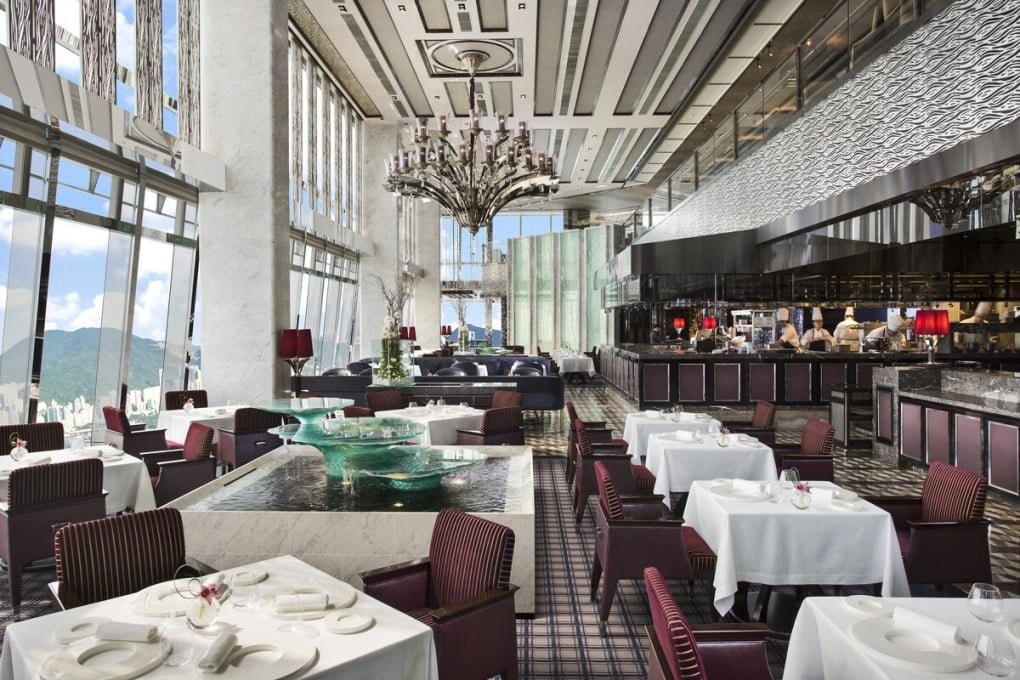
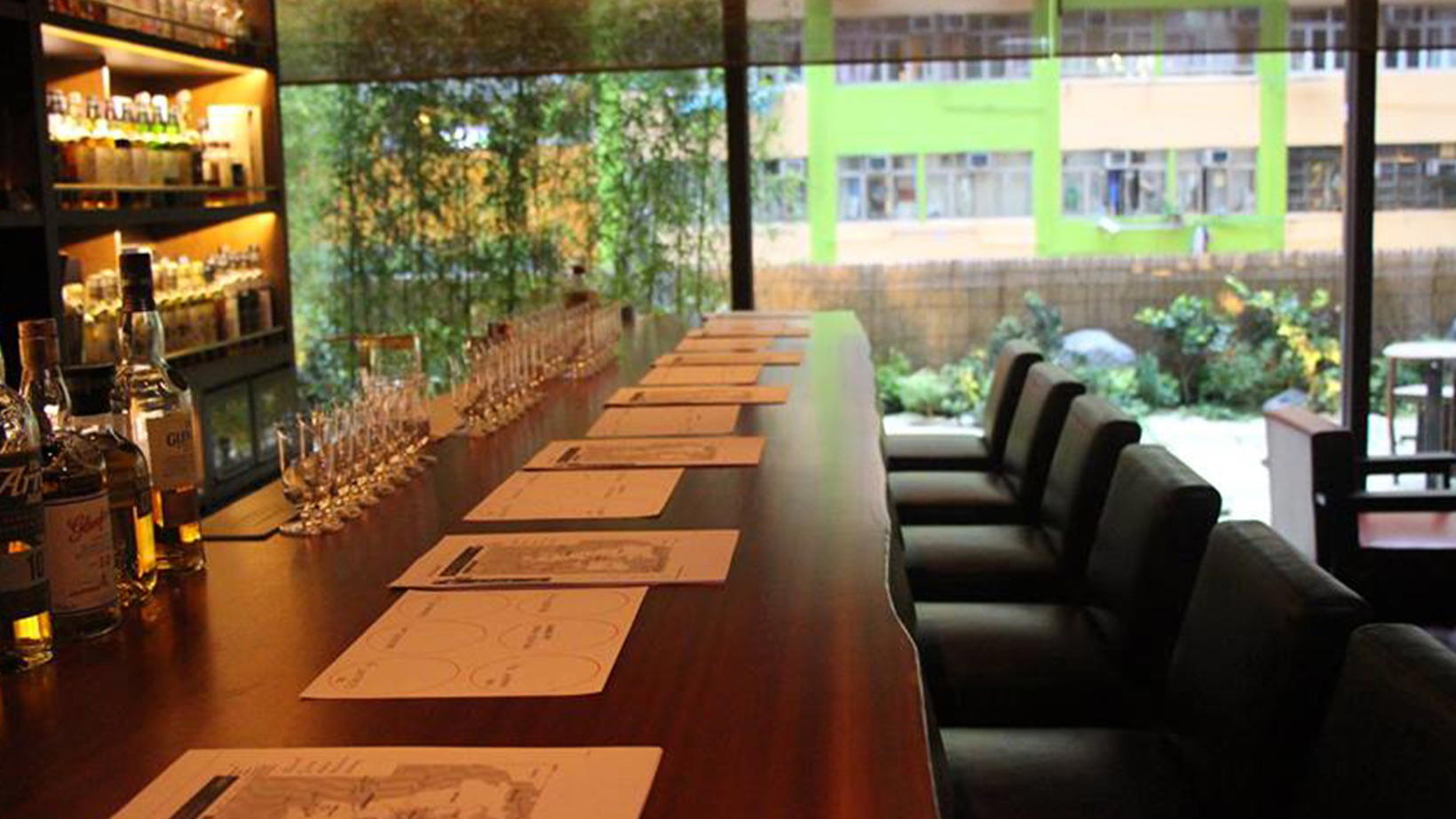
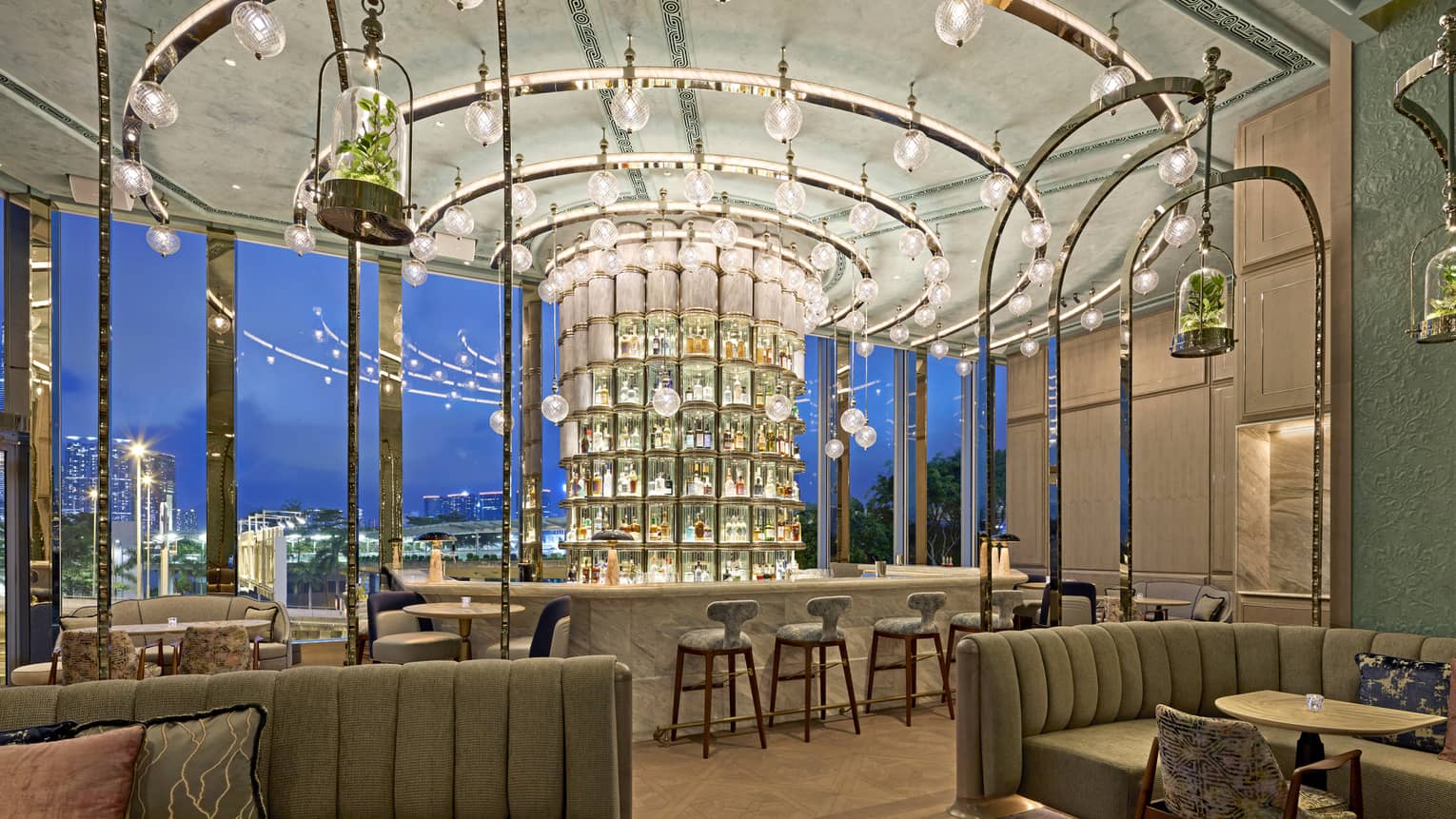
Bars in Hong Kong
All bars in Hong Kong →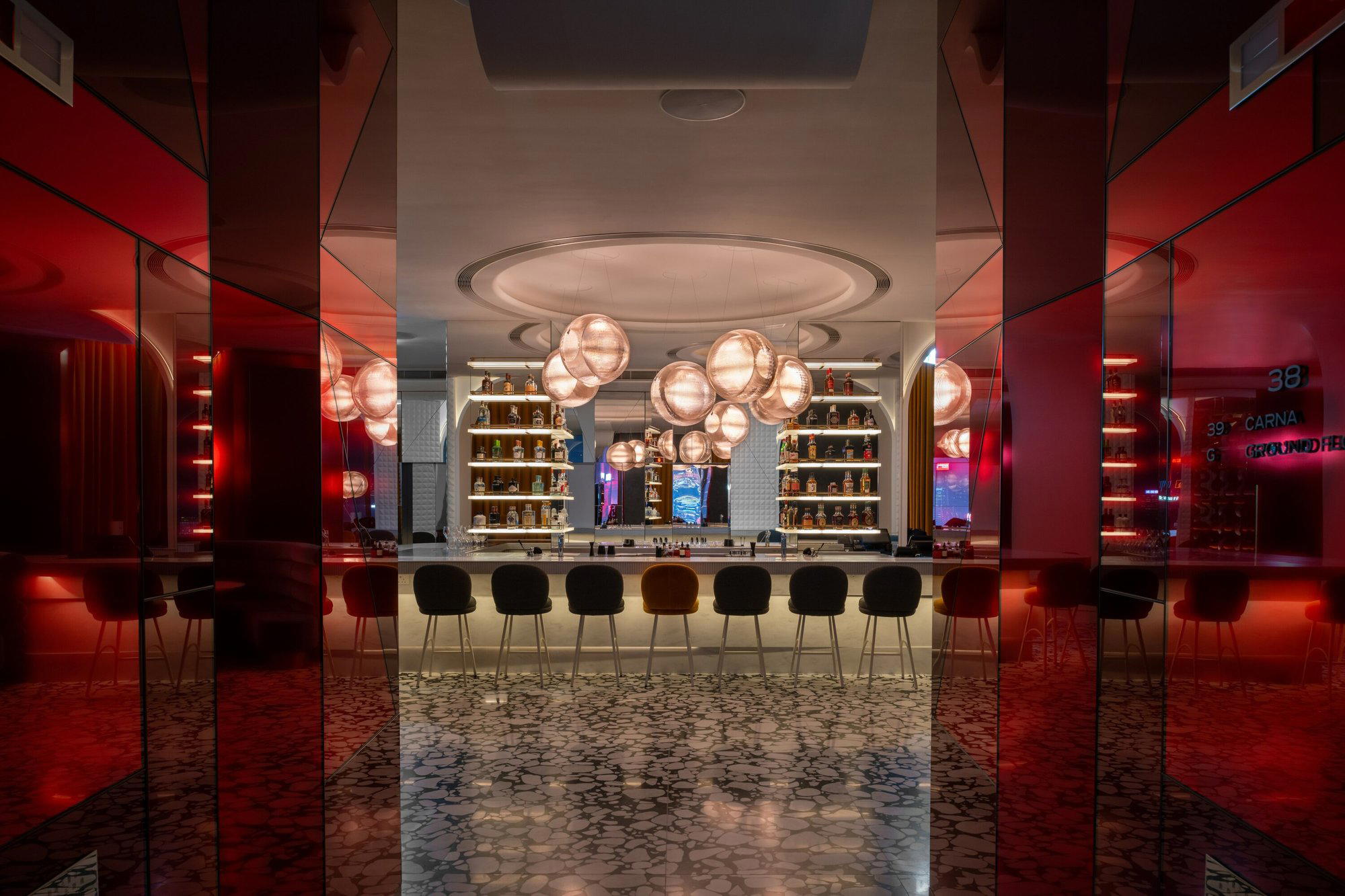
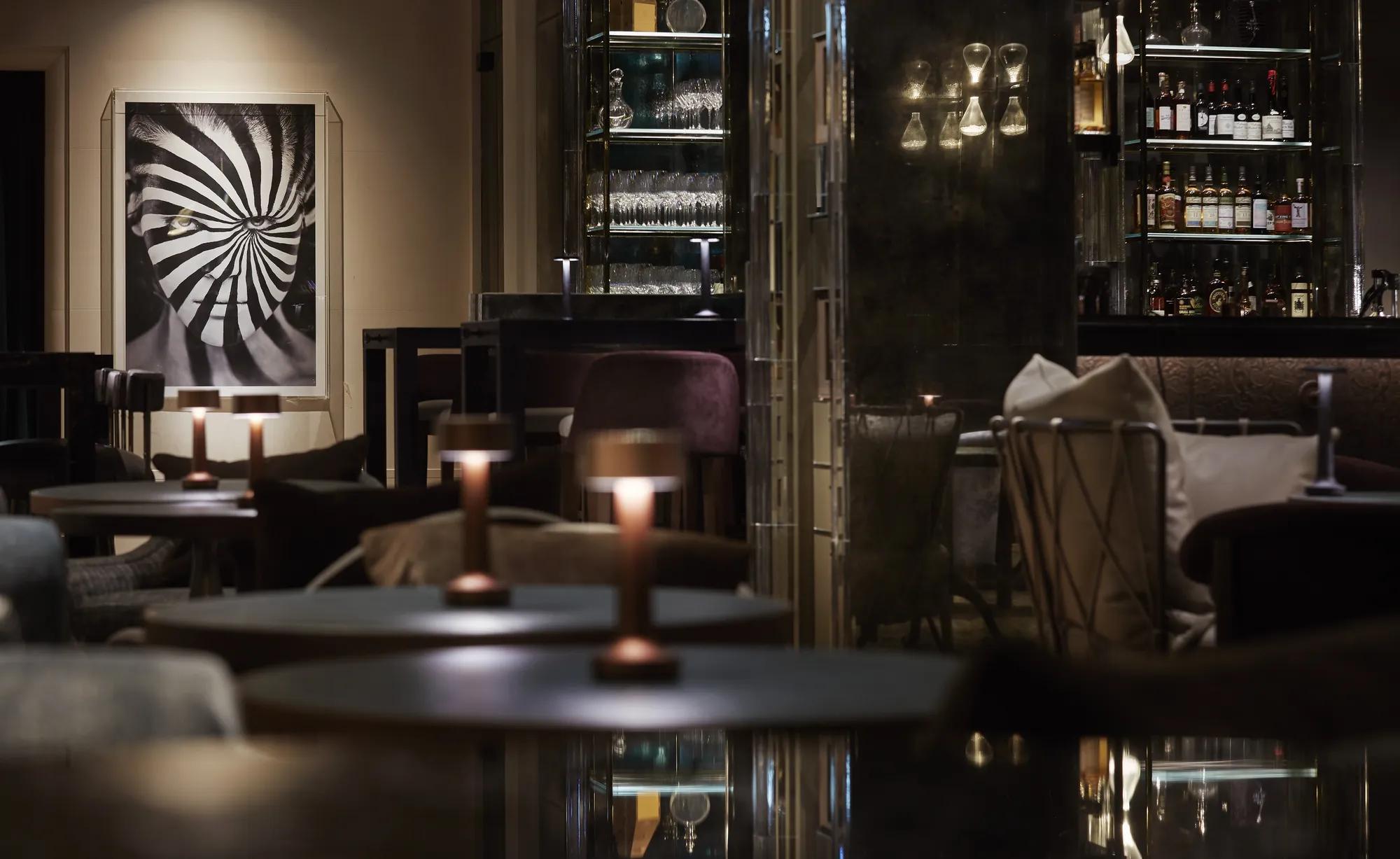
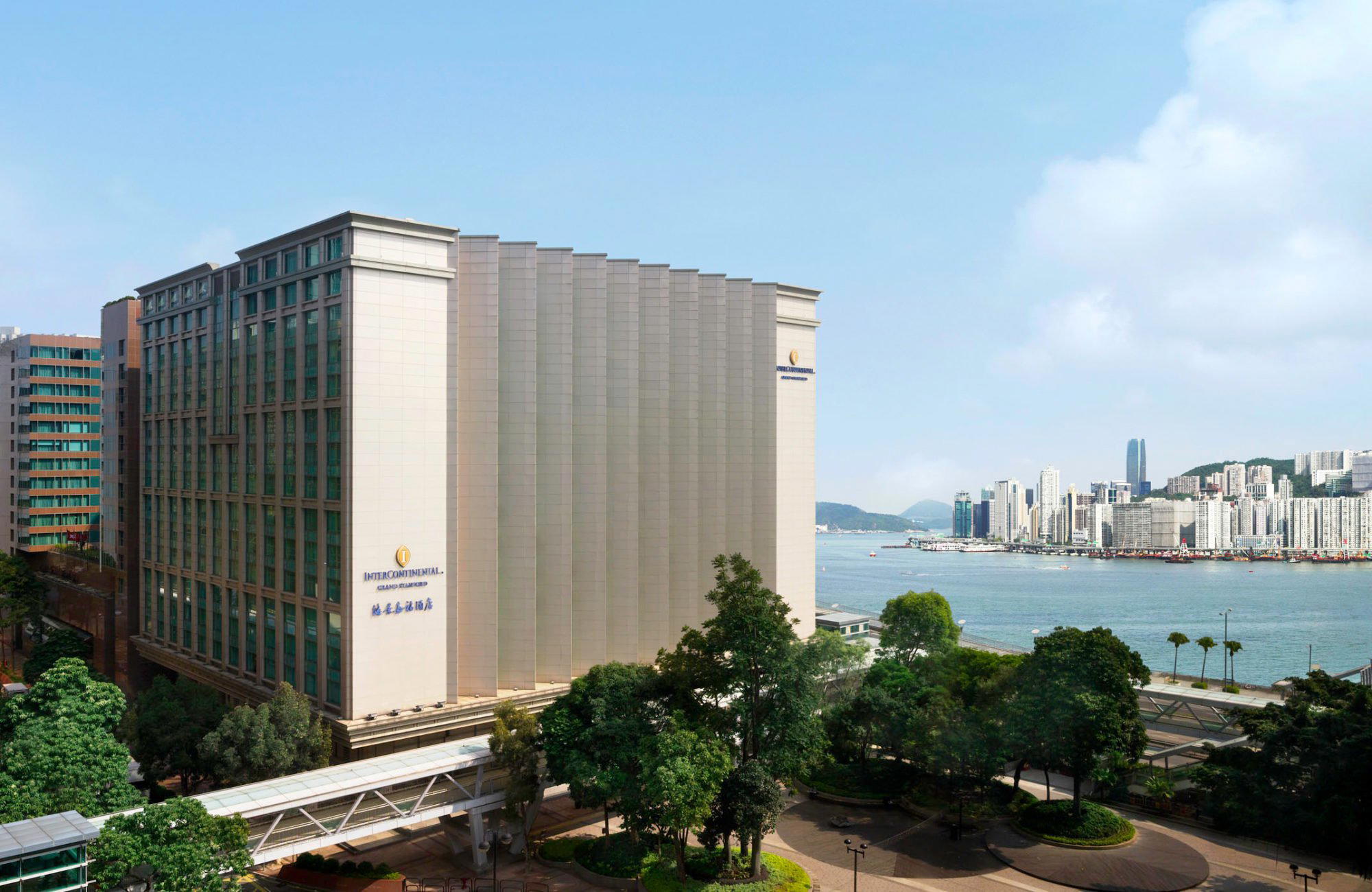
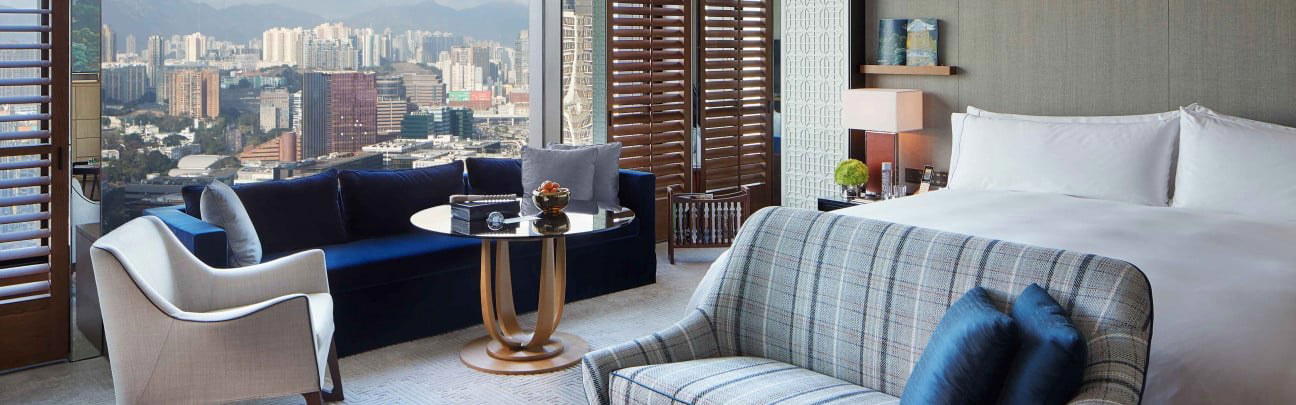
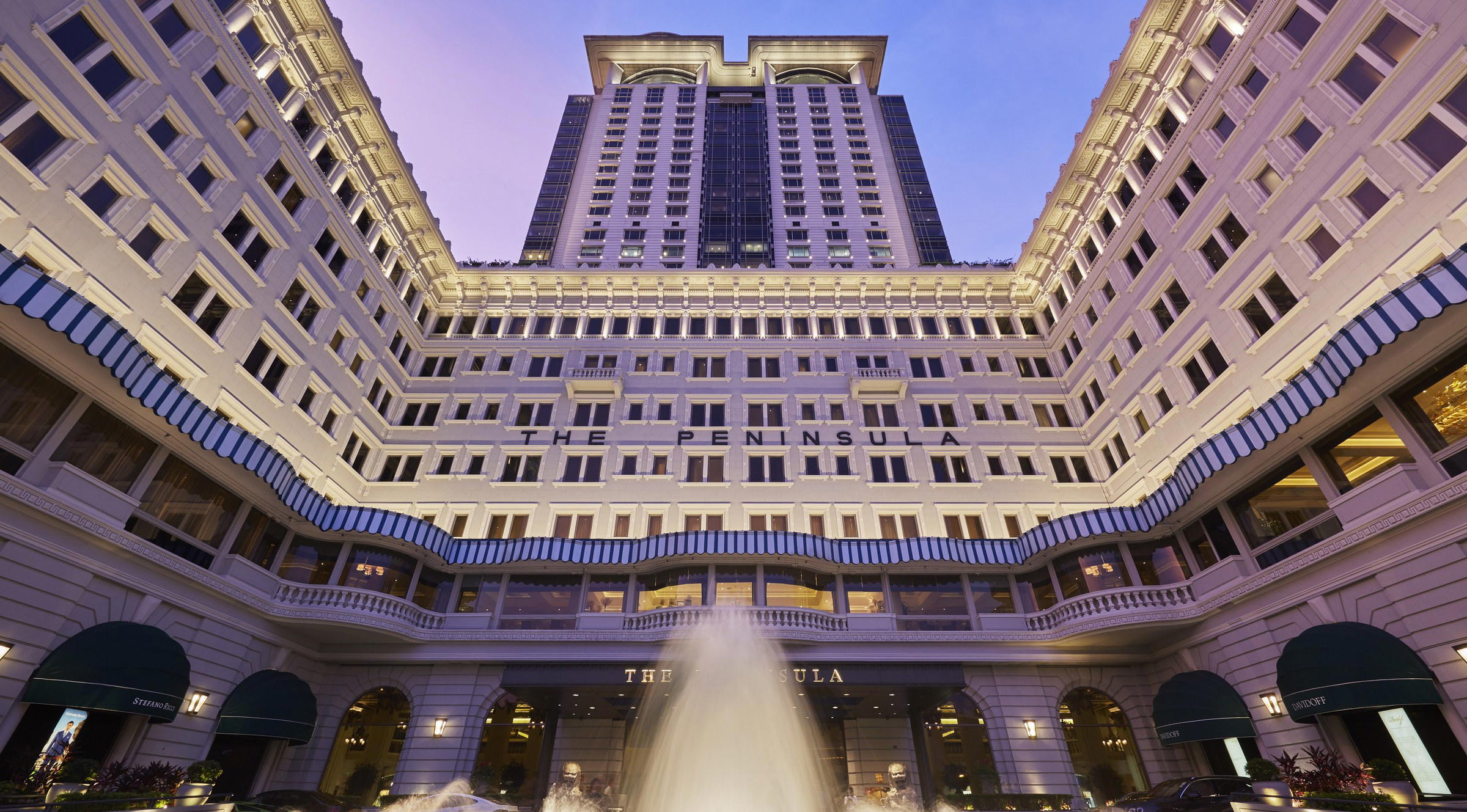
Hotels in Hong Kong
All hotels in Hong Kong →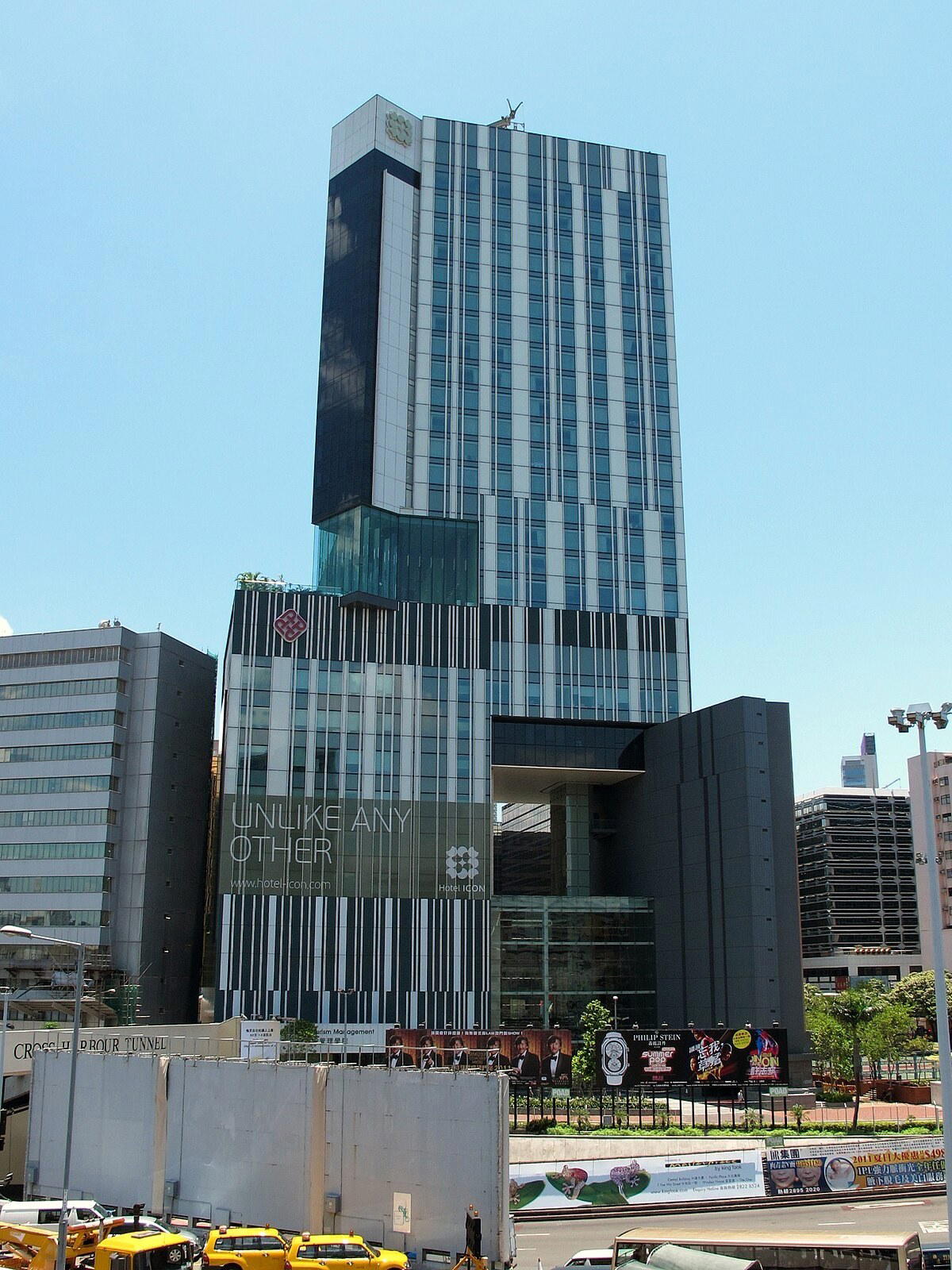
Wineries in Hong Kong
All wineries in Hong Kong →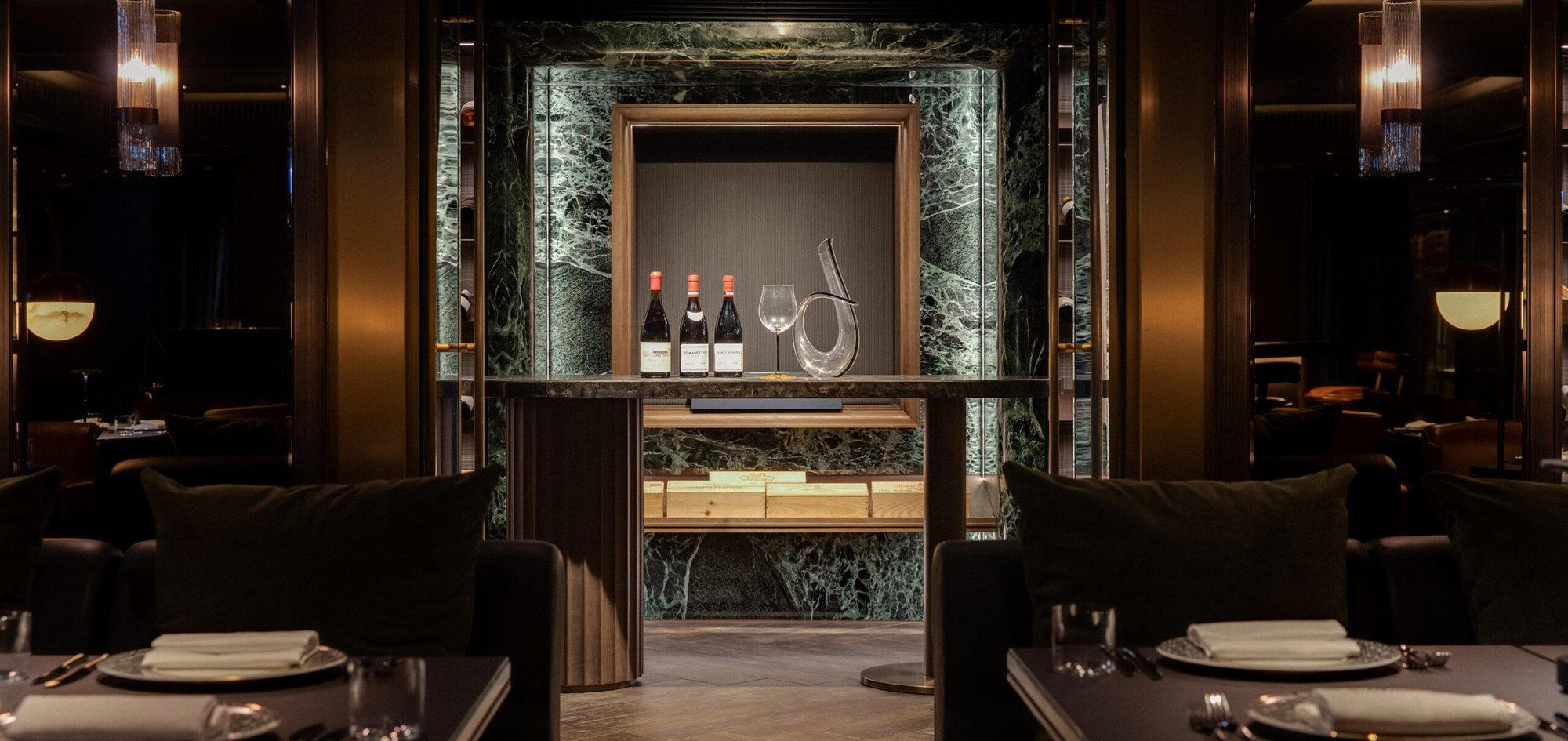
Details
- Intimate
- Modern
- Cozy
- Trendy
- Sophisticated
- Date Night
- Special Occasion
- Celebration
- Business Dinner
- Group Dining
- Chefs Counter
- Open Kitchen
- Design Destination
- Standalone
- Private Dining
- Craft Cocktails
- Extensive Wine List
- Tasting Menu
- Counter Dining
- Set Menu
- Wine
- Cocktails
- Vegetarian Friendly
Current opening hours
- Monday
- Closed
- Tuesday
- 6 PM–12 AM
- Wednesday
- 6 PM–12 AM
- Thursday
- 6 PM–12 AM
- Friday
- 6 PM–12 AM
- Saturday
- 6 PM–12 AM
- Sunday
- Closed
Hours can change for holidays and private events. Hours as of .
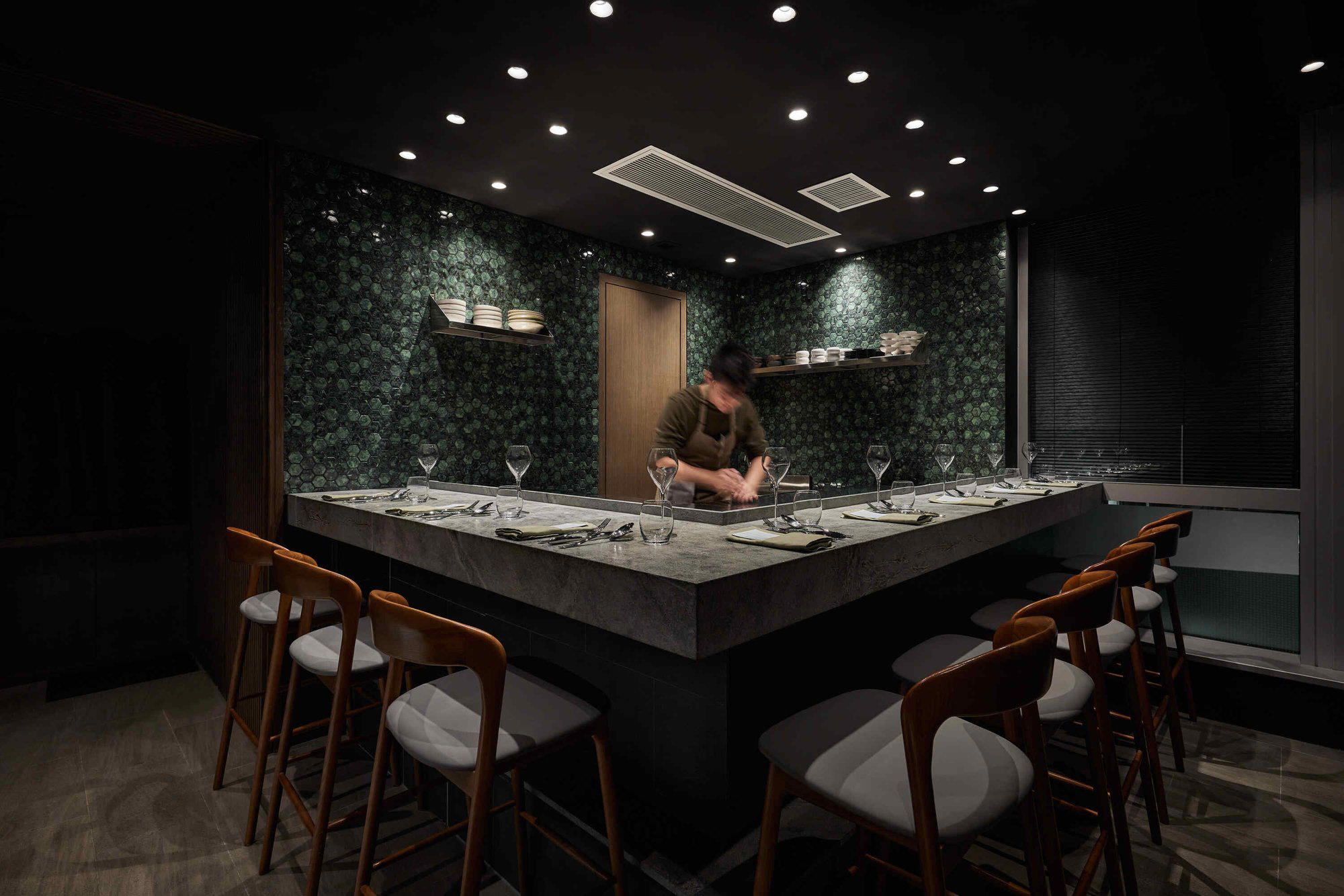
A jewel-box, dimly lit counter restaurant with only eight seats, creating an intimate, cinematic feel where guests closely watch the open kitchen and experience detailed storytelling with each course.