Paso Terra
Paso Terra occupies a Pine Street address in downtown Paso Robles, positioning it within a dining corridor that has grown considerably as the region's wine economy has matured. The restaurant sits in a market where farm-to-table sourcing is the baseline expectation rather than a differentiator, and where the competition ranges from estate dining rooms to independent bistros drawing on the same Central Coast agricultural network.
Pearl is the En Primeur Club membership app — saves, bookings, and concierge access live there. Same editors, same standards.
- Address
- 1032 Pine St, Paso Robles, CA 93446
- Phone
- +18052864002
- Website
- pasoterrabistro.com
- Directions
- Get directions
 Saves & bookings on Pearl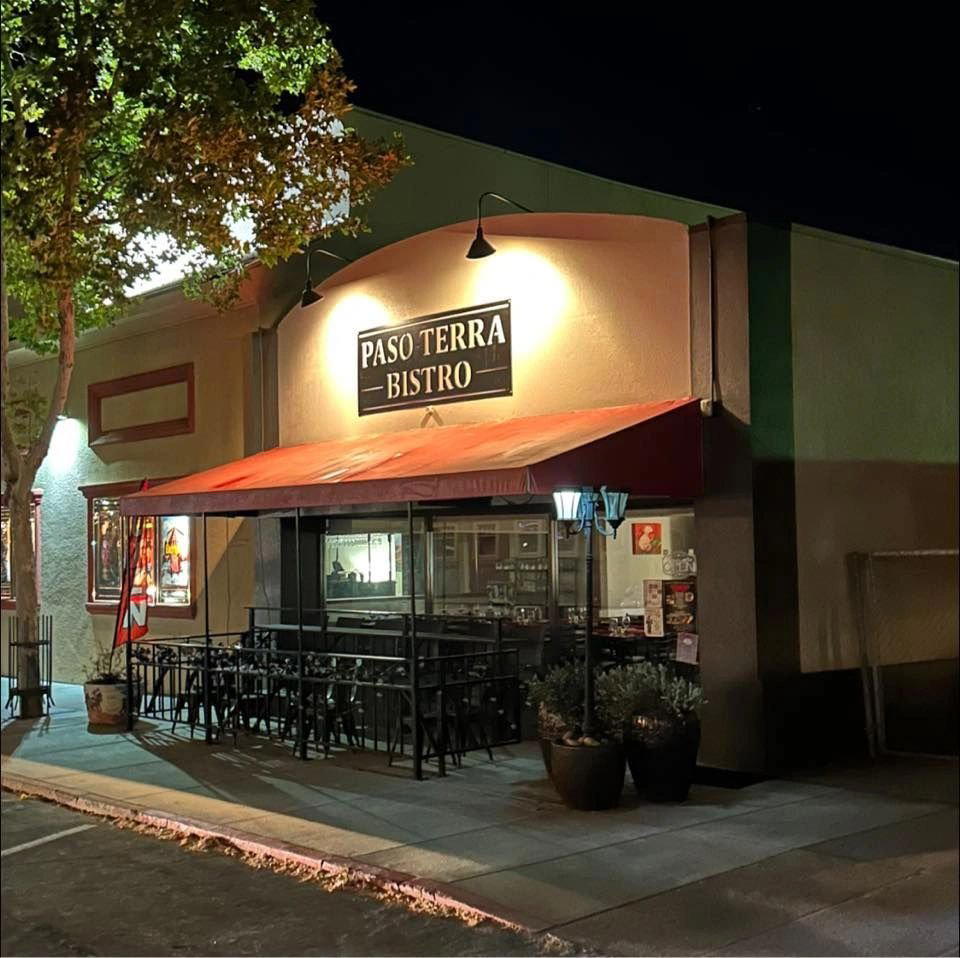
Downtown Paso Robles and the Sourcing Question
Pine Street in downtown Paso Robles has changed character over the past decade as wine tourism shifted from weekend tasting-room circuits to longer, more deliberate stays. Restaurants along that corridor now operate against a backdrop where the sourcing conversation is unavoidable: the Salinas Valley, the Santa Lucia Highlands, and the Edna Valley are all within practical supply range, and diners arriving from San Luis Obispo or San Francisco already know the farm names before they sit down. That context matters when assessing where Paso Terra fits in the local dining order. BL Brasserie works a French Californian register a short walk away, and Berry Hill Bistro holds a long-standing position in the casual-to-mid market. The question for any independent like Paso Terra is how it defines its own relationship to the land around it.
What Ingredient Sourcing Actually Means in the Central Coast
Central Coast California produces one of the more concentrated agricultural environments in the American West. Stone fruit, brassicas, alliums, and row vegetables come out of the Salinas Valley in volumes that supply kitchens from Los Angeles to Portland. Closer to Paso Robles, smaller farms operate on ranching and horticultural land where the diurnal temperature swings that define the wine region also produce particular growing conditions for cold-weather vegetables and heritage livestock. A restaurant that genuinely engages with that supply chain is dealing with seasonality that arrives in compressed windows: the asparagus season here is short and dramatic, stone fruit peaks run fast, and the gap between a farm's harvest calendar and a chef's menu planning is narrow. The sourcing-driven restaurants that perform well in this environment tend to build menus that acknowledge those windows explicitly rather than maintaining a static card. That structural approach is what separates a kitchen using local ingredients as a marketing point from one that has organised its operation around agricultural reality.
For context, that discipline is what distinguishes places like Single Thread Farm in Healdsburg and Blue Hill at Stone Barns in Tarrytown from the wider farm-to-table field. Both have built their reputations on operational integration with specific farms, not on seasonal language in the copy. The Central Coast has the agricultural density to support that level of commitment; the question is always which kitchens choose to exercise it.
Paso Terra's Position in the Local Tier
Downtown Paso Robles has several distinct tiers of dining. At the summit of the price register, The Restaurant at JUSTIN operates from an estate setting with a Californian menu priced at the $$$$ level and drawing heavily on wine-country tourism. Six Test Kitchen occupies a contemporary format at the same price tier. Below those, a cluster of mid-market independents covers the bistro and casual dining space. The restaurant's 1032 Pine Street address places it physically in the heart of that mid-tier corridor, though without published price-range or format data, its precise competitive position remains open. What the address and name together suggest is an orientation toward the land, toward the Spanish and Latin resonances of the region's ranching history, and toward the casual-formal register that downtown Paso Robles dining tends to favour outside of the estate rooms.
Restaurants that work the sourcing angle in a wine town face a particular dynamic: the wine itself is already doing significant storytelling about terroir and place, and food menus that try to mirror that language can end up feeling derivative. The better approach, visible in places like Lazy Bear in San Francisco and Providence in Los Angeles, is to let the food make its own specific case through ingredient discipline rather than through conceptual alignment with the wine narrative.
The Wider Benchmark
To understand what ingredient-sourcing ambition looks like at its most developed, it helps to look outside the immediate geography. The French Laundry in Napa maintains its own garden and a multi-decade supply relationship with specific growers. Addison in San Diego works a Southern California sourcing map that reflects the region's particular coastal and inland diversity. Le Bernardin in New York City and Atomix in New York City demonstrate how sourcing discipline applies equally to seafood and to produce, and how that discipline shows up in texture and precision rather than in menu description. Alinea in Chicago and The Inn at Little Washington represent the point at which sourcing becomes inseparable from kitchen philosophy. These are not direct comparators for a downtown Paso Robles independent, but they define the poles of what serious engagement with ingredients can produce, and they set the standard against which any sourcing claim in a wine-country restaurant is implicitly measured.
Closer in spirit and geography, Emeril's in New Orleans and 8 1/2 Otto e Mezzo Bombana in Hong Kong illustrate how a defined culinary identity creates its own competitive context regardless of geography or price tier.
Other Options in the Neighbourhood
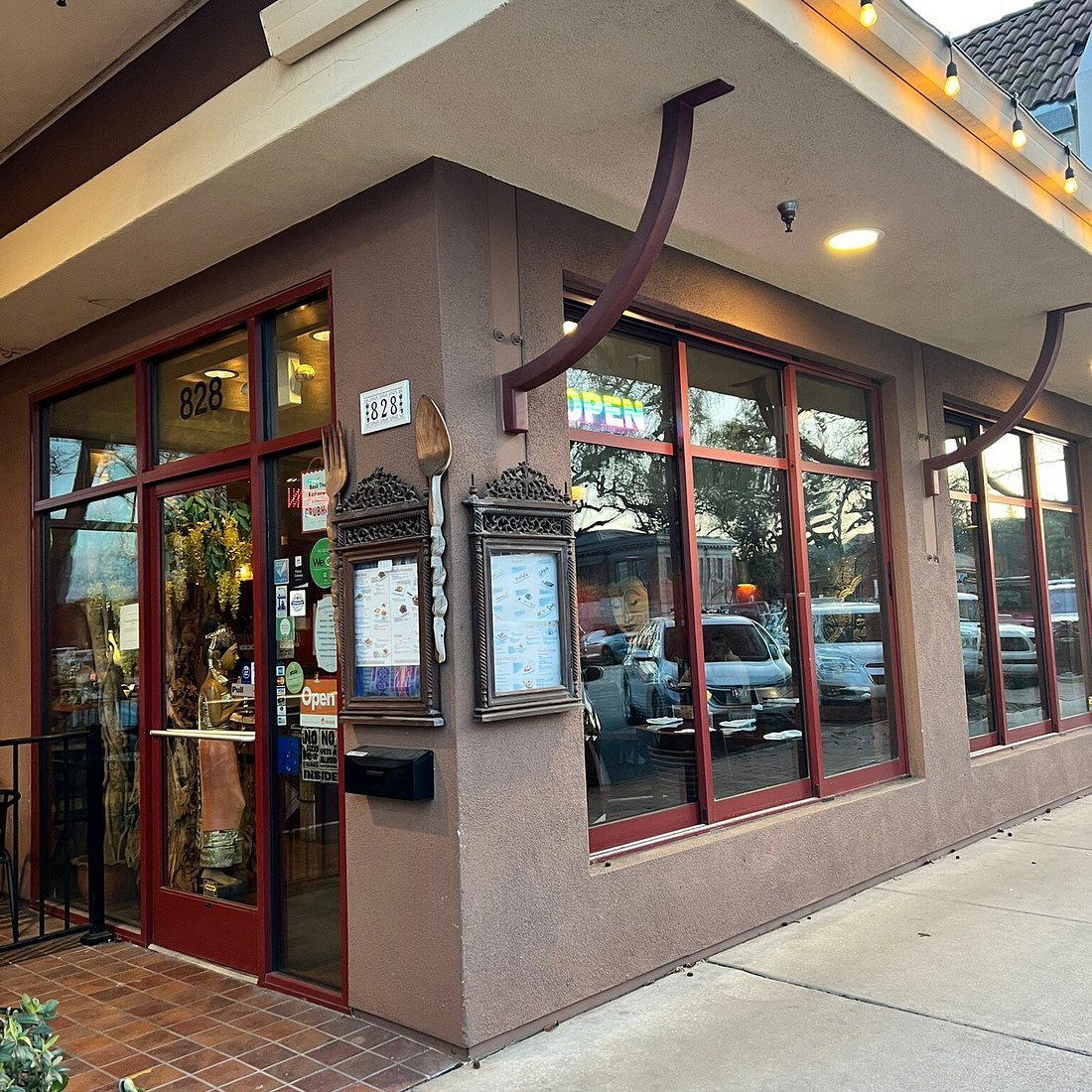
Paso Robles dining is diverse enough that a single visit rarely covers the full range. Basil Thai Restaurant offers a different register entirely, and its presence signals how the local dining population has grown beyond wine-country monoculture. For those building an itinerary around multiple meals, the spread from estate dining at JUSTIN through the bistro tier to the Thai and Mexican options gives the town genuine variety.
Planning a Visit
The restaurant is located at 1032 Pine Street in downtown Paso Robles, within walking distance of most of the town's central accommodation and tasting rooms. Hours are Wed to Sat from 4:30 to 9 PM, and the restaurant is best approached with a reservation. Downtown Paso Robles functions as a walkable core, and Pine Street itself is accessible from the central plaza area without a car. For visitors arriving from San Luis Obispo or from the Highway 46 wine corridor, the Pine Street address sits at the practical centre of town.
- Coq au Vin
- Sand Dabs Meunière
- Curried Monkfish
- Paella
- Scallops
- Lobster Thermidor
- Sole in Champagne Sauce
Fast Comparison
Comparable venues nearby, for context on price, style, and recognition.
| Venue | Cuisine | Price | Awards | Notes |
|---|---|---|---|---|
| Paso TerraThis venue — the venue you are viewing | French Bistro with Seafood Specialization | $$$ | Not listed | Not listed |
| BL Brasserie | Classic French Brasserie | $$$ | Not listed | downtown |
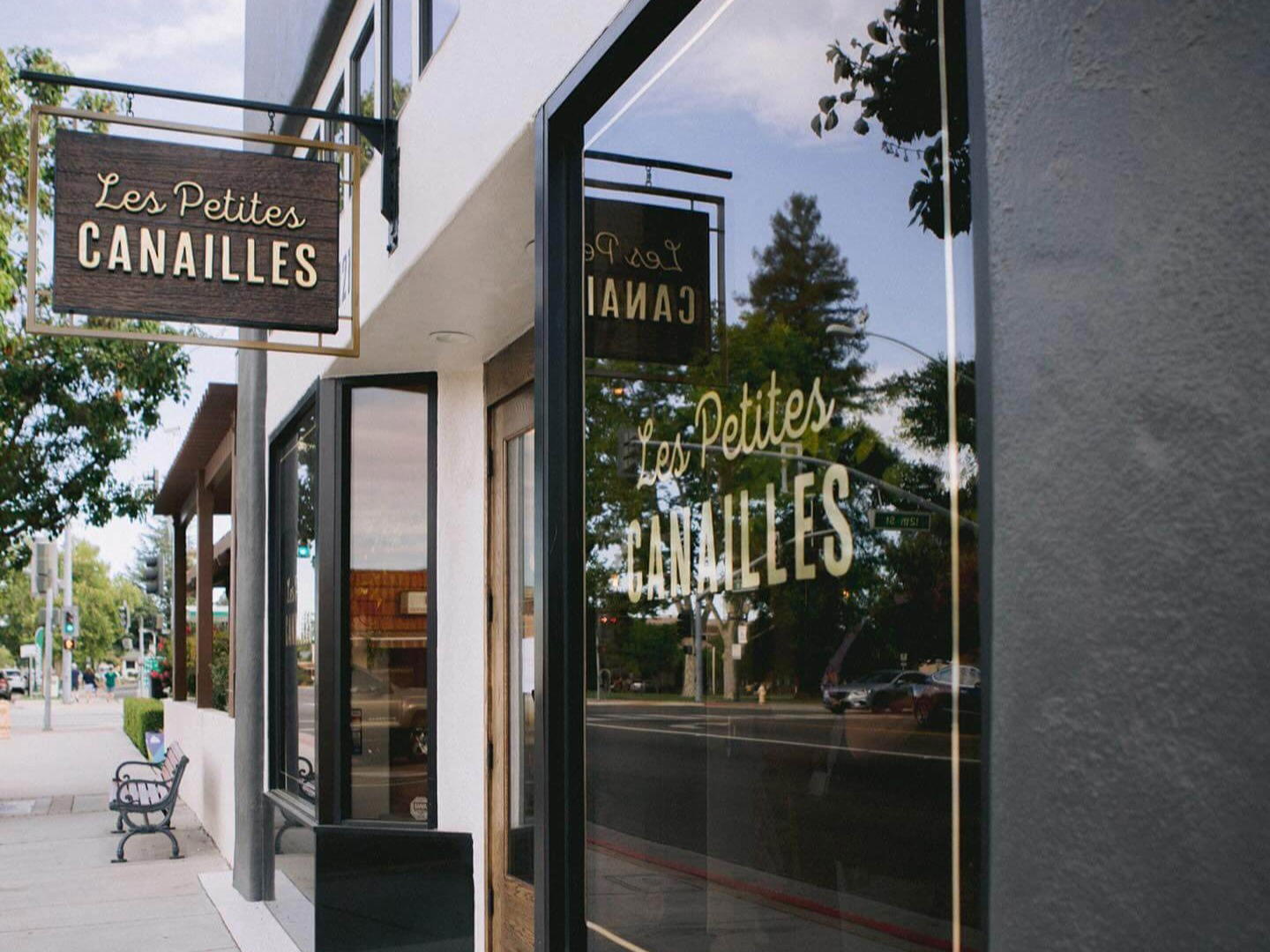
| Les Petites Canailles | Modern French Bistro | $$$ | Michelin Plate | Downtown Paso Robles |
| Odyssey World Cafe | Eclectic World Cafe | $$ | Not listed | downtown |
| Il Cortile Ristorante | Rustic Italian Fine Dining | $$$ | Not listed | Downtown |
| Berry Hill Bistro | American Bistro | $$ | Not listed | downtown |
Continue exploring
More in Paso Robles
Restaurants in Paso Robles
Browse all →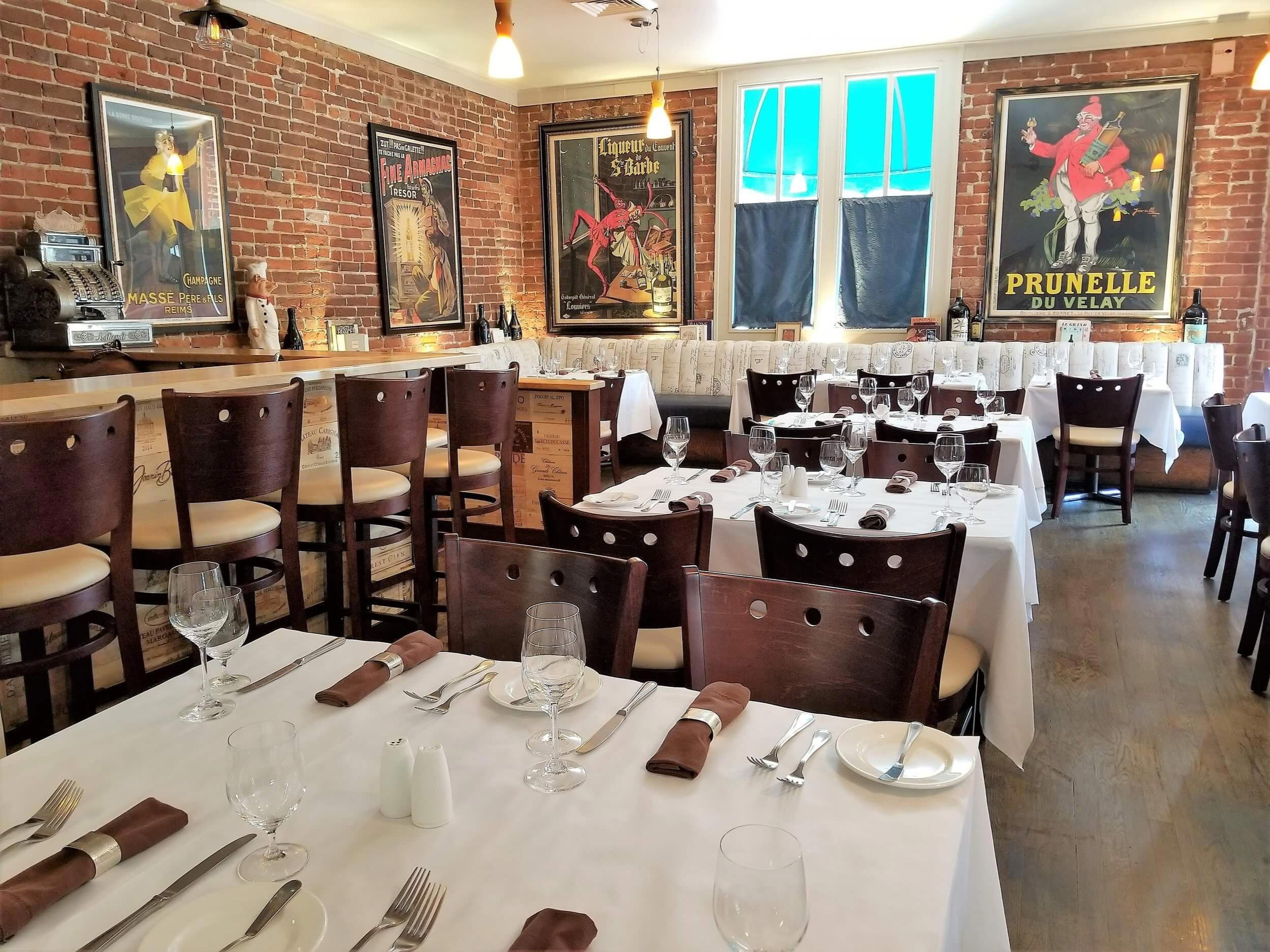
Bars in Paso Robles
Browse all →
Hotels in Paso Robles
Browse all →

At a Glance
- Intimate
- Elegant
- Romantic
- Sophisticated
- Date Night
- Celebration
- Special Occasion
- Standalone
- Private Dining
- Extensive Wine List
- Sommelier Led
- Local Sourcing
- Farm To Table
Current opening hours
- Monday
- Closed
- Tuesday
- Closed
- Wednesday
- 4:30–9 PM
- Thursday
- 4:30–9 PM
- Friday
- 4:30–9 PM
- Saturday
- 4:30–9 PM
- Sunday
- Closed
Hours can change for holidays and private events. Last verified .
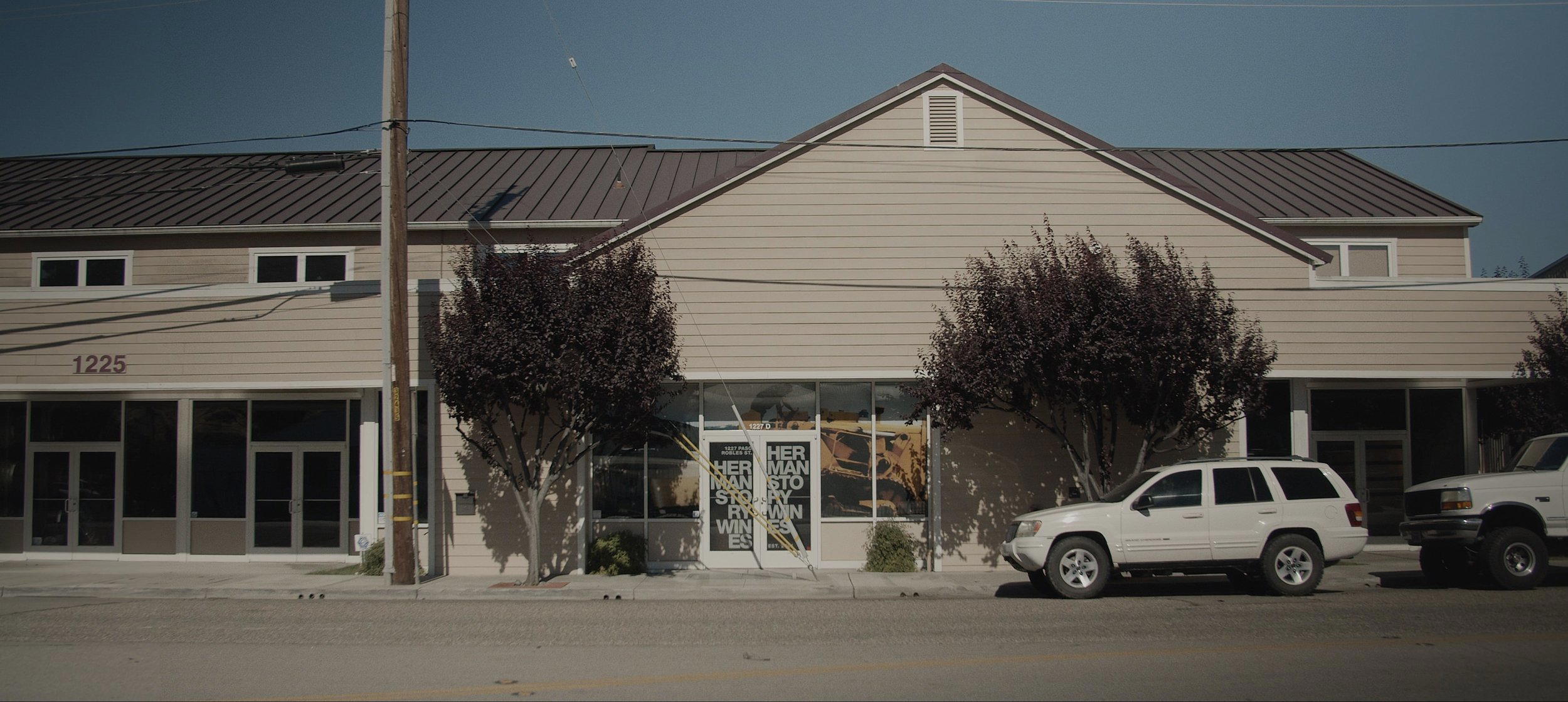
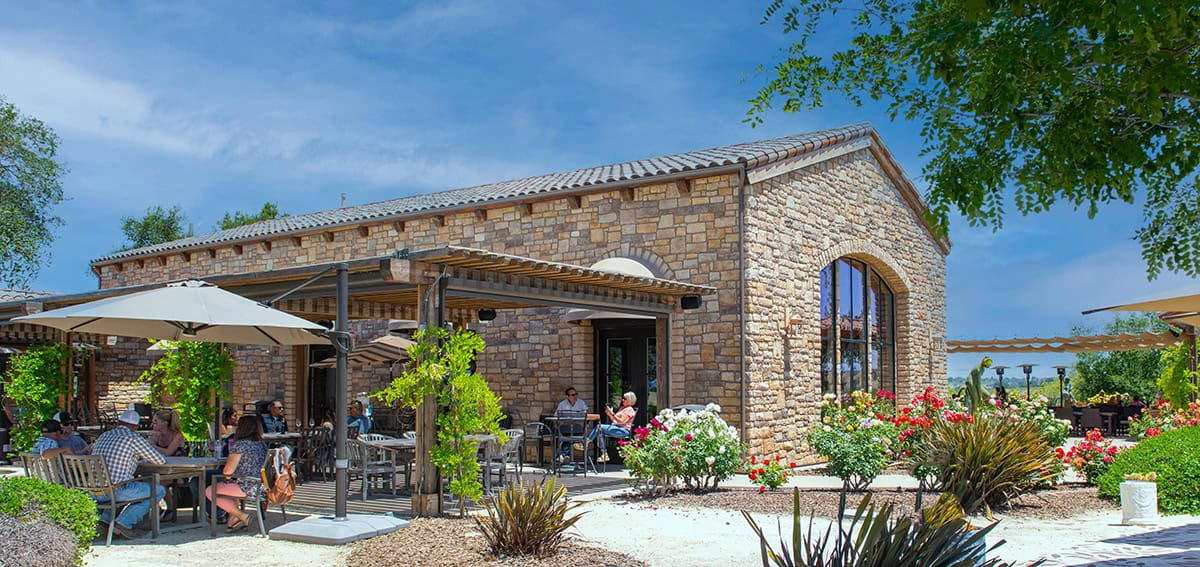
Bright and cheery with eclectic, informal but friendly décor; intimate indoor and outdoor patio dining spaces that feel like a low-profile address despite unassuming exterior.