Pari Pari
Miami's hand roll bar scene has tightened around a handful of counters where the format demands as much precision from the team as from any omakase room. Pari Pari operates in that register, bringing the focused, high-tempo discipline of the hand roll format to a city that has grown increasingly serious about Japanese technique applied to local ingredients and Caribbean-influenced palates.

Pearl is the En Primeur Club membership app — saves, bookings, and concierge access live there. Same editors, same standards.
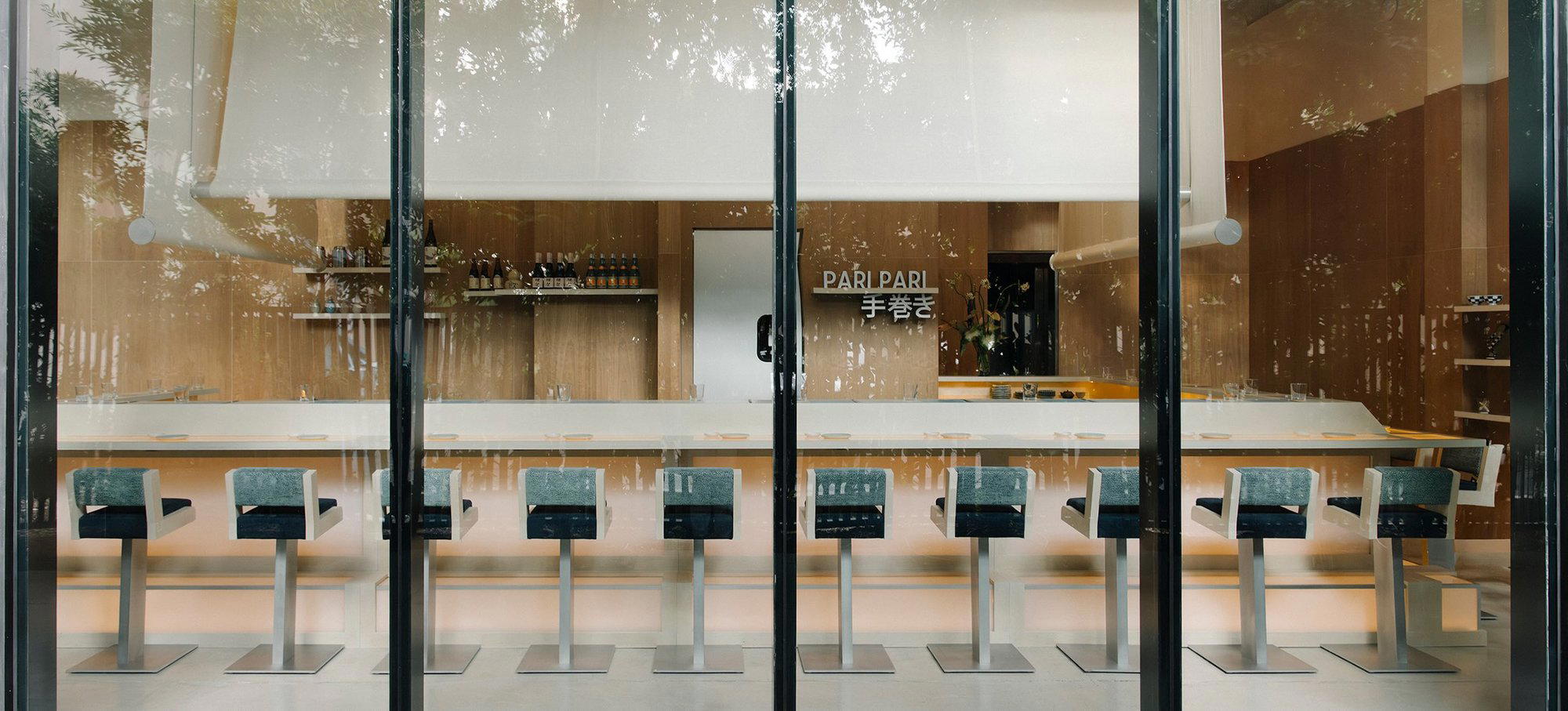
The Hand Roll Counter as Miami's Sharpest Dining Format
Walk into a well-run hand roll bar and the first thing you register is tempo. Unlike a traditional omakase room, where silence and ceremony slow everything down, the hand roll format runs on a different clock: nori cut to order, rice pressed warm, fish placed with precision and passed across the counter before the seaweed loses its snap. The format demands a different kind of team discipline, one where the gap between preparation and delivery is measured in seconds rather than minutes. Pari Pari is a restaurant in Miami serving Japanese hand rolls with French fusion touches at a counter format built around speed and precision.
The rigid hierarchies of traditional Japanese dining have loosened here, with hand roll bars and hybrid counters sitting comfortably alongside Peruvian-Japanese fusion (see ITAMAE for that crossover done with serious intent) and high-production omakase rooms. Pari Pari sits in the hand roll segment of that spectrum, a format that has gained ground nationally because it lowers the barrier to Japanese technique without compromising on the sourcing or execution that define the upper tier.
What the Hand Roll Format Reveals About Team Coordination
At a hand roll counter, the team structure matters as much as the menu. In a format this fast and this tactile, the distance between kitchen logic and guest experience collapses. There is no long pass, no expediter calling tickets across a wide dining room. The person shaping the roll and the person reading the guest are, in the leading counters, the same person or standing directly adjacent. That compression of roles changes what you look for in a team: less hierarchy, more lateral communication, a shared reading of pace.
This is where the hand roll bar format diverges most sharply from the omakase model. In the latter, a single chef's vision can carry an entire service. At a counter built around speed and repetition, the collective rhythm of the team is the product. The format works best when front-of-house and counter staff share a quick read on guest pace. Miami's dining culture, which skews sociable and high-energy, provides a natural fit for this kind of anticipatory hospitality.
Miami's Japanese Dining Tier in 2024
The broader context for Pari Pari sits inside a Miami restaurant scene that has spent the last several years building depth across multiple cuisines. The city has drawn Michelin recognition for restaurants including Boia De in the Italian-contemporary register and Ariete in modern American. Korean beef has its own serious counter at Cote Miami. French fine dining maintains a foothold through L'Atelier de Joël Robuchon Miami. Against that backdrop, Japanese technique expressed through the hand roll format occupies a specific niche: accessible in format and price relative to omakase, but unforgiving in execution because there is nowhere to hide when the product is so minimal.
Minimalism is the point. Four or five ingredients, a sheet of nori, warm shari. The discipline required to make that combination consistently good across a full service is the same discipline that separates the counters worth returning to from those that fade after a single visit. By comparison, tasting-menu dining in the United States builds quality through accumulation and complexity. The hand roll bar builds it through reduction and repetition. Neither approach is easier.
Seasonal Considerations and When to Visit
The peak season runs from roughly November through April, when the city fills with seasonal residents and the reservation pressure on smaller, counter-format restaurants increases noticeably. A hand roll bar in this environment sees a compressed window when demand is highest, and the counters that manage this well are the ones that have built team redundancy rather than relying on one or two individuals to carry the room. Summer and early fall, by contrast, offer a Miami dining experience that locals often prefer: smaller crowds, slightly more conversational pacing at the counter, and a room that runs on resident loyalty rather than tourist volume.
The hand roll format, with its relatively quick throughput compared to a multi-hour omakase, is also more tolerant of walk-in attempts than a traditional tasting menu room.
Planning Your Visit
The city's hotels, bars, and experience offerings all complement the restaurant tier in ways that are worth considering when building an itinerary: For those building a multi-city dining trip, the hand roll format has international analogues worth benchmarking: 8 1/2 Otto e Mezzo Bombana in Hong Kong and Alain Ducasse at Louis XV in Monte Carlo represent the formal fine-dining end of the spectrum, while operations like Lazy Bear in San Francisco, Emeril's in New Orleans, and Single Thread Farm in Healdsburg illustrate how team-driven hospitality models operate at the upper end of American dining. The restaurant operates at a different price point and format, but the underlying logic of tight team coordination applies across all of them.
Comparable Venues
Comparable venues nearby, for context on price, style, and recognition.
| Venue | Cuisine | Price | Notes |
|---|---|---|---|
| Pari PariThis venue — the venue you are viewing | Japanese Handroll Bar with French Fusion | $$$$ | Not listed |
| Yamashiro Miami | Japanese Fusion | $$$$ | Park West |
| N Shabu Shabu | Japanese Wagyu Shabu-Shabu | $$$ | Brickell Key |
| Elia | Southern Italian Coastal | $$$$ | Miami River |
| 1986 Steak House | Modern Argentine Steakhouse & Parrilla | $$$$ | Coconut Grove |
| Giselle Miami | Asian, Mediterranean & French Fusion | $$$$ | Arts & Entertainment District |
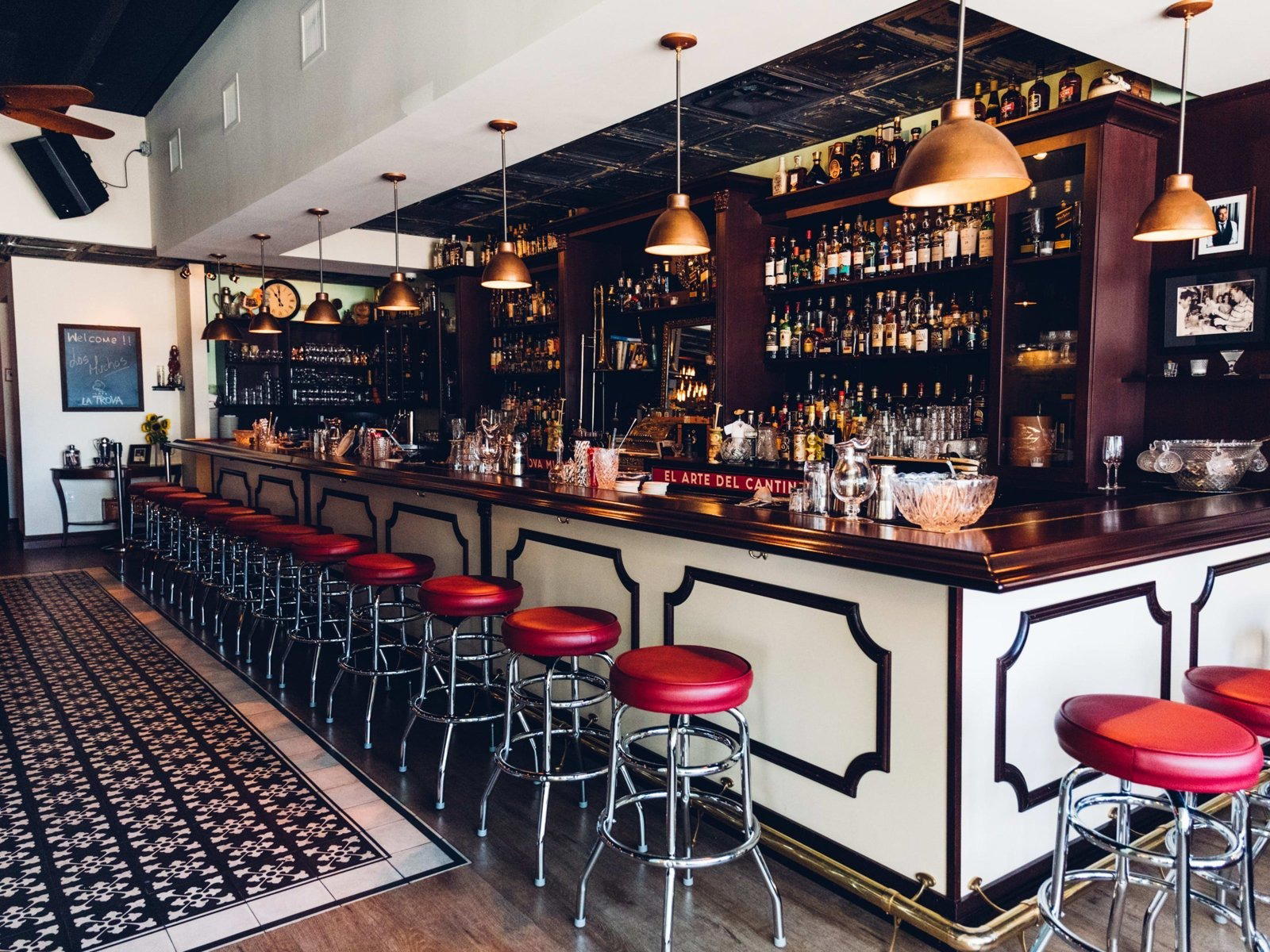
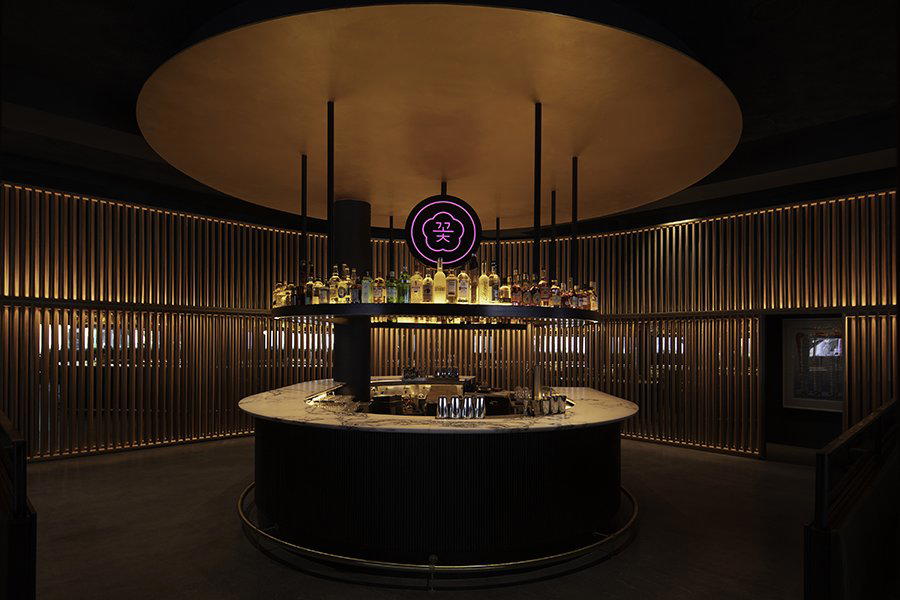
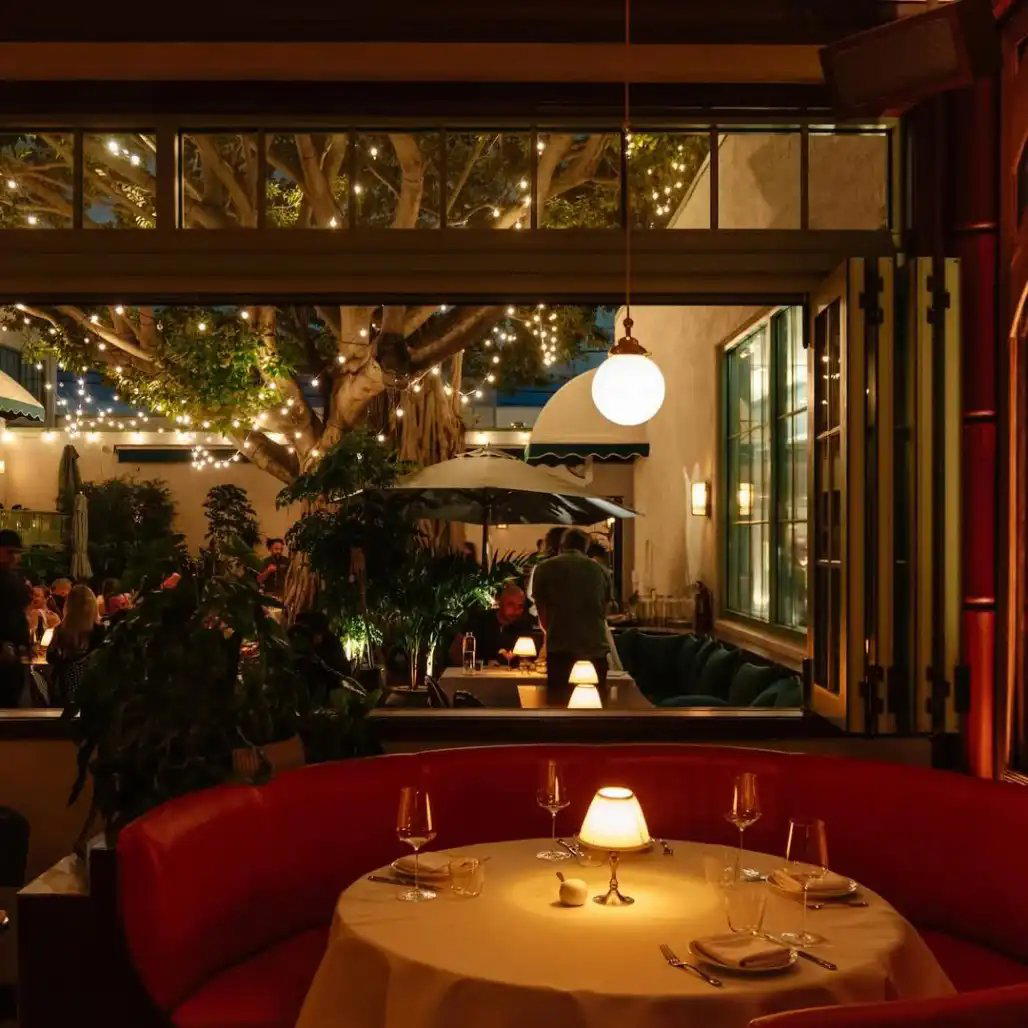
At a Glance
- Trendy
- Modern
- Elegant
- Energetic
- Date Night
- Casual Hangout
- Chefs Counter
- Open Kitchen
- Sake Program
- Craft Cocktails
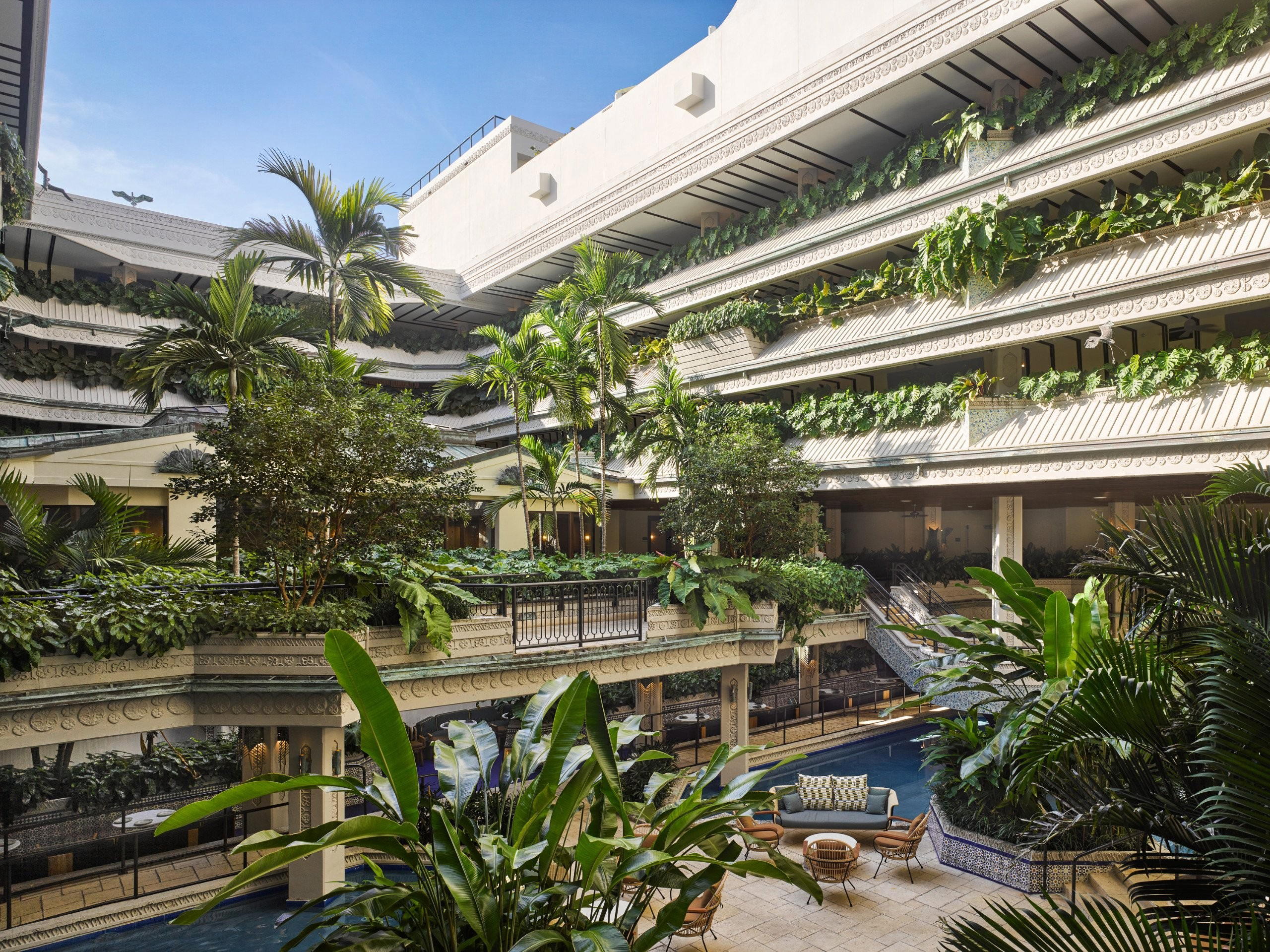
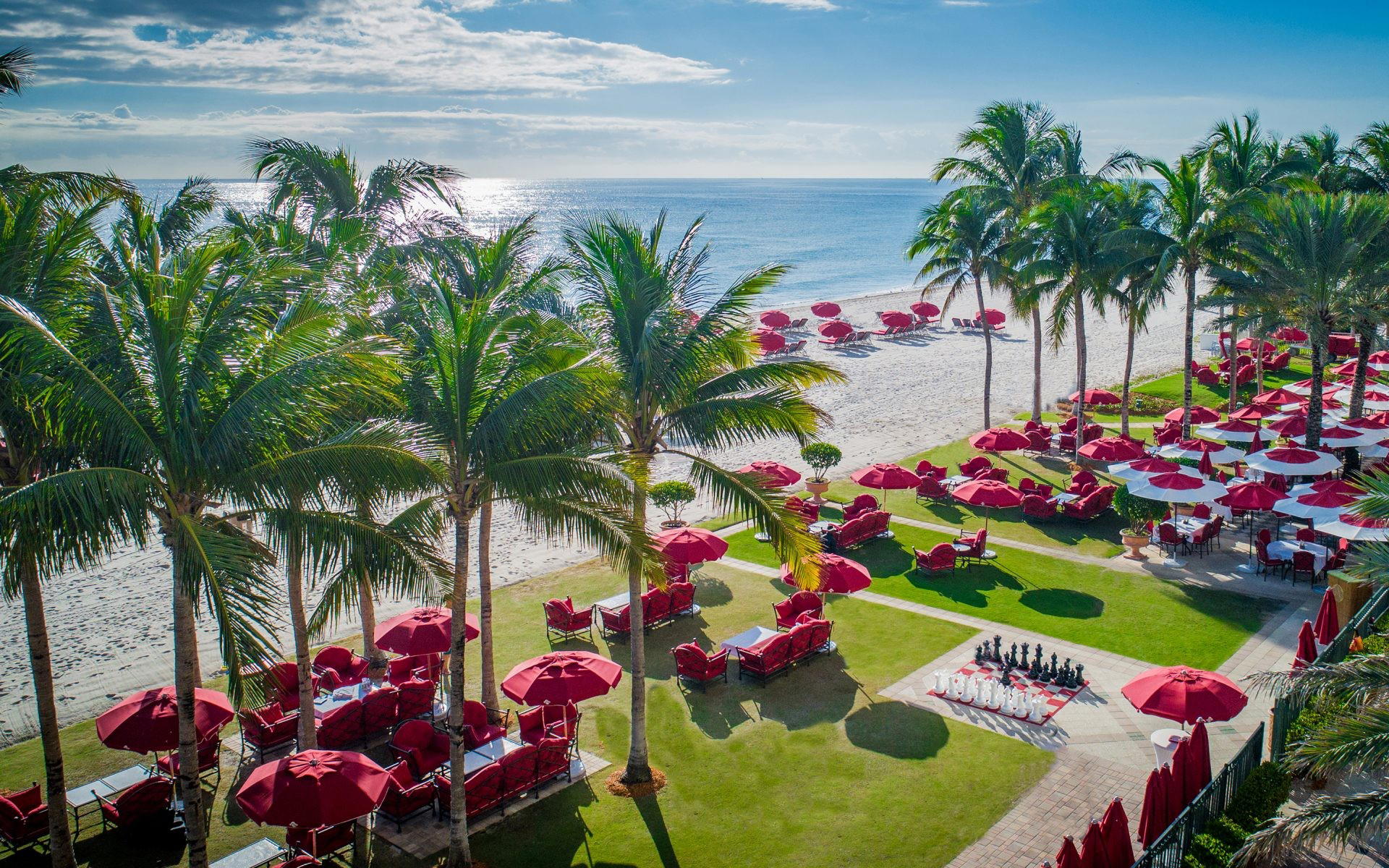
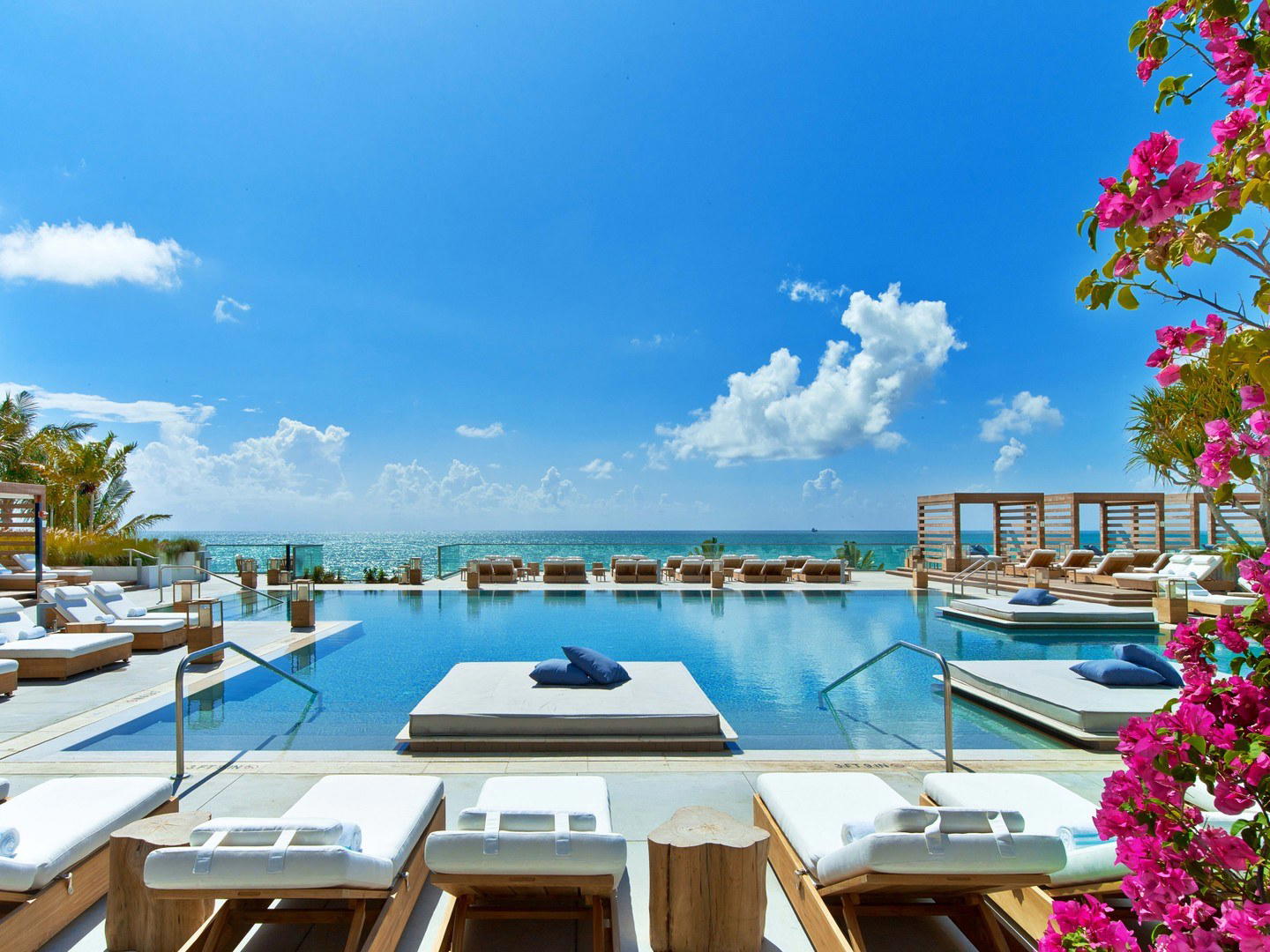
Light wood interiors with clean angles, pop art walls, warm counter lighting like a Japanese andon lamp, and a fun playlist mixing rap and Japanese pop for an elegant yet approachable vibe.