Parcelle Greenwich Village

Star Wine List
Our verdict
Parcelle Greenwich Village brings the wine-forward sensibility of the original Chinatown location to MacDougal Street, with a list that moves fluently across regions and a room that shifts convincingly from afternoon glass-pouring to evening seriousness. For New York's wine-bar tier, it occupies a considered middle ground: less austere than a merchant-led tasting room, more focused than a neighbourhood bistro.

Pearl is the En Primeur Club membership app, where members save venues, book tables and use the concierge.
The menu
What to order
- Hamachi tartare
- Rigatoni with prosciutto and ricotta
- Duck confit
MacDougal Street After Dark, and Before
Greenwich Village has long operated as a kind of pressure valve for New York's dining scene: close enough to SoHo money, loose enough for the kind of room where a serious wine list doesn't require a jacket. MacDougal Street, specifically, has historically tilted toward the casual end of that spectrum. What Parcelle does at number 72 is something more deliberate: it inserts a wine-bar format with real depth into a block that hasn't always rewarded that kind of ambition. The result is a room that reads differently depending on when you walk through the door.
That shift between daytime and evening is worth understanding before you plan a visit. Wine bars in New York's current moment broadly divide into two camps: those that work leading as afternoon destinations, where the emphasis falls on by-the-glass exploration and the food is secondary, and those that come alive in the evening, when the list becomes the centrepiece of a longer occasion. Parcelle Greenwich Village has been designed to function in both registers, though the two experiences are distinct enough that they warrant different expectations.
The Afternoon Case
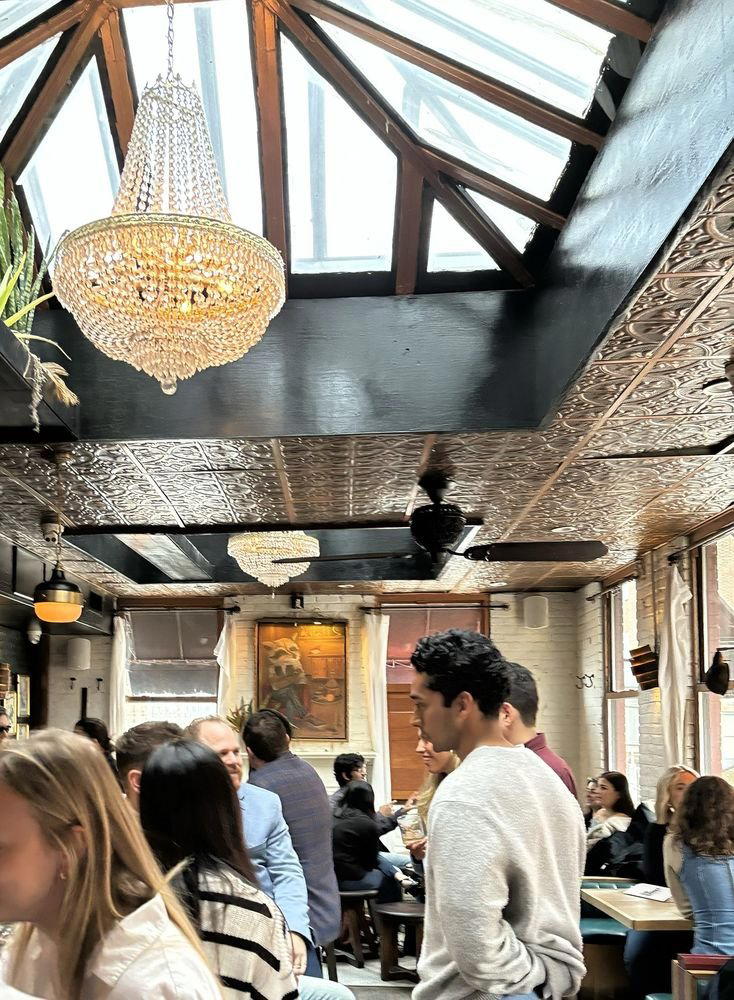
Earlier in the day, the room has a quality common to the better European-influenced wine bars that have taken root in lower Manhattan over the past decade: unhurried, with enough natural light and the kind of atmosphere that makes a mid-afternoon glass feel purposeful rather than premature. The wine list at Parcelle is described in available editorial as one that "nimbly hops" across regions, which is a useful signal. A list that hops is a list built for exploration rather than prestige signalling, and that orientation suits afternoon drinking well. You're not committing to a bottle; you're working through producers, appellations, styles. For a solo visitor or a two-leading with a few hours to spend, the daytime version of Parcelle has real appeal precisely because it doesn't feel performative.
This positions it interestingly against New York's upper tier. Restaurants like Le Bernardin, Per Se, or Masa operate at a price point and formality level where afternoon visits aren't really the point. Parcelle occupies a different register entirely, one where the cost of entry is a glass rather than a tasting menu, and where the educational component of the list is something the room actively encourages rather than assumes you've already completed elsewhere.
The Evening Shift
By evening, the Greenwich Village location takes on the character that the original Chinatown bar established: a room where the wine is the primary argument and the food is calibrated to support it rather than compete. New York's wine-bar evening scene has matured considerably over the past five years, with a generation of operators who trained under serious sommeliers now running their own lists. Parcelle fits inside that broader movement. It's part of a shift away from the wine-bar-as-backdrop model, where the list was adequate but the room was selling atmosphere, toward a format where the list is itself the editorial statement.
For evening visits, this means the list warrants more attention than a casual scan. The described tendency to move across regions suggests a list that won't be dominated by a single country or style, which in practice means you should arrive with some curiosity about what's being poured rather than a predetermined preference for, say, Burgundy or Barolo. That kind of flexibility is a feature, not a gap.
The Chinatown Comparison
Any assessment of the Greenwich Village location has to account for the original. The Chinatown Parcelle built its reputation in a neighbourhood where wine bars were not the obvious format, and the success of that model created demand for something similar in a more wine-receptive part of the city. Greenwich Village, with its density of food and drink operations and its historically permissive attitude toward slow evenings, is arguably a more natural home for the format. Whether that makes the Greenwich Village version less interesting than its downtown predecessor is a question of preference. Familiar territory can blunt a concept's edge, but it can also let the list do more of the work without the location doing the heavy lifting.
What the Greenwich Village outpost offers that Chinatown doesn't is proximity to a different set of neighbourhood anchors: the West Village's cocktail culture to the north, SoHo's restaurant density to the east, and a residential character that makes it a plausible regular rather than a destination-only stop. For visitors staying in lower Manhattan or the Village itself, it functions as an evening wine programme without requiring a cross-town commitment. The EP Club's full New York City bars guide covers the broader range of where Parcelle sits in the city's drinking hierarchy.
Placing It in the Wider Scene
New York's serious wine-bar tier sits at a remove from the fine-dining formalism of its tasting-menu rooms. Places like The French Laundry, Alinea, or Lazy Bear approach wine as one component of a tightly orchestrated experience. Parcelle inverts that hierarchy. The wine is the occasion, and the format is built around sustaining and deepening a drinking experience rather than pacing one. That's a different skill set and a different kind of room, and New York has increasingly rewarded operators who commit to one or the other rather than trying to hold both.
Internationally, the wine-bar format that Parcelle represents has analogues at very different price points. The list discipline visible at places like Alain Ducasse at Louis XV or 8½ Otto e Mezzo Bombana represents one end of the wine-programme spectrum. Parcelle operates at the other end: approachable price of entry, serious curation, format designed for repeat visits rather than singular occasions.
For a fuller picture of where the Greenwich Village location sits within New York's food and drink scene, the EP Club's New York City restaurants guide, hotels guide, wineries guide, and experiences guide offer useful coordinates. The Providence in Los Angeles and Single Thread in Healdsburg represent the kind of wine-serious fine-dining operations that approach the list with comparable seriousness but through a completely different format and price tier, a useful contrast for understanding where Parcelle has positioned itself in the American wine-bar conversation. For context on how ambitious wine programming works in New Orleans, Emeril's offers a different regional data point.
Planning a Visit
Parcelle Greenwich Village is at 72 MacDougal Street in Greenwich Village. As a wine bar rather than a reservation-dependent tasting-menu room, the planning calculus differs from the kind of forward-booking required at per-se-tier New York dining. That said, evening slots at established New York wine bars with serious lists tend to fill on weekends, and the Greenwich Village location's neighbourhood draw makes Friday and Saturday evenings the most competitive. Arriving earlier in the evening or targeting a mid-week visit gives you more flexibility and, in this kind of room, more unhurried access to the list. The address puts you within walking distance of the West Village's broader bar circuit, making it a logical first or last stop on an evening rather than a standalone destination requiring advance scheduling.
Frequently asked questions
What dish is Parcelle Greenwich Village famous for?
How far ahead should I plan for Parcelle Greenwich Village?
A Lean Comparison
Comparable venues nearby, for context on price, style, and recognition.
| Venue | Cuisine | Price | Awards | Notes |
|---|---|---|---|---|
| Parcelle Greenwich VillageThis venue (the venue you are viewing) | Modern European Wine Bar | $50–100 | Star Wine List | Not listed |
| Demo | Modern European Wine Bar | $30–50 | Wine Enthusiast Best Wine Restaurants | West Village, Modern European Wine Bar |
| Pegu Club | Classic Cocktail Bar | $20–30 | World's 50 Best #32 | East Village, Classic Cocktail Bar |
| Brass | French Brasserie | $100–150 | Star Wine List | Midtown South-Flatiron-Union Square, French Brasserie |
| Monterey American Brasserie | American Brasserie | $100–150 | Star Wine List · Wine Spectator Best of Award of Excellence | Midtown-Times Square, American Brasserie |
| Contento Restaurant | Not listed | Not listed | Not listed | East Harlem (South), Modern Peruvian |
Recognition history
Dated appearances from independent guides and award organizations, with the underlying list record or original source where available.
Star Wine List
Star Wine List
Continue exploring
More in New York City
Restaurants in New York City
All restaurants in New York City →
Bars in New York City
All bars in New York City →






Parcelle Greenwich Village
The wine
- Wine program
- Deep wine list
- Extensive wine list
Details
- Cozy
- Elegant
- Sophisticated
- Intimate
- Modern
- Date Night
- Special Occasion
- Wine Cellar
- Private Dining
- Open Kitchen
- Extensive Wine List
- A La Carte
- Small Plates
- Wine
- Gluten Free Options
- Vegan Options
Current opening hours
- Monday
- 5–10 PM
- Tuesday
- 5–10 PM
- Wednesday
- 5–10 PM
- Thursday
- 5 PM–12 AM
- Friday
- 5 PM–12 AM
- Saturday
- 5 PM–12 AM
- Sunday
- 3–9:30 PM
Hours can change for holidays and private events. Hours as of .
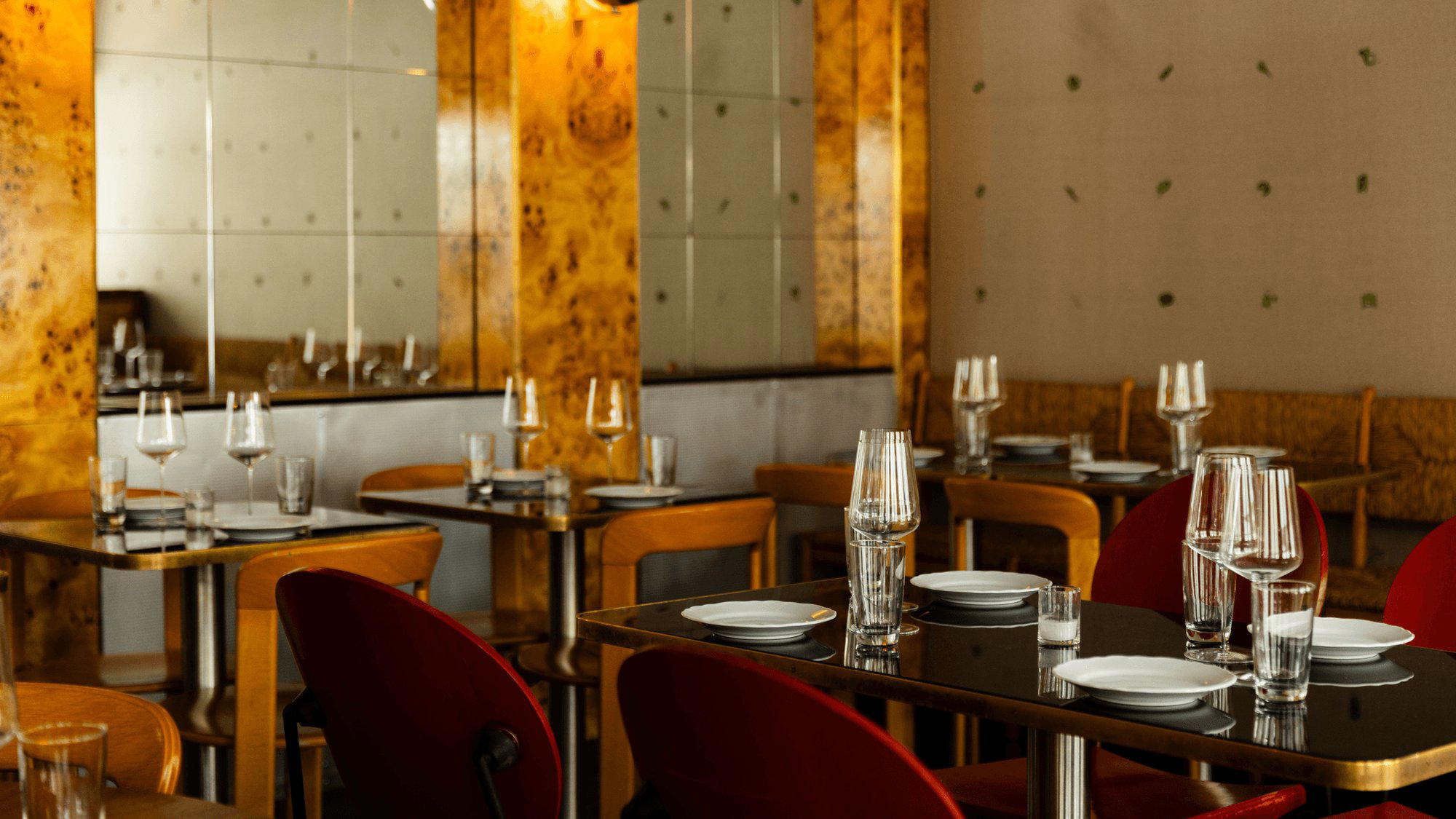
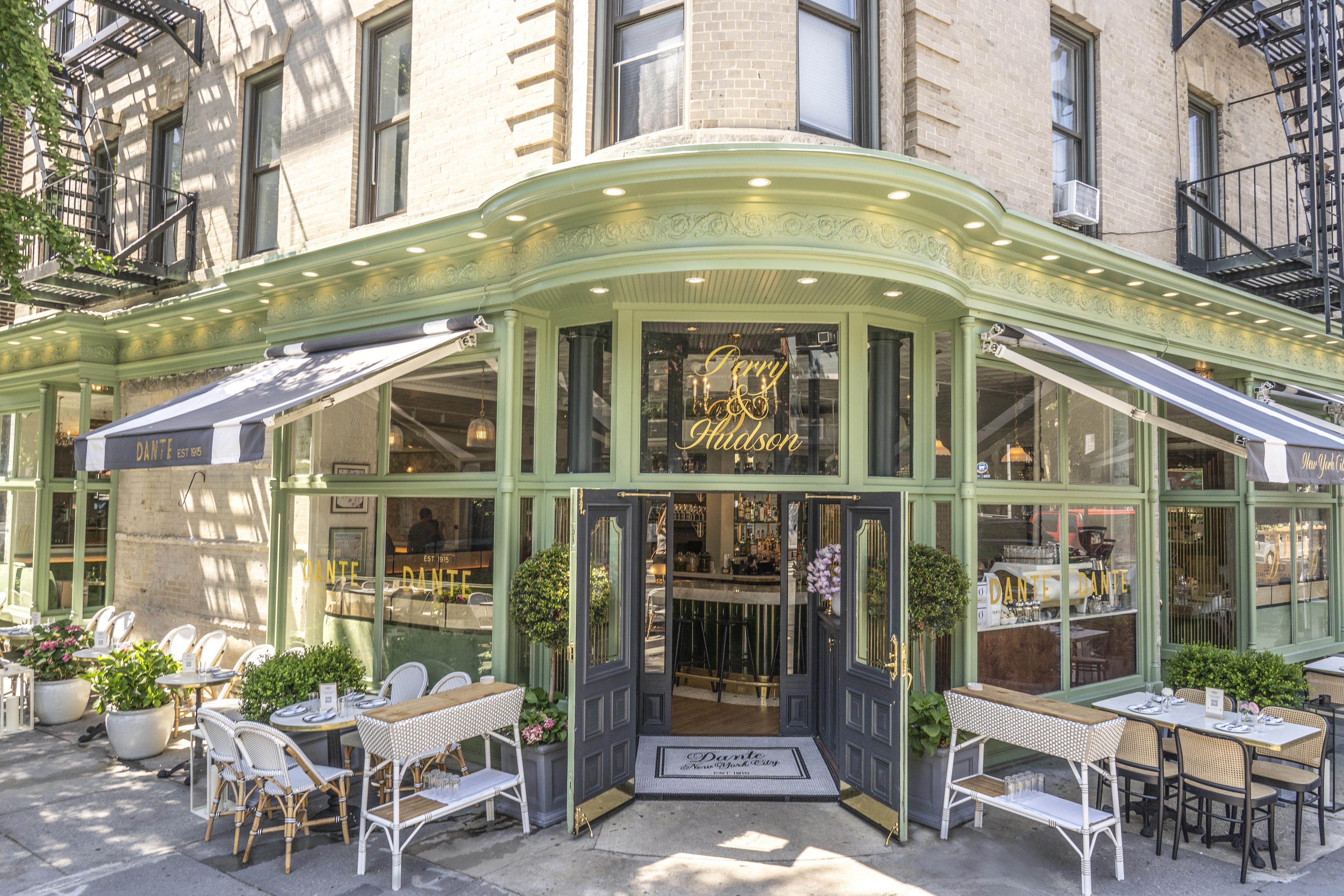
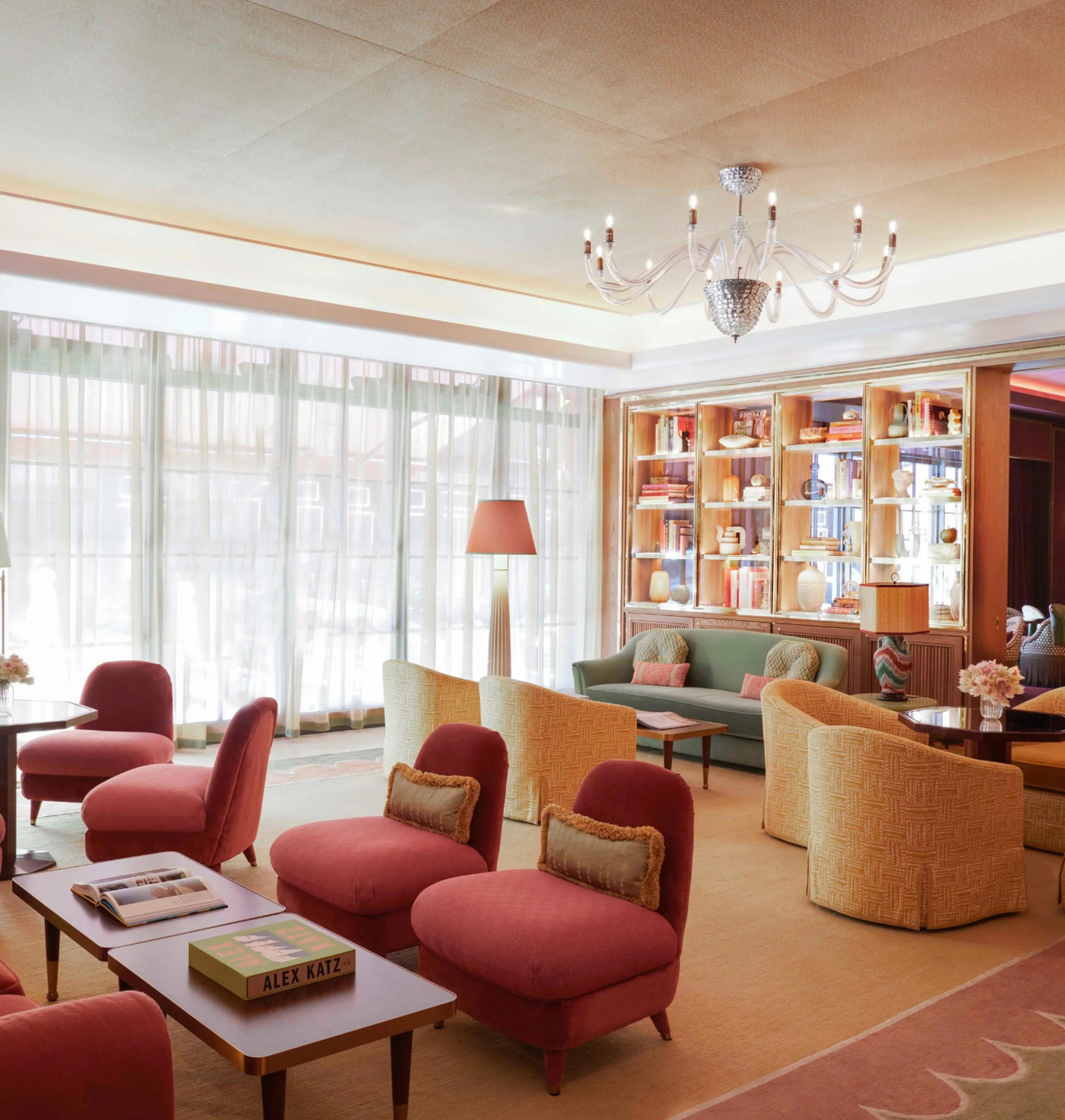
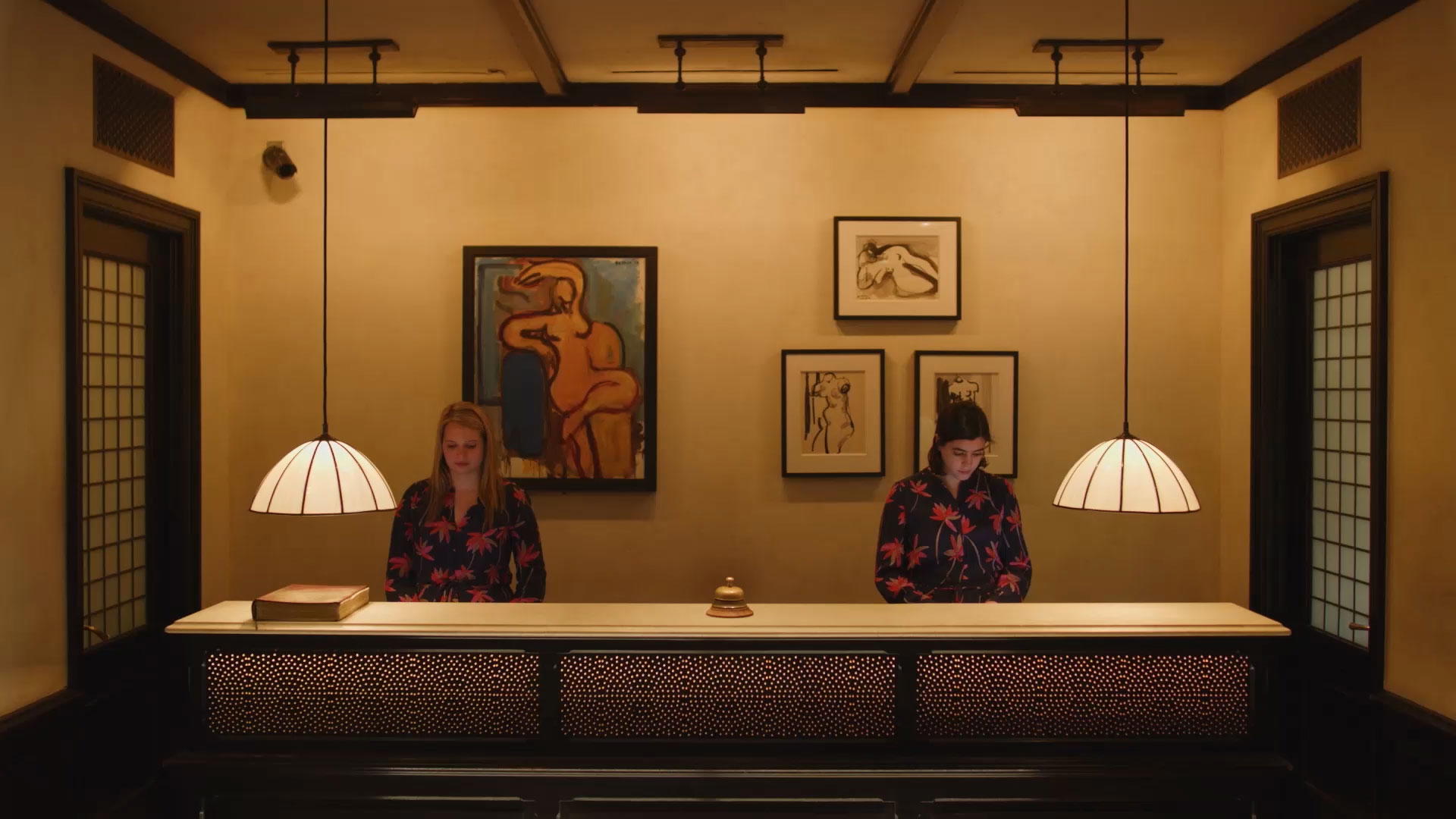
Cozy and inviting with vintage furniture, warm lighting, rugs, sheer curtains, and a relaxed yet sophisticated atmosphere.