Paran Korean Grill
On Fremont Avenue North, Paran Korean Grill occupies a niche that Seattle's Korean dining scene handles unevenly: noodle-focused, fried, and grilled plates served without the high-production theater that dominates the category elsewhere. The format rewards diners who treat the meal as a sequence rather than a single order, and the Fremont address puts it within reach of the neighborhood's broader dining corridor.
Pearl is the En Primeur Club membership app — saves, bookings, and concierge access live there. Same editors, same standards.
- Address
- 3424 Fremont Ave N, Seattle, WA 98103
- Phone
- (206) 387-3936
- Website
- tables.toasttab.com
- Directions
- Get directions
 Saves & bookings on Pearl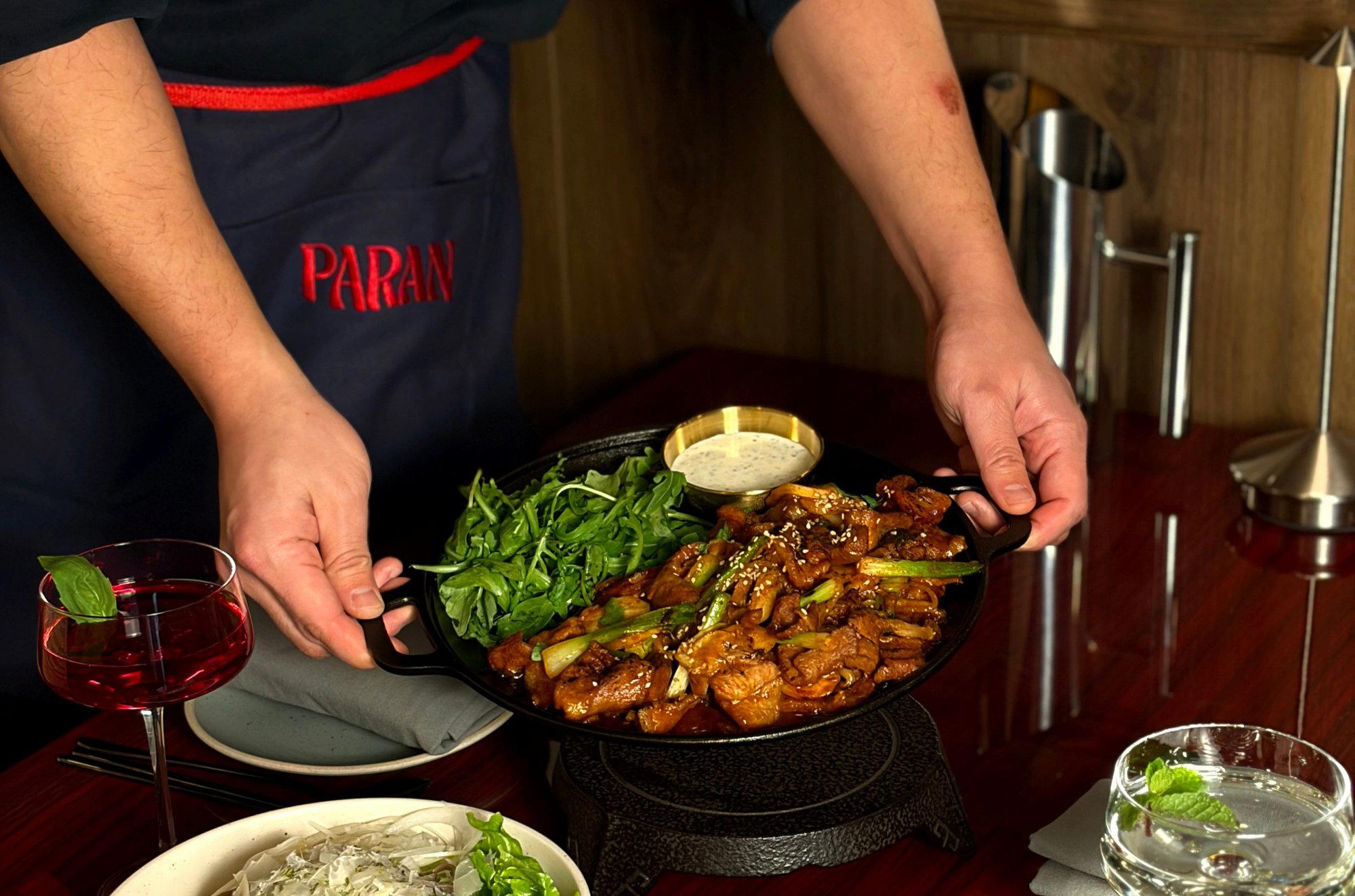
Fremont's Korean Counter and the Ritual of the Grilled Plate
Fremont Avenue North operates as one of Seattle's more coherent neighborhood dining corridors, where casual-serious restaurants sit alongside each other without the self-consciousness that can make Capitol Hill feel performative. Korean dining in this city has historically concentrated around the Lynnwood-to-Shoreline axis and, more recently, in pockets of Bellevue and Federal Way, so a noodle-focused, grill-and-fry operation in Fremont represents a deliberate positioning choice rather than default geography.
Korean grilled and fried plates, particularly when organized around noodle dishes, operate on a logic of sequence and accumulation rather than the single-dish focus that drives, say, the tasting menu format at places like Canlis or the precision-focused plating at Altura. You build a table, not a plate. Banchan arrive first, establishing a baseline of fermented, pickled, and seasoned flavors that recalibrate your palate for what follows. The grilled and fried elements come as anchors. Noodles, whether cold and dressed or warm and broth-forward, function as transitions or closers depending on how the table has eaten through the earlier courses.
The Sequence: How to Eat Through the Menu
One common mistake in this category is treating every item as simultaneous. Korean communal dining rewards patience and some coordination, particularly when grilled proteins are involved. If charcoal or gas grilling is part of the format, the cook time on the meat dictates the rhythm of everything else: banchan gets picked at while the grill works, noodles land when the protein is mostly finished, not before. At Paran, the menu suggests a noodle-focused approach alongside fried and grilled plates, which covers multiple phases of that sequence rather than specializing in a single register.
Fried plates in Korean dining tend to be underestimated as a category. Jeon (savory pancakes), twigim (battered and fried vegetables or proteins), and dakgangjeong-style preparations each carry significant textural and flavor weight and function well as middle-of-the-table anchors while a grill heats up or a broth settles. A kitchen that handles both the fried and grilled sides of the menu competently is doing more technical work than it might appear from the outside, because the heat management and timing for each are quite different.
Noodle focus adds another layer. Cold noodle preparations like naengmyeon, served in chilled broth with thin buckwheat or sweet potato starch noodles, require precision in the dressing and temperature control to land correctly. Warm noodle dishes can range from the deeply fermented richness of janchi guksu to the spiced intensity of jjajangmyeon, each calling for a different kind of attention from the kitchen. A restaurant that positions itself around noodle-forward Korean cooking is making a specific claim about craft that goes beyond the more marketable shorthand of Korean barbecue.
Where Paran Sits in Seattle's Korean Dining Picture
Seattle's Korean restaurant scene is smaller and less concentrated than what you find in Los Angeles or the New York metro area, and the formats available to diners in the city reflect that scale. The dominant offering remains Korean barbecue in its table-grill format, with a secondary layer of Korean-American hybrid cooking. Venues doing serious noodle work or fried-plate-focused Korean cooking without the barbecue apparatus tend to operate more quietly. Paran's Fremont address puts it outside the traditional Korean dining geography of the greater Eastside, which may explain why it registers differently to Seattle diners than a comparable spot in, say, the Shoreline corridor.
For context on where Seattle's restaurant community places its energy, it's useful to compare across categories. The city's most formally ambitious cooking tends to happen at places like Canlis or in tighter, concept-driven formats like Joule, which applies New Asian framing to similar ingredient traditions. Archipelago represents the Pacific Northwest's own version of local-ingredient formalism. Paran operates in a different register entirely, closer to the category of working Korean restaurants where the point is the food and the sequence, not the concept.
That's not a lesser category. Particularly instructive Korean cooking internationally happens in formats exactly like this: a focused menu, a tight set of preparations, and a dining ritual that requires the customer to bring some knowledge to the table. The format resembles what you might find at a well-run regional Korean spot far more than it resembles the high-production Korean dining that has attracted international attention in Seoul. For diners used to the ceremony of a place like Le Bernardin in New York City or the deliberate pacing of The French Laundry in Napa, the shift in register is significant. The skill is real; the presentation is simply different.
Planning a Visit to Paran
Paran Korean Grill is at 3424 Fremont Ave N, Seattle, WA 98103, placing it on the main Fremont corridor with street parking and proximity to the neighborhood's walkable dining cluster. Booking is recommended, and the restaurant is open Mon: 5-9 PM; Tue: Closed; Wed: 5-9 PM; Thu: 5-9 PM; Fri: 5-10 PM; Sat: 5-10 PM; Sun: 5-9 PM. Given the communal format typical of Korean grill-and-noodle operations, arriving as a complete group is worth noting: the pacing of this kind of meal works better when the table can order and time dishes together from the start.
How It Stacks Up
Comparable venues nearby, for context on price, style, and recognition.
| Venue | Cuisine | Price | Notes |
|---|---|---|---|
| Paran Korean GrillThis venue — the venue you are viewing | Korean Grill | $$ | Not listed |
| Seoul Tofu House | Traditional Korean Tofu House | $$ | Chinatown |
| Girin SteakHouse | Korean Steakhouse | $$$$ | Pioneer Square |
| The Dish Cafe | American Breakfast & Brunch with Mexican Influences | $$ | Fremont |
| Jimmy's on Broadway | Modern American with Northwest Flavors | $$ | First Hill |
| Green Leaf Vietnamese Restaurant | Vietnamese Noodle House | $$ | International District |
Continue exploring
More in Seattle
Restaurants in Seattle
Browse all →
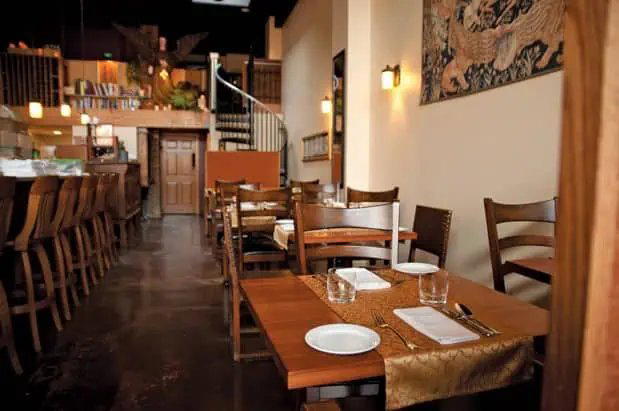
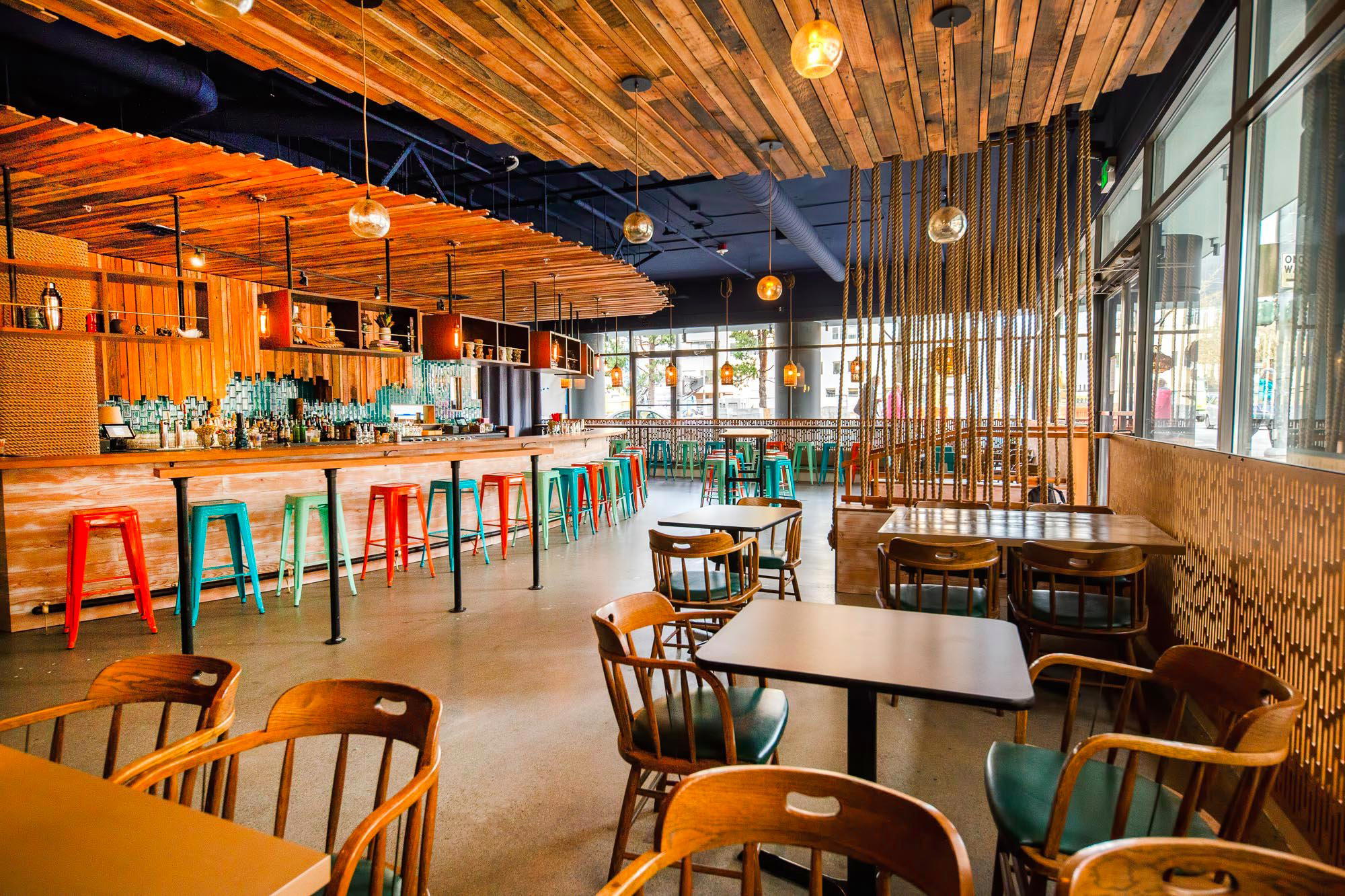
Bars in Seattle
Browse all →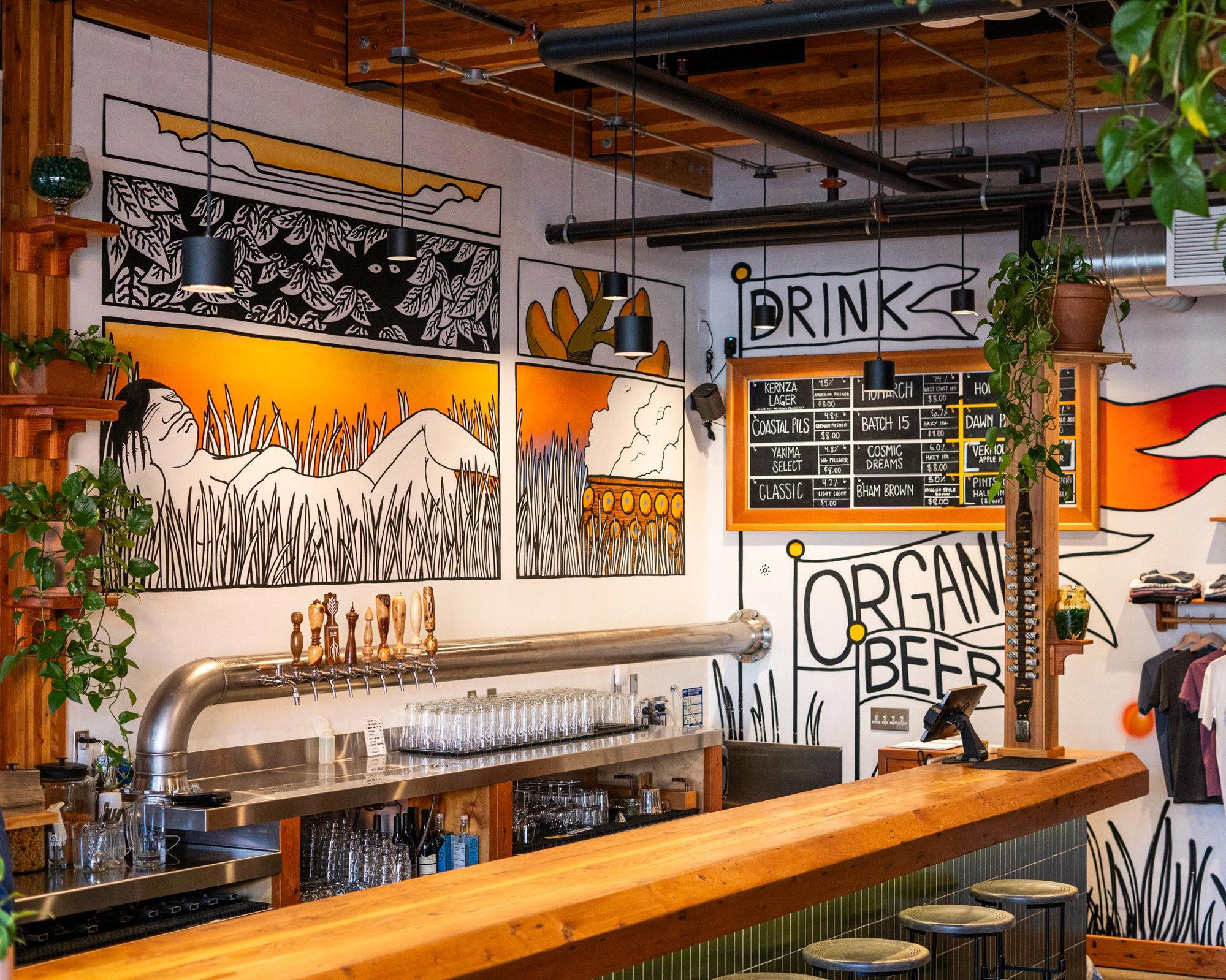
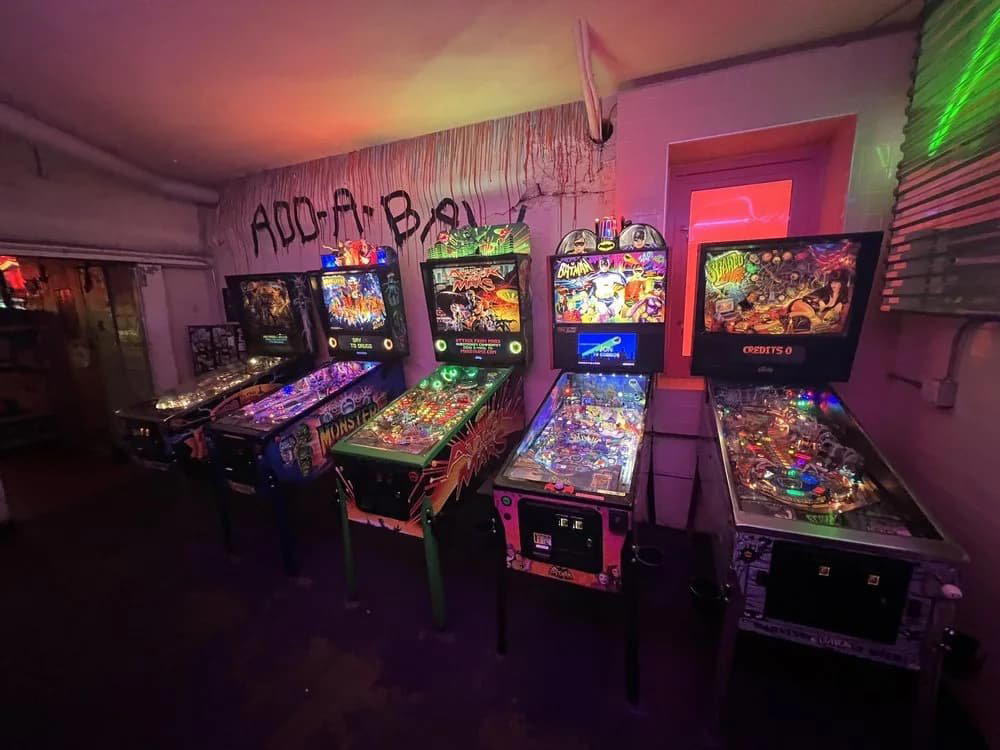
Hotels in Seattle
Browse all →

At a Glance
- Trendy
- Modern
- Energetic
- Date Night
- Casual Hangout
Current opening hours
- Monday
- 5–9 PM
- Tuesday
- Closed
- Wednesday
- 5–9 PM
- Thursday
- 5–9 PM
- Friday
- 5–10 PM
- Saturday
- 5–10 PM
- Sunday
- 5–9 PM
Hours can change for holidays and private events. Last verified .
Busy and lively atmosphere with attentive service.