On Rue Metellus in Port-au-Prince, Papaye sits within a dining scene defined by Haitian produce, street-level resourcefulness, and a deep creole cooking tradition that predates most restaurant categories. The address places it inside the city's most active corridor for everyday eating, where sourcing relationships with local markets and small-scale growers shape what reaches the table more than any printed menu does.
Pearl is the En Primeur Club membership app — saves, bookings, and concierge access live there. Same editors, same standards.
- Address
- Rue Metellus, Pòtoprens
- Directions
- Get directions
 Saves & bookings on Pearl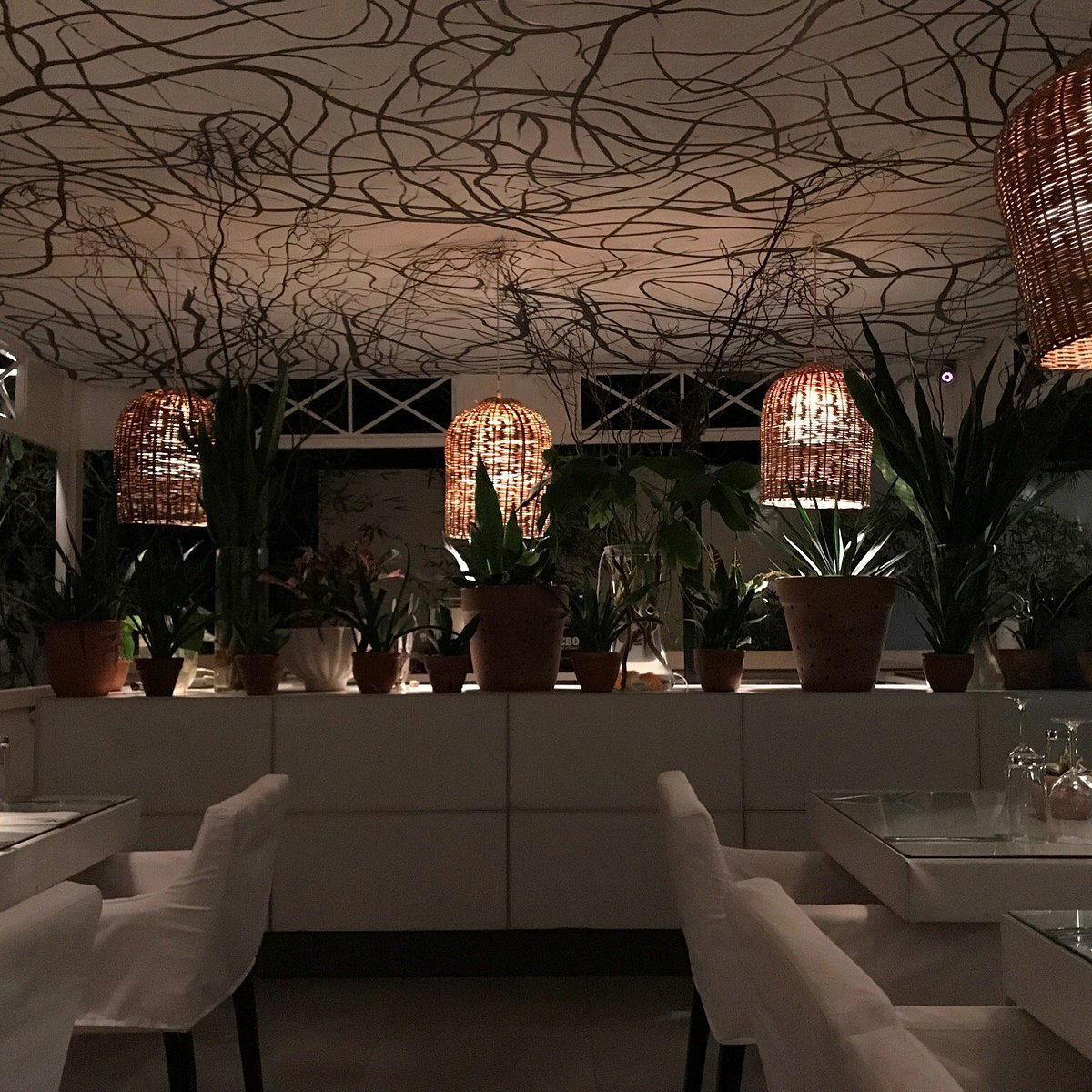
Rue Metellus and the Logic of Haitian Street-Level Dining
Approach Rue Metellus on any given afternoon and the sensory register is immediately local: open-air market stalls carrying plantain, breadfruit, and pikliz in varying states of fermentation, motorcycle traffic moving in short bursts, and the smell of charcoal smoke from grills that operate on a schedule dictated by supply rather than service hours. This is not atmosphere manufactured for visitors. It is the operational reality of eating in Port-au-Prince, and Papaye exists inside it rather than apart from it. In a city where the restaurant category itself operates along informal lines, a Rue Metellus address signals alignment with a particular kind of Haitian dining: embedded in neighbourhood supply chains, responsive to what the market offers that day, and priced for the people who live nearby rather than those passing through.
Port-au-Prince's dining scene does not map neatly onto the frameworks that apply to, say, the omakase counters of Atomix in New York City or the garden-sourced tasting menus at Atelier Crenn in San Francisco. Formal credentialing bodies do not operate here with any regularity, and the absence of Michelin coverage or 50 Best placement reflects geography and institutional reach rather than the quality of what is being cooked. For a reader calibrated to venues like Arpège in Paris or Alinea in Chicago, the adjustment required is conceptual as much as practical: the metrics that matter here are sourcing depth, creole technique, and the kind of consistency that comes from cooking the same traditions across decades rather than from a chef's tasting menu evolving season to season.
Where the Food Comes From, and Why That Shapes Everything
Haitian cuisine's relationship to its raw materials is foundational in a way that distinguishes it from most restaurant categories operating at the higher end of the market elsewhere. The dishes that define the tradition — griyo (fried pork), tasso (dried beef), diri ak djon djon (rice cooked with black mushrooms endemic to the northern departments), and the ever-present legim stew of root vegetables and greens — draw on ingredients that are either locally cultivated or foraged within a relatively tight geographic radius. Djon djon, for instance, does not import well and does not replicate with substitutes; when it appears on a table in Port-au-Prince, the supply chain that delivered it runs through the Artibonite or the Cap-Haïtien region's smallholder farming networks, not a global commodity system.
This sourcing structure matters because it produces cuisine that changes with agricultural conditions rather than with a chef's creative calendar. The plantain on the table reflects this week's harvest. The pikliz, Haiti's fermented scotch bonnet and cabbage condiment, the one element that appears at virtually every serious Haitian table regardless of price point or formality, carries the heat profile of locally grown peppers, which vary by season and grower. For venues operating in this context, ingredient provenance is not a marketing position. It is simply how the food works. Compare this with the ethos at Azurmendi in Larrabetzu or Atelier Moessmer Norbert Niederkofler in Brunico, where hyperlocal sourcing is the explicit editorial frame and carries significant institutional recognition. In Port-au-Prince, the same principle operates without the accompanying critical apparatus, which makes it easier to overlook and harder to quantify.
Papaye in Context: Petionville, the Wider City, and Where This Address Fits
Within Port-au-Prince's dining geography, the distinction between downtown addresses and Petionville, the hillside suburb that hosts a larger concentration of formal restaurants, is meaningful. Petionville venues, including Le Petit Creux in Petionville, tend to operate in more controlled environments with formats closer to what international travellers expect. A Rue Metellus address in the city proper situates Papaye in a different register: closer to the daily commerce of Port-au-Prince, more directly integrated with neighbourhood supply, and operating within a format that reflects the city's own internal dining logic rather than an adapted international one. Neither position is superior; they serve different readers and different purposes. For anyone building a real picture of how Port-au-Prince eats, both tiers belong in the itinerary. Our full Potoprens restaurants guide maps that broader range.
Atmosphere and What to Expect
Haitian dining rooms in the Rue Metellus corridor tend to be functional rather than designed. Tables are set close, fans run when power allows, and the room's energy comes from the pace of service and the presence of regulars rather than from considered interior architecture. Expect a space that prioritises throughput and consistency over theatrics. The model is closer to the trattorias of Naples than to the composed dining environments of, for instance, Amber in Hong Kong or 8 1/2 Otto e Mezzo Bombana in Hong Kong. The value proposition lies in the cooking and its rootedness in local supply, not in the room's presentation. Families eat here. Regulars arrive with existing orders in mind. First-time visitors benefit from following the table next to them rather than reading a menu as a discovery exercise.
Planning Your Visit
For venues operating in Port-au-Prince's street-level dining corridor, walk-in is typically the operative format; reservation infrastructure is less common at this tier of the market. Visiting during lunchtime hours aligns with the rhythm of Haitian street dining, when supply is freshest and kitchen volume is highest. The address on Rue Metellus is the most reliable navigation anchor available; local knowledge from your accommodation will be more current than any online listing for operational hours.
Continue exploring
More in Potoprens
Restaurants in Potoprens
Browse all →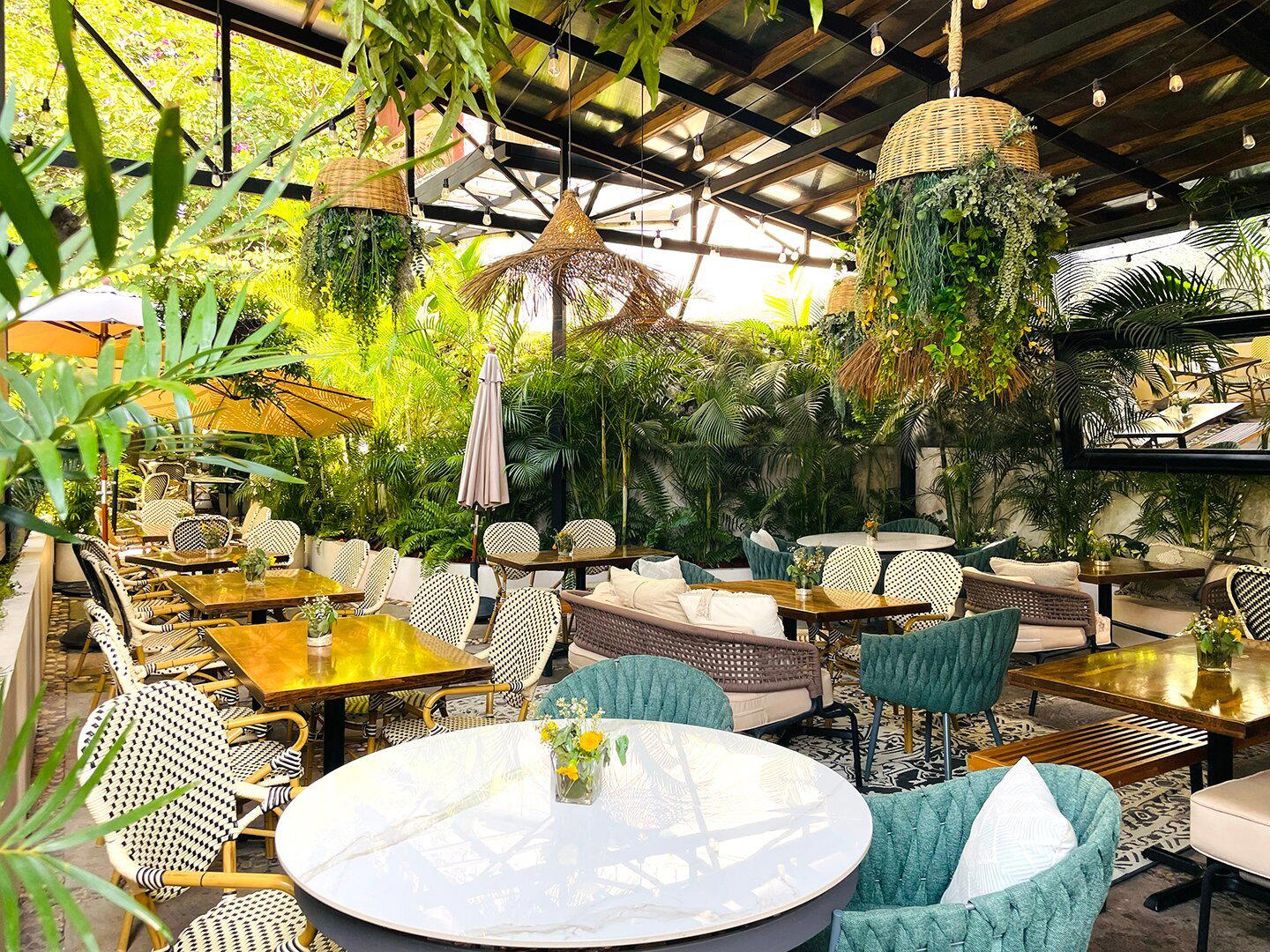
At a Glance
- Casual Hangout
Casual and quick-service atmosphere.
Know Before You Go
- Getting there
- Rue Metellus, Pòtoprens