Le Petit Creux!
In Petionville, the hillside suburb above Port-au-Prince where the capital's restaurant scene concentrates, Le Petit Creux sits within a dining culture shaped by Haitian ingredients and Creole culinary tradition. With sparse formal documentation available, the restaurant draws interest through its local reputation and its place in one of the Caribbean's most distinctive food cities.
Pearl is the En Primeur Club membership app — saves, bookings, and concierge access live there. Same editors, same standards.
- Address
- Petionville
- Directions
- Get directions
 Saves & bookings on Pearl
Petionville's Restaurant Scene and Where Le Petit Creux Fits
Petionville operates as the functional dining district for greater Port-au-Prince. Positioned in the hills above the capital, it concentrates the restaurants, cafes, and social venues that serve both Haiti's professional class and the expatriate community that has shaped the suburb's commercial character over decades. The dining culture here is layered: Haitian Creole cooking built on plantain, griot, pikliz, and legim sits alongside French-inflected kitchens that reflect the colonial culinary inheritance, and both traditions coexist on the same blocks. For visitors arriving from outside Haiti, Petionville tends to be the entry point to understanding how Haitian food actually works at a table-service level, rather than through street stalls or private households where much of the cuisine's leading expression has historically lived. Our full Petionville restaurants guide maps that scene in detail.
Within this context, Le Petit Creux operates as a local fixture. The name itself signals something about scale and register: "petit creux" in French refers to a small hunger, a light appetite, the kind of informal satisfaction that doesn't require ceremony. That framing places it in a different bracket from the formal dining rooms that anchor the upper end of Petionville's restaurant concentration, suggesting a kitchen oriented toward regulars and accessible meals rather than occasion dining or international prestige.
Ingredient Sourcing and the Haitian Table
Haiti's food culture is defined as much by what grows on the island as by any particular cooking technique. The country's agricultural output, shaped by its mountainous interior and coastal lowlands, produces a specific palette of ingredients that appear across Creole cooking: black mushrooms dried and rehydrated for depth, Scotch bonnet and Haitian piment peppers that differ from Caribbean neighbors in heat and fruitiness, fresh thyme that grows prolifically and appears in virtually every savory preparation, sour oranges used for marinating meats in the epis blend that forms the flavor base of Haitian cooking, and root vegetables, including malanga, yam, and breadfruit, that form the starchy core of daily eating.
This sourcing tradition matters because it shapes what appears on the table at a restaurant like Le Petit Creux in ways that are largely invisible to visitors unfamiliar with the cuisine. The epis marinade, a blended paste of herbs, aromatics, and citrus applied to proteins before cooking, is not a technique that travels well or survives substitution. Its character depends on specific local ingredients, particularly the sour orange and the fresh thyme, and kitchens sourcing locally produce a noticeably different result from those working with imported alternatives. Similarly, griot, the deep-fried pork that has become something of a national marker dish, achieves its texture through a specific process of braising and then frying that requires time and fat management. These are ingredient-dependent preparations, not technique-first dishes that can be adapted around pantry substitutions.
In a broader Caribbean comparison, Haiti's Creole cooking sits in a distinct position. It shares Spanish, French, and African influences with neighboring Dominican and Cuban traditions but diverged sharply through the country's particular history and isolation. The result is a cuisine that has not been widely exported or internationally codified in the way that, say, the French tradition practiced at counters like Le Bernardin in New York City or Alain Ducasse at Louis XV in Monte Carlo has been. Haitian food remains largely local, largely oral in its transmission, and largely dependent on sourcing ingredients that don't appear in international supply chains. That insularity is, depending on how you approach it, either a limitation or a preservation.
For restaurants operating in Petionville, this means that sourcing decisions carry weight that they might not in cities with more developed import infrastructure. A kitchen committed to local ingredient use is making a practical and culinary statement simultaneously. Whether Le Petit Creux operates with that level of deliberate sourcing philosophy or simply cooks from local markets as a matter of access and cost is not documented in available records. What is clear is that the cuisine it serves, whatever its specific menu, sits within a tradition that is defined by its ingredients rather than by imported technique or international influence.
Petionville in the Wider Restaurant Conversation
Petionville's restaurant scene rarely appears in the international dining press that covers formal tasting menu culture at venues like Atomix in New York City, Alinea in Chicago, or Arpège in Paris. That absence reflects the coverage gap between cities with established critical infrastructure and those where dining culture is rich but largely unmediated by international publications. It does not reflect the quality or character of what is being cooked. The same gap applies to other cities where serious food culture operates without significant press attention, from certain West African capitals to parts of Latin America where local dining traditions are sophisticated but not formatted for international consumption.
Comparable venues in the Haitian context include Papaye in Potoprens, which serves as another reference point for understanding how Haitian Creole cooking appears in a restaurant setting. Both sit within a city context that is working out, largely on its own terms, what serious Haitian dining looks like in the twenty-first century.
For international travelers who have spent time in more globally documented dining cities and encountered the ingredient-sourcing movements at restaurants like Azurmendi in Larrabetzu or Atelier Moessmer Norbert Niederkofler in Brunico, the Haitian table presents a different but related argument: that place-specific ingredients are the primary carrier of culinary identity, and that a cuisine defined by its local sourcing can carry as much specificity as one that has been formalized through Michelin recognition or international competition circuits.
Planning a Visit
Le Petit Creux is located in Petionville, the dining-concentrated suburb above Port-au-Prince that serves as the practical base for most visitors to the capital. Petionville's restaurant strip is walkable within the suburb itself, and the area's compact commercial concentration means that planning around a few restaurants in the same evening or day is feasible. Travelers arriving from Port-au-Prince proper typically reach Petionville by taxi or tap-tap, with the uphill route taking fifteen to forty minutes depending on traffic.
For those building a broader Haiti dining itinerary, Petionville provides the most consistent access to table-service Haitian cooking, and Le Petit Creux represents the kind of neighborhood-scale restaurant that carries local culinary knowledge in a more accessible format than formal occasion dining.
Quick Comparison
| Venue | Cuisine |
|---|---|
| Le Petit Creux!This venue — the venue you are viewing | This venue |
Continue exploring
More in Petionville
Restaurants in Petionville
Browse all →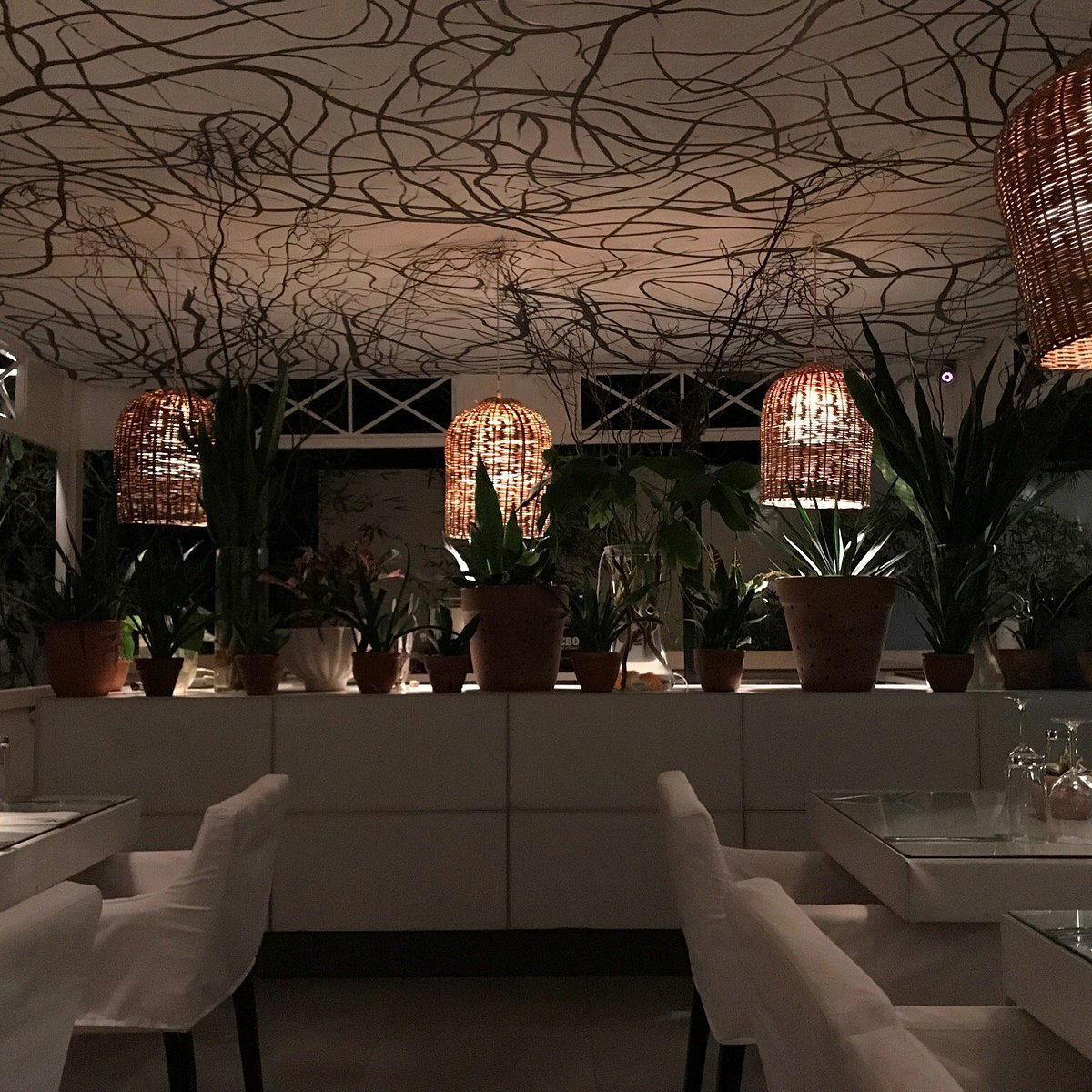
At a Glance
- Cozy
- Family
- Casual Hangout
- Brunch
Clean and charming pastry shop with a welcoming boutique atmosphere.
Know Before You Go
- Getting there
- Petionville