Packhorse Inn

Michelin Plate
Our verdict
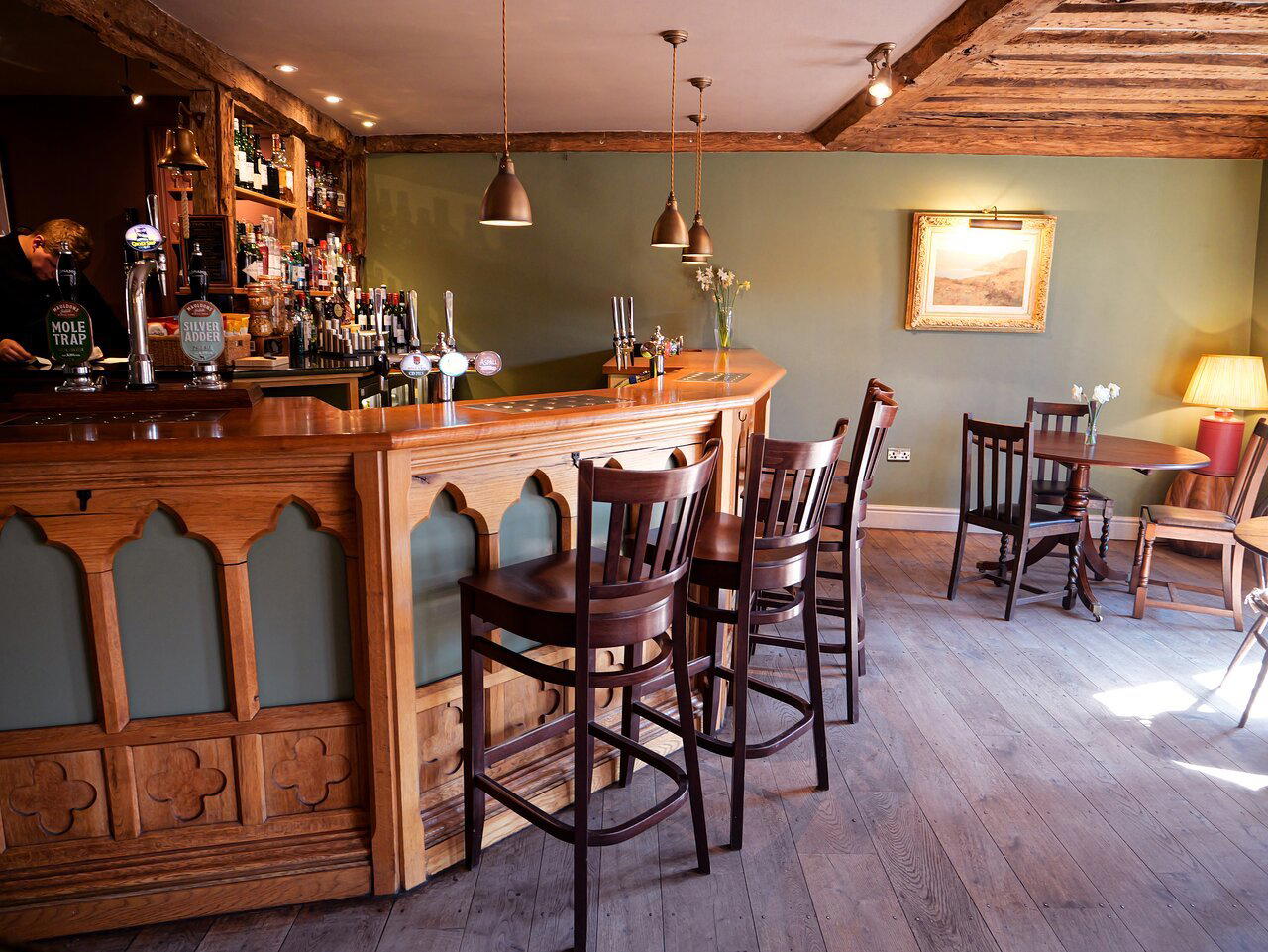
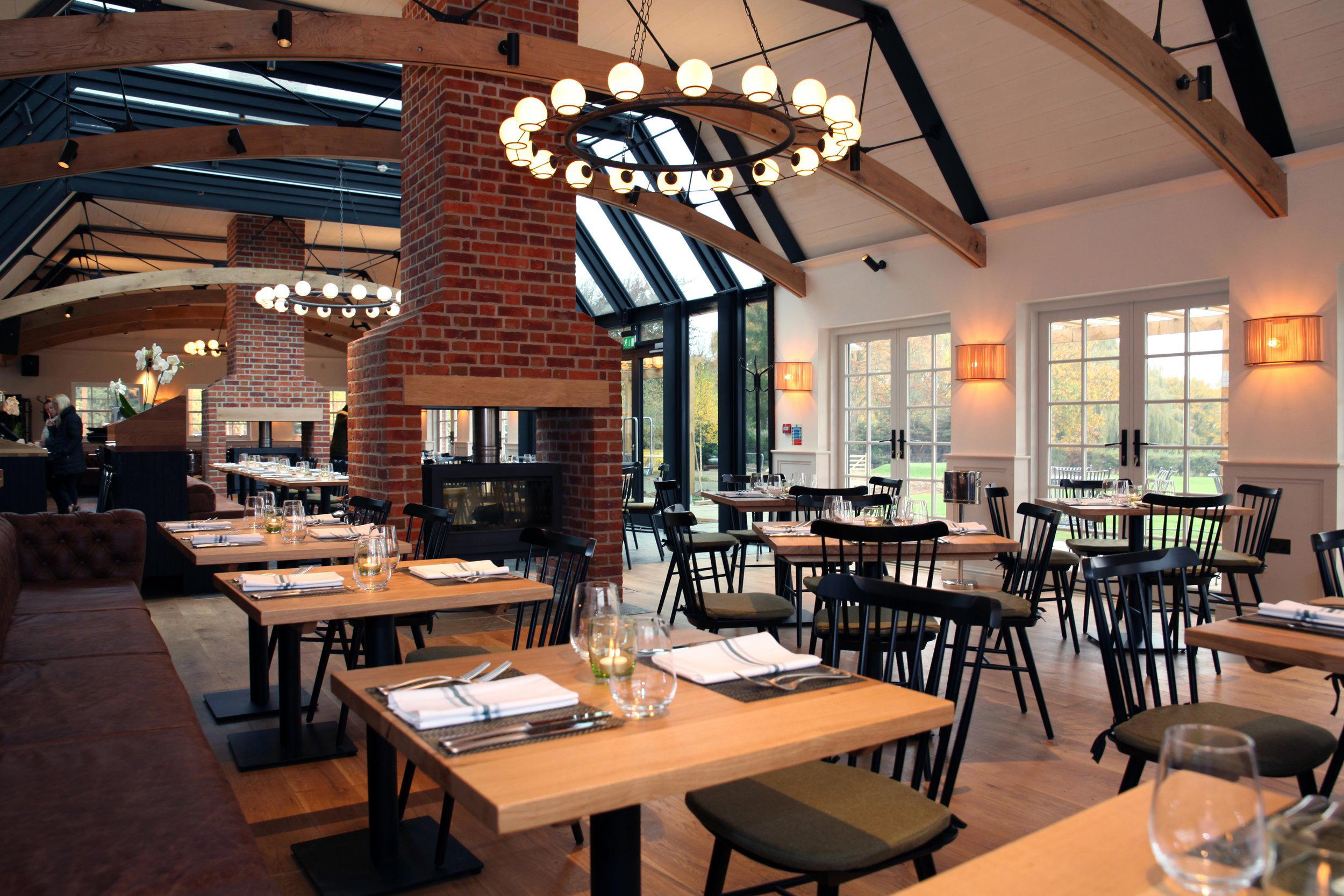
A Michelin Plate-recognised pub in the Suffolk village of Moulton, the Packhorse Inn sits beside the 15th-century flint bridge that gave it its name. The kitchen applies modern technique to locally sourced ingredients, with results that sit above typical country-pub fare. Ultra-stylish bedrooms with roll-top baths make it a credible overnight stop for visitors to the Newmarket racing circuit.

Pearl is the En Primeur Club membership app, where members save venues, book tables and use the concierge.
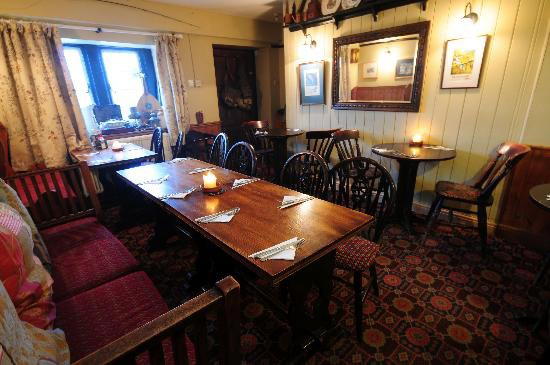
A Suffolk Village, a Flint Bridge, and a Kitchen That Earns Its Keep
Approaching Moulton from the Newmarket road, the village green arrives before you expect it, and the Packhorse Inn sits close to it in the way that proper English village pubs are supposed to. The 15th-century flint bridge spanning the River Kennet, the one that names the pub, is the kind of structural detail that anchors a place in landscape and time. The building wears that history plainly: no theatrical renovation, no statement signage. What you find inside belongs to a different register than the exterior suggests.
The British countryside is well supplied with pubs that signal ambition through stripped floors and chalkboard menus, then deliver cooking that doesn't match. The Packhorse Inn operates in a more disciplined register. Michelin awarded it a Plate in both 2024 and 2025, a recognition that places it among kitchens producing technically sound, quality-ingredient cooking, even if short of the Michelin star tier. The Packhorse belongs in that group.
Where the Ingredients Come From, and Why That Matters
The Michelin description of the kitchen is precise: "understated modern dishes have subtle yet effective flavour combinations and use the leading local ingredients." That phrase, leading local ingredients, carries weight in this part of England. Suffolk and its immediate neighbours, Cambridgeshire and Norfolk, produce some of the country's most consistent agricultural output: game from estates around Newmarket, heritage-breed pork and beef from small farms across the county, coastal fish from the Suffolk coast an hour east, and summer vegetables that the region's flat, well-drained land handles well.
In British rural dining more broadly, the kitchens that have held sustained recognition tend to be those that build long-term relationships with a specific geography rather than sourcing generically from premium suppliers. The distinction matters on the plate: ingredients that travel shorter distances arrive in better condition, and kitchens that know their suppliers can order to specification rather than working from whatever arrives. At price point ££, this approach to sourcing represents better value than the London equivalents, operations like The Ledbury in London or Midsummer House in Cambridge occupy a fundamentally different price bracket while also drawing on regional English produce as a foundation.
The "subtle yet effective" descriptor in the Michelin citation is worth holding. It signals a kitchen that trusts its ingredients to carry the work rather than compensating with heavy sauce or aggressive seasoning. That approach requires confidence in sourcing. When produce is genuinely seasonal and locally grown, the cooking can afford restraint. When it isn't, kitchens often resort to layering flavour to compensate. The Packhorse's consistent Michelin recognition across two consecutive years suggests the sourcing strategy is holding.
The Accommodation Question
The Packhorse Inn operates as a pub-with-rooms, which in the contemporary British hospitality market represents a distinct category. The style here leans toward the premium end: the Michelin record describes ultra-stylish bedrooms with plush furnishings and roll-leading baths, positioning the accommodation above the functional inn tier. This matters for visitors to the Newmarket area, where racing calendars concentrate demand in spring and autumn. The village itself sits within easy reach of the July Course and Rowley Mile, which means the Packhorse effectively serves as a small country-house alternative to the chain hotel options available in Newmarket proper.
Staying versus driving in from Cambridge or Ely is a different calculation at this standard of accommodation. A kitchen at Michelin Plate level and bedrooms designed for comfort means the evening doesn't need to end at last orders. For anyone using the Newmarket area as a base for racing, point-to-point events, or simply exploring the Stour Valley and the Suffolk villages to the south, the Packhorse functions as a practical anchor rather than a detour. For broader accommodation context in the area, see our full Moulton hotels guide.
Placing the Packhorse in the Wider English Rural Dining Picture
British rural dining has, over the past fifteen years, sorted into recognisable tiers. At the upper end sit destination restaurants that draw nationally: L'Enclume in Cartmel, Moor Hall in Aughton, Le Manoir aux Quat' Saisons in Great Milton, and Gidleigh Park in Chagford belong to a tier where the restaurant itself is the travel reason. The Hand and Flowers in Marlow occupies a middle category, a pub format with Michelin stars that effectively created a benchmark for what an ambitious British pub kitchen can achieve.
The Packhorse operates one tier below Hand and Flowers by award level but within the same tradition: a British pub that has chosen to take its kitchen seriously and has been recognised for it. At ££, it prices against local competition rather than destination dining. For a comparable approach to modern British technique in smaller formats, hide and fox in Saltwood represents a similar positioning in Kent.
For those arriving from further afield, the broader context of modern British restaurant ambition is documented through operations like Restaurant Andrew Fairlie in Auchterarder or Opheem in Birmingham, where regional produce anchors cooking that competes at national level. The Packhorse doesn't claim that tier, but it draws on the same underlying logic: that proximity to good ingredients, handled with discipline, produces results worth travelling for.
Planning Your Visit
The Packhorse Inn is in Moulton, a village approximately four miles east of Newmarket on the Suffolk side of the county border, accessible by car from Cambridge in under thirty minutes. The ££ pricing makes it a practical option for a midweek dinner as well as a weekend stay, and the combination of Michelin Plate kitchen and quality bedrooms means a single-night itinerary is easy to justify. Booking is advisable given the limited scale of a village pub operation, particularly during Newmarket race meetings when demand across the area rises. For further options in the village and surrounding area, see our full Moulton restaurants guide, our full Moulton bars guide, our full Moulton wineries guide, and our full Moulton experiences guide.
Frequently asked questions
Is Packhorse Inn suitable for children?
What is the atmosphere like at Packhorse Inn?
What's the must-try dish at Packhorse Inn?
At-a-Glance Comparison
| Venue | Cuisine | Price | Awards | Notes |
|---|---|---|---|---|
| Packhorse InnThis venue (the venue you are viewing) | Modern British Gastropub | Not listed | Michelin Plate | Not listed |
| The Ledbury | Modern British Fine Dining | $300–500 | 3 Michelin Stars · World's 50 Best #42 | Modern European, Modern Cuisine |
| Sketch, The Lecture Room and Library | Modern French Fine Dining | $200–300 | 3 Michelin Stars · World's 50 Best #18 | Modern French |
| CORE by Clare Smyth | Modern British Fine Dining | $150–200 | 3 Michelin Stars · World's 50 Best #97 | Modern British |
| Restaurant Gordon Ramsay | French Fine Dining | $200–300 | 3 Michelin Stars · World's 50 Best #13 | Contemporary European, French |
| Dinner by Heston Blumenthal | Modern British, Traditional British | Not listed | Michelin 2 Star | Not listed |
Recognition history
Dated appearances from independent guides and award organizations, with the underlying list record or original source where available.
Michelin Plate
Michelin
National Pub & Bar Awards County Pub & Bar of the Year Winner
National Pub & Bar Awards
Full recognition history (4 entries)
Michelin Plate
Michelin
Michelin Plate
Michelin
Continue exploring
More in Moulton
Restaurants in Moulton
All restaurants in Moulton →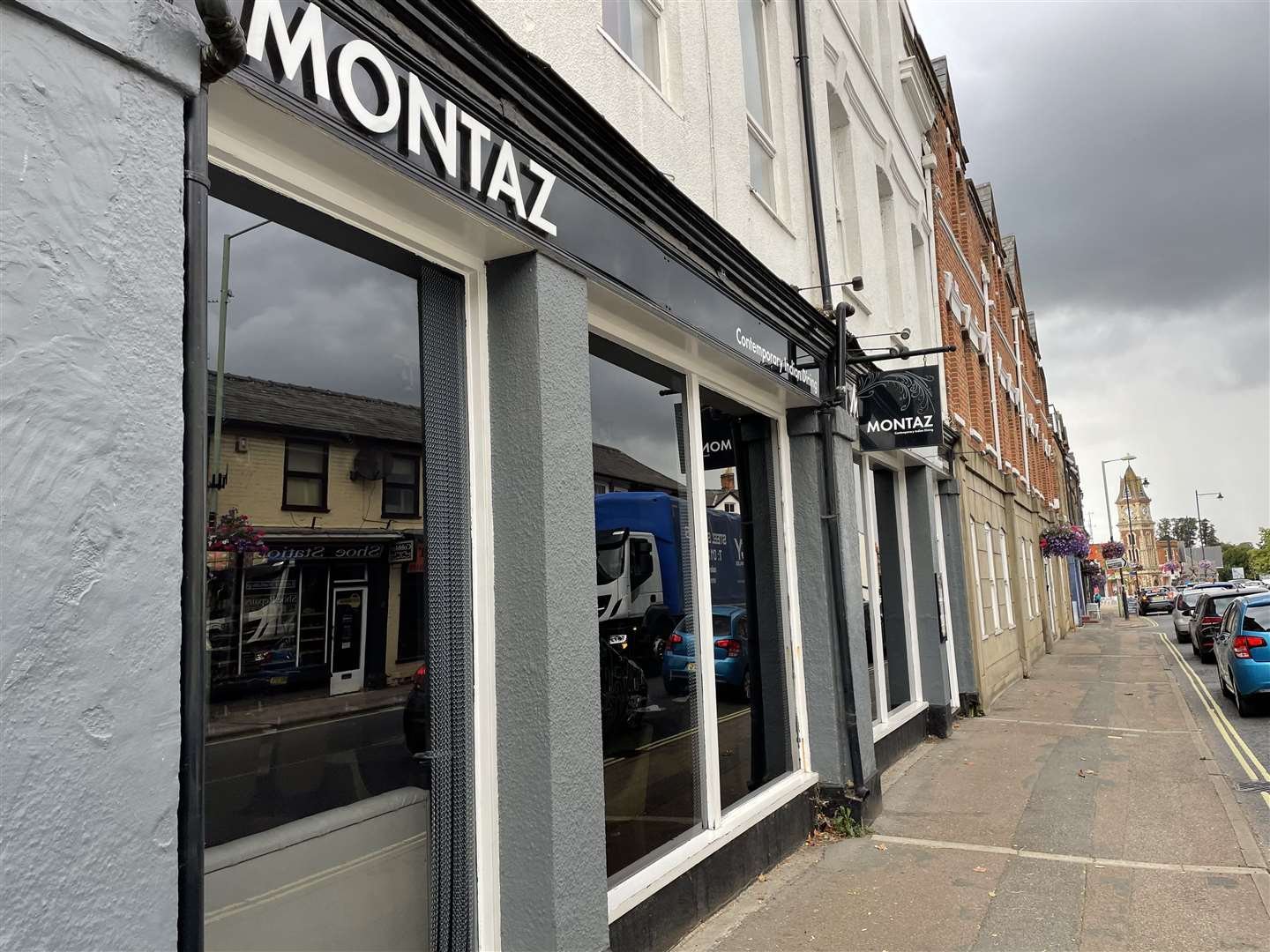
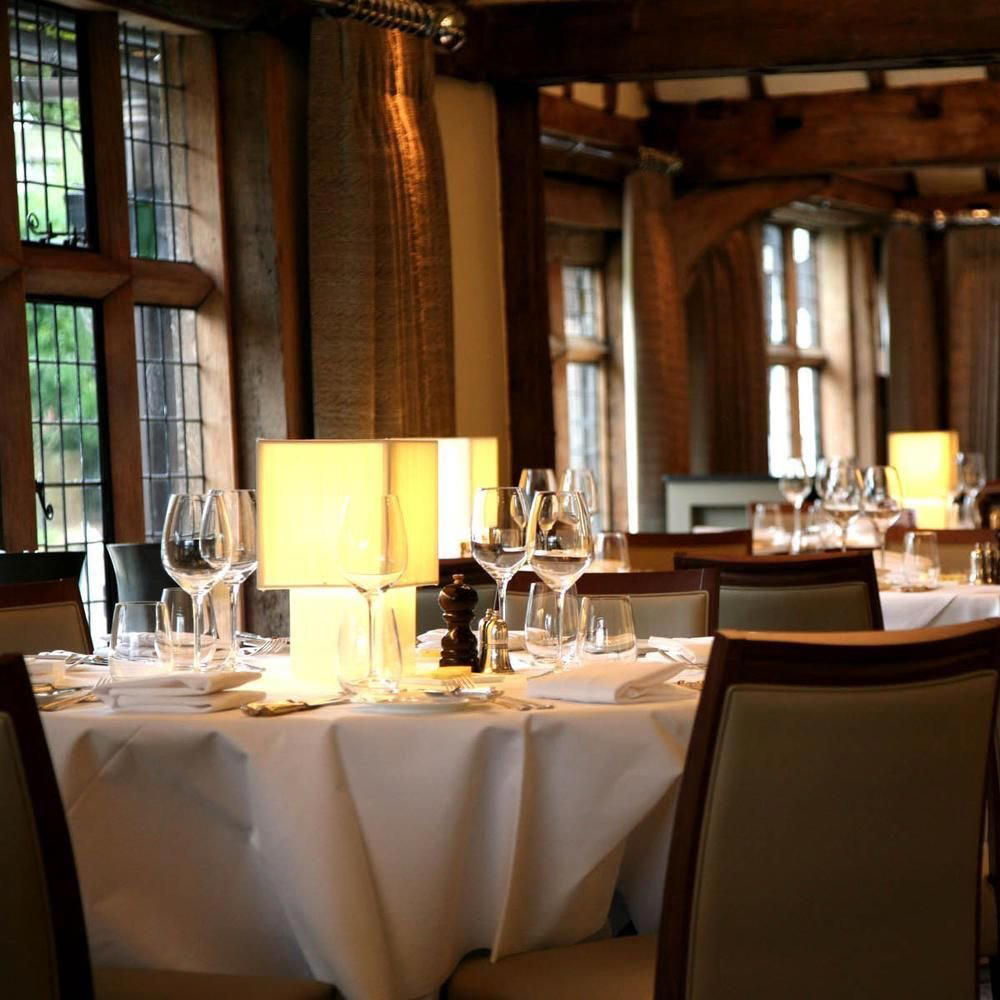
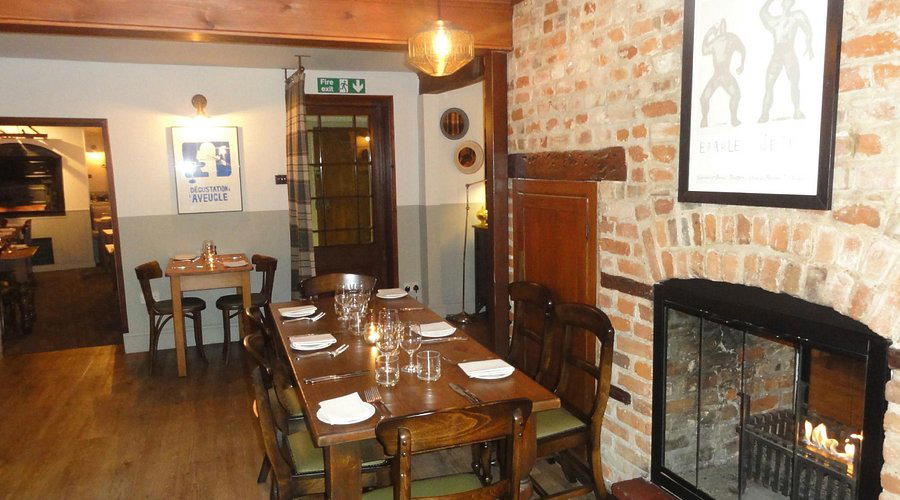
Bars in Moulton
Browse all →
Hotels in Moulton
Browse all →

Wineries in Moulton
Browse all →
Packhorse Inn
The wine
- Wine program
- Deep wine list
- Extensive wine list
Details
- Cozy
- Rustic
- Classic
- Date Night
- Special Occasion
- Casual Hangout
- Garden
- Terrace
- Historic Building
- Extensive Wine List
- Garden
- Street Scene
- A La Carte
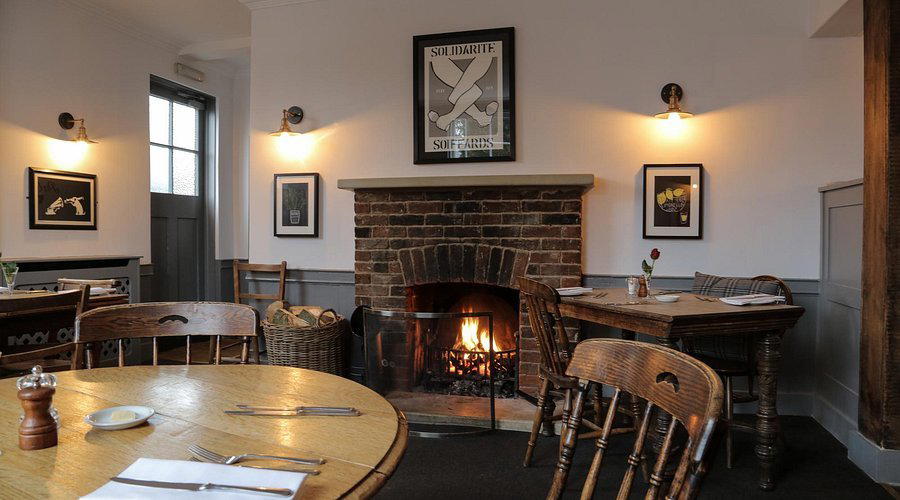
Light-filled raftered restaurant with warm attentive service, cozy fireplaces, and charming relaxed interiors.