
Tabelog 100 #42
Our verdict
Oshokuji Dokoro Kasano Ya belongs to Dazaifu’s shrine-town sweets culture rather than the high-spend dining circuit. Its Tabelog 100 selection for Japanese traditional sweets and sweets cafes in WEST 2023 places it among regional wagashi addresses with measurable recognition, while the under-¥999 price band keeps the experience closer to everyday pilgrimage snacking than destination tasting-menu dining.

Pearl is the En Primeur Club membership app, where members save venues, book tables and use the concierge.
The menu
What to order
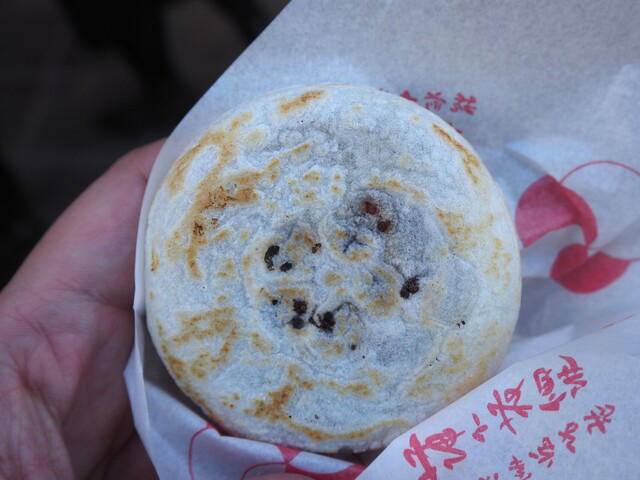
- Umegae-mochi (grilled rice cake with sweet bean paste)
The approach to Dazaifu changes the appetite before the first order is placed. Foot traffic slows, shopfronts tighten, and sweets counters become part of the route rather than an afterthought. In this kind of town, wagashi is not a plated luxury category; it is tied to walking pace, family groups, and the habit of buying something warm or portable before moving on.
That context matters more than any grand restaurant narrative. Oshokuji Dokoro Kasano Ya sits inside the older Dazaifu pattern of Japanese traditional sweets, sweets-cafe service, and casual Japanese cooking, a format that rewards ingredient discipline over theatrical service. The recognition signal is concrete: selection for the Tabelog 100 Japanese traditional sweets / Japanese sweets cafe WEST list in 2023. In a region where dessert culture ranges from formal confections to everyday sweets stops, that places the address in a curated sweets category rather than the broad casual-cafe pool.
Wagashi in Dazaifu is judged by restraint, not spectacle
Western Japan’s traditional sweets culture leans on a small set of variables: rice, beans, sugar, heat, and timing. The difference between an ordinary stop and a serious one is rarely a long menu. It is the handling of texture, the balance of sweetness, and the speed at which a sweet moves from preparation to the guest. Dazaifu sharpens that standard because visitors are often eating between short stops around town, so the format has to work for both a pause and a quick purchase.
The venue’s category listing, Japanese traditional sweets, cafe featuring Japanese sweets, and Japanese cuisine, signals a hybrid that is common in older visitor towns. The sweet is the anchor, but the room is not built only for dessert tourists. Those category details point to a practical local institution: accessible, quick enough for visitors in motion, and rooted in a food tradition that depends on sourcing and handling rather than chef performance.
There is also useful price information for reading the experience correctly. The average spend is listed at - JPY 999, which separates this from other Dazaifu dining destinations such as SANZO. The point is not that one format competes directly with the other. It is that Dazaifu’s food map runs on both sweets-led stops and proper meal destinations, and this address belongs firmly to the former category.
Ingredient sourcing shows up in the category, not in a manifesto
Traditional Japanese sweets expose weak ingredients quickly. Bean paste cannot hide behind sauce; rice-based textures punish sloppy timing; sweetness has to sit below fatigue because many guests are eating during a short break or pairing the stop with tea. That is why a recognized wagashi cafe in Dazaifu carries more weight than its price band suggests. The craft is compressed into a small purchase, often eaten in minutes, but the judgement is unforgiving.
The business belongs to a longer local hospitality pattern than the casual price might imply. That should be read carefully: not as nostalgia for its own sake, but as evidence that the address fits Dazaifu’s established rhythm of sweets, cafes, and casual Japanese dining. In visitor towns, longevity usually depends on repeatable sourcing and production routines. A sweets counter can be fashionable for a season; remaining useful requires a product that locals and visitors understand without explanation.
The Tabelog score of 3.65 adds another calibration point. In Japan, user-score culture tends to be conservative, particularly for everyday formats where diners are not grading luxury service. A mid-three score attached to a Tabelog 100 sweets selection suggests broad approval within a category where consistency matters more than novelty. For readers building a Dazaifu day around food, that is a stronger signal than a long chef biography would be.
For wider trip planning, the city’s dining range is better understood through adjacent categories than through a single meal. Our full Dazaifu restaurants guide maps the local eating field, while our full Dazaifu hotels guide, our full Dazaifu bars guide, our full Dazaifu wineries guide, and our full Dazaifu experiences guide help separate a Dazaifu stop from a broader Fukuoka-area itinerary.
How to place it within Japan's casual dining spectrum
The useful comparison is not with luxury sushi or kaiseki. It is with Japan’s precise casual formats, where a narrow product focus can carry as much identity as a tasting menu. The national range is broad: focused hot-pot rooms, grill-led counters, coffee-driven cafes, and regional contemporary addresses. Each asks the same editorial question: is the format clear enough that the guest knows why it exists?
Oshokuji Dokoro Kasano Ya answers through place. Dazaifu gives the sweets category a natural audience, the low spend keeps it democratic, and the Tabelog 100 WEST recognition gives it a quality marker beyond convenience. In a city visit built around short pauses and steady foot traffic, that combination is more persuasive than a longer, more expensive meal that pulls the day out of rhythm.
Japan’s casual-specialist field also includes curry-focused rooms, meat-led dining, burger specialists, compact urban counters, and other tightly defined formats. Dazaifu’s sweets tradition belongs in that conversation because it proves the point at a smaller scale: specialization does not need ceremony when the product, place, and timing are aligned.
Frequently asked questions
What are Oshokuji Dokoro Kasano Ya's hours?
Check the venue's official channels for the latest details before visiting.
What's the price range at Oshokuji Dokoro Kasano Ya?
Pricing at Oshokuji Dokoro Kasano Ya is listed as - JPY 999.
Where exactly is Oshokuji Dokoro Kasano Ya?
Dazaifu.
What is Oshokuji Dokoro Kasano Ya known for?
It is known for Japanese traditional sweets and as a Japanese sweets cafe in Dazaifu, with a Tabelog 100 WEST 2023 selection in the Japanese traditional sweets / Japanese sweets cafe category.
Can Oshokuji Dokoro Kasano Ya accommodate dietary restrictions?
The public record confirms a Japanese sweets focus and Japanese cuisine category, but not any specific dietary policy. For ingredient checks, the most useful reference points are its official channels and its sweets-led category in Dazaifu. Check the venue's official channels for the latest details.
How It Stacks Up
Nearby venues at a similar price tier for orientation.
| Venue | Cuisine | Price | Awards | Notes |
|---|---|---|---|---|
| Oshokuji Dokoro Kasano YaThis venue (the venue you are viewing) | Traditional Japanese sweets & light meals | $1–10 | Tabelog 100 #42 | Not listed |
| SANZO | Charcoal-grilled jidori chicken & robatayaki | $30–50 | Tabelog 100 #39 | Dazaifu |
| 京都 鶏白湯そば 純 | Kyoto Creamy Chicken Broth Soba | $10–20 | Not listed | Nakagyo-ku |
| LAS VEGAS | Japanese Izakaya | Not listed | Tabelog 100 #63 | Chūō |
| Ganso Akanoren Setchan Ramen Tenjin hon ten | Traditional Fukuoka Tonkotsu Ramen Shop | $1–10 | Tabelog 100 #2 | Chūō |
| Aji Furai Shokudo Kaba | Japanese fried mackerel shokudo | $10–20 | Tabelog 100 #1 | Jōnan |
Recognition history
Dated appearances from independent guides and award organizations, with the underlying list record or original source where available.
Tabelog 100 #42 · No. 42
Tabelog · Tabelog 100 - Japanese traditional sweets / Japanese sweets cafe - WEST - 2023
Continue exploring
More in Dazaifu
Restaurants in Dazaifu
All restaurants in Dazaifu →
Details
- Classic
- Cozy
- Well Known
- Solo
- Family
- Casual Hangout
- After Work
- Historic Building
- Standalone
- Street Scene
- A La Carte
- Counter Dining
- Tea
Current opening hours
- Monday
- 9 AM–6 PM
- Tuesday
- 9 AM–6 PM
- Wednesday
- 9 AM–6 PM
- Thursday
- 9 AM–6 PM
- Friday
- 9 AM–6 PM
- Saturday
- 9 AM–6 PM
- Sunday
- 9 AM–6 PM
Hours can change for holidays and private events. Last verified .
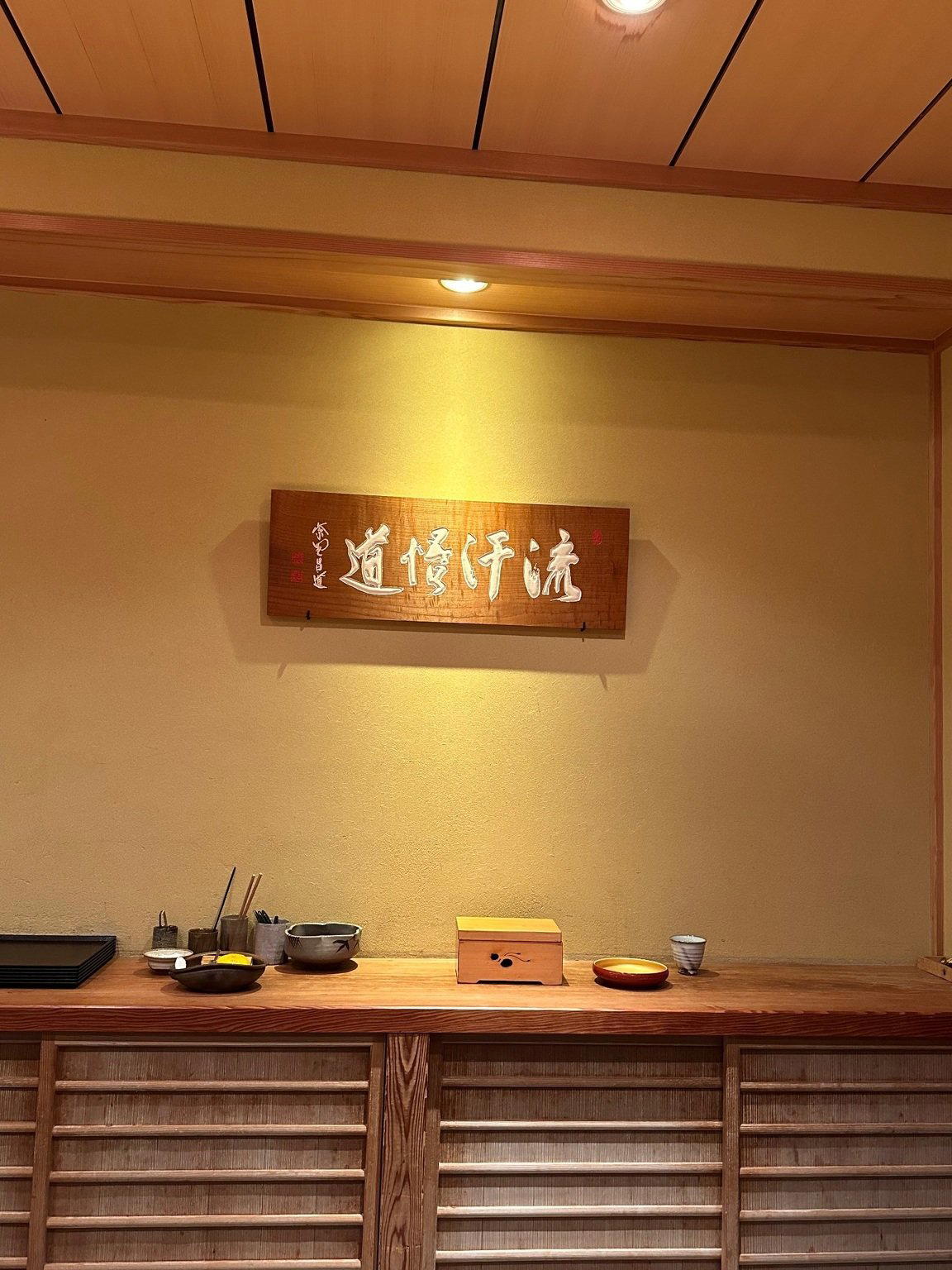
A classic, homey sweets shop set in a former inn, with simple traditional decor and a relaxed, bustling cafe atmosphere suited to sightseeing breaks.