Olivier Roellinger's table in the Breton countryside outside Cancale sits at the intersection of spice-trade history and the cold, oyster-rich waters of the Bay of Mont-Saint-Michel. The kitchen has held three Michelin stars and built a reputation as one of France's most geographically rooted fine-dining addresses. Plan well in advance: this is not a walk-in proposition.
 Discover on Pearl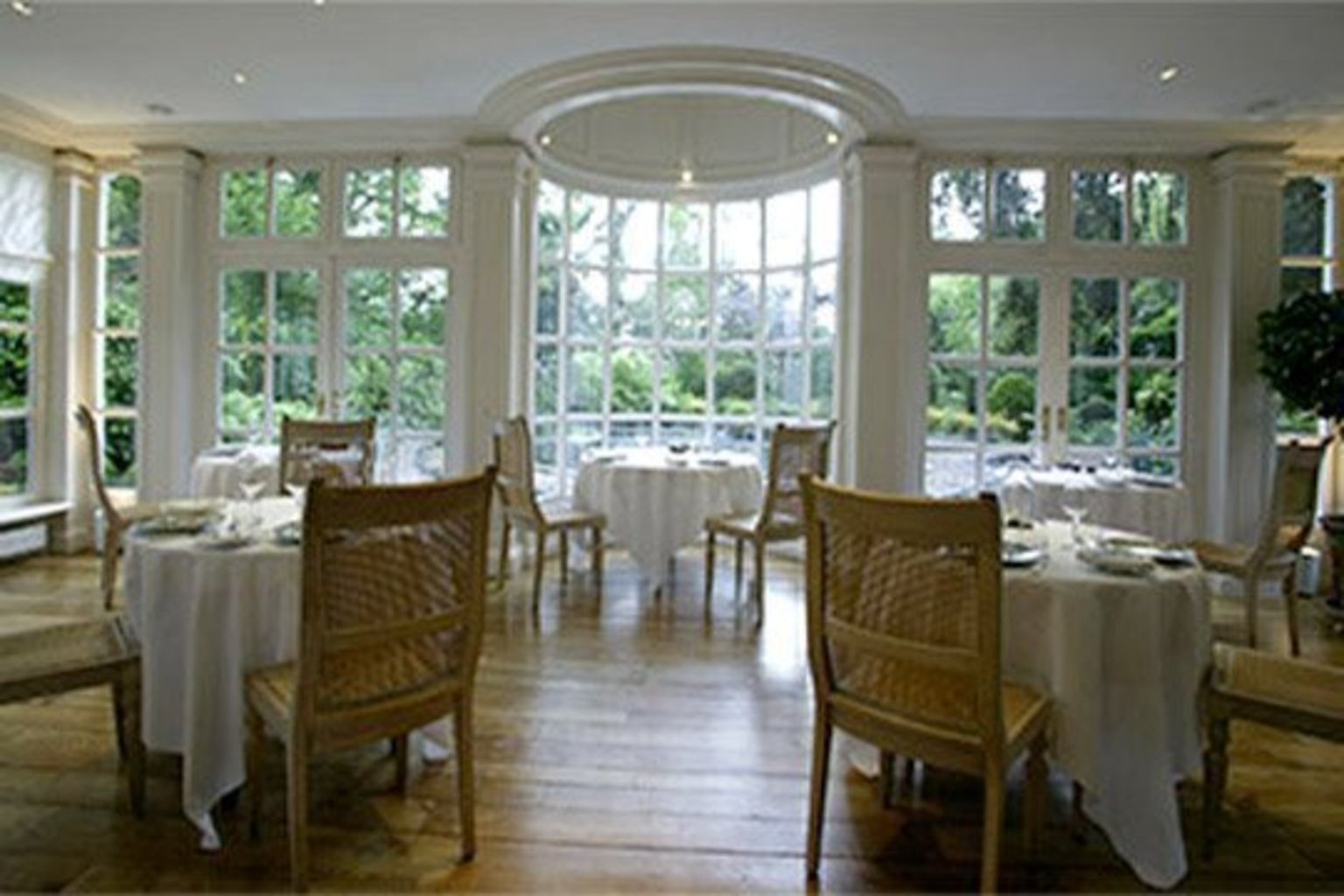
Arriving at the Edge of the Bay
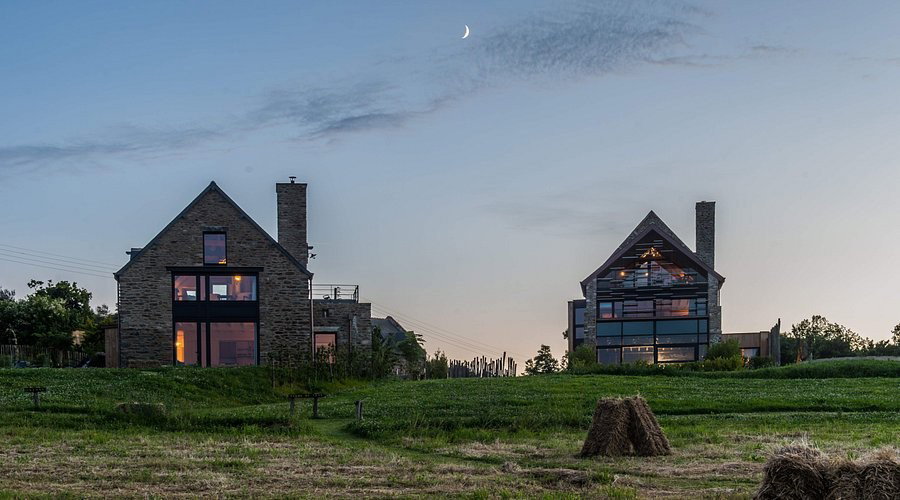
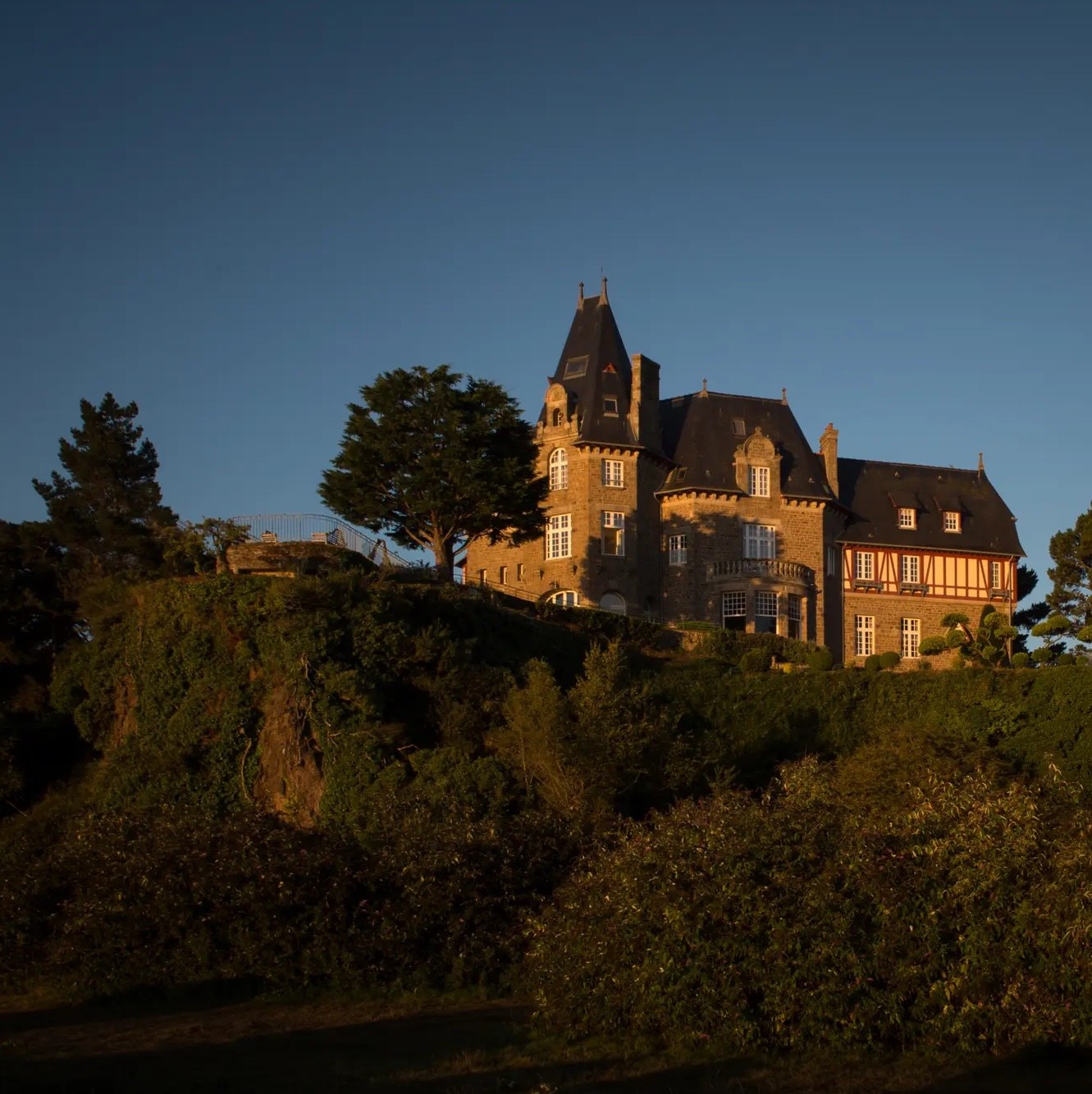
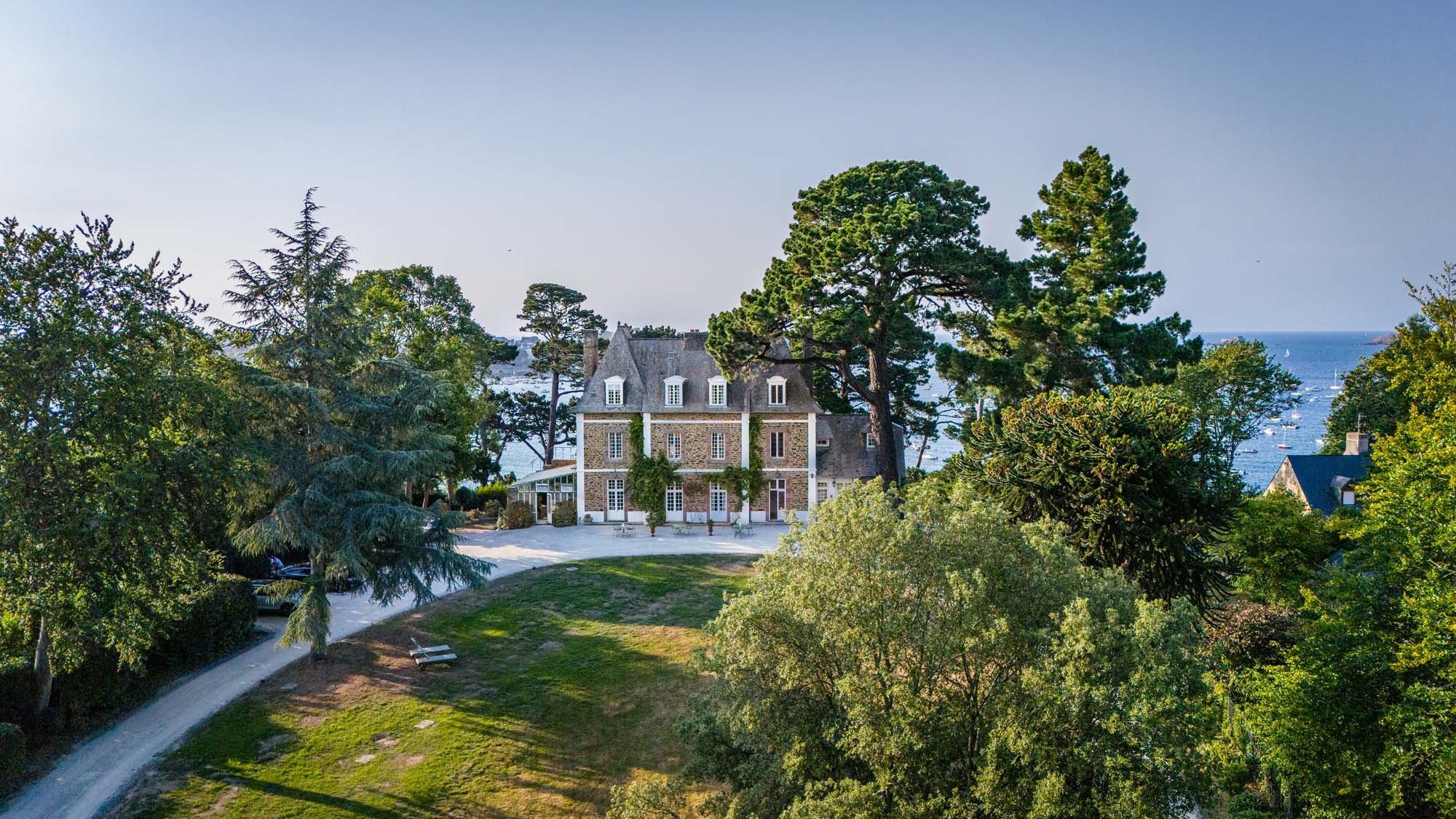
The approach to Saint-Méloir-des-Ondes tells you something before the meal begins. The flat Breton farmland opens toward the sea, and the salt air arrives before any signage does. This is not a restaurant positioned in a city dining corridor, competing for foot traffic. It belongs to a category of French fine dining that has deliberately removed itself from urban circuits, the kind of destination address where the journey is built into the reservation decision. In the same way that Bras in Laguiole is inseparable from the Aubrac plateau, or Flocons de Sel in Megève from its Alpine setting, Olivier Roellinger's address is defined by its coastal geography. The Bay of Mont-Saint-Michel frames everything.
A Kitchen Built Around Spice and Sea
French haute cuisine has a recurring debate between those who anchor their cooking in a single terroir and those who work outward from it. The Roellinger kitchen occupies a particular position in that argument: it takes the oyster beds and the catch of the Breton coast as its foundation, then layers in the spice routes that once made Saint-Malo a port of consequence. This is not fusion in the contemporary sense. It is a historically grounded use of pepper, saffron, and warm spices alongside the iodine-edged produce of the bay, a combination that reflects the actual trading history of the region rather than imported culinary fashion.
That orientation places the cooking in a different peer set from strictly classical French houses like Paul Bocuse's Auberge du Pont de Collonges, and also distinct from the produce-driven modernism of Mirazur in Menton. The Roellinger approach is more documentary: it reconstructs a specific culinary geography. Three Michelin stars, which the house has held, mark it as operating in the same tier as Alléno Paris au Pavillon Ledoyen and Troisgros in Ouches, though the sensibility and geography could not be more different.
The Booking Problem
Getting a table here is not a direct exercise in clicking a reservations page. Addresses with this level of recognition and limited physical capacity operate on cycles that reward planning over spontaneity. The broader pattern across French destination restaurants at this tier is that demand consistently outruns supply, and the gap widens during the Breton summer months when the coastal setting draws visitors who add a table to an existing travel plan. The practical advice is to treat the reservation as the first thing you book, not the last.
Because the restaurant sits outside Cancale proper, in Saint-Méloir-des-Ondes, guests arriving from Paris typically approach via Rennes or the TGV to Saint-Malo, then continue by car. There is no practical walk-from-town option. Building the trip around the meal, rather than adding the meal to a trip already structured around other logistics, is the more reliable approach. For those staying in the area, Cancale has accommodation options across price points, and the town's own waterfront is worth at least a morning before or after the main event.
Cancale's Dining Tier and Where This Fits
Cancale functions as a two-speed dining town. At the waterfront, the ostréiculteurs sell oysters by the dozen at outdoor stands, and the informal seafood places along the port, including Le Bistrot de Cancale and L'Ormeau, handle the appetite for simply prepared local catch. That tier is excellent on its own terms. Then there is a middle register of more composed cooking, with Côté Mer and La Table Breizh Café at the upper end of the town's own scale, alongside Breizh Café Cancale for Breton crêpes done with genuine kitchen seriousness.
Olivier Roellinger operates in an entirely different register from all of these. It is a destination proposition in the way that the other Cancale addresses are not. Visitors do not discover it by walking past and deciding to stop in. It requires advance commitment, which itself filters the room toward guests who have done the research and understand what they are there for. That self-selecting quality shapes the experience as much as anything on the plate.
The Wider French Destination Context
France retains more Michelin three-star addresses outside Paris than any other country, and many of the strongest sit in regions that were, for a long time, off the primary tourist circuit. Brittany has historically been underrepresented in that top tier relative to Lyon, the Loire, or Provence. The Roellinger address changed that calculus for the northwest coast and created a template for how a regional kitchen could use local geography, historical trade routes, and ecological specificity to build an identity that was legible on an international level without being generic. The parallel in the seafood-serious end of the Atlantic fine-dining world is something like Le Bernardin in New York City, where the commitment to a single product category becomes the entire argument. The scale and format differ, but the discipline is comparable.
Guests with an interest in the fermentation and precision end of contemporary fine dining might also consider Atomix in New York City as a reference point for what it looks like when a kitchen builds a complete sensory and intellectual framework around a specific cultural inheritance. The comparison is cross-cultural, but the underlying editorial logic is the same: place-specific identity expressed with enough technical rigor to compete at the highest level.
Planning the Visit
The address is Le Buot, 35350 Saint-Méloir-des-Ondes, a few kilometres inland from the Cancale waterfront. A car is the practical mode of arrival for most guests. Those spending time in the region can extend the visit with the full range of what the area offers: experiences in Cancale include oyster farm tours and bay walks; bars in Cancale and wineries in the surrounding region round out a longer stay. The Breton coast between Cancale and Saint-Malo holds enough to support two to three days without forcing anything. Plan the dinner first, then build the rest around it.
Comparable Spots, Quickly
Comparable venues for orientation, based on our database fields.
| Venue | Cuisine | Price | Awards | Notes |
|---|---|---|---|---|
| Olivier Roellinger | This venue | |||
| Breizh Café Cancale | Breton | €€ | Breton, €€ | |
| La Table Breizh Café | Modern Cuisine | €€€€ | Modern Cuisine, €€€€ | |
| Le Surcouf | Seafood | Seafood | ||
| Côté Mer | Traditional Cuisine | €€€ | Traditional Cuisine, €€€ | |
| Le Bistrot de Cancale | Seafood | €€€ | Seafood, €€€ |
Continue exploring
More in Cancale
Restaurants in Cancale
Browse all →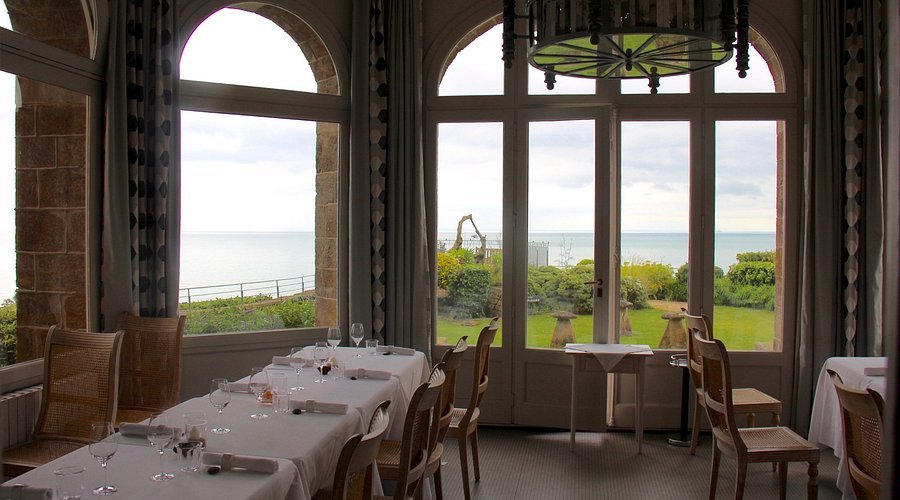
At a Glance
- Elegant
- Scenic
- Classic
- Intimate
- Special Occasion
- Date Night
- Celebration
- Waterfront
- Terrace
- Standalone
- Extensive Wine List
- Local Sourcing
- Sustainable Seafood
- Waterfront
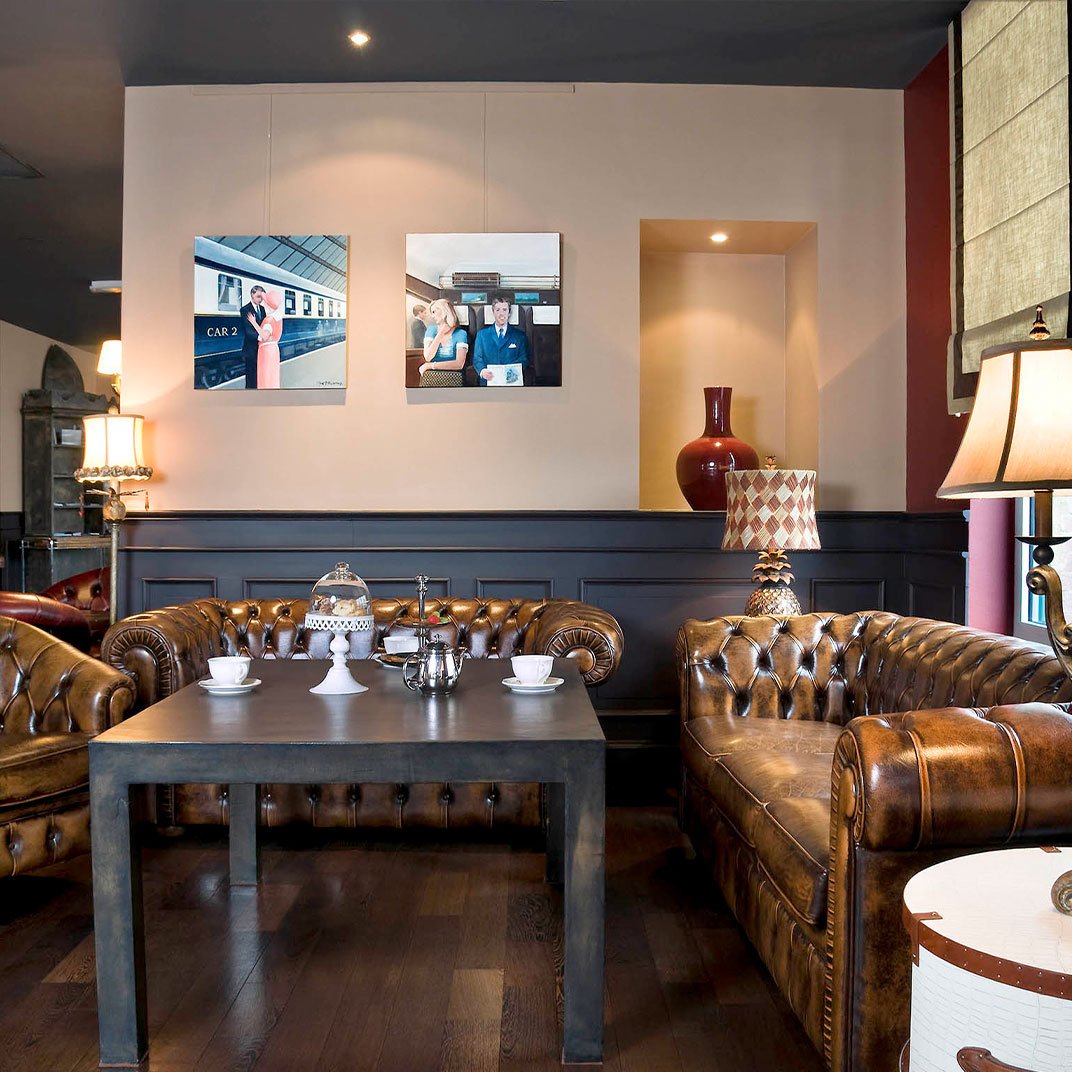
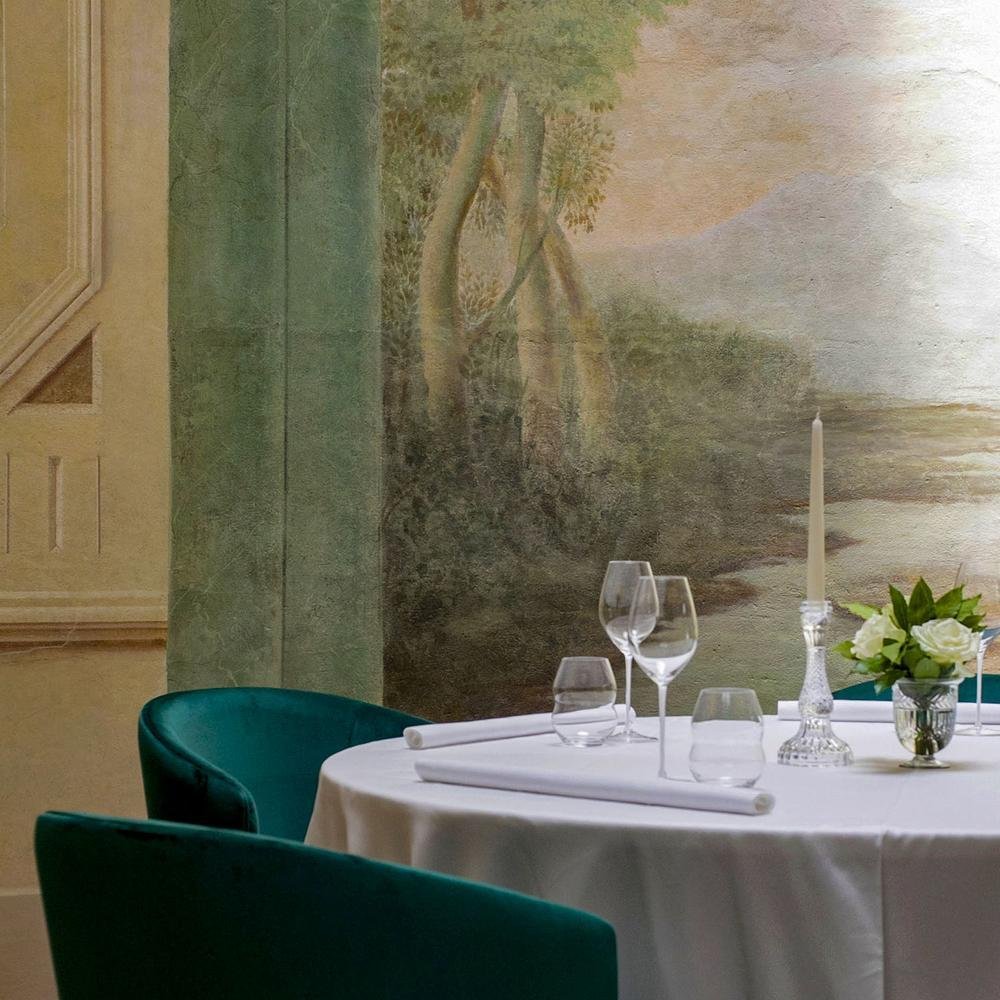
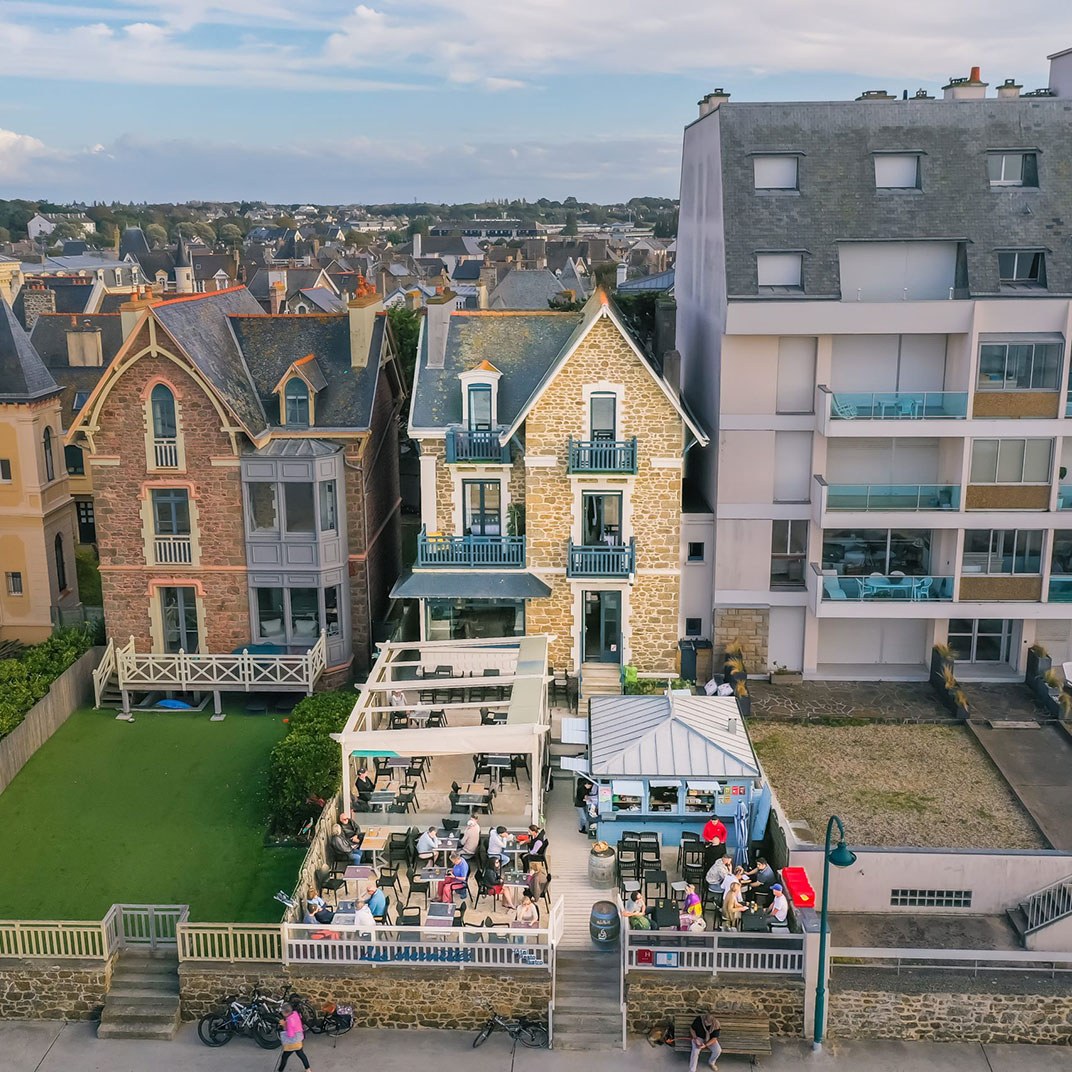
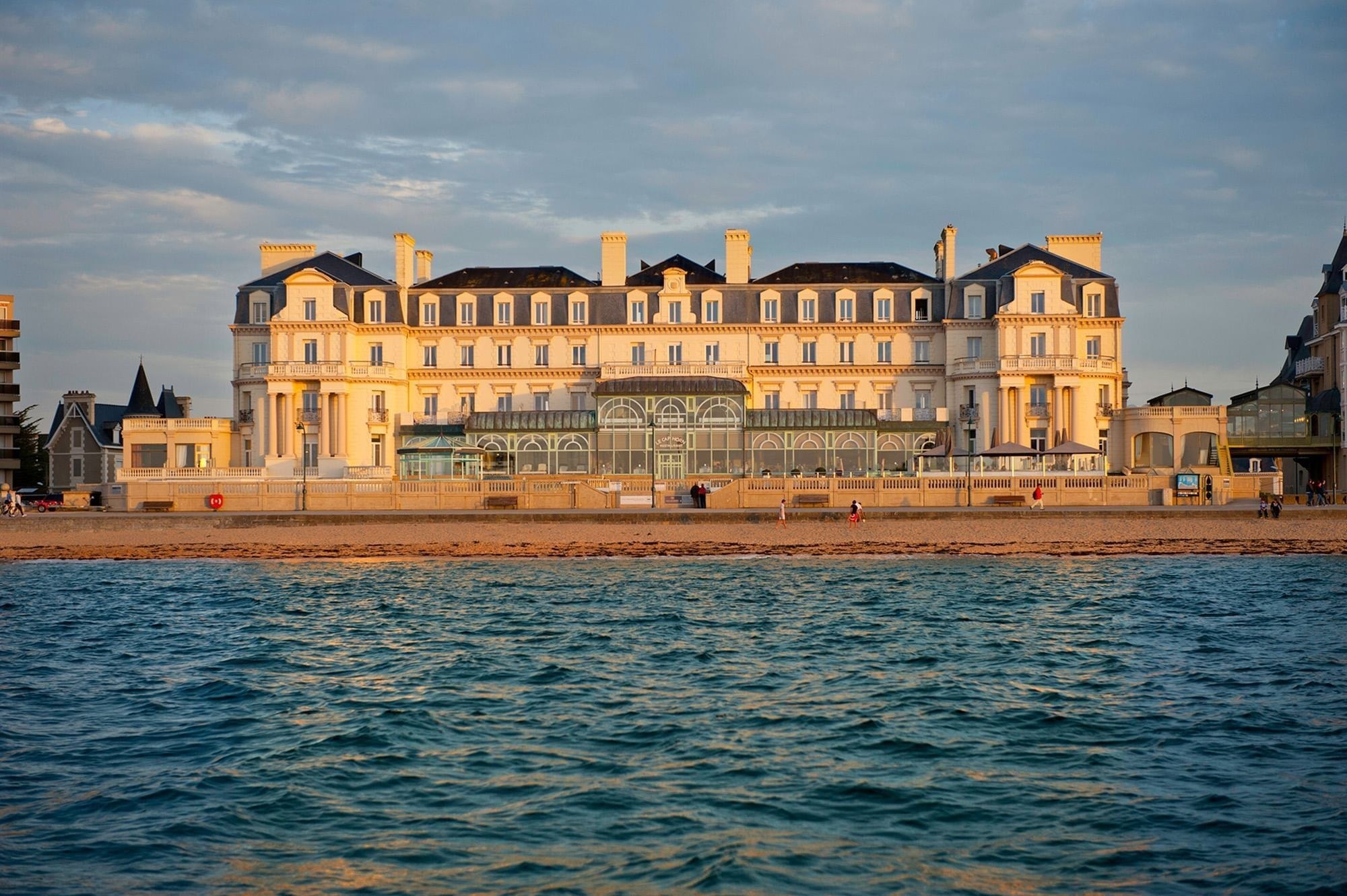
Meticulously designed interior with wood throughout resembling a ship's deck, animated by a spectacular painting by Breton artist Louis Garin, with natural light from sea views and a cheerful, convivial atmosphere.