Michelin Guide Plate · Michelin Plate
Our verdict
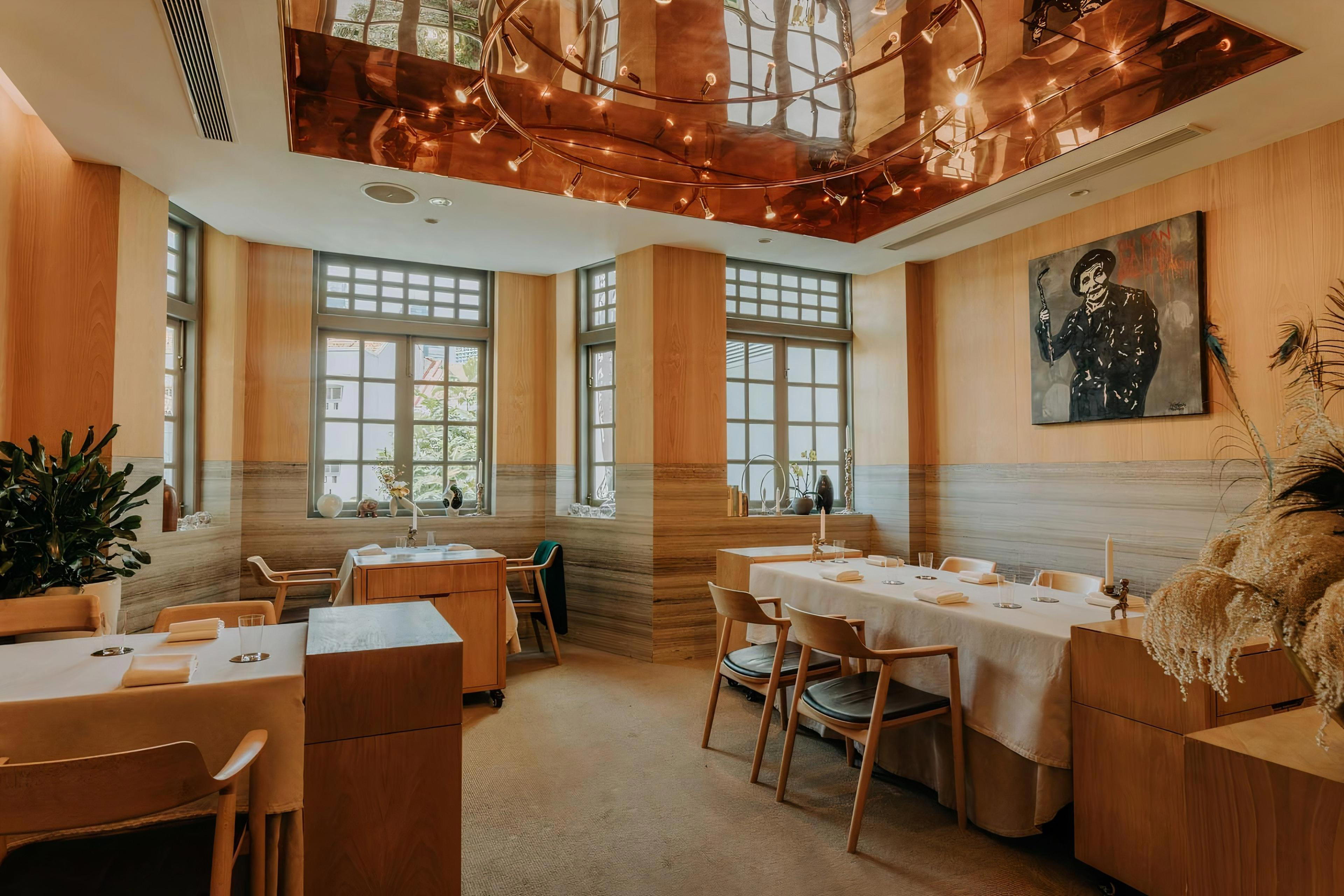
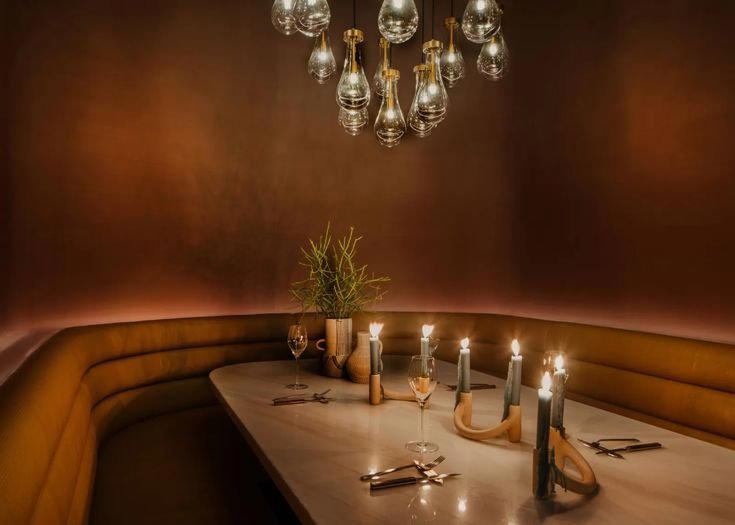
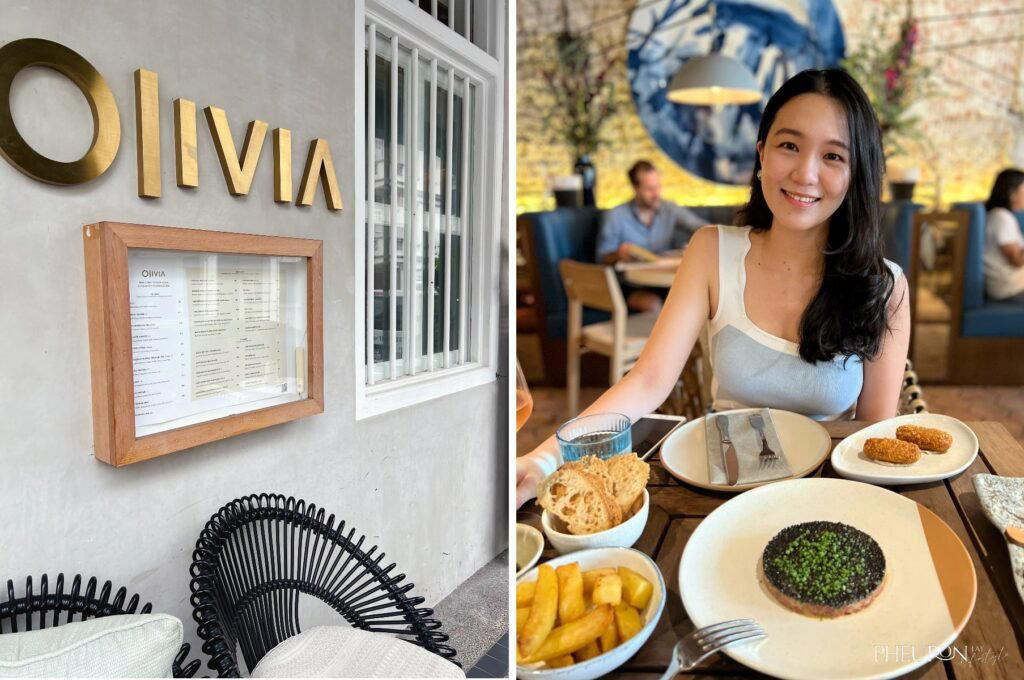
At 55 Keong Saik Road, Olivia brings Catalan small-plates culture to one of Singapore's most characterful streets. The interior, designed by Barcelona-based Rosa-Violán, sets the register immediately: Mediterranean warmth in a Tanjong Pagar shophouse. Suckling Iberico pig, octopus with silky potato foam, and a creamy cheesecake that earns its reputation make this one of the city's more convincing European regional arguments.

Pearl is the En Primeur Club membership app, where members save venues, book tables and use the concierge.
The menu
What to order
- Olivia’s Creamy Homemade Cheesecake
- Suckling Pig Belly
- Black Rice with Grilled Prawn
Keong Saik Road and the Case for Regional European Cooking in Singapore
Singapore's European dining scene has long been weighted toward French fine dining and its derivatives. The city has produced serious contenders in that space: Les Amis, Odette, and Zén all occupy the upper tier of formal European cooking, where tasting menus run long and the tone is measured. What Singapore has produced less consistently is convincing regional European cooking, the kind that answers to a specific geography rather than a continental tradition. Catalan cuisine, with its distinct interplay of land and sea ingredients, its commitment to texture contrast, and its love of shared formats, sits at an oblique angle to the French-dominated mainstream. Olivia, at 55 Keong Saik Road, occupies that gap.
Keong Saik Road belongs to a cluster of Tanjong Pagar streets where pre-war shophouses have been repurposed with some seriousness. The strip has attracted bars, modern Asian concepts, and a handful of European imports, creating a neighbourhood character that sits somewhere between local heritage and international hospitality. For a Catalan restaurant, the address is not incidental. The area's ground-floor retail format and walk-in energy suit the tapas register better than a tower restaurant or a dedicated dining destination would.
What the Interior Signals Before the Food Arrives
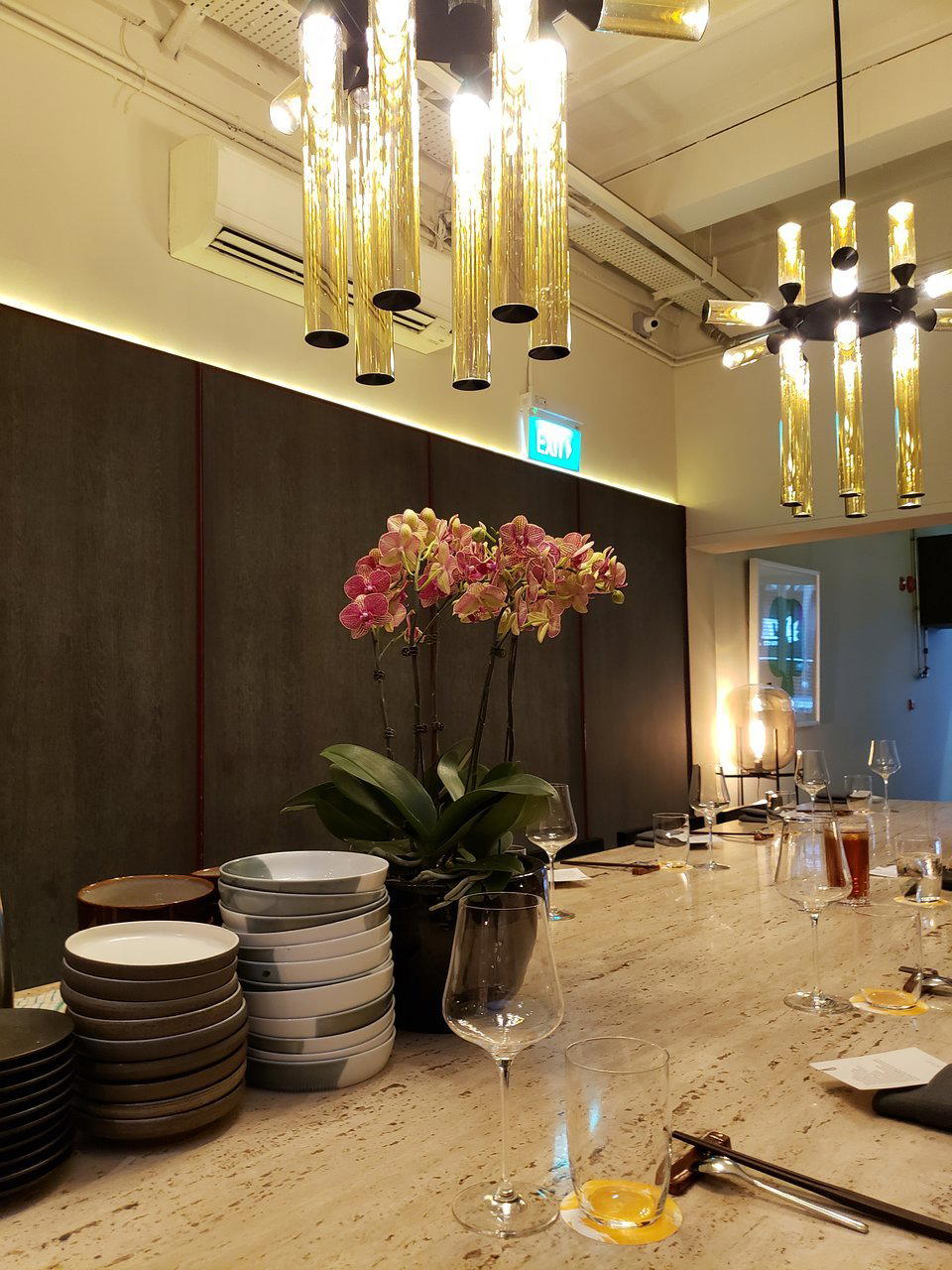
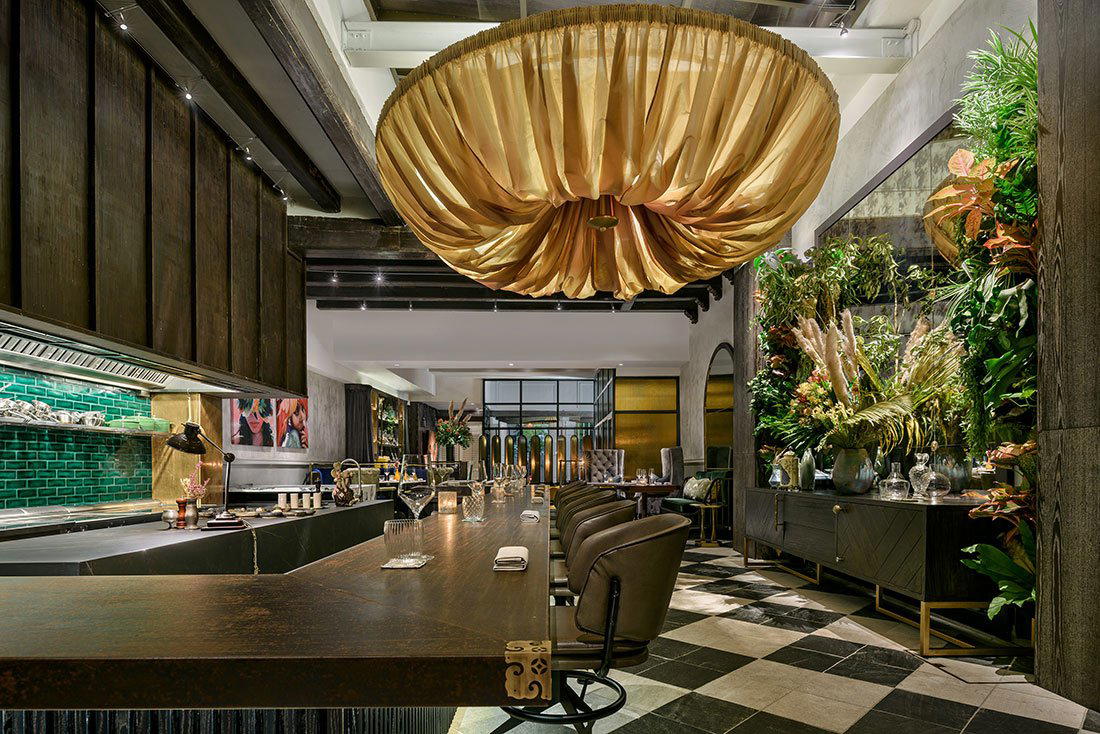
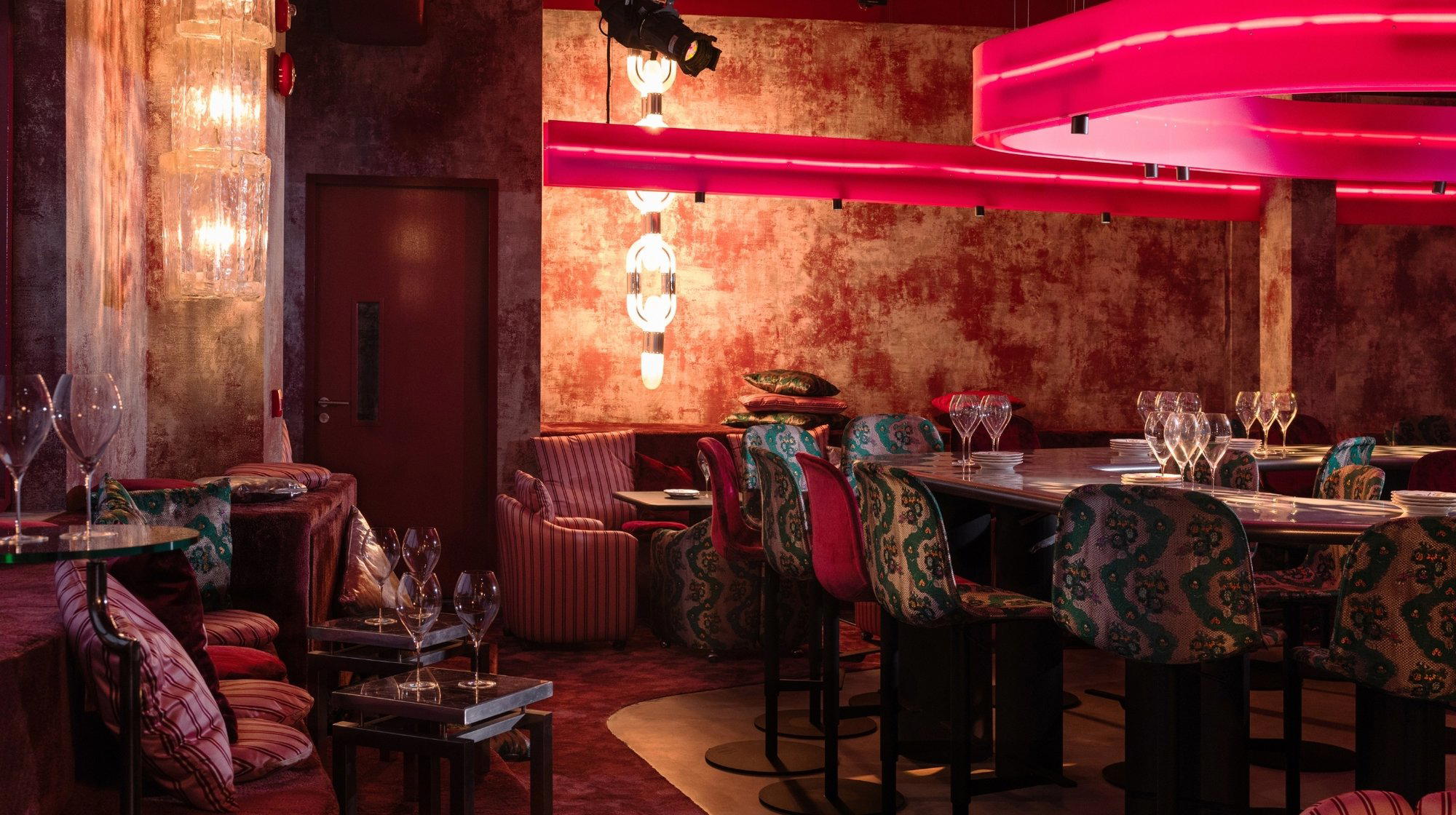
The design of a tapas room tells you something about its ambitions. Olivia's interior was conceived by Rosa-Violán, a Barcelona-based designer whose work spans restaurants, hotels, and retail across Europe. That credential is not decorative footnote material. It places the space within a specific European hospitality aesthetic tradition: layered textures, warm tones, an abundance of material detail that reads as collected rather than curated. The effect is a room that references Mediterranean dining culture without replicating a Spanish postcard. In a city where European restaurant interiors often default to neutrals and negative space, the specificity here communicates something about the kitchen's intentions.
The front-of-house experience in a room designed this deliberately tends to function differently from a spare, minimalist space. Service in Catalan-style restaurants, at their leading, works as an extension of the room's warmth rather than a counterpoint to it. The flow between table and kitchen, the pacing of small plates, the guidance through a format that rewards ordering in rounds rather than in courses: these require a team whose approach matches the register the room establishes. The editorial angle on Olivia is as much about that coherence as it is about individual dishes.
The Menu as a Statement on Catalan Priorities
Catalan cooking operates within a set of well-established priorities: quality of primary ingredient, precision of preparation, and restraint in intervention. The small-plates format is not a casualty of trend; it reflects how the region actually eats. Olivia's menu engages with that tradition at a level that goes beyond surface borrowing. Two dishes in particular locate the kitchen's approach within recognisable Catalan and broader Iberian frameworks.
The suckling Iberico pig prepared in the Segovia style is a reference point that carries weight. Cochinillo segoviano is one of the most demanding preparations in Spanish regional cooking, where skin texture and even heat distribution are the measure of execution. Translating it to a Singapore kitchen for a tapas-format service requires both technical confidence and supply chain discipline to source Iberico-breed animals at the relevant weight. The commitment signals that the kitchen is not working from approximation.
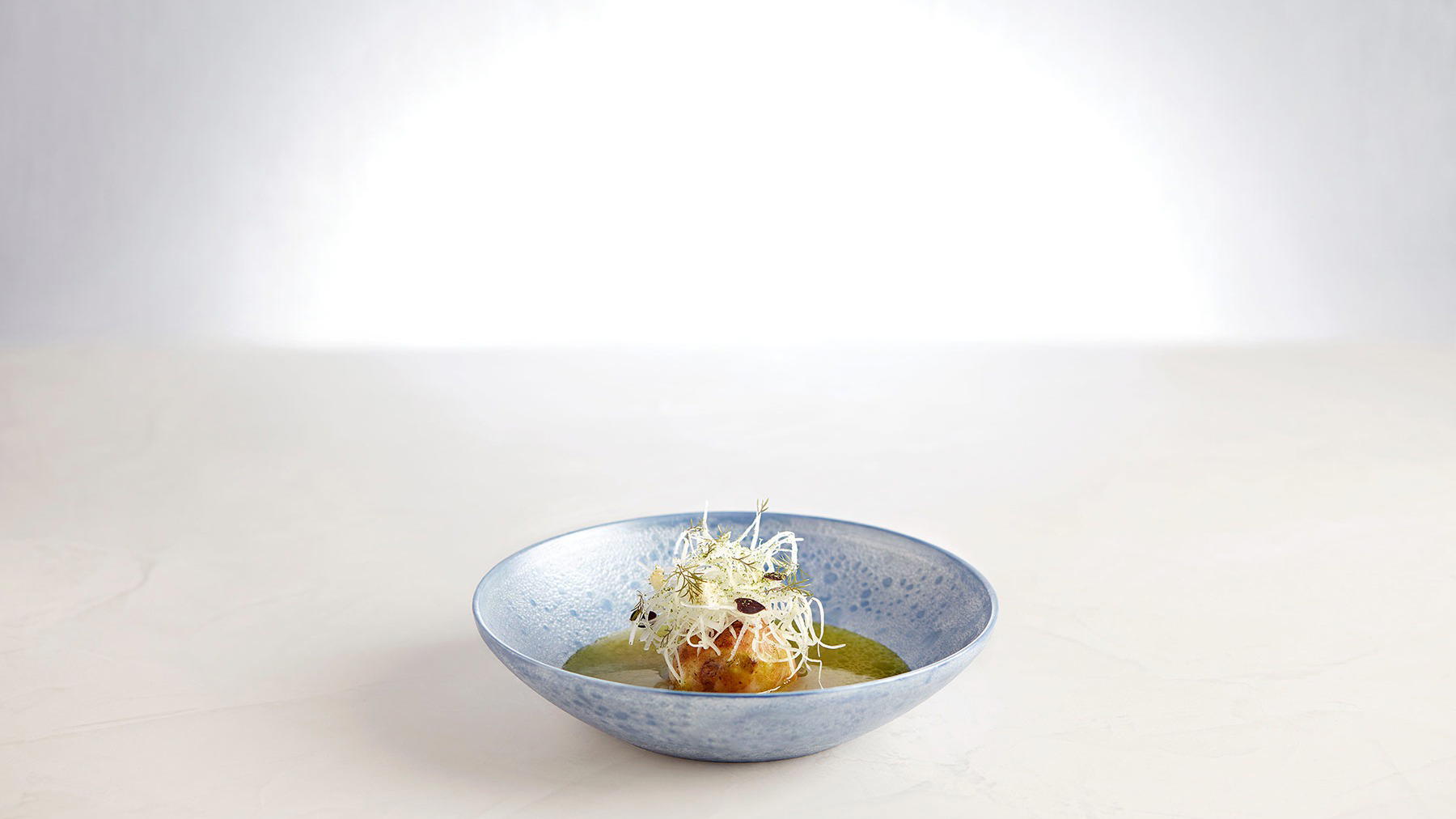
The octopus preparation, listed as 'A Feira' style, engages with Galician pulpo tradition: tender octopus, potato, and paprika are the canonical base. Here the potato appears as a foam, and the dish adds pork belly and caramelised onion. The variation is legible as a contemporary interpretation rather than a departure. It retains the structural relationship between octopus and potato while adding textural and flavour layers that read as kitchen confidence rather than novelty for its own sake. For comparison, Catalan and Iberian coastal cooking at restaurants like Aponiente in El Puerto de Santa María treats seafood with a similar commitment to regional logic, even when the execution is technically adventurous.
Cheesecake that closes the meal operates in a different register entirely. Basque burnt cheesecake has become a global export over the past decade, appearing on menus from Le Bernardin in New York to informal trattorias across Southeast Asia. When a kitchen makes a version that develops a reputation independent of trend, it is usually because the execution is consistent rather than because the recipe is original. Olivia's version has accumulated enough word-of-mouth that it functions as a closing argument for the meal rather than an afterthought.
Where Olivia Sits in Singapore's Dining Tier Structure
Singapore's mid-to-upper dining tier has expanded significantly over the past decade. The city now supports a range of formats between the formal tasting-menu restaurants, where Jaan by Kirk Westaway and Meta operate, and casual neighbourhood eating. Olivia occupies a position in that middle band: more specific in its culinary reference than a generic European brasserie, less formal than a tasting-menu counter, and priced to allow the table to explore the menu across several rounds. For a city that has developed serious capacity for Japanese, Chinese, and French fine dining, the relative scarcity of credible regional Spanish cooking creates a smaller but distinct competitive space that Olivia holds with some authority.
The comparison is worth extending. At restaurants like 8½ Otto e Mezzo Bombana in Hong Kong, Italian regional identity is deployed at the fine-dining tier. Olivia operates at a more accessible register, but the same principle applies: the specificity of the regional reference is the differentiator, not the format or the price point. Diners who have eaten through Singapore's European options, from the formal rooms of the CBD to the modern European menus that have proliferated in the past five years, will find Olivia's Catalan specificity a more useful argument than another pan-European kitchen.
Planning Your Visit
Olivia is located at #01-03, 55 Keong Saik Road, in the Tanjong Pagar area, within walking distance of Outram Park MRT station. The ground-floor format and tapas structure make it well-suited for groups who want to eat across a range of the menu, and the room's energy suits that approach better than a formal two-person dinner might. Given the restaurant's reputation on Keong Saik Road, reservations are advisable, particularly for weekend evenings when the street reaches its highest foot traffic. Walk-ins may find space at the bar or earlier sittings on weekday evenings, but planning ahead removes that uncertainty.
For broader context on where Olivia fits within Singapore's full dining, hospitality, and nightlife options, EP Club's city guides cover the relevant ground: our full Singapore restaurants guide, our full Singapore hotels guide, our full Singapore bars guide, our full Singapore wineries guide, and our full Singapore experiences guide provide the wider map. Internationally, those tracing the Iberian cooking tradition further can look at Aponiente in Spain, or for comparison across other European regional expressions at the fine-dining tier, Alléno Paris au Pavillon Ledoyen, Alain Ducasse at Louis XV in Monte Carlo, and Alinea in Chicago each represent distinct positions in the broader conversation about what European cooking means when it is executed at the highest level.
Frequently asked questions
What part of town is Olivia in?
Olivia is located at #01-03, 55 Keong Saik Road, Singapore.
What's Olivia known for in terms of accolades?
Olivia has received recognition including: Come to this lively Catalan hotspot for tapas and small plates, which boast delicate handiwork, modern plating and lashings of flavour. Try the 'Segovia' style suckling Iberico pig or ‘A Feira’ octopus – pork belly and octopus in a silky po….
What's the must-try dish at Olivia?
Two dishes define the menu at Olivia on Keong Saik Road: the 'Segovia'-style suckling Iberico pig, and the 'A Feira' octopus served with pork belly in a silky potato foam with caramelised onion. Close the meal with the creamy cheesecake, which has developed a following of its own among regulars.
Do I need a reservation for Olivia?
Olivia sits at #01-03, 55 Keong Saik Road in the Tanjong Pagar area, a stretch that draws consistent foot traffic from both neighbourhood locals and destination diners. Given the ground-floor format and the venue's following on Keong Saik Road, booking ahead is the practical approach, particularly for evenings and weekends.
Where It Fits
Comparable venues nearby, for context on price, style, and recognition.
| Venue | Cuisine | Price | Awards | Notes |
|---|---|---|---|---|
| OliviaThis venue (the venue you are viewing) | Modern Spanish Tapas | $150–200 | Michelin Guide Plate · Michelin Plate | Not listed |
| Nómada | Contemporary Spanish with Global Influences | $50–100 | Michelin Guide Plate · Michelin Plate | CHINATOWN |
| Ishizawa | Edomae Sushi Omakase | $300–500 | Michelin Guide Plate · Michelin Plate | CITY HALL |
| Yong Fu | Authentic Ningbo Chinese | Not listed | Michelin Guide 1 Star · Michelin Plate | MARINA CENTRE |
| Basque Kitchen by Aitor | Contemporary Basque Cuisine | Not listed | Not listed | CLIFFORD PIER |
| Vue | Modern Fusion with Binchotan Grill | $150–200 | Michelin Guide Plate · Michelin Plate | CLIFFORD PIER |
Recognition history
Dated appearances from independent guides and award organizations, with the underlying list record or original source where available.
Michelin Plate
Michelin · 2026 Michelin Plate
Michelin Guide Plate
Michelin Guide