Olive & Fig Mediterranean Kitchen
Olive & Fig Mediterranean Kitchen brings the pantry of the eastern Mediterranean to Hilton Head Island's Bluffton corridor, working local Lowcountry ingredients through techniques more often associated with coastal Turkey, Greece, and the Levant. It occupies a specific niche in a dining scene that leans heavily toward Atlantic seafood and steakhouse formats, offering a counterpoint built around olive oil, legumes, and wood-fired preparation.
Pearl is the En Primeur Club membership app — saves, bookings, and concierge access live there. Same editors, same standards.
- Address
- 1533 Fording Island Rd #326, Hilton Head Island, SC 29926
- Phone
- +18437071934
- Directions
- Get directions
 Saves & bookings on Pearl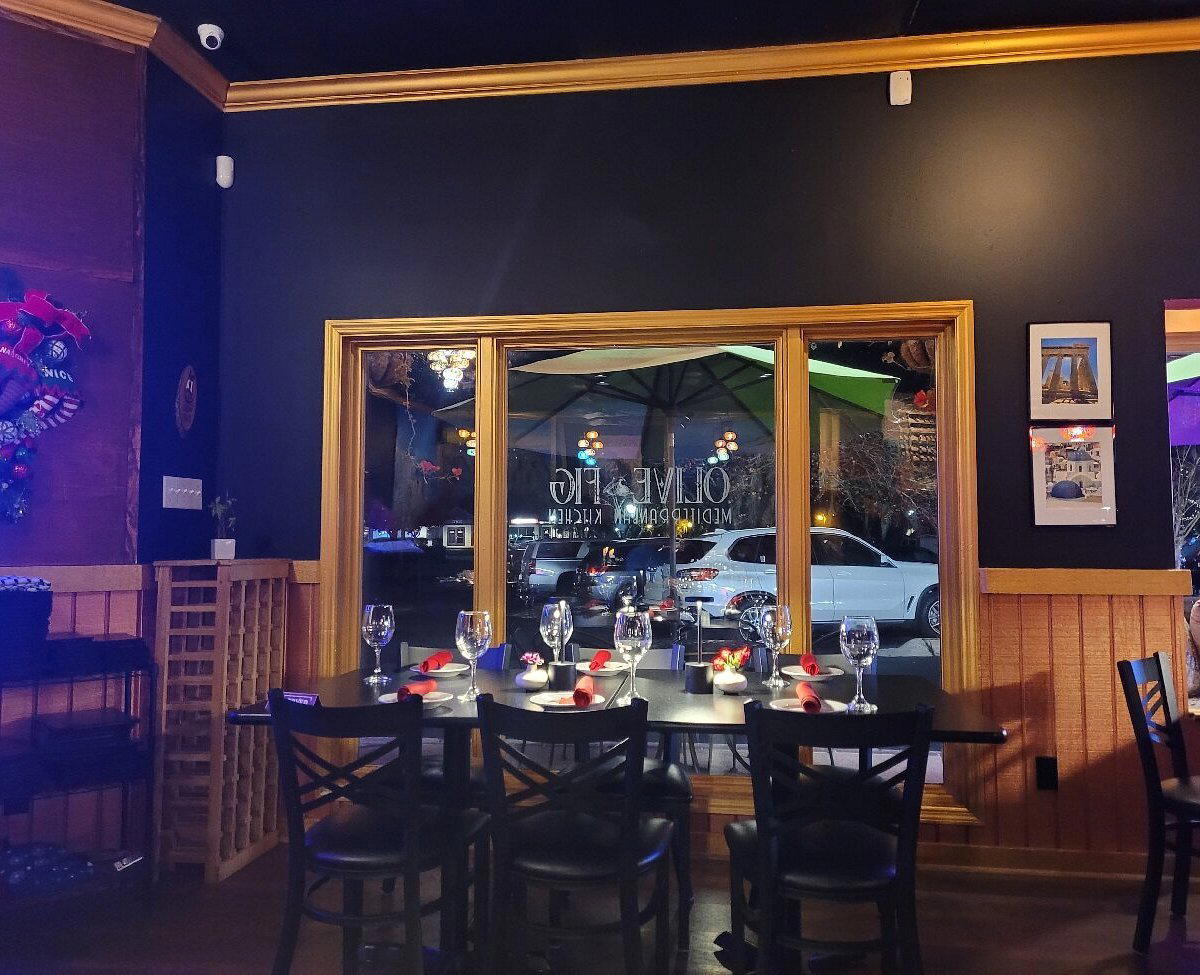
Where the Lowcountry Meets the Levant
Hilton Head Island's restaurant scene has long been organized around two poles: the Atlantic seafood house and the American steakhouse. Venues like Black Marlin Bayside Grill and Chophouse 119 represent those traditions with confidence. What the island has rarely accommodated is a kitchen that takes the produce and protein of the Carolina coast and filters it through the techniques of the eastern Mediterranean, where acid, char, and legume-forward thinking replace the butter-and-cream logic that defines so much of American coastal cooking. Olive & Fig Mediterranean Kitchen occupies that gap at 1533 Fording Island Rd #326, Hilton Head Island, SC 29926, in a commercial stretch that prioritizes accessibility over atmosphere.
The broader American dining conversation about Mediterranean cooking has shifted considerably in the past decade. Where the category once meant Greek-American diners or generic hummus plates, the current generation of kitchens interprets it through a more granular geographic lens, drawing on Levantine spice logic, Aegean preparation discipline, and North African pantry depth simultaneously. The question for any Mediterranean restaurant operating outside a major metropolitan center is whether local sourcing can anchor that framework, or whether the kitchen defaults to imported ingredients and loses the argument for relevance. At Olive & Fig, the premise rests on that intersection: Lowcountry products interpreted through a Mediterranean frame.
The Seasonal Argument for This Style of Cooking
Mediterranean technique tends to reward certain seasons more than others, and the American South's late spring through early autumn period aligns unusually well with the pantry logic of the region the kitchen draws from. Stone fruits, field tomatoes, fresh legumes, and the full range of summer herbs that anchor dishes from Thessaloniki to Tel Aviv are all available from regional producers during Hilton Head's peak visitor window, which runs roughly from April through October. That convergence is not incidental: it is the strongest case for why this style of cooking makes sense in this geography at this time of year.
The Lowcountry's shrimp season, which peaks in late summer and early autumn, gives a kitchen working in a Mediterranean register the same raw material that Aegean cooks have centered for centuries. The preparation logic differs, but the ingredient quality argument is the same. Comparable cross-referencing happens at restaurants operating at a much higher price tier, from Blue Hill at Stone Barns in Tarrytown to Single Thread Farm in Healdsburg, where the discipline of matching local produce cycles to a defined culinary tradition produces menus that feel both specific and coherent. The same logic applies at a more accessible register.
Technique as the Editorial Statement
The global technique question is the sharper editorial lens for evaluating a restaurant like Olive & Fig. Mediterranean cooking carries specific technical signatures: wood-fired heat applied at high temperatures, marination in acid-forward bases before cooking, the deployment of tahini, yogurt, and preserved citrus as finishing instruments rather than ingredients incorporated during the cooking process. These are not decorative choices; they change the texture and flavor architecture of a dish in ways that standard American restaurant technique does not replicate. A kitchen that has absorbed these methods produces food that reads differently on the plate, regardless of where the protein or vegetable was sourced.
This is the same principle that distinguishes particularly technically coherent restaurants across price tiers. Le Bernardin in New York City uses classical French method as its organizing discipline; Atomix in New York City applies Korean fermentation logic to fine-dining formats; Providence in Los Angeles applies French technique to Pacific seafood. The technique is always the argument, and the local ingredient is always the evidence. In Hilton Head's dining context, where restaurants such as Celeste Coastal Cuisine and Charlie's l Etoile Verte each operate within their own defined culinary frameworks, Olive & Fig's Mediterranean technical register gives it a distinct position rather than a competitive overlap.
The Dining Scene It Belongs To
Hilton Head's food scene is broader than its resort reputation suggests. The island and Bluffton corridor together support a range of formats, from long-established institutions like Alfred's Restaurant to newer casual formats positioned for the visitor economy. Olive & Fig sits within that range at the Bluffton end, on a commercial strip that draws a mix of island residents and visitors making their way along the US-278 corridor. The location is functional rather than scenic, which places the burden entirely on the food and the dining room experience to generate return visits.
That is not unusual for Mediterranean-format kitchens in mid-size American markets. The genre tends to rely on regulars who understand the cuisine well enough to order past the more accessible dishes into the parts of the menu that show the kitchen's technical range. For a reference point on how this pattern plays out at the highest tier, the approach bears comparison to what Addison in San Diego and The Inn at Little Washington in Washington have demonstrated about regional dining identity: that a kitchen with a clear culinary position can build a loyal audience regardless of geography, provided the execution supports the premise.
Planning a Visit
Olive & Fig is located at 1533 Fording Island Road, Suite 326, in the Bluffton area adjacent to Hilton Head Island, making it accessible by car from both the island's main resort areas and the mainland. The Fording Island Road corridor is a drive-to destination rather than a walkable one, so planning around a vehicle makes sense. Given the seasonal concentration of visitors on the island, reservation availability tends to compress during the summer peak; mid-week visits in spring or late autumn offer a more relaxed experience.
For a fuller picture of where Olive & Fig sits within the island's dining options, this Hilton Head Island restaurants guide maps the scene across cuisine type, price tier, and neighbourhood. Those planning a longer trip might also cross-reference Lazy Bear in San Francisco, Alinea in Chicago, Emeril's in New Orleans, The French Laundry in Napa, or 8 1/2 Otto e Mezzo Bombana in Hong Kong for context on how regional culinary technique arguments operate across different price tiers and geographies.
Comparable Options
Comparable venues nearby, for context on price, style, and recognition.
| Venue | Cuisine | Price | Notes |
|---|---|---|---|
| Olive & Fig Mediterranean KitchenThis venue — the venue you are viewing | Lebanese Mediterranean | $$ | Not listed |
| Skull Creek Dockside | Seafood with Lowcountry Views | $$ | Hilton Head Island |
| Pomodori - Hilton Head | Southern Italian Trattoria | $$ | Hilton Head Island |
| The Market Cafe at Michael Anthony's | Casual Italian Trattoria | $$ | South End |
| CQ's | Contemporary American with French influences | $$$ | Harbour Town |
| Tio's Latin America Kitchen | Latin American Kitchen | $$ | Shelter Cove |
Continue exploring
More in Hilton Head Island
Restaurants in Hilton Head Island
Browse all →
Bars in Hilton Head Island
Browse all →
At a Glance
- Cozy
- Family
- Casual Hangout
- Group Dining
- Standalone
Current opening hours
- Monday
- 11 AM–9 PM
- Tuesday
- 11 AM–9 PM
- Wednesday
- 11 AM–9 PM
- Thursday
- 11 AM–9 PM
- Friday
- 11 AM–9 PM
- Saturday
- 11 AM–9 PM
- Sunday
- Closed
Hours can change for holidays and private events. Last verified .
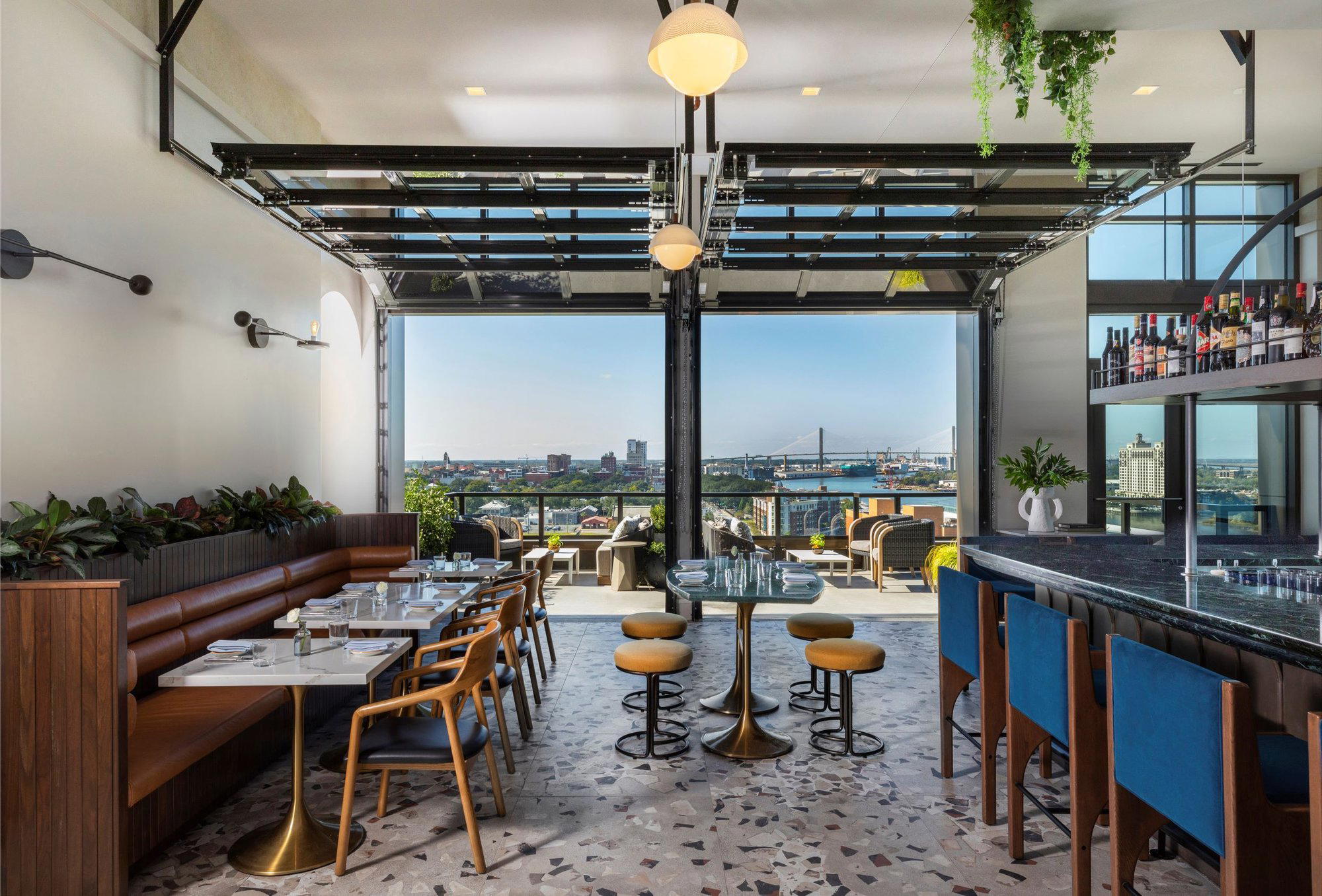
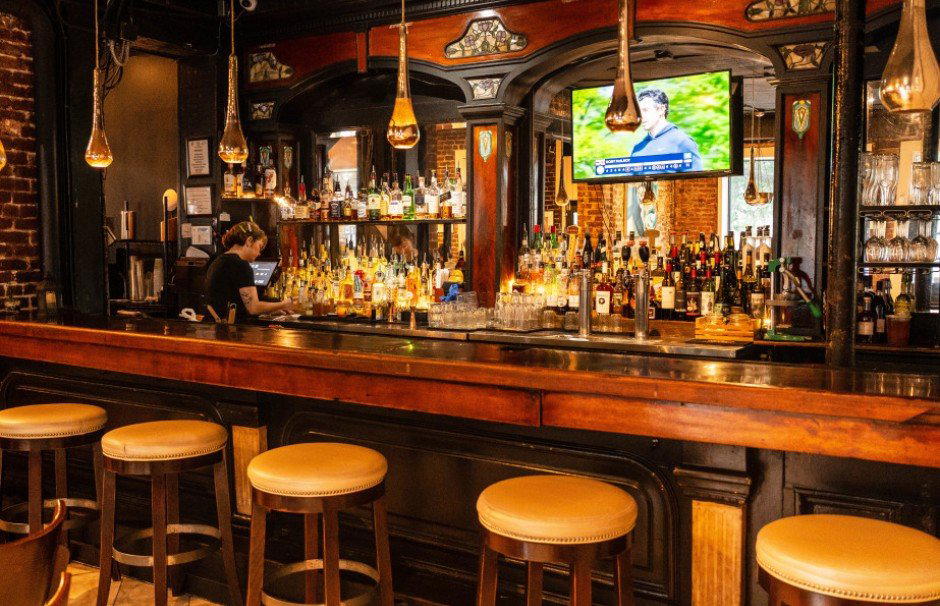
Warm and inviting with Arabian décor, Middle Eastern rugs, and chandeliers creating an authentic Lebanese atmosphere.