Octave occupies a quiet address on Rue des Quinze Vingts in Troyes, a city whose half-timbered medieval core has long supported a more serious dining culture than its size would suggest. The restaurant sits within a local scene that is beginning to attract attention beyond the Aube department, placing it alongside a small cohort of Troyes addresses worth planning a meal around.
Pearl is the En Primeur Club membership app — saves, bookings, and concierge access live there. Same editors, same standards.
- Address
- 23 Rue des Quinze Vingts, 10000 Troyes, France
- Phone
- +33325735994
- Website
- instagram.com
- Directions
- Get directions
 Saves & bookings on Pearl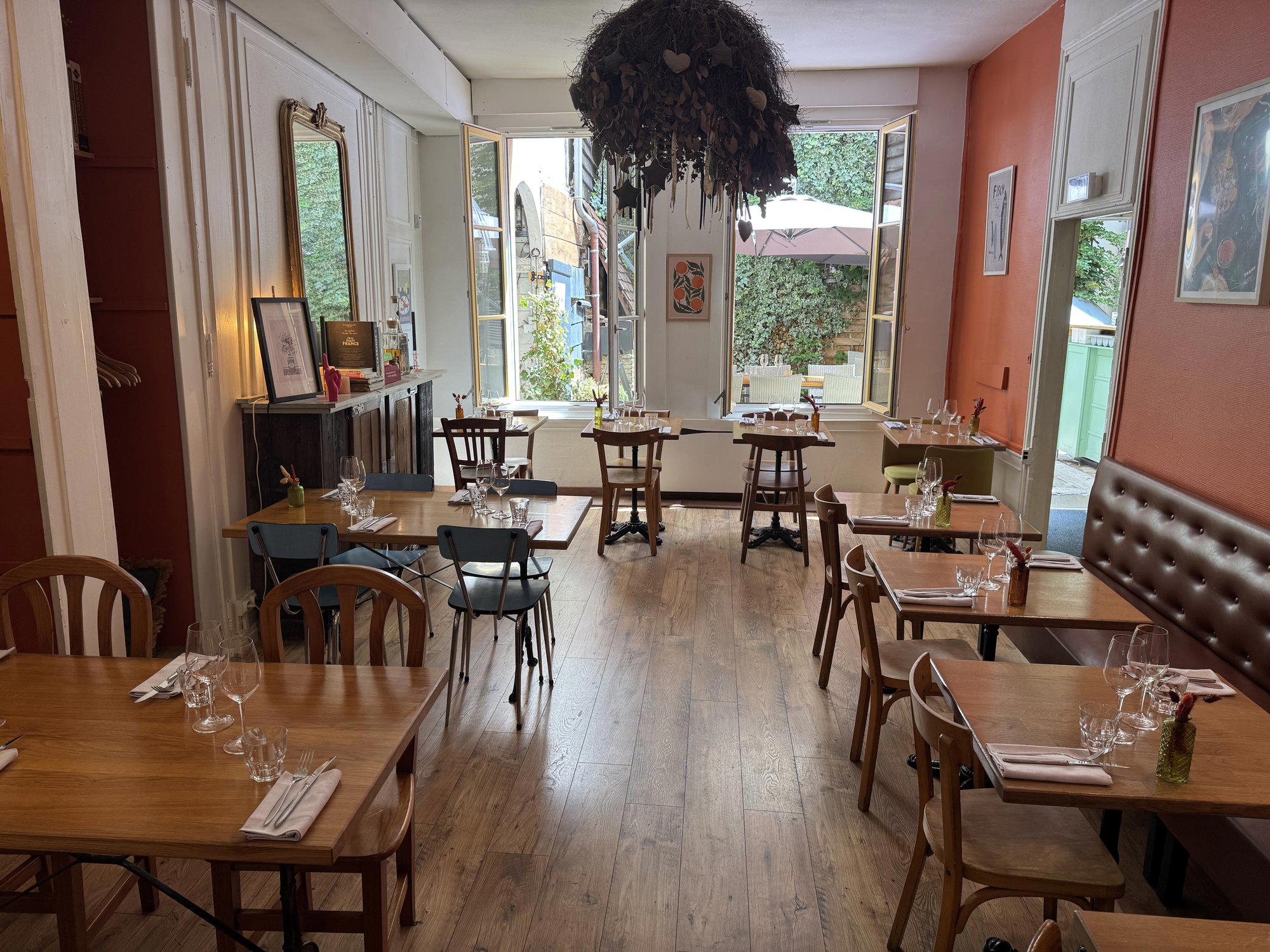
A Street, a Room, a Structure: How Octave Reads Before You Order
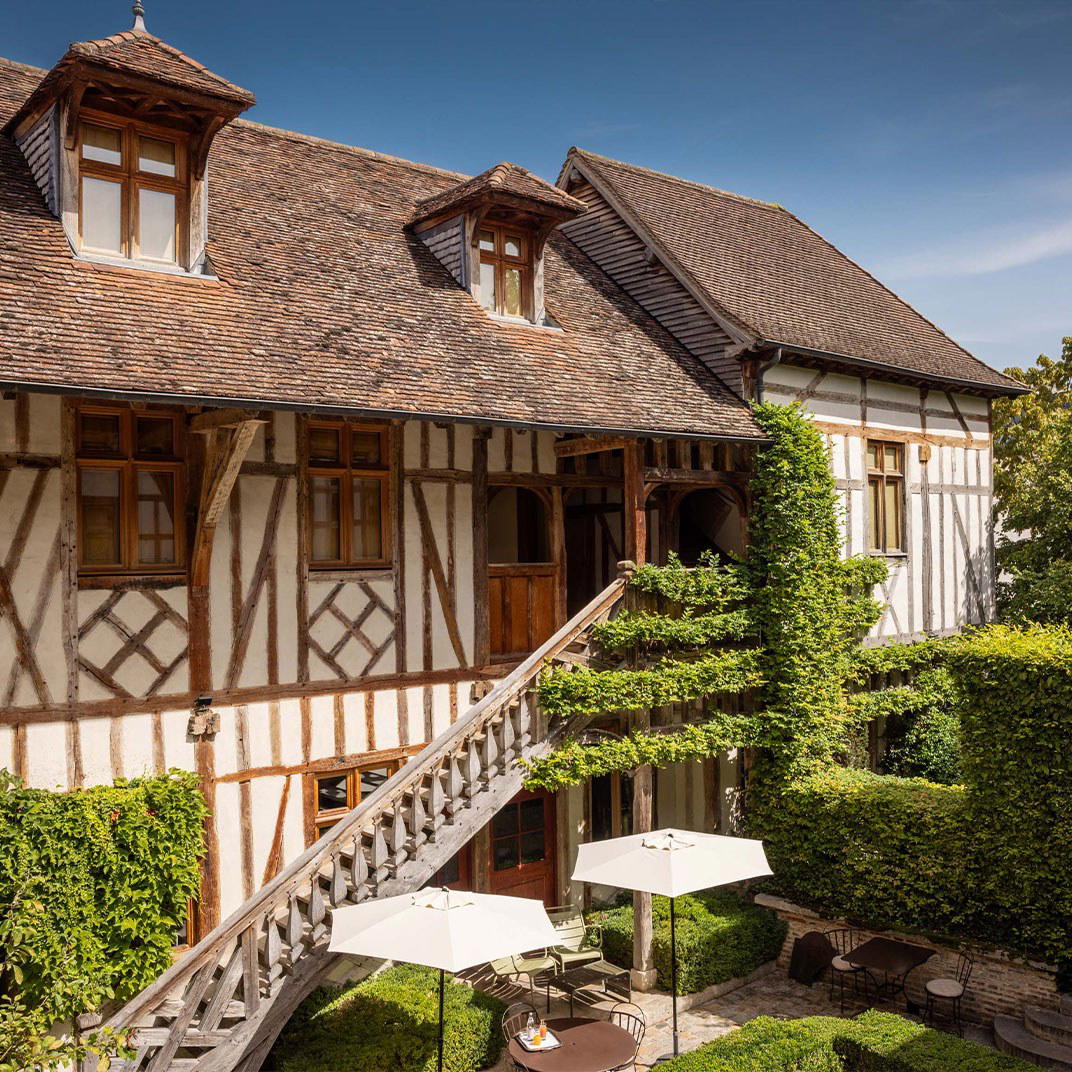
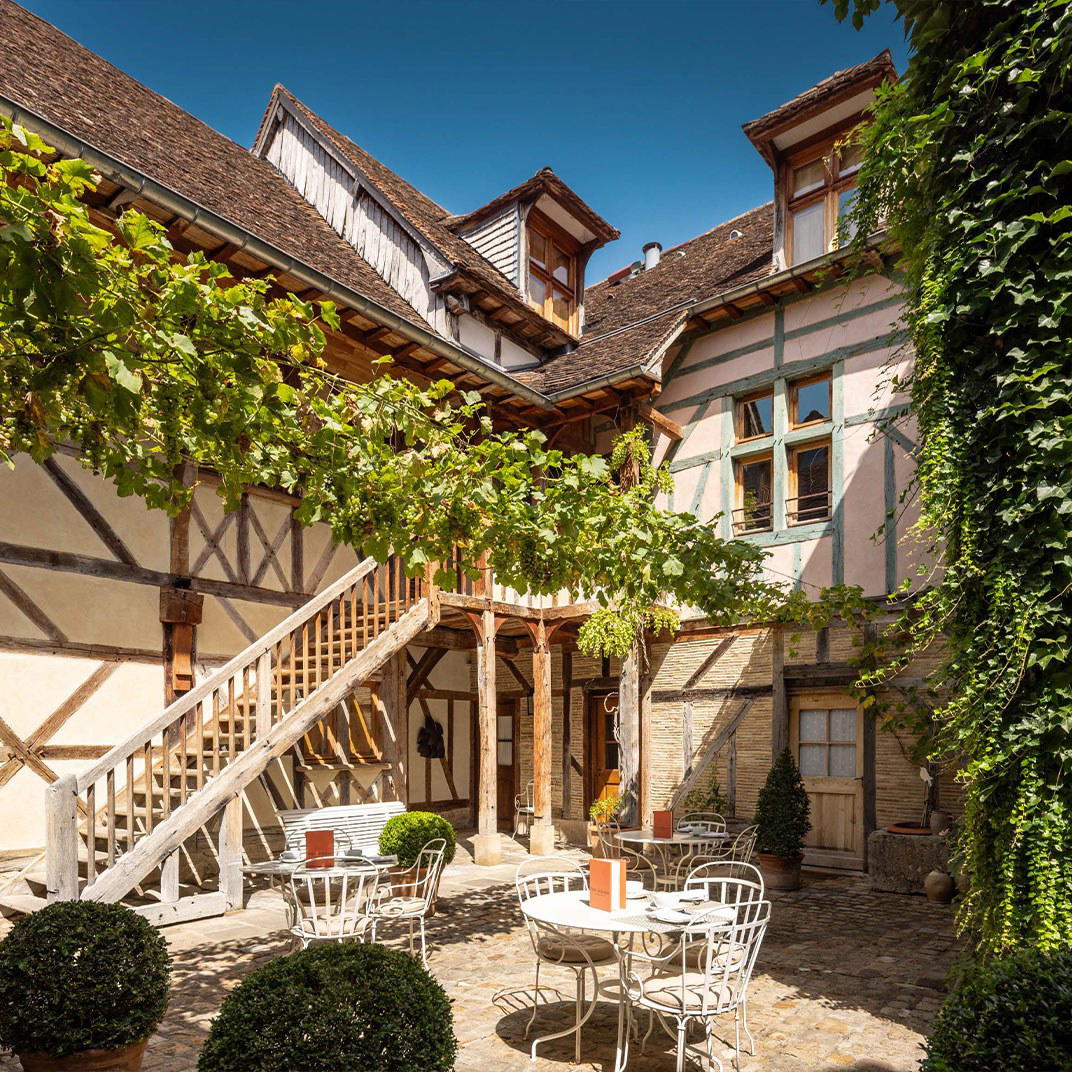
Octave is a restaurant in Troyes, France, serving French Bistro with Shareable Plates at 23 Rue des Quinze Vingts. The medieval quarter, with its timber-framed architecture compressed into a fish-shaped street plan, provides the kind of backdrop that France's more celebrated provincial dining scenes, think the Alsatian corridor around Au Crocodile in Strasbourg or the Champagne corridor anchored by Assiette Champenoise in Reims, have long used to contextualise their cooking. Octave, at 23 Rue des Quinze Vingts, operates in that same provincial tradition of place shaping plate, where the physical address is not incidental but part of the proposition.
Rue des Quinze Vingts is not a street that announces itself. It runs through a part of the old city where the tourist flow thins and the buildings feel lived-in rather than preserved for display. Approaching Octave, the architectural register is consistent with the quarter: close, textured, historically layered. This is a useful signal. Restaurants that occupy quieter addresses in Troyes's centre tend to be feeding a local clientele with expectations shaped by habit rather than novelty, and that audience is a more honest one to cook for.
What the Menu Structure Says About the Kitchen's Priorities
In French provincial dining, the menu is a document of intent as much as a list of options. The way a kitchen sequences courses, balances classic technique against seasonal amendment, and prices its tiers tells you more about its actual ambitions than any stated philosophy. What the address and context do make legible is the category of restaurant it occupies within the local hierarchy.
Troyes's dining scene distributes across roughly three tiers. At the entry level, places like Aux Crieurs de Vin anchor the traditional end: regional cuisine, modest pricing, a wine list heavy on Aube producers. The middle band, where Claire et Hugo and Caffè Cosi operate, applies more technique and charges accordingly, typically in the €€ bracket. Above that sits a smaller cohort, including Le Jardin and La Table de François, where the format tightens and the ambition becomes more explicit. Octave's position within this structure is the right question to ask when deciding where a meal here fits your evening.
Restaurants that choose an address like Rue des Quinze Vingts rather than a more commercial corridor typically do so because their model does not depend on footfall. That is a menu-architecture choice as much as a real estate one: it signals a format built around return visits and deliberate bookings, not casual drop-ins. The cooking at such addresses in France's provincial cities tends to be organised around a set menu or a limited-choice format, where the kitchen controls the sequence and the sourcing rather than running a long à la carte. Whether Octave operates on that model is unconfirmed by available data, but the street address and city context both point in that direction.
Provincial Ambition in a City Without a Michelin Star
Octave has no Michelin star. Without starred benchmarks to position against, kitchens here set their own calibration. That is both a freedom and a pressure: there is no institutional validation to point to, which means the menu itself carries the full burden of credibility.
This is the condition that produces some of France's most interesting provincial cooking. Places like Bras in Laguiole or Flocons de Sel in Megève built their reputations in geographic and institutional isolation before recognition arrived. The correlation between remote address and self-reliant cooking is not accidental. In Troyes, the same logic applies at a smaller scale: the restaurants worth attention are those whose menus function as arguments in themselves, not as responses to an existing critical framework.
Octave operates in that gap. The Aube department produces Chaource cheese and has a quiet but genuine Champagne producer community in its southern reaches. A kitchen paying attention to its immediate geography has material to work with. The kitchen's French bistro format leaves room for regional sourcing, including local cheese and seasonal produce.
How Octave Sits in the Wider French Dining Picture
To understand what Octave might represent at its ceiling, it is worth mapping where provincial French restaurants at this tier tend to orient their ambitions. The conversation around French fine dining increasingly runs through houses with strong regional identity, Mirazur in Menton, Troisgros in Ouches, Auberge de l'Ill in Illhaeusern, where the region is not decoration but argument. Against that backdrop, a Troyes address that takes its geography seriously has a coherent case to make, even at a fraction of the scale. For international context, the contrast with technically ambitious urban formats like Alléno Paris au Pavillon Ledoyen or New York's Atomix sharpens what is specifically French and specifically provincial about cooking at Octave's level: the emphasis is on place and product rather than on technique as spectacle.
For travellers approaching Troyes from Paris, the city is roughly 1h40 by TGV from Gare de l'Est, the dining calculation is different from a dedicated gastronomy trip. Troyes is more often a day or overnight stop, which means a meal at Octave competes with the city's textile outlets and medieval architecture for time rather than with other destination restaurants. That context argues for a format that respects the rhythm of a short visit: a tight menu, a focused wine list, a room that does not demand three hours.
At a city where the gap between a casual lunch and a serious dinner is navigable in a single afternoon, understanding the full range matters.
Planning a Meal at Octave
The address at 23 Rue des Quinze Vingts places Octave within walking distance of the historic centre and the main concentration of Troyes's medieval architecture. Troyes itself is compact enough that no restaurant in the old city requires transport from another. Reservations are recommended, particularly for weekend evenings. Troyes's restaurant scene is not large enough to absorb overflow reliably, and smaller rooms in the mid-to-upper tier fill without the visibility that urban restaurants carry. Arrive with a reservation.
Where the Accolades Land
Comparable venues nearby, for context on price, style, and recognition.
| Venue | Cuisine | Price | Awards | Notes |
|---|---|---|---|---|
| OctaveThis venue — the venue you are viewing | French Bistro with Shareable Plates | $$$$ | Not listed | Not listed |
| Le Valentino | Refined French Gastronomic with Seafood Focus | $$$ | Not listed | historic heart |
| Le Rocher | Traditional French Bistro with Regional Specialties | $$ | Not listed | Troyes center |
| Le Quai de Champagne | Contemporary French Seasonal Cuisine | $$$$ | Michelin Plate | Troyes city center |
| Claire et Hugo | Organic Farm-to-Table French Bistro | $$$ | Michelin Plate | Sainte-Savine |
| Aux Crieurs de Vin | French Bistro with Natural Wines | $$ | Michelin Plate | Place Jean Jaurès |
Continue exploring
More in Troyes
Restaurants in Troyes
Browse all →
Bars in Troyes
Browse all →
Hotels in Troyes
Browse all →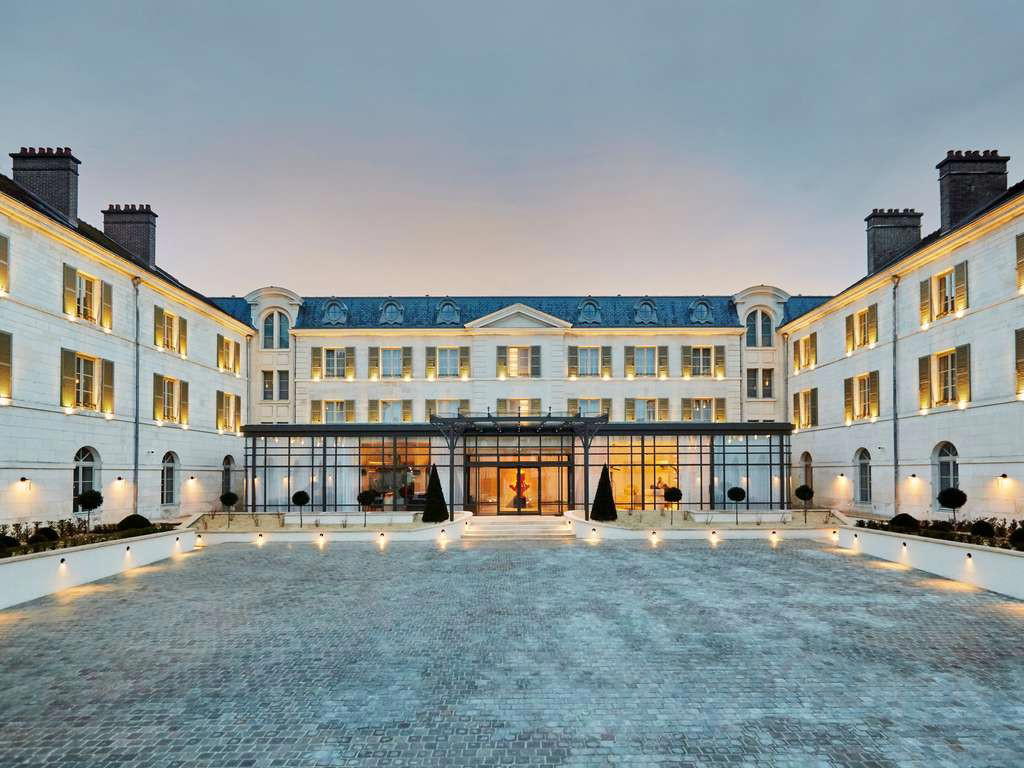
At a Glance
- Intimate
- Cozy
- Elegant
- Date Night
- Group Dining
- Family
- Terrace
- Open Kitchen
- Extensive Wine List
- Local Sourcing
- Street Scene
Current opening hours
- Monday
- 12–2 PM, 7–9:30 PM
- Tuesday
- 12–2 PM, 7–9:30 PM
- Wednesday
- 12–2 PM, 7–9:30 PM
- Thursday
- 12–2 PM, 7–9:30 PM
- Friday
- 12–2 PM, 7–9:30 PM
- Saturday
- 12–2 PM, 7–9:30 PM
- Sunday
- Closed
Hours can change for holidays and private events. Last verified .
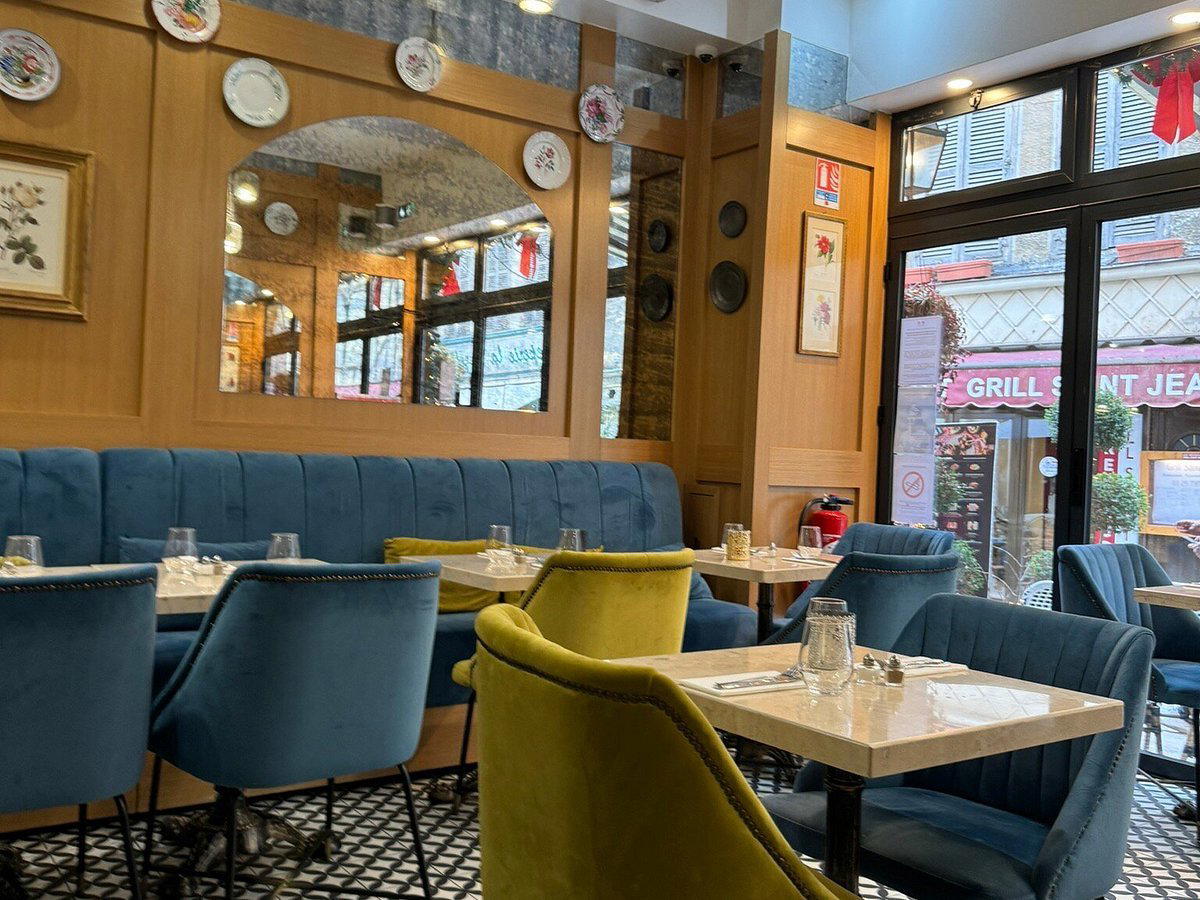
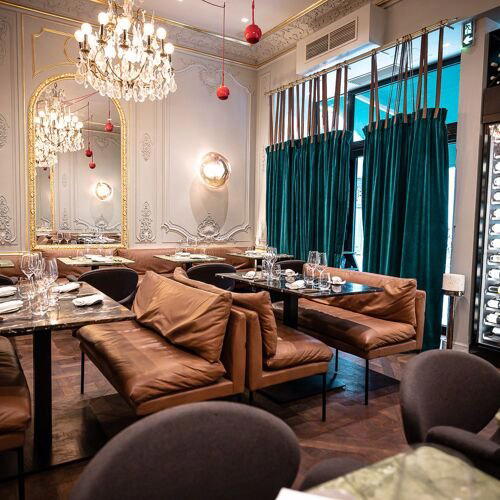
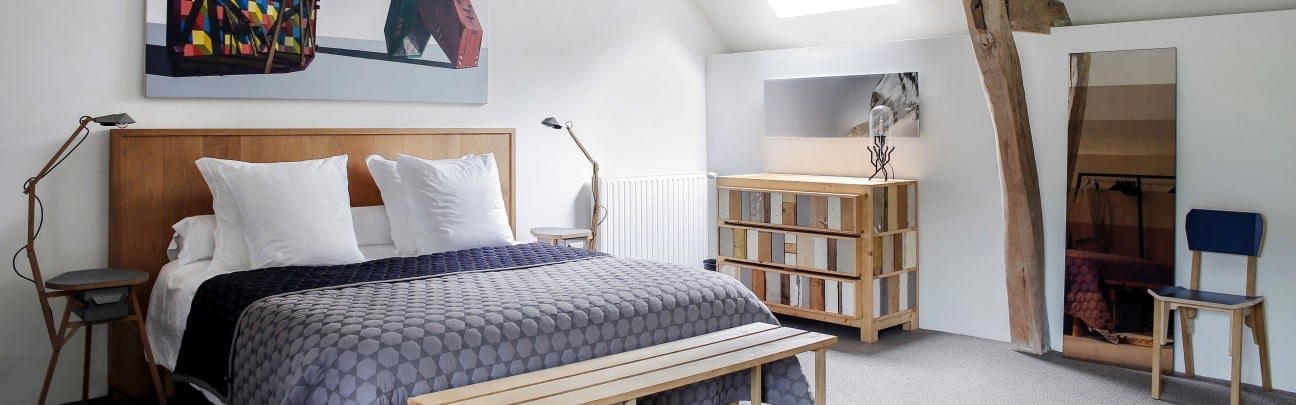
Intimate decor in the heart of Troyes old town with a welcoming terrace, warm service, and cozy atmosphere.