O Paparico sits on Rua Costa Cabral in Porto's residential northeast, where the kitchen works within a classical Portuguese tradition and earns consistent recognition from Opinionated About Dining's European Classical list. Chef Rui Martins leads a program rooted in seasonal produce and long-standing technique, drawing a loyal local following and informed visitors who want cooking grounded in place rather than trend.

Classical Portuguese Cooking in Porto's Residential Belt
Porto's dining scene has fragmented along predictable lines: the creative tasting-menu tier, anchored by places like Euskalduna Studio and Antiqvvm, pulls most of the international critical attention, while a smaller cohort of classical houses works further from the riverfront, serving food that answers to tradition rather than trend. O Paparico restaurant Porto belongs to that second category. Located on Rua Costa Cabral in the city's residential northeast, it operates at a remove from the tourist corridors of Ribeira and the design-hotel clusters of Baixa, which tends to shape the clientele: the room fills with Porto residents and a contingent of visitors who have done the research.
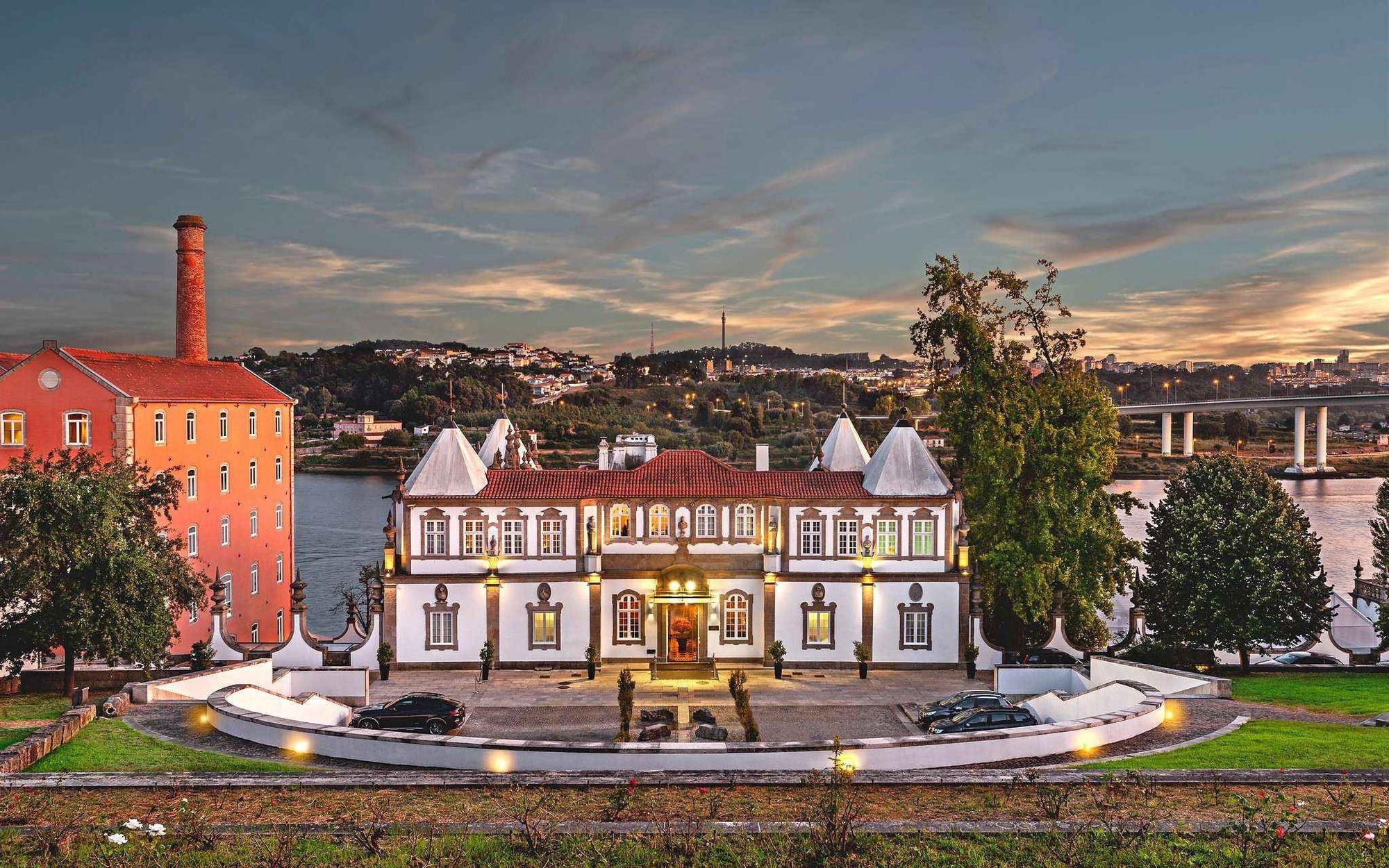
The address itself signals intent. Rua Costa Cabral is a working neighbourhood street, not a dining destination in the way that the Foz waterfront or Cedofeita's gallery strip have become. Arriving in the evening, the building reads quietly against the block, and the interior follows the same logic: considered materials, no performative theatrics. This is not a kitchen that requires atmosphere as a distraction from the plate.
Where O Paparico Sits in the Portuguese Classical Tradition
Portugal's classical kitchen has always operated on a short list of defining principles: produce bought close, protein treated with patience, and sauces built from time rather than technique-for-its-own-sake. The restaurants that sustain this tradition without nostalgia tend to resist two pressures simultaneously: the minimalism that Nordic influence spread across European fine dining in the 2010s, and the over-elaboration that treats classical cooking as a canvas for personal expression. O Paparico under Chef Rui Martins has maintained a position that acknowledges both pressures without capitulating to either.
That positioning has drawn notice. Opinionated About Dining, whose Classical in Europe list tracks restaurants working within established culinary traditions rather than chasing contemporary formats, ranked O Paparico at number 312 in its 2024 edition and carried it as a Recommended entry in 2023. OAD's Classical lists are assembled from experienced eaters rather than professional inspectors, which makes a sustained ranking meaningful in a specific way: it reflects repeat visits and long-term consistency rather than a single evaluative moment. A Google rating of 4.6 across 533 reviews adds a separate data layer, suggesting the kitchen performs across a broad range of diners rather than only impressing a narrow specialist audience.
For comparison, Porto's creative tier — Blind, Semea by Euskalduna, Le Monument — chases a different kind of recognition, oriented toward Michelin stars and the 50 Best ecosystem. O Paparico's peer set is elsewhere: it aligns more naturally with classical houses across Portugal that have built durable reputations on consistency and sourcing discipline. In that company, OAD Classical recognition is the relevant signal, not star counts.
Seasonality, Sourcing, and What Lands on the Table
The editorial angle that makes O Paparico worth examining in 2024 is less about individual dishes and more about the sourcing ethic that shapes what the kitchen cooks at any given time of year. Portuguese classical cooking has always been implicitly seasonal , the country's geography, with Atlantic coastline, river valleys, and interior plains in close proximity, produces a raw ingredient calendar that changes sharply across the year. The kitchen's approach to that calendar determines whether a classical house becomes a repeatable destination or a fixed-menu proposition.
Atlantic fish are the most obvious seasonal marker along this stretch of the Portuguese coast. The window for certain species, the arrival of spring lamb from the Alentejo, the autumn truffle season that touches northern Portuguese menus , these are the transitions that give a classically-oriented kitchen its shape across the year. Visiting in autumn or early winter, when the cold-water species are at their leading and the kitchen has the full seasonal range to work with, tends to produce the most complete expression of what a house like this does well. Spring visits, when the market shifts toward vegetables and younger proteins, offer a different but equally deliberate read on the same philosophy.
This matters in the context of sustainability not as a marketing category but as operational practice: a kitchen that follows the seasonal calendar closely generates less waste, sources from producers whose yields align with natural cycles, and avoids the off-season substitutions that pull a classical menu away from its own logic. The broader movement among Portuguese classical restaurants toward tighter relationships with small-scale regional producers has been documented over the past decade, and O Paparico's sustained recognition suggests it has stayed on the right side of that shift.
O Paparico Within Porto's Wider Dining Picture
Porto's food scene has attracted enough international coverage in the past five years that the obvious reference points are now well-trodden. Antiqvvm has a Michelin star and a garden terrace that photographs well. Euskalduna Studio commands the progressive tasting-menu conversation. For visitors working through the city's classical registers, O Paparico occupies a tier that doesn't require Michelin validation to be relevant.
Across Portugal more broadly, the classical tradition has its most decorated houses elsewhere: Belcanto in Lisbon, Casa de Chá da Boa Nova in Leça da Palmeira just north of Porto, and further afield The Yeatman in Vila Nova de Gaia across the Douro. Vila Joya in Albufeira, Ocean in Porches, and Il Gallo d'Oro in Funchal extend the country's fine dining footprint south and into the Atlantic islands. Within Porto specifically, O Paparico fills a gap that the creative-format restaurants don't address: cooking that treats tradition as the primary discipline rather than as raw material for reinvention.
For visitors planning time in the city, our full Porto restaurants guide maps the full range, from classical houses through to the progressive tasting-menu tier. Those extending their visit should also consult our Porto hotels guide, Porto bars guide, Porto wineries guide, and Porto experiences guide for a fuller picture of the city. Portuguese classical cooking in other contexts appears at A Taberna da Rua das Flores in Lisbon and, in a distinctly different register, at Albergue 1601 in Macau.
Planning a Visit
O Paparico sits at Rua Costa Cabral, 2343, in Porto's residential northeast, away from the central tourist zones. The neighbourhood is leading reached by taxi or rideshare from central Porto rather than on foot from the main hotel clusters. Given the kitchen's classical orientation, the most direct booking strategy is to plan around the season: autumn and winter visits align with the cold-water fish calendar and the heavier protein preparations that define northern Portuguese cooking at its most confident. The restaurant's sustained OAD presence and Google volume suggest advance reservations are advisable, particularly for Friday and Saturday evenings.
What Should I Eat at O Paparico?
The kitchen at O Paparico follows Portuguese classical tradition under Chef Rui Martins, which means the strongest choices on any visit will track the season rather than a fixed signature list. Atlantic fish preparations are the obvious anchor along this stretch of coast, and the cold-water months from October through February tend to produce the most complete expression of what the kitchen does with them. The OAD Classical recognition , ranking 312 in Europe's 2024 edition and Recommended in 2023 , reflects consistency across multiple visits from experienced diners, which suggests the kitchen's strength lies in execution discipline rather than a single showpiece dish. Arrive with the expectation of a meal structured around what the market delivered that week, and the classical format will make sense on its own terms.
- Posta Arouquesa
- Monkfish rice with prawns
- Roasted octopus
- Codfish
- Lobster rice
- Soft Egg dessert
Comparable Spots
A quick look at comparable venues, using the data we have on file.
| Venue | Cuisine | Price | Notes |
|---|---|---|---|
| O Paparico | Portugese | This venue | |
| Euskalduna Studio | Progressive Portugese, Modern Cuisine | €€€€ | Progressive Portugese, Modern Cuisine, €€€€ |
| Pedro Lemos | Modern European, Contemporary | €€€€ | Modern European, Contemporary, €€€€ |
| Almeja | Portugese, Contemporary | €€ | Portugese, Contemporary, €€ |
| Antiqvvm | Creative | €€€€ | Creative, €€€€ |
| Le Monument | Contemporary | €€€€ | Contemporary, €€€€ |
Continue exploring
More in Porto
More from Chef Rui Martins
Browse all →Restaurants in Porto
Browse all →Bars in Porto
Browse all →Hotels in Porto
Browse all →At a Glance
- Intimate
- Rustic
- Elegant
- Sophisticated
- Hidden Gem
- Date Night
- Special Occasion
- Celebration
- Private Dining
- Historic Building
- Standalone
- Extensive Wine List
- Sommelier Led
- Craft Cocktails
- Local Sourcing
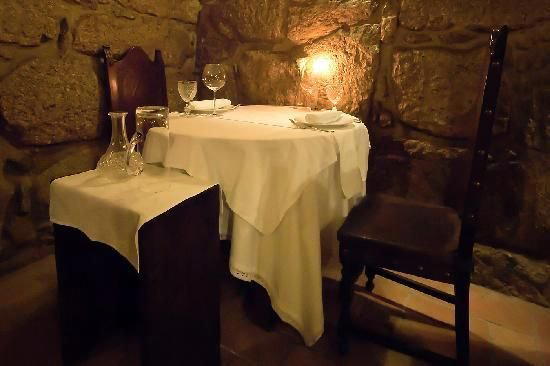
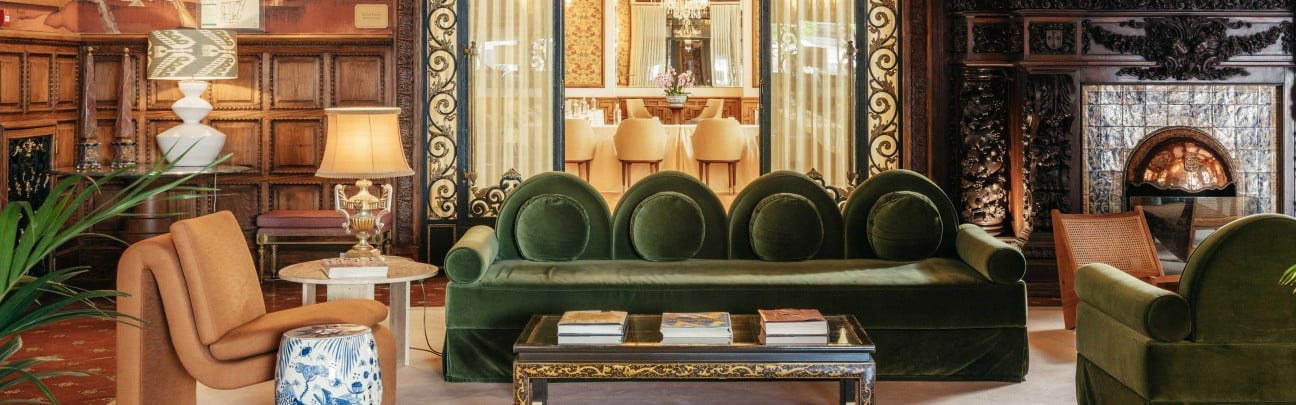
Intimate and rustic with exposed centuries-old stone walls, traditional wooden tables with white linens, crystal stemware, and carefully curated spacing that creates privacy despite open seating; warm lighting from a cozy bar area with leather furniture.
- Posta Arouquesa
- Monkfish rice with prawns
- Roasted octopus
- Codfish
- Lobster rice
- Soft Egg dessert