Nova Restaurant

Star Wine List
Our verdict
In a city where most upscale dining defaults to New England seafood or Italian-American tradition, Nova occupies a distinct lane, drawing on the spice routes and culinary grammar of the Silk Road alongside Continental technique.

Pearl is the En Primeur Club membership app — saves, bookings, and concierge access live there. Same editors, same standards.
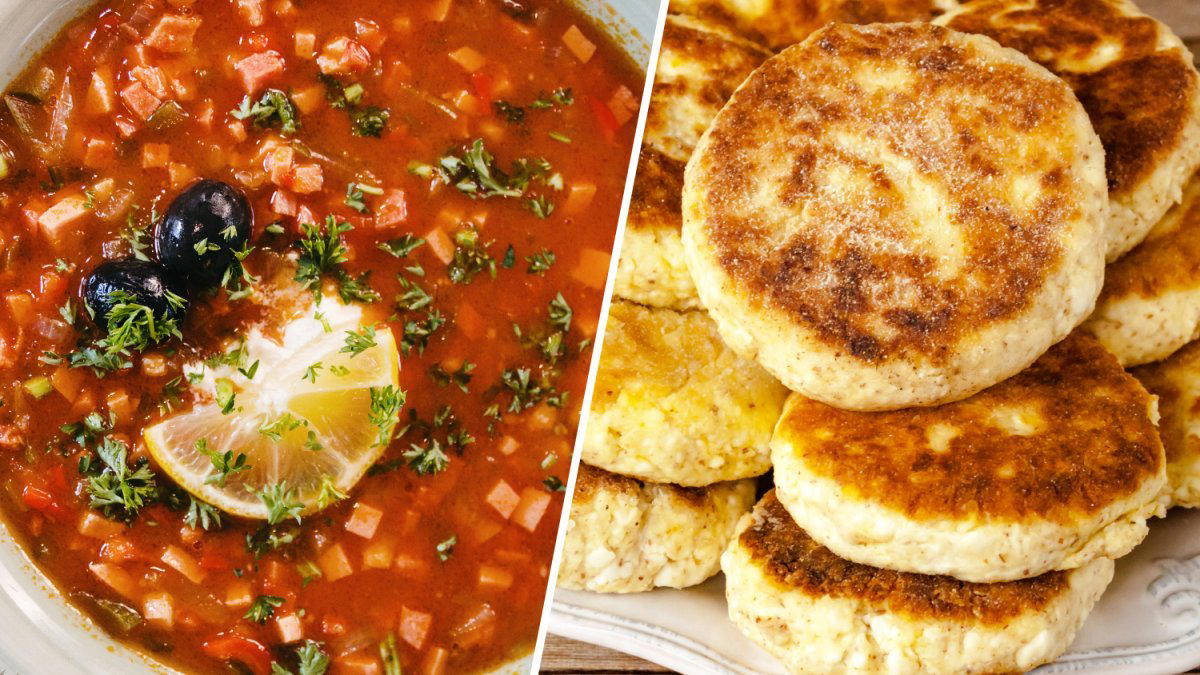
That positioning matters more than it might first appear. Central Asian cuisine, drawing on the culinary traditions of Uzbekistan, Kazakhstan, Tajikistan, and neighboring regions, remains genuinely underrepresented in American fine dining. When European technique enters that conversation, the results tend to be either awkward fusion or something more considered, where French sauce structure or Continental plating discipline gives the Central Asian pantry a new kind of legibility for Western diners.
The Halal Framework and What It Changes
Halal dining in American cities has undergone a significant shift over the past decade. The category spent years anchored to quick-service formats: halal carts, kebab counters, and fast-casual spots that prioritized accessibility over refinement. That's changing in cities with growing Muslim professional populations, where the demand for halal dining that operates at the same level as any upscale non-halal restaurant has started to produce a more considered tier of establishments. Boston, with a substantial Somali, South Asian, and Arab-American community concentrated in areas like East Boston, Roxbury, and Dorchester, has the demographic base to support this kind of evolution.
The halal constraint also shapes the kitchen's approach in ways that are more interesting than restrictive. Without pork or alcohol-based stocks, the flavor architecture has to come from spice, fermentation, slow cooking, and fat rendered from halal-certified beef and lamb. That discipline, in skilled hands, tends to produce cooking that's more reliant on foundational technique and ingredient quality than shortcuts. For diners exploring this space alongside Boston's broader restaurant scene, the contrast with 311 Omakase or the Portuguese-inflected tasting menus at Agosto is instructive: each of those venues derives its identity from a specific culinary tradition executed with discipline, and Nova belongs in that same conversation about tradition-led cooking in Boston.
Central Asian Cooking in an American City
The cuisines of Central Asia have a longer international profile in cities like Berlin, Istanbul, and Moscow, where Uzbek and Kazakh restaurants have operated for decades at various price points. In the United States, that presence is thinner. New York has the most developed Central Asian dining scene, with a cluster of Uzbek restaurants in Rego Park, Queens, serving plov (slow-cooked rice with lamb and carrots), samsa (baked meat pastries), and lagman (hand-pulled noodles in spiced broth) to communities with direct regional ties.
European element of Nova's cuisine adds another layer of complexity. Central Asian cooking already carries influences from Persian, Russian, Chinese, and Mongolian traditions, layered across centuries of trade and empire. Adding a European culinary vocabulary to that mix creates a framework that's genuinely difficult to categorize. This is the territory that restaurants like Alinea or Lazy Bear work in from a different angle, pushing against single-cuisine categorization. Nova's version of that project is rooted in specific cultural geography rather than avant-garde experimentation, which gives it a different kind of authority. For diners who've experienced Continental precision at Le Bernardin in New York City or Alain Ducasse at Louis XV in Monte Carlo, the interest here lies in how that same formal discipline gets redirected toward a pantry that most European-trained kitchens have never engaged with.
Boston's Evolving Dining Geography
Boston's restaurant scene has matured considerably since the early 2000s, moving from a city known primarily for clam chowder and steakhouses to one with a more differentiated set of culinary identities. The Theatre District in particular has seen turnover and reinvention, with pre-theatre dining giving way to more destination-oriented openings.
For context on how Boston's upscale dining has diversified, the comparison set is instructive. The raw bar tradition runs deep, with Neptune Oyster representing its most attended expression. Japanese omakase has arrived in the form of 311 Omakase. Comfort-forward globally inspired cooking appears at Ama at the Atlas. Steakhouse anchors like Abe and Louie's hold their ground. Within that spread, a Central Asian and European halal restaurant represents a gap being filled rather than a trend being chased.
Diners coming to Boston for a broader culinary survey should also consider Alcove, and for a full picture of what the city offers across dining, drinking, and stays, our full Boston restaurants guide, Boston bars guide, and Boston hotels guide cover the breadth of options. The Boston experiences guide and Boston wineries guide round out the picture for those spending more than a night. The Theatre District's foot traffic peaks on weekend evenings and performance nights, so contacting Nova in advance is the more reliable approach regardless of when you plan to go.
Frequently asked questions
Is Nova Restaurant on Tremont Street suitable for halal-observant diners from outside Boston?
Nova Restaurant at 131 Tremont St, Boston operates as a halal establishment serving Central Asian and European cuisine, making it one of the few options in the city combining both traditions under a halal framework. For visitors travelling to Boston for business or events near the Theatre District or Boston Common, the Tremont Street address is walkable from several major hotels and convention venues. Confirming current certification details directly with the restaurant is advisable for those with strict compliance requirements.
What should I order at Nova Restaurant?
Nova's menu draws from both Central Asian and European halal traditions, a combination that rarely appears in the same kitchen in Boston. The Tremont Street location puts it within reach of a pre- or post-theatre meal, so factor that into timing.
Do I need a reservation for Nova Restaurant?
Given the Theatre District adjacency, walk-in availability on weekend evenings or pre-show windows is likely tighter than midweek lunch. Contacting the restaurant directly before visiting is the practical approach until booking details are publicly listed.
What's the standout thing about Nova Restaurant?
The combination of Central Asian and European cooking within a halal framework is the clearest differentiator. Halal dining in American cities has historically skewed toward quick-service formats; a sit-down restaurant working across both of these culinary traditions occupies a distinct position in Boston's dining geography. That positioning matters more in a city where Central Asian cuisine specifically has limited representation.
Credentials Lens
Comparable venues nearby, for context on price, style, and recognition.
| Venue | Cuisine | Price | Awards | Notes |
|---|---|---|---|---|
| Nova RestaurantThis venue (the venue you are viewing) | Central Asian | $20–30 | Star Wine List | Not listed |
| Menton | French | Not listed | AAA 5 Diamond | Fort Point |
| Cafe Noodo | Hand-Pulled Noodle Shop | $10–20 | Star Wine List | West End |
| Clio | Dining | Not listed | James Beard Award Best Chefs | Boston |
| Taiwan Cafe | Authentic Taiwanese | $10–20 | Not listed | Downtown Crossing |
| Peach Farm | Authentic Cantonese Seafood | $20–30 | Not listed | Chinatown |
Recognition history
Dated appearances from independent guides and award organizations, with the underlying list record or original source where available.
Star Wine List
Star Wine List
Continue exploring
More in Boston
Restaurants in Boston
All restaurants in Boston →
Bars in Boston
All bars in Boston →
Details
- Modern
- Family
- Casual Hangout
- Brunch
- Standalone
- A La Carte
Current opening hours
- Monday
- 11 AM–11 PM
- Tuesday
- 11 AM–11 PM
- Wednesday
- 11 AM–11 PM
- Thursday
- 11 AM–11 PM
- Friday
- 11 AM–11 PM
- Saturday
- 11 AM–11 PM
- Sunday
- 11 AM–11 PM
Hours can change for holidays and private events. Last verified .
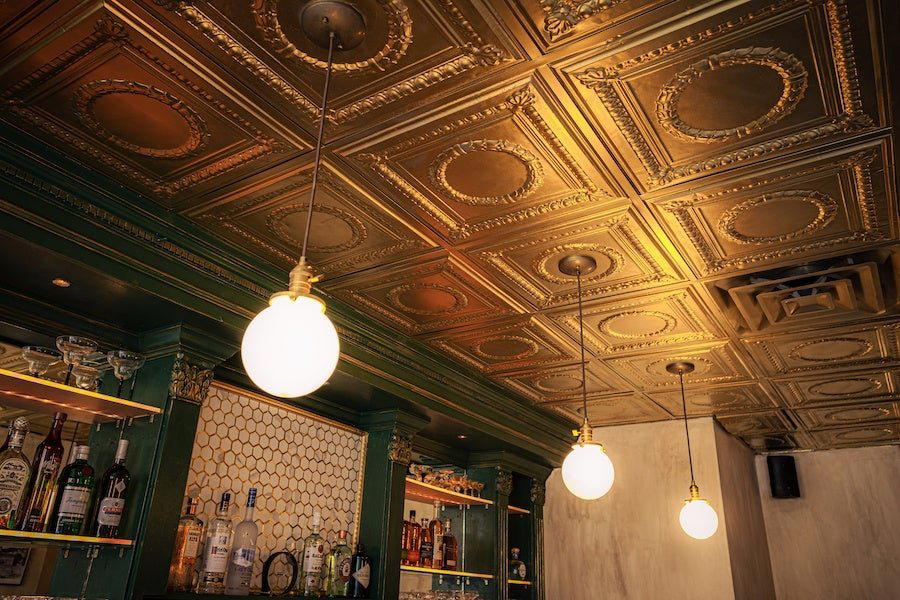
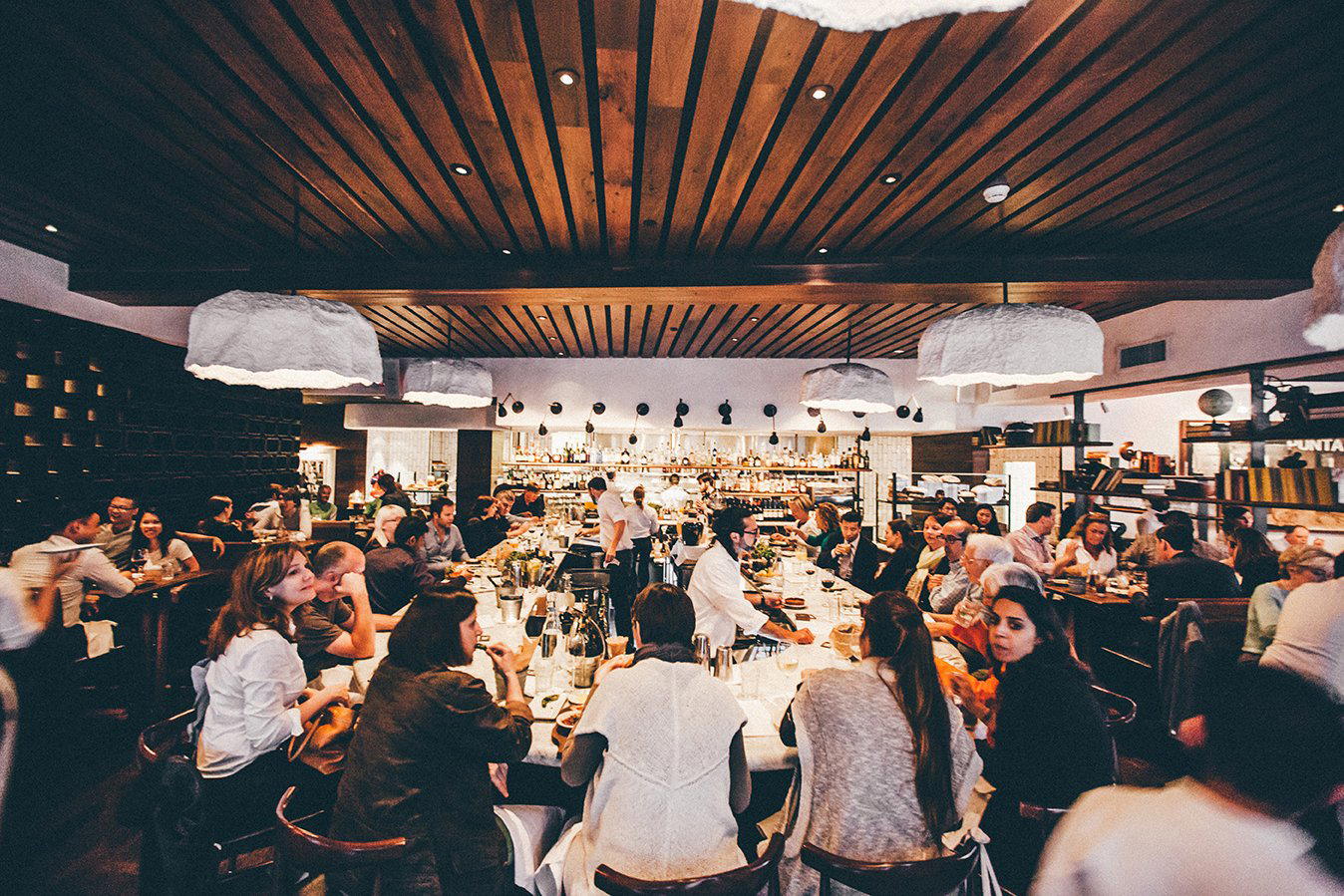
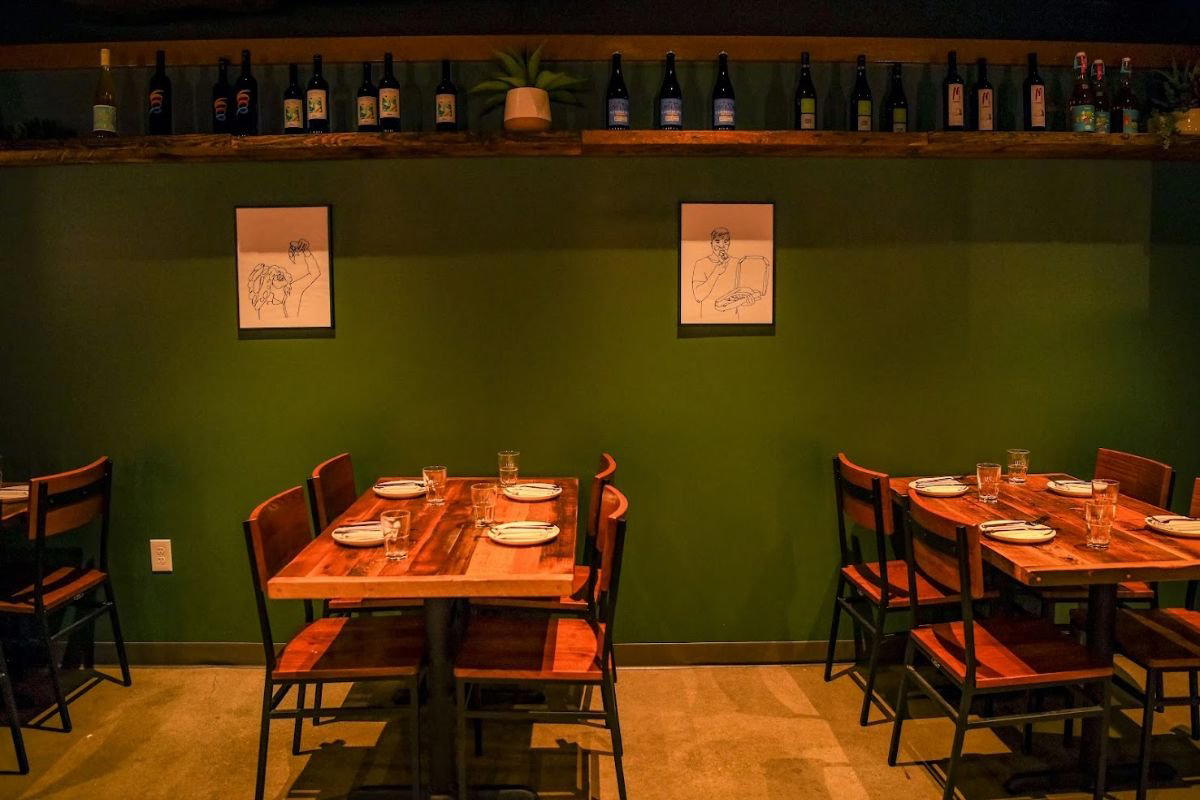
Casual and hospitable with Central Asian warmth.