
Tabelog 100 #30
Our verdict
A rural-leaning sweets stop in Sapporo’s Kiyota Ward, Noka no Chaya Shizen Mankitsu Club belongs to Hokkaido’s farm-parlour tradition rather than the city’s polished dessert-room circuit. Tabelog selected it for Sweets EAST in 2018, 2019, and 2023, a useful signal for a casual, low-cost format built around fruit parlour service, soft serve, pizza, and take-out rhythm.

Pearl is the En Primeur Club membership app, where members save venues, book tables and use the concierge.
The menu
What to order
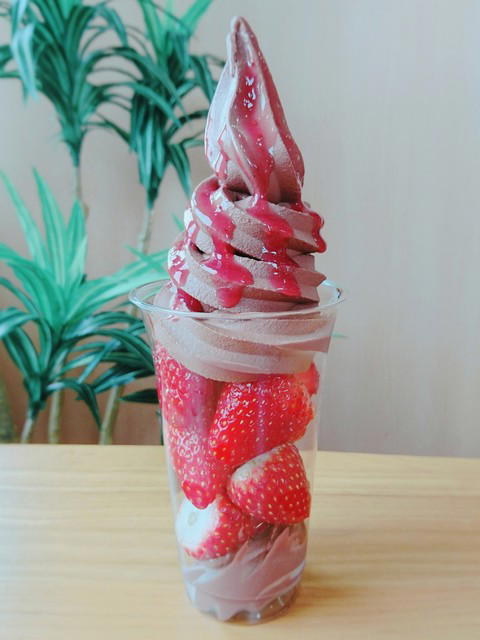
- Strawberry parfait (いちごパフェ)
- Strawberry soft cream (いちごソフトクリーム)
- Seasonal berry parfaits
- House-made sweets for omiyage
The approach to Noka no Chaya Shizen Mankitsu Club changes dessert in Sapporo. The city’s food culture is often read through ramen shops, soup curry rooms, seafood counters, and patisserie; here, the ritual is more casual and less polished. A sweets stop here is not a linen-tablecloth pause after dinner, but a fruit-parlour format where the order, mood, and season can matter as much as the plate.
Noka no Chaya Shizen Mankitsu Club fits that category: fruit parlour, soft serve ice cream, pizza, and an everyday sweets stop rather than a formal dessert salon. Hokkaido’s dairy and fruit reputation gives casual sweets shops unusual weight, and serious ones do not need fine-dining vocabulary to matter. Recognition in Tabelog’s sweets coverage in 2023 places this venue inside a regional sweets conversation beyond the most obvious Sapporo dining categories, while the format stays deliberately plainspoken.
Farm-parlour sweets, not city-centre patisserie
Sapporo’s dessert map splits between urban pastry culture and produce-led formats. The first prizes technique, packaging, and gift-box polish. The second depends on immediacy: dairy, fruit, cold service, simple pleasure, and a pace shaped by casual traffic. Noka no Chaya Shizen Mankitsu Club belongs to the second camp, making it a different decision from a café stop before shopping or a hotel-lobby cake set.
The useful comparison is not a tasting-menu restaurant but the city’s casual food grammar, where a low-ticket meal can still carry local credibility. Ramen RS Kai sits in a similar low-price bracket, while Hana Maru and Pot-au-feu move one step higher on spend; Tenjiku Sapporo kiyota honten and soup curry tom tom kikir show how Sapporo’s everyday dining stretches from quick bowls to fuller meals without becoming formal. The sweets-parlour version is leaner: order, eat, move on, with pleasure coming from directness rather than ceremony.
That is why the Tabelog sweets recognition is the key trust signal. The award does not turn the place into a grand restaurant. It says something more precise: within Japan’s sweets conversation, a simple Hokkaido fruit-and-dairy format has enough reputation to sit beside more conventional dessert specialists. For travellers who reduce Sapporo to ramen and seafood, that is the correction.
The ritual is daytime, seasonal, and casual
The rhythm is closer to a simple sweets counter than a dining room. The listed categories point toward fruit parlour, soft serve ice cream, and pizza rather than a multi-course restaurant. This makes the experience better approached as a short, casual stop than a lingering evening plan. Come prepared for an easygoing visit, and treat the sweets as part of a broader Sapporo itinerary, not a destination dinner.
Seasonality shapes expectations at this kind of venue. Fruit-led sweets and dairy-based treats are most enjoyable when approached with flexibility, especially in Hokkaido, where produce and weather can shape the feel of a stop. Treat fruit-based items as part of the appeal rather than a fixed checklist. That is not a flaw; it is the point of a sweets format built around direct pleasure.
The setting also reads as approachable rather than ceremonial. The low-cost structure removes much of the tension of formal dining in Japan, and the category is suited to a simple break during the day. This is not for a hushed dessert course; it is a casual stop where friends, families, and day-trippers can understand the appeal quickly.
How it fits into a Sapporo food day
For travellers, the question is placement. Sapporo rewards flexible sequencing: a bowl, a coffee, a casual stop, then another meal. Noka no Chaya Shizen Mankitsu Club asks for a looser plan. It is best treated as a Sapporo sweets stop with a light budget and a casual rhythm, rather than something to schedule like a formal reservation-led restaurant.
Price is part of the ritual. The listed range is - JPY 999, with lunch budget also shown as - JPY 999, so the expectation should be modest and direct. The categories tell you how to read it: fruit parlour, soft serve ice cream, and pizza. The experience is best understood as a short, casual sweets stop rather than a seated restaurant appointment.
Within a Sapporo itinerary, it pairs better with informal food culture than luxury dining. Readers mapping the broader scene can start with Our full Sapporo restaurants guide, then compare noodle, curry, seafood, and everyday dining stops across the city. For a broader Hokkaido counterpoint, other casual venues show how the region’s food reputation travels through dairy, flour, fruit, and day-trip planning without needing a formal dining-room frame.
Planning can widen from there: Our full Sapporo hotels guide, Our full Sapporo bars guide, Our full Sapporo wineries guide, and Our full Sapporo experiences guide cover the rest of the trip architecture. For readers comparing Japanese casual formats beyond Hokkaido, the wider archive includes quick counters, neighborhood dining rooms, sweets stops, and other informal places where a simple format can still carry a strong sense of local identity.
The editorial read is clear: Noka no Chaya Shizen Mankitsu Club is strongest as a Sapporo daytime ritual, not a restaurant to dress up around. Its value lies in how a simple sweets format can carry regional identity, seasonal feeling, and public recognition without becoming formal. In a city often sold through bowls and markets, this is the softer, fruit-and-dairy side of Sapporo’s food culture.
Frequently asked questions
Is Noka no Chaya Shizen Mankitsu Club suitable for children?
Noka no Chaya Shizen Mankitsu Club is best read as a casual Sapporo sweets stop rather than a formal meal, with categories listed as fruit parlour, soft serve ice cream, and pizza.
What's the vibe at Noka no Chaya Shizen Mankitsu Club?
It reads like a produce-led, casual sweets venue: fruit parlour, soft serve ice cream, and pizza rather than formal dining. The Tabelog sweets recognition in 2023 gives it clear credibility in Sapporo.
Is Noka no Chaya Shizen Mankitsu Club expensive?
Pricing at Noka no Chaya Shizen Mankitsu Club is listed as - JPY 999.
What are the opening hours for Noka no Chaya Shizen Mankitsu Club?
Opening hours are not specified in the provided venue facts. Confirm current hours directly before visiting Noka no Chaya Shizen Mankitsu Club in Sapporo.
What It’s Closest To
Comparable options at the same price tier.
| Venue | Cuisine | Price | Awards | Notes |
|---|---|---|---|---|
| Noka no Chaya Shizen Mankitsu ClubThis venue (the venue you are viewing) | Farm café & parfaits / soft serve | $1–10 | Tabelog 100 #30 | Not listed |
| MIRTILLO | Organic blueberry gelato & dessert cafe | $1–10 | Tabelog 100 #21 | Chitose |
| Farm Tomita | Casual café with lavender and Hokkaido specialties | $10–20 | Tabelog 100 #97 | Nakafurano |
| Asian N Soup Curry Besu | Soup curry restaurant | Not listed | Tabelog 100 #96 | Shiroishi |
| Yamanaka Bokujou | Farm Dairy Café & Soft-Serve | $1–10 | Tabelog 100 #2 | Akaigawa / Otaru countryside |
| Garyu Menbu Hien | Sapporo chicken & seafood ramen | $10–20 | Tabelog 100 #48 | Toyohira |
Recognition history
Dated appearances from independent guides and award organizations, with the underlying list record or original source where available.
Tabelog 100 #30 · No. 30
Tabelog · Tabelog 100 - Sweets - EAST - 2023
Continue exploring
More in Sapporo
Restaurants in Sapporo
All restaurants in Sapporo →
Bars in Sapporo
Browse all →



Details
- Cozy
- Rustic
- Scenic
- Family
- Casual Hangout
- Solo
- After Work
- Garden
- Standalone
- Terrace
- Farm To Table
- Local Sourcing
- Garden
- A La Carte
- Counter Dining
- Coffee
- Tea
- Soft Drinks
- Vegetarian Friendly
Current opening hours
- Monday
- 10 AM–5 PM
- Tuesday
- 10 AM–5 PM
- Wednesday
- 10 AM–5 PM
- Thursday
- 10 AM–5 PM
- Friday
- 10 AM–5 PM
- Saturday
- 10 AM–5 PM
- Sunday
- 10 AM–5 PM
Hours can change for holidays and private events. Last verified .
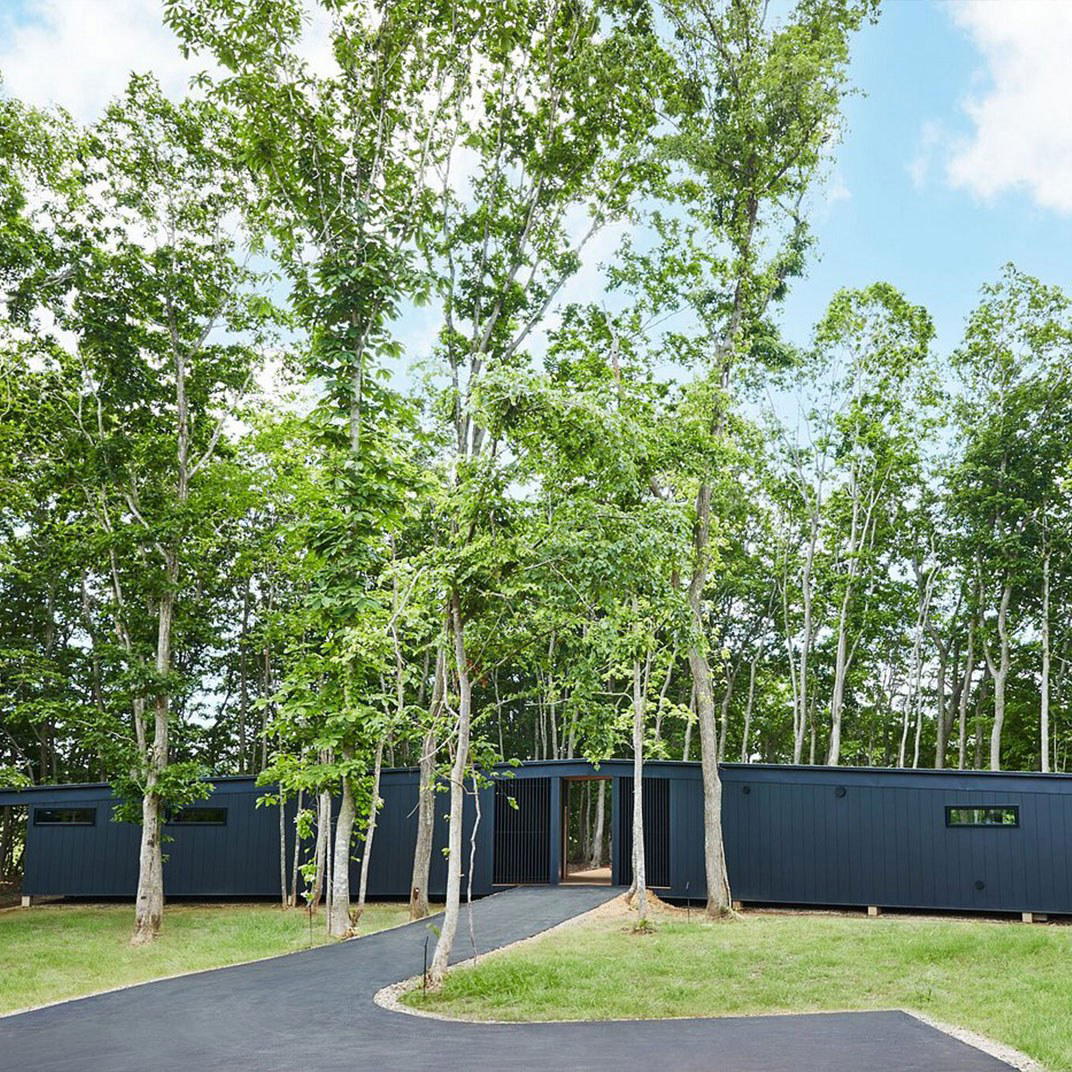
Casual, daylight‑filled farm café atmosphere with simple rustic interiors and relaxed counter ordering, plus outdoor seating where guests can enjoy views of surrounding fields and greenery.