Noda Sushi
Noda Sushi operates at 546 S Lake Ave in Pasadena, occupying a quieter register than the city's more prominent dining rooms. The kitchen works within the Japanese sushi tradition, serving a neighborhood that has grown increasingly serious about its dining options. It sits on one of Pasadena's main commercial corridors, within reach of both local regulars and visitors exploring the city's expanding restaurant scene.
Pearl is the En Primeur Club membership app — saves, bookings, and concierge access live there. Same editors, same standards.
- Address
- 546 S Lake Ave, Pasadena, CA 91101
- Phone
- +16267932600
- Website
- noda.lany.io
- Directions
- Get directions
 Saves & bookings on Pearl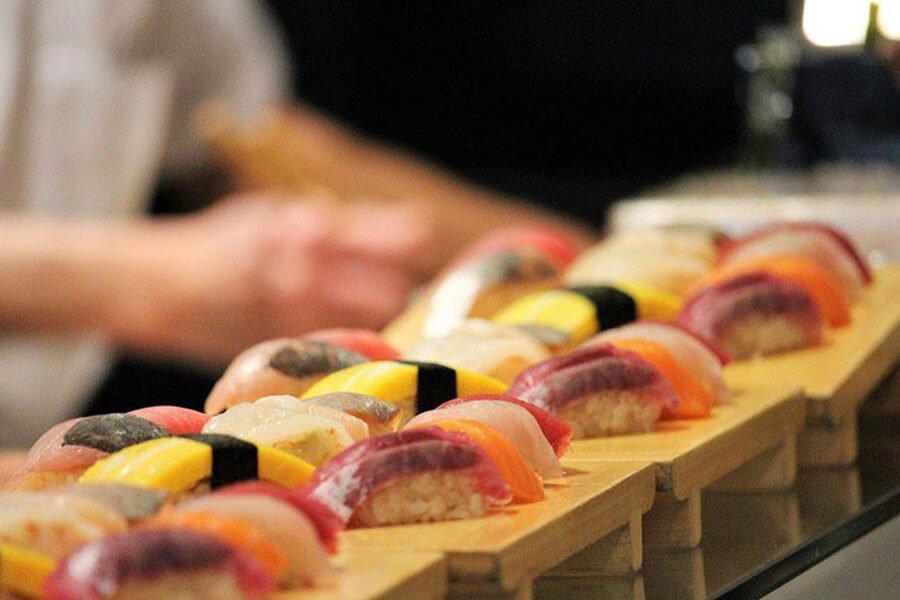
South Lake Avenue and the Sushi Counter's Place in Pasadena's Dining Order
South Lake Avenue has long served as Pasadena's commercial spine, lined with a mix of national retailers and independent restaurants that reflect the city's particular demographic blend: old Pasadena money, CalTech faculty, and a growing population of younger professionals who have pushed the dining conversation further than the neighborhood's reputation once suggested. The corridor doesn't generate the press that Old Town does, but it feeds more regulars. Noda Sushi at 546 S Lake Ave occupies this quieter, more residential end of the city's restaurant geography, where a sushi counter functions less as a destination and more as a cornerstone of the local dining week.
In Los Angeles County's wider sushi ecosystem, the range runs from strip-mall omakase counters that price into Michelin-starred territory to fast-casual conveyor operations. Pasadena sits between those poles. It has never been the county's sushi epicenter, but the concentration of long-standing Japanese restaurants along and near Lake Avenue tells a story about consistent neighborhood demand rather than trend-chasing. Noda Sushi belongs to that tradition of sustained, community-oriented service rather than the kind of destination dining associated with, say, Providence in Los Angeles, where the guest often travels specifically for the kitchen.
Where Sourcing Becomes the Editorial Story
One consequential question at any serious sushi counter is where the fish comes from and how quickly it travels from water to plate. That question has reshaped the American sushi conversation considerably over the past two decades. Early American sushi culture treated sourcing as a background detail; the current generation of counters, including operations far smaller than the headline omakase rooms, treats it as a front-of-house subject. Fish provenance, market day schedules, and seasonal availability are now table conversation at counters that take the craft seriously.
California sushi kitchens draw from a specific geography of suppliers. The Santa Barbara sea urchin fishery is especially discussed, producing uni that many chefs prefer to its Hokkaido counterpart for its sweetness in certain months. Pacific bluefin from the Baja fishery and locally sourced halibut appear with regularity on menus in the Los Angeles basin that prioritize domestic product. These aren't just marketing angles; the sourcing decisions shape the actual flavor of the meal, particularly in warmer months when certain fish are at peak condition. A counter that buys from a single trusted fish market versus one pulling from multiple wholesale distributors will produce a noticeably different experience, even with equivalent knife work behind the bar.
This sourcing conversation matters as a frame for understanding any sushi counter operating in the greater LA market, Noda Sushi included. The city's proximity to both Japanese wholesale networks centered in the Torrance-Gardena corridor and direct-from-boat California fisheries gives local kitchens access that counters in landlocked American cities simply cannot replicate. Restaurants like Single Thread Farm in Healdsburg and Blue Hill at Stone Barns in Tarrytown have demonstrated how hyper-local sourcing can become a restaurant's defining editorial position; in the sushi world, that same logic plays out through fish market relationships and seasonal menu adjustments that follow what the Pacific is actually producing.
Pasadena as a Dining City: Context Before Comparison
Pasadena's restaurant scene has matured considerably, and the city now supports a range of cuisines at a level of seriousness that would have surprised observers from fifteen years ago. The shift is partly demographic and partly a function of real estate: as westside Los Angeles rents compressed dining margins, some operators moved east along the 210 corridor, where lower costs allowed for more considered cooking without the pressure of extreme volume. The result is a dining scene that rewards systematic exploration. Arbour and Alexander's Steakhouse anchor the higher-end tier, while destinations like All India Cafe and Amara Cafe and Restaurant demonstrate the city's range. For a broader map of where the city's dining energy is concentrated, our full Pasadena restaurants guide tracks the current picture.
Within that context, the sushi category plays a specific role. Unlike steakhouses or Italian restaurants that attract destination diners from across the county, the neighborhood sushi counter operates on trust and repetition. Regulars return because they know the fish quality holds, the counter staff recognize their preferences, and the meal is reliably good rather than occasionally spectacular. That's a different value proposition than what drives diners to book months ahead at counters like Atomix in New York City or to plan a meal around the tasting menu at The French Laundry in Napa. The neighborhood counter occupies a different tier and should be evaluated on its own terms.
Planning a Visit: What to Know Before You Go
Noda Sushi is located at 546 S Lake Ave, Pasadena, CA 91101. South Lake Avenue runs along the eastern edge of Pasadena and is accessible by car with street and structure parking available in the immediate area. The Gold Line's Lake Station sits within walking distance, making it one of the more transit-accessible dining options along the corridor for visitors arriving from downtown Los Angeles or Pasadena's central district.
For visitors building a Pasadena dining itinerary, pairing a sushi counter with a different cuisine type earlier or later in the day is the standard local approach. 36 W Colorado Blvd sits in the Old Town core for those combining dining with the city's main pedestrian stretch. Longer LA trips that include Pasadena can be logically anchored around the South Lake and Old Town corridors, with day-trips east or north for contrast.
The Broader Japanese Counter Tradition It Draws From
American sushi culture has split into recognizable tiers over the past decade. At the leading, the omakase counter charges several hundred dollars per person and sources fish at auction-level selectivity, with chefs trained in Japan and wait lists measured in months. At the other end, the all-you-can-eat format compresses cost at the expense of product quality. Between these poles sits the reliable neighborhood counter, which is where the majority of America's actual sushi eating happens, and where the quality differential between a serious operation and a perfunctory one is most visible to the attentive diner.
The Japanese sushi tradition that informs these counters, from the Edomae techniques developed in nineteenth-century Tokyo to the California roll accommodations of 1970s Los Angeles, has never been static. Seasonal adjustment is built into the form: what's on the menu in January differs from August, and a counter that holds its menu fixed across seasons is signaling something about its sourcing priorities. This seasonal attentiveness is worth keeping in mind when visiting any sushi counter, including those in the Pasadena market, particularly in late winter and spring when California waters begin producing at their most interesting.
For travelers already familiar with high-end Japanese dining at properties like Le Bernardin in New York City or the seasonal precision of Alinea in Chicago, the neighborhood sushi counter offers something different: access without ceremony, and quality measured over repeated visits rather than single high-stakes meals. That's a legitimate and often undervalued category within the broader American dining conversation, and it's the category the restaurant occupies on South Lake Avenue.
Peers Worth Knowing
Comparable venues nearby, for context on price, style, and recognition.
| Venue | Cuisine | Price | Notes |
|---|---|---|---|
| Noda SushiThis venue — the venue you are viewing | Neighborhood Sushi Bar | $$ | Not listed |
| ICHIMA | Japanese Sushi | $$ | East Pasadena |
| Amara Cafe & Restaurant | Venezuelan Café & Chocolate House | $$ | Old Town Pasadena |
| Plate 38 | Modern New American Gastropub | $$ | East Pasadena |
| Matsuri | Traditional Japanese Sushi | $$ | Downtown Pasadena |
| Chado Tea Room | Traditional Tea Room | $$ | Old Pasadena |
Continue exploring
More in Pasadena
Restaurants in Pasadena
Browse all →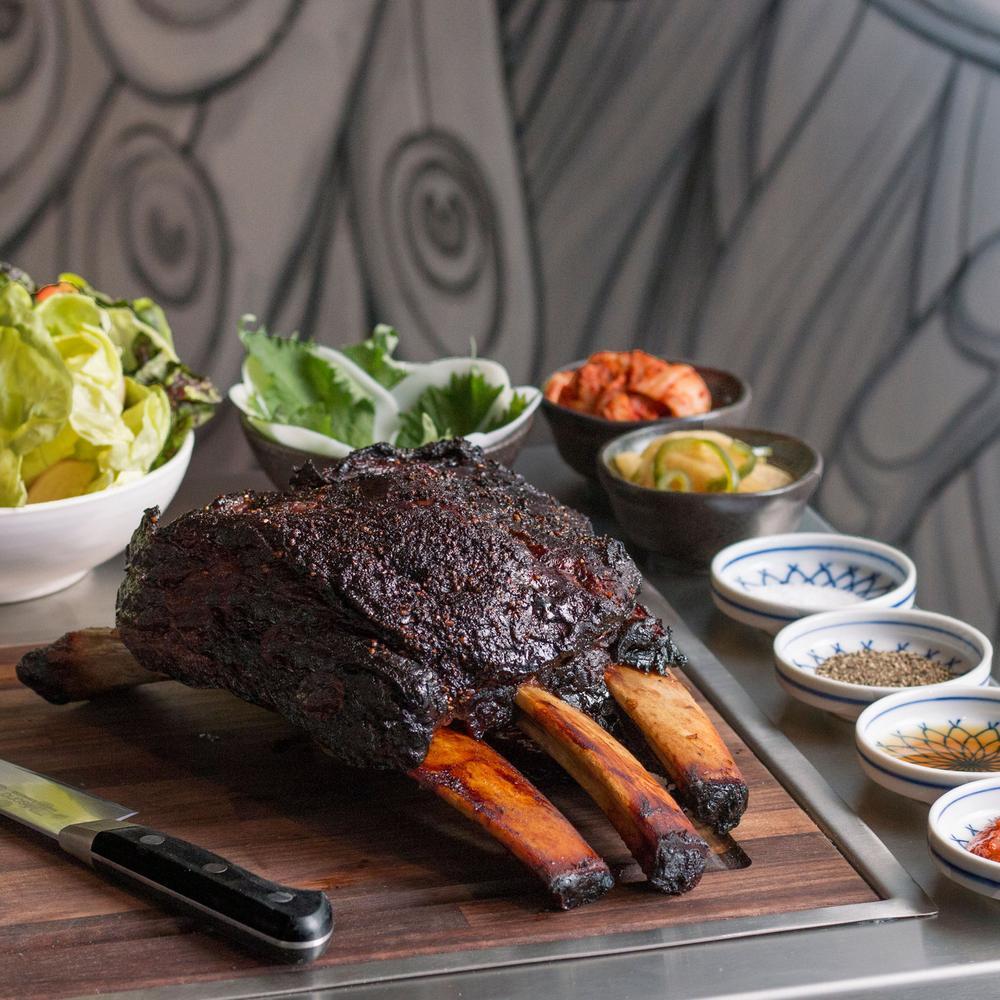
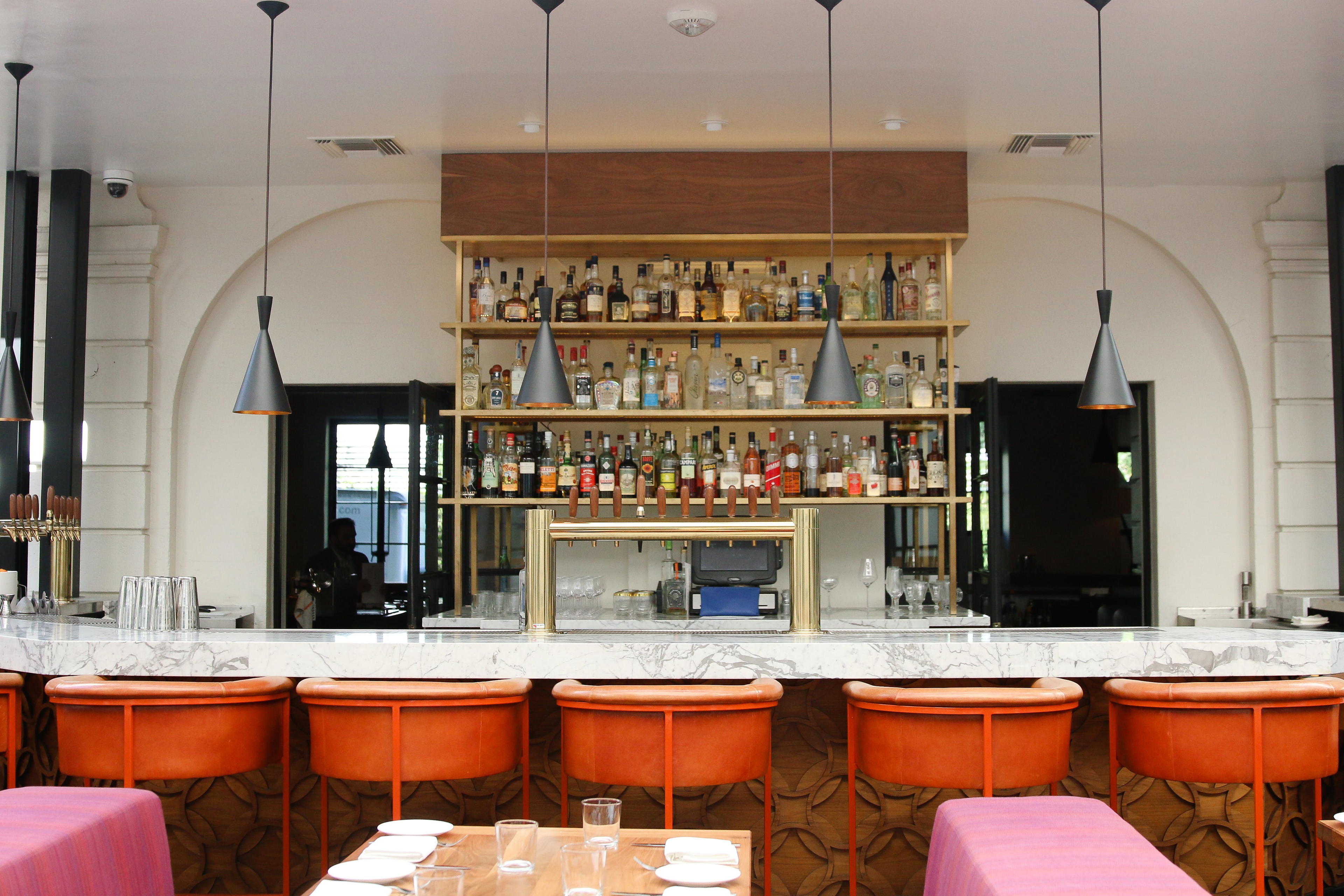
Bars in Pasadena
Browse all →

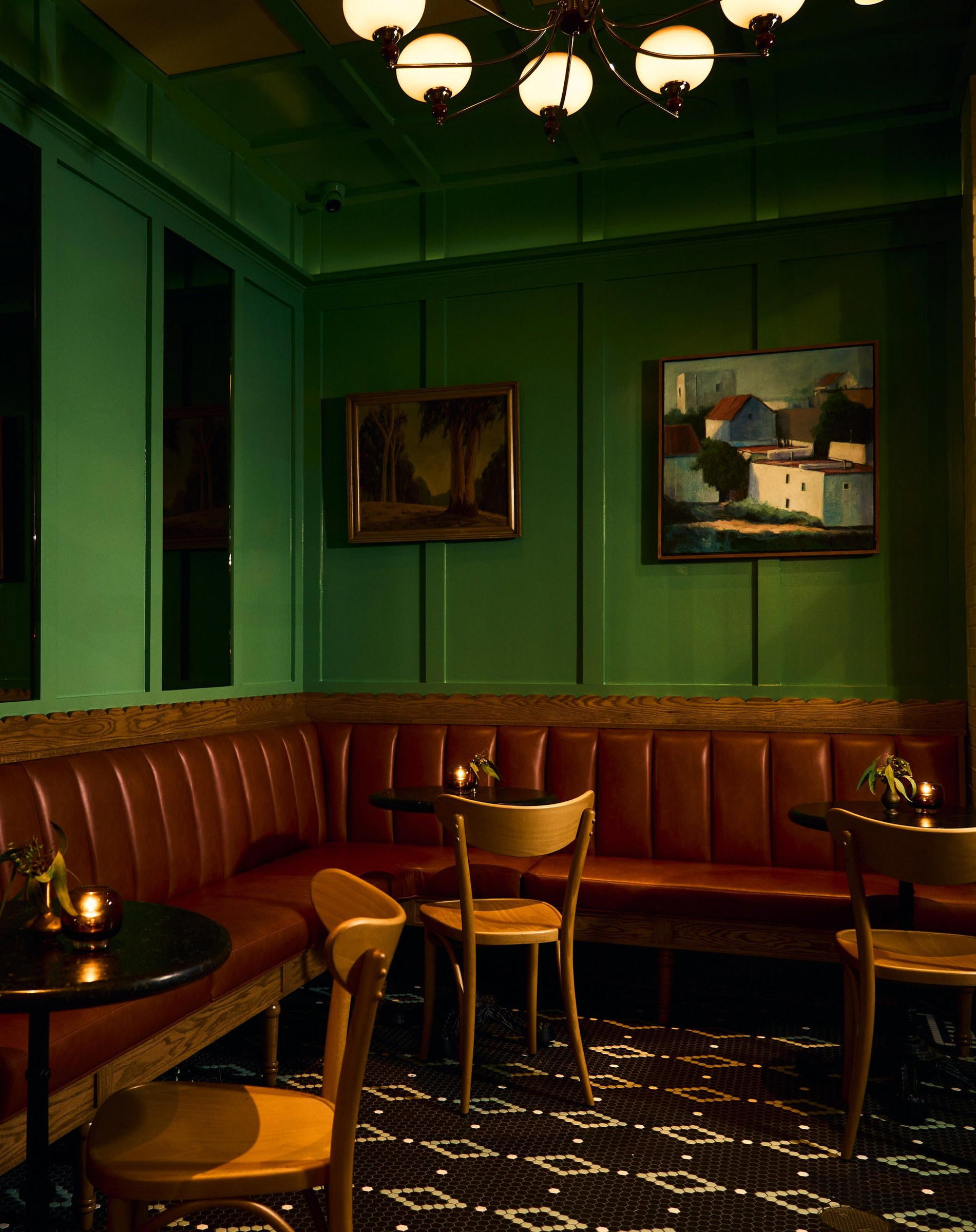
Hotels in Pasadena
Browse all →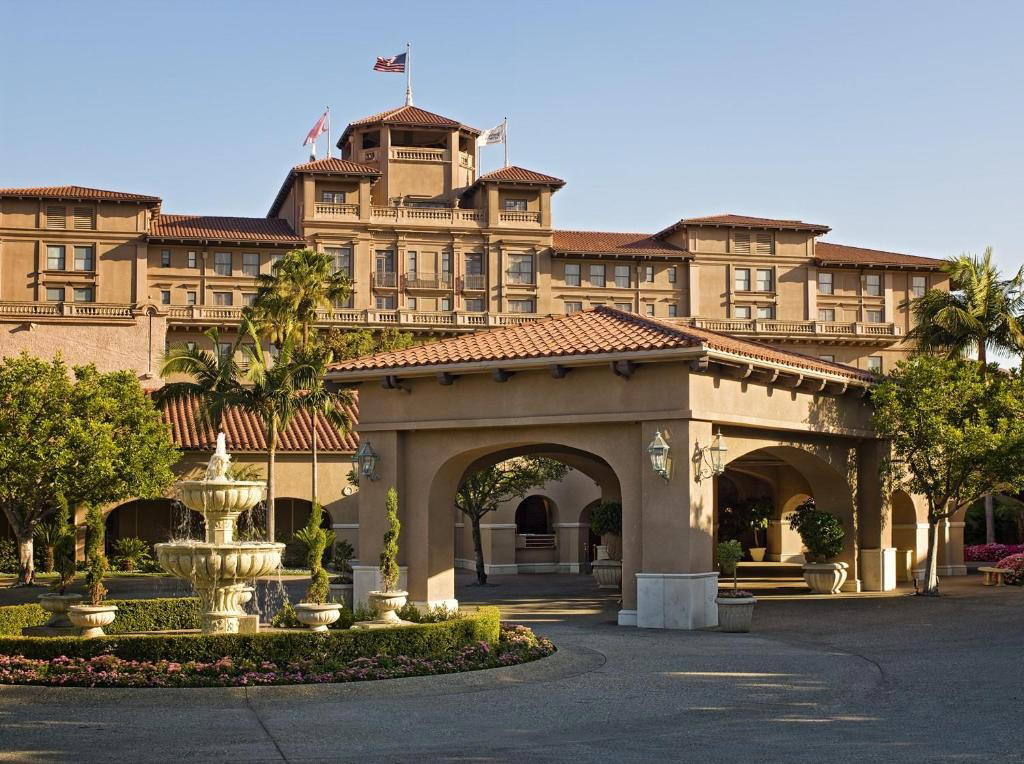

Wineries in Pasadena
Browse all →
At a Glance
- Cozy
- Casual
- Casual Hangout
- Date Night
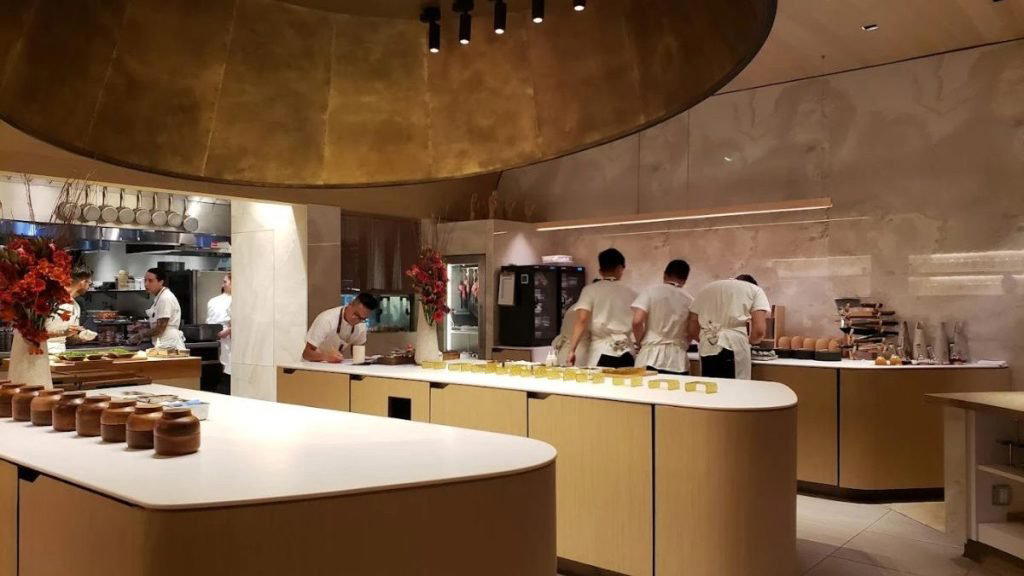
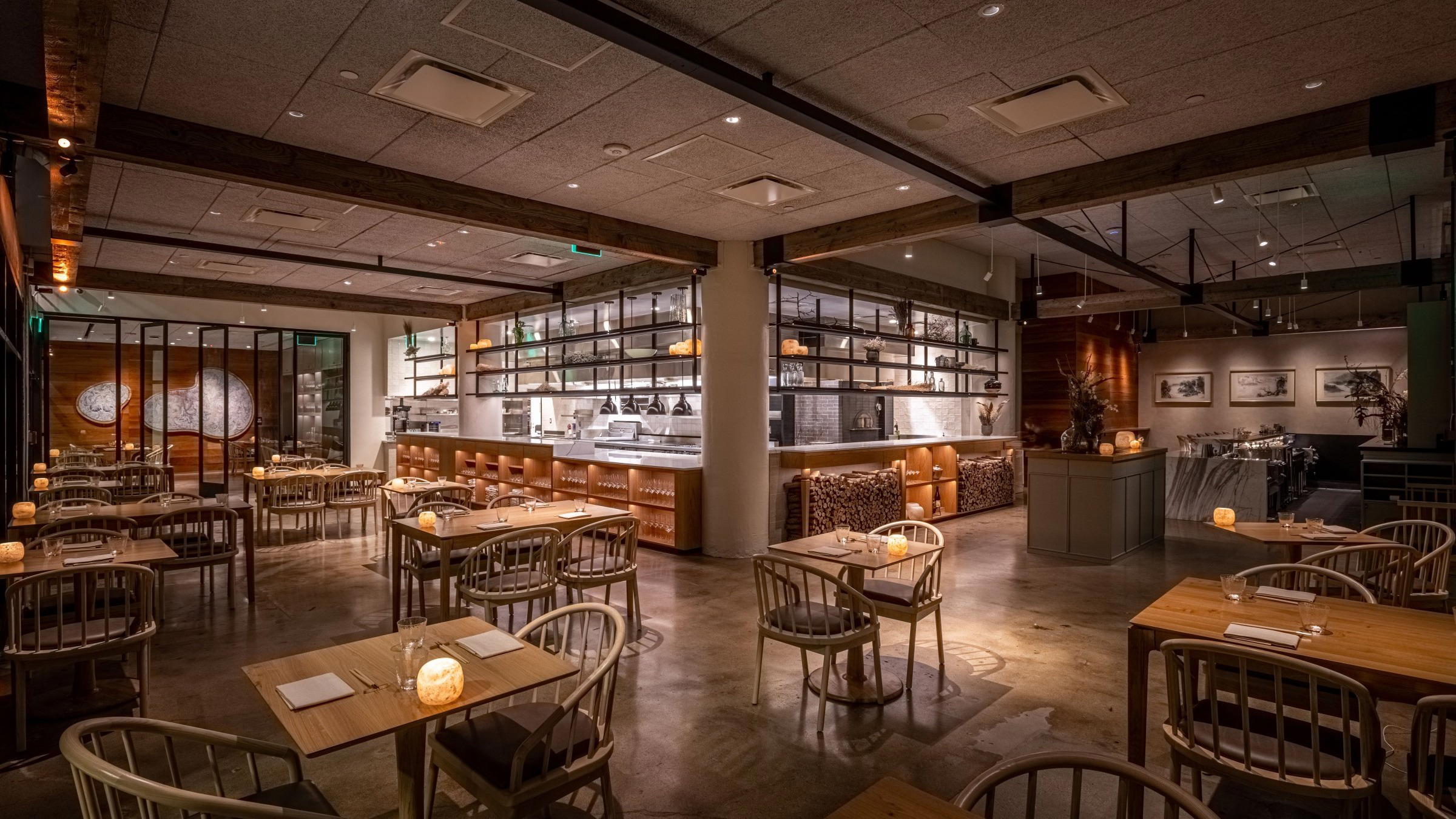
- Open Kitchen
- Sake Program
Current opening hours
- Monday
- 11:30 AM–2 PM, 5–8:30 PM
- Tuesday
- 11:30 AM–2 PM, 5–8:30 PM
- Wednesday
- 11:30 AM–2 PM, 5–8:30 PM
- Thursday
- 11:30 AM–2 PM, 5–8:30 PM
- Friday
- 11:30 AM–2 PM, 5–9 PM
- Saturday
- 5–9 PM
- Sunday
- Closed
Hours can change for holidays and private events. Last verified .
Woodsy and cozy neighborhood sushi spot with an unpretentious, laid-back atmosphere.