Our verdict
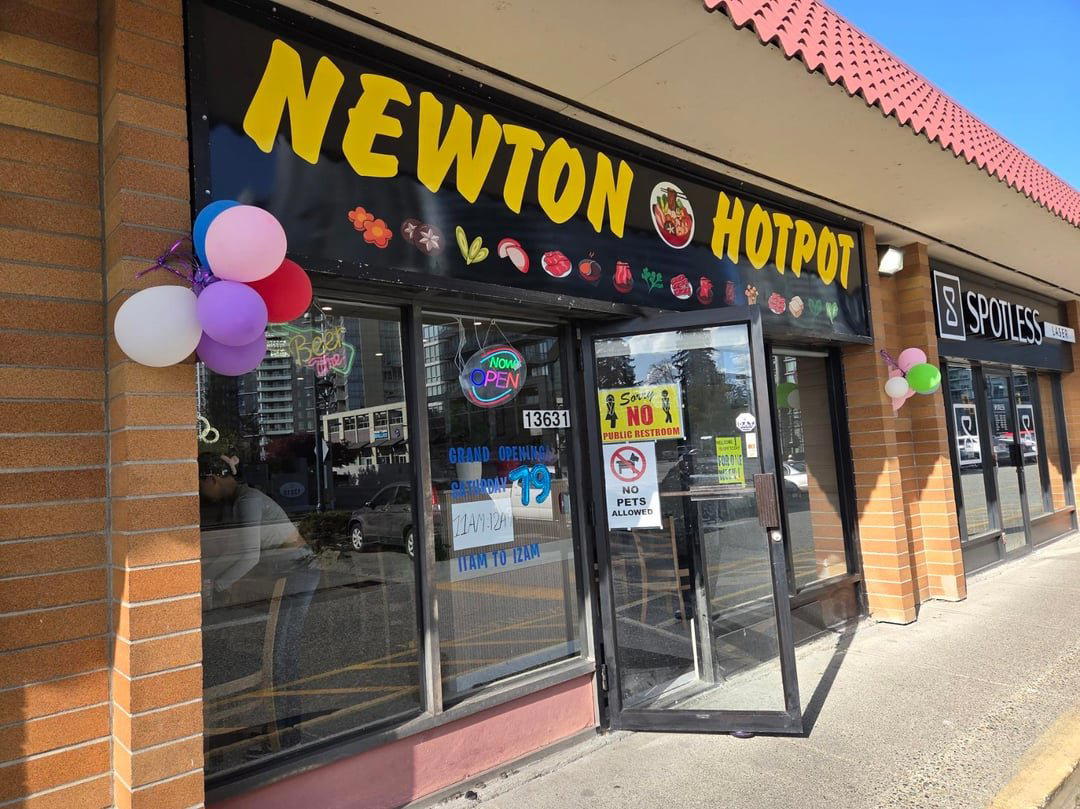
Newton Hotpot sits on 100 Ave in Surrey's Newton neighbourhood, placing it inside the Lower Mainland's growing Chinese hot pot corridor. Surrey's dining scene has expanded well beyond its suburban origins, and the hot pot format here connects to a communal cooking tradition with deep roots across Sichuan, Mongolian, and Cantonese regional cuisines. For an introduction to that tradition in South Surrey, this address is worth marking.
- Address
- 13631 100 Ave, Surrey, BC V3T 1H9, Canada
- Phone
- (604) 606-4278
- Website
- newtonhotpot.ca
- Directions
- Get directions
The menu
What to order
- House Special (Sate)
- Kimchi Hotpot
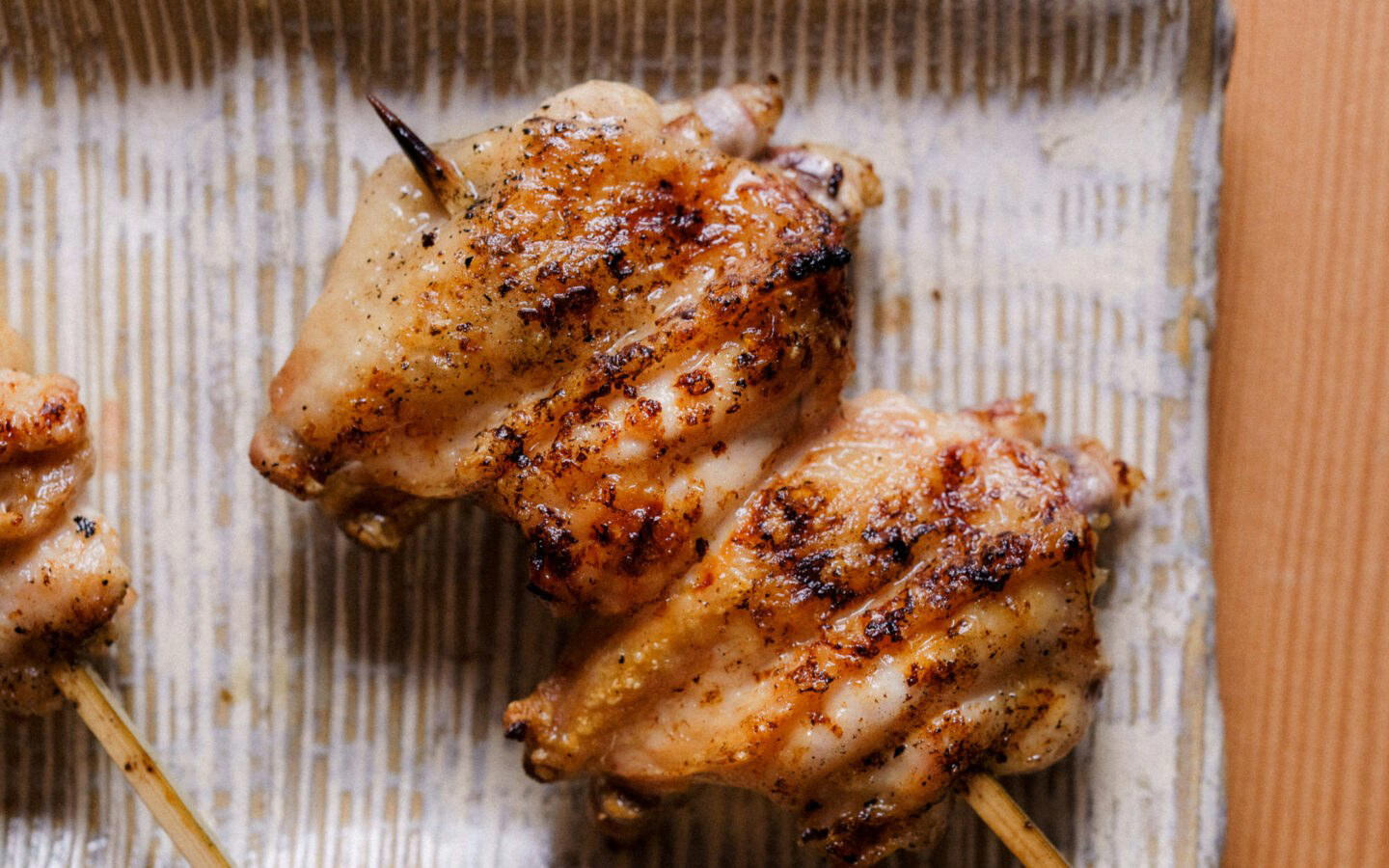
- Chicken Wings
Hot Pot in Surrey: A Communal Tradition Takes Root in the Lower Mainland
The hot pot format is one of the most socially structured dining rituals in Chinese culinary culture. Unlike tasting-menu restaurants where the kitchen controls pace and sequence, hot pot places the cooking process at the table, distributing authority over timing, doneness, and combination to the diners themselves. In cities across Canada with significant Chinese diaspora populations, from Richmond to Markham to Brossard, this format has evolved from community staple into a recognised dining category with its own sub-genres: Sichuan mala broth, Cantonese clear stock, Mongolian-style preparation, and the increasingly popular split-pot configuration that lets a table run two broth styles simultaneously. Newton Hotpot, at 13631 100 Ave in Surrey's Newton district, occupies this broader scene at the neighbourhood level, serving a part of the Lower Mainland that has built a genuine dining identity over the past decade.
The Newton Neighbourhood and Surrey's Shifting Dining Map
Surrey is no longer a satellite of Vancouver's restaurant culture. The city's population growth, particularly in communities connected to South Asian, East Asian, and Southeast Asian backgrounds, has produced a dining corridor that increasingly functions on its own terms. Newton sits roughly in the geographic centre of Surrey, and 100 Ave has developed as a working commercial strip with a range of independent operators. Hot pot in this context is not a novelty import but a neighbourhood anchor, the kind of restaurant that serves regulars on weekday evenings and larger family groups on weekends. That dynamic is distinct from the premium hot pot restaurants that have emerged in Richmond and downtown Vancouver, where broth quality, imported ingredients, and theatrical tableside service position the format as a special-occasion proposition. At the neighbourhood level, hot pot serves a different function: it is one of the most efficient formats for feeding a group, and its communal structure makes it well-suited to the extended family dining patterns common across the communities Newton serves.
For readers mapping Surrey's restaurant scene more broadly, the city supports a range of formats and cuisines. Haveli Bistro represents the South Asian dining presence that is central to Newton's identity. KINTON RAMEN SURREY anchors the Japanese noodle category, another communal-adjacent format with a devoted following. Old Surrey Restaurant and Skye Avenue cover different parts of the city's more formal dining register. Duffey's Sports Grill at Northview GCC serves the city's recreational and golf corridor. Newton Hotpot's position in this set is specific: it belongs to a community-facing, cuisine-specific category rather than the broader casual-to-fine spectrum. See our full Surrey restaurants guide for a complete map of the city's dining options.
The Cultural Architecture of Hot Pot
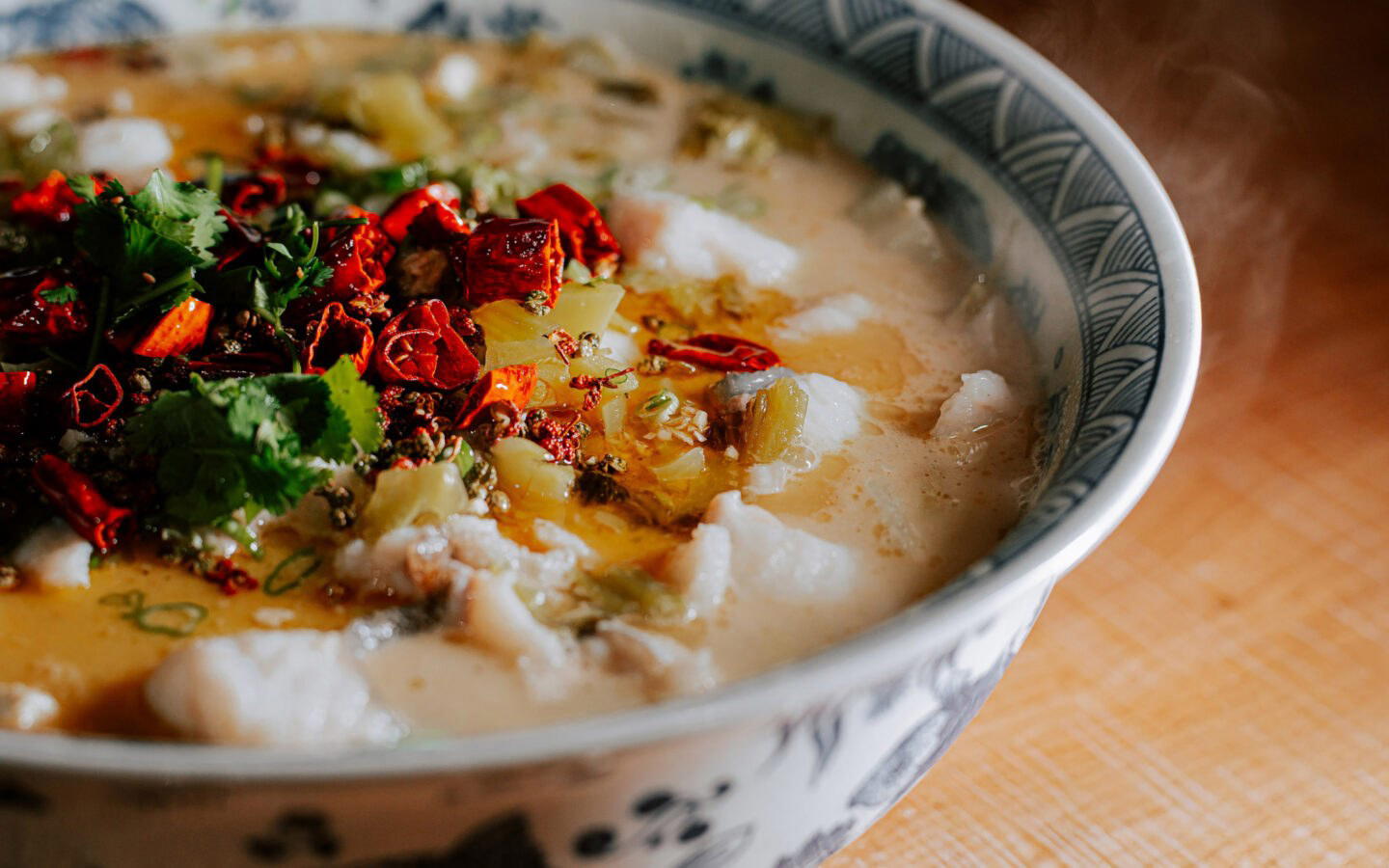
Hot pot's significance in Chinese dining culture runs deeper than the format itself. In Sichuan cooking, the mala broth, built from dried chilies, Sichuan peppercorns, and a fat base rendered from beef tallow or vegetable oil, represents a specific regional flavour logic where numbness (ma) and heat (la) are understood as complementary rather than competing sensations. The Sichuan peppercorn's anaesthetic quality modulates the chili's intensity, producing a palate state that experienced diners seek out deliberately. This is not simply spicy food; it is a studied application of two distinct physiological effects. Clear or lightly seasoned broths, by contrast, come from Cantonese and northern Chinese traditions where the broth functions as a neutral medium that allows ingredient quality to register directly. Premium hot pot restaurants in Vancouver and Richmond invest significantly in this broth logic, sourcing Angus beef cuts, live seafood, and handmade products to justify higher price points.
The dipping sauce station is another dimension of hot pot's cultural specificity. In northern Chinese and Mongolian-influenced formats, sesame paste-based sauces with fermented tofu, chive flower, and dried shrimp amplify the broth's effect rather than counteract it. In Cantonese formats, simpler soy-and-sesame combinations are more common. The autonomy the format gives diners over their sauce construction is part of its social architecture: negotiating dipping combinations across a table is a form of shared decision-making that drives the meal's conversation as much as any formal toast.
Canadian Hot Pot in Context
Canada's hot pot scene has expanded considerably over the past decade, tracking the growth of Chinese restaurant culture beyond its traditional urban centres. In Vancouver and the Lower Mainland, Richmond remains the established hub for premium Chinese dining, with hot pot operators there competing on imported ingredients, proprietary broths, and service formats modelled on high-end chains from Chengdu and Shanghai. The question for neighbourhood-level hot pot in Surrey is not whether it replicates that premium tier, but whether it serves its immediate community effectively within its own price and format context. That framing matters because it reflects how most diners in Newton actually use these restaurants: not as destinations for comparison against fine-dining benchmarks, but as reliable options for group meals where the format does the work. Canadian fine dining at the citation tier, from Alo in Toronto to Tanière³ in Quebec City, operates in a different register entirely. Internationally, reference points like Le Bernardin in New York City or Atomix in New York City establish what the premium end of a cuisine category looks like when it reaches its most technically disciplined form. Hot pot's neighbourhood tier is not competing with those benchmarks; it is serving a different but equally valid function in a city's dining ecosystem.
Planning a Visit
Newton Hotpot is located at 13631 100 Ave, Surrey, BC, in a commercial corridor that is most easily reached by car or transit from central Surrey. The Newton area is accessible from the Scott Road and King George SkyTrain stations, with bus connections along 100 Ave. For a format that encourages long, unhurried meals, arriving with a group of four or more makes the most practical sense: hot pot's economics and its social format both improve with larger tables. Current hours, booking availability, and specific menu information are best confirmed directly with the restaurant before visiting, as these details can shift seasonally or with operational changes. Surrey's dining traffic tends to peak on Friday and Saturday evenings, so mid-week visits generally allow for a more relaxed experience across most neighbourhood restaurants in the city.
Frequently asked questions
What's the address for Newton Hotpot?
Newton Hotpot is located at 13631 100 Ave, Surrey, BC V3T 1H9, Canada, Surrey.
Is Newton Hotpot in Surrey suitable for large group dinners?
Hot pot is one of the few restaurant formats specifically engineered for groups — the shared pot, tableside cooking, and open ingredient ordering scale naturally to six or more diners. Newton Hotpot's address at 13631 100 Ave places it in a Surrey commercial corridor with accessible parking, which matters for larger parties arriving from across the Lower Mainland. For parties of eight or more, contacting the restaurant in advance to confirm table configuration is advisable.
What should I order at Newton Hotpot?
Hot pot dining is structured around broth selection and raw ingredient combinations, so the broth choice anchors the whole meal. At venues rooted in Chinese hot pot tradition, the split pot option — one mala Sichuan side and one mild or bone broth side — is a practical starting point for groups with mixed spice tolerance. Protein and vegetable picks follow from there, cooked tableside at your own pace.
Do they take walk-ins at Newton Hotpot?
Newton Hotpot is located in a commercial corridor on 100 Ave in Surrey's Newton neighbourhood, an area that draws steady local traffic. Hot pot restaurants at this scale generally accommodate walk-ins, though weekend evenings at group-format venues can fill quickly. Calling ahead or arriving early in the dinner window is the lower-risk approach until booking policy details are confirmed.
What's the defining dish or idea at Newton Hotpot?
The defining idea is the shared pot itself: a format where the table, not the kitchen, controls the pacing of the meal. Surrey's Newton neighbourhood has a growing base of Chinese and Chinese-Canadian residents, and hot pot's communal structure fits that dining culture directly. The ritual of selecting ingredients, adjusting the broth, and cooking through a meal together over two-plus hours is the experience, not a single dish.
A Pricing-First Comparison
| Venue | Cuisine | Price |
|---|---|---|
| Newton HotpotThis venue — the venue you are viewing | Authentic Asian Hotpot | Not listed |
| Duffey's Sports Grill at Northview GCC | Canadian Grill & Pub | $20–30 |
| Haveli Bistro | North Indian Bistro | $20–30 |
| Old Surrey Restaurant | Classic French Fine Dining | $50–100 |
| KINTON RAMEN SURREY | Authentic Japanese Ramen | $10–20 |
| Skye Avenue | Modern Canadian Fusion with European and Asian Influences | $30–50 |



Details
- Lively
- Cozy
- Group Dining
- Casual Hangout
- Family
- A La Carte
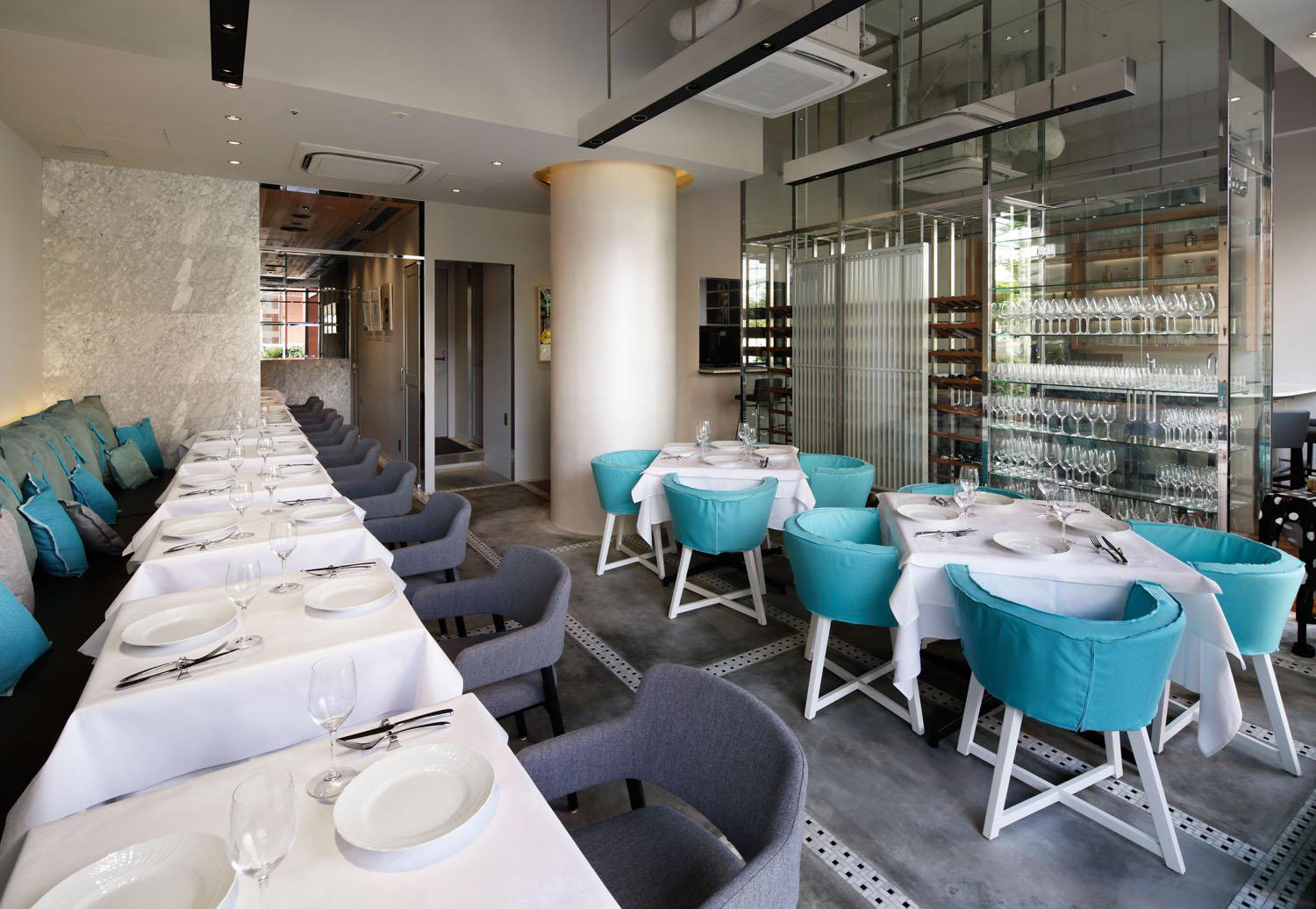
Warm and inviting atmosphere with friendly service.