New World
Our verdict
New World sits on 11 Listopada in central Bielsko-Biała, a city that punches quietly above its weight in Poland's mid-tier dining conversation. The address places it in a neighbourhood where independent restaurants have built a sustained local following away from the country's major culinary centres. For visitors working through Poland's secondary cities, it represents a natural stop on a route that spans from Kraków to the Silesian foothills.

Pearl is the En Primeur Club membership app, where members save venues, book tables and use the concierge.
The menu
What to order
- Pierogi z kaczką
- Ośmiornica po prowansalsku
Bielsko-Biała's Dining Position in the Wider Polish Scene
Poland's restaurant conversation tends to cluster around Warsaw, Kraków, and Gdańsk, where investment in fine dining has produced venues like Bottiglieria 1881 in Kraków and Arco by Paco Pérez in Gdańsk. But the country's secondary cities have developed their own dining identities, typically built around a smaller number of independent operators who hold a local audience without competing for national press cycles. Bielsko-Biała belongs to that second tier, positioned in Silesia near the Czech border, with a regional character that draws on Central European cooking traditions rather than the more internationally inflected menus of Warsaw's leading addresses.
That context matters when assessing any Bielsko-Biała restaurant. The competitive set here is not Muga in Poznań or hub.praga in Warsaw. It is the collection of neighbourhood-focused independents who have earned sustained local loyalty by sourcing regionally and cooking with specificity to place. New World, at 11 Listopada 25/23, operates within that framework.
The Address and What It Signals
Entering the 11 Listopada area of Bielsko-Biała, the architecture speaks to the city's Austro-Hungarian past, a streetscape of 19th-century facades that sets a particular register before you push through any door. Restaurants on this stretch tend to occupy the ground floors of older residential buildings, which imposes a certain intimacy on the room: lower ceilings, thicker walls, the ambient hush that comes from stone and plaster rather than glass and steel. The physical environment in this part of the city works against the kind of loud, open-plan dining formats common in newer urban developments, and independents here have generally adapted to that constraint by running smaller, more focused operations.
New World's address places it directly in this zone. The name itself, in a city whose identity is anchored in Central European tradition, creates a quiet tension worth noting: it signals either a deliberate pivot toward contemporary influences or an ironic embrace of the city's own history as a place shaped by successive waves of cultural change.
Ingredient Sourcing in Silesian Cooking: The Regional Logic
The Silesian kitchen has historically been built on proximity. The region sits at the intersection of Polish, Czech, and Germanic culinary traditions, and its larder has always reflected that geography: game from the Beskid mountains to the south, freshwater fish from the rivers threading through the lowlands, dairy from small producers in the foothills, and a vegetable culture shaped by a short growing season. Restaurants in this part of Poland that take sourcing seriously tend to work with a relatively tight radius, not because of ideology, but because the regional supply chain is genuinely capable of delivering quality ingredients.
This pattern is visible across Poland's better independent operators. At Giewont in Kościelisko, the mountain proximity shapes the menu directly. At Kwestia Czasu in Białystok and Cudne Manowce in Olsztyn, regional sourcing underpins menus that read as distinctly tied to their city's geography. For a restaurant operating in Bielsko-Biała, the Beskids offer a meaningful larder: foraged mushrooms, lamb, trout, and soft cheeses that do not travel well and therefore reward the restaurants willing to work with local producers directly.
For diners arriving in Bielsko-Biała from Warsaw or Kraków, the sourcing logic of a place like New World connects to a broader Polish trend: the migration of serious cooking attention away from the capital and toward cities where proximity to primary producers creates a different kind of menu discipline. Compare this to what Górnik in Krakow or Włoska Restauracja Bellanuna in Rzeszów represent in their respective cities: local anchors operating outside the headline venues but sustaining a specific culinary conversation.
Bielsko-Biała in Context: Where to Eat Around the City
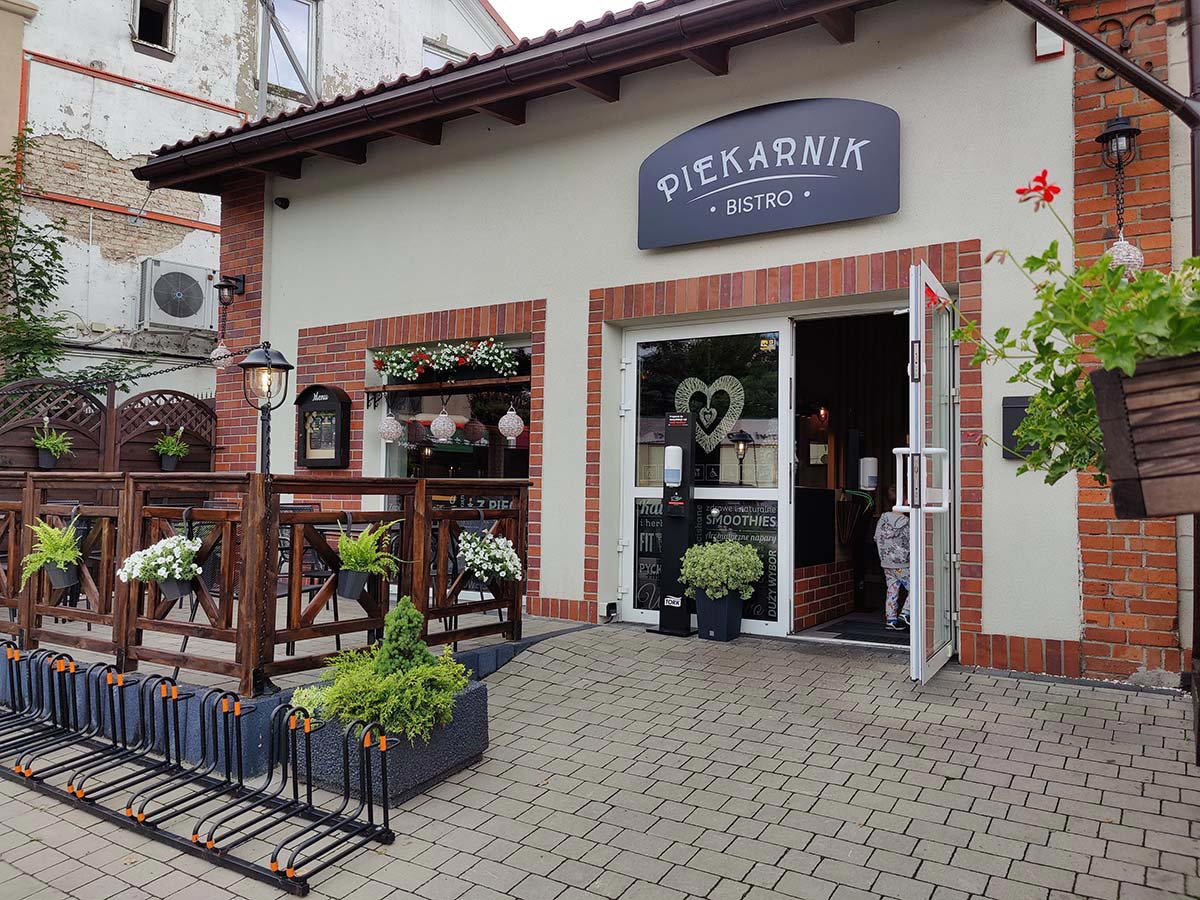
For visitors building an itinerary around Bielsko-Biała's dining options, the city rewards a degree of lateral thinking. The local restaurant scene is not structured around a single dominant neighbourhood or a cluster of headline-grabbing addresses. Instead, it distributes across the central streets, with independents like Bistro Piekarnik and ITAMAE SUSHI Japanese Restaurant representing the range of formats available. The latter is particularly notable: Japanese cooking in a Silesian city of this size signals the depth of demand for non-regional formats that has developed in Polish secondary cities over the past decade, a pattern visible also at Hashi Sushi in Gdańsk and Hattori Hanzo in Częstochowa.
New World at 11 Listopada sits within walking distance of Bielsko-Biała's main pedestrian routes, which makes it accessible for visitors staying in the city centre. The 43-300 postcode covers the historic core, and the 11 Listopada street runs through an area with good public transport connections from the main rail station. For a broader survey of what the city offers, the full Bielsko-Biała restaurants guide maps the range across formats and price points.
Planning a Visit
Given the general pattern of independent restaurants in Bielsko-Biała's central area, visiting earlier in the evening or contacting the venue directly at its 11 Listopada 25/23 address is the most reliable approach. Secondary city independents in Poland often operate tighter covers than their Warsaw or Kraków counterparts, which can make walk-in availability unpredictable at peak times, particularly on Friday and Saturday evenings. The city is served by Bielsko-Biała rail connections from Kraków (roughly 1.5 hours) and Katowice (under an hour), making it a feasible day-trip destination from either city for those combining multiple stops.
For reference on the range of price points and formats available in Poland more broadly, venues like "MaQAron Spaghetteria" in Bydgoszcz and Kuchnia Manhattan in Gorzów Wielkopolski illustrate how secondary Polish cities have built mid-market dining around both local and international formats. At the other end of the ambition spectrum, Le Bernardin in New York City and Atomix in New York City represent the international benchmark that Poland's most serious kitchens increasingly reference, even at a considerable remove from that competitive tier.
Frequently asked questions
Where is New World located?
New World is located at 11 Listopada 25/23, 43-300 Bielsko-Biała, Poland, Bielsko Bia A.
Is New World a good option for visitors exploring the Beskid foothills or the Czech border region?
Bielsko-Biała sits at the gateway to the Beskid mountains and within easy reach of the Czech border, giving restaurants in the city access to a regional supply chain that larger urban centres lack. New World's address on 11 Listopada places it in the historic city centre, making it a practical base for visitors using Bielsko-Biała as a staging point for the wider Silesian and Beskid area. The city is underrepresented in Poland's mainstream dining conversation, which tends to focus on Warsaw and Kraków, so independent venues here often operate closer to local rhythms than tourist-facing formats.
What dish is New World famous for?
No confirmed signature dish is documented for New World at this time. The restaurant sits in Bielsko-Biała, a city whose culinary identity draws on Polish, Czech, and Germanic traditions, so expect the menu to reflect Silesian regional logic rather than a single flagship plate.
Can I walk in to New World?
Walk-in availability can change for New World at 11 Listopada 25/23, Bielsko-Biała. Independent city-centre restaurants in Polish towns of this size typically operate with limited covers, and demand on weekends can outpace available tables. Contacting the venue in advance is the practical approach until booking details are publicly listed. Check the venue's official channels for the latest details.
Fast Comparison
Comparable venues nearby, for context on price, style, and recognition.
| Venue | Cuisine | Price | Awards | Notes |
|---|---|---|---|---|
| New WorldThis venue (the venue you are viewing) | Modern European with Polish influences | $30–50 | Not listed | Not listed |
| Dworek New Restaurant | Modern Polish | Not listed | Michelin Plate · Star Wine List | Bielsko-Biała |
| Bistro Piekarnik | Polish Bistro | Not listed | Not listed | Bielsko-Biala |
| ITAMAE SUSHI Japanese Restaurant | Japanese Sushi Izakaya | Not listed | Not listed | Plac Wolności |
| KLAR kawa i wino | Specialty Coffee & Wine Bar | $1–10 | Not listed | center Gliwice |
| Bufet | Modern Polish Brasserie | Not listed | Not listed | Kazimierz |
Continue exploring
More in Bielsko-Biała
Restaurants in Bielsko-Biała
All restaurants in Bielsko-Biała →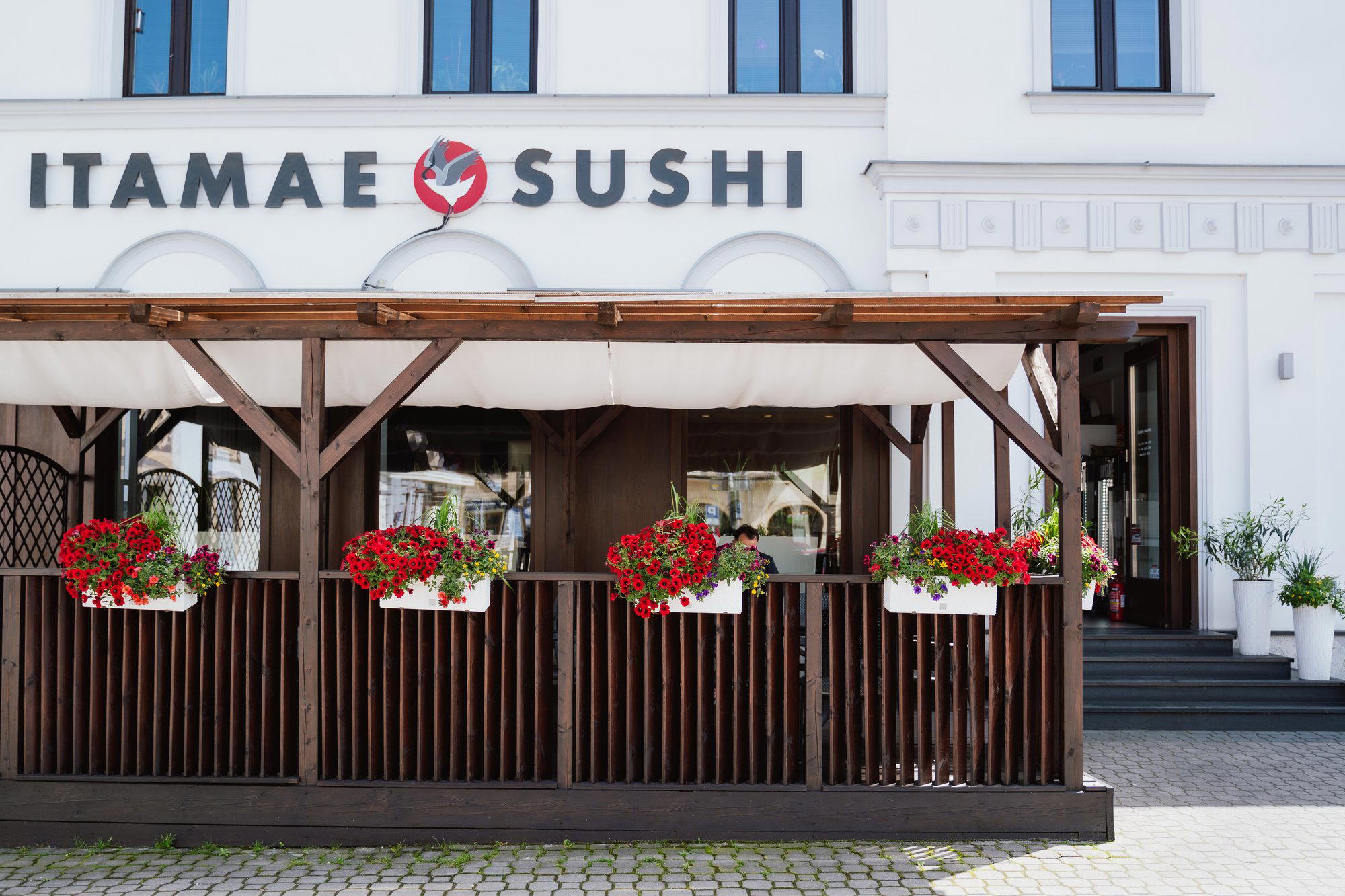
Bars in Bielsko-Biała
Browse all →
Hotels in Bielsko-Biała
Browse all →
Details
- Elegant
- Modern
- Cozy
- Date Night
- Special Occasion
- Standalone
- Extensive Wine List
- A La Carte
- Vegetarian Friendly
- Vegan Options
- Gluten Free Options
Current opening hours
- Monday
- 11 AM–10 PM
- Tuesday
- 11 AM–10 PM
- Wednesday
- 11 AM–10 PM
- Thursday
- 11 AM–10 PM
- Friday
- 11 AM–10 PM
- Saturday
- 11 AM–10 PM
- Sunday
- 12–6 PM
Hours can change for holidays and private events. Hours as of .
Elegant ambiance with cozy and Instagrammable interior design.