


1 Michelin Star · Star Wine List · Wine Spectator Award of Excellence
Our verdict
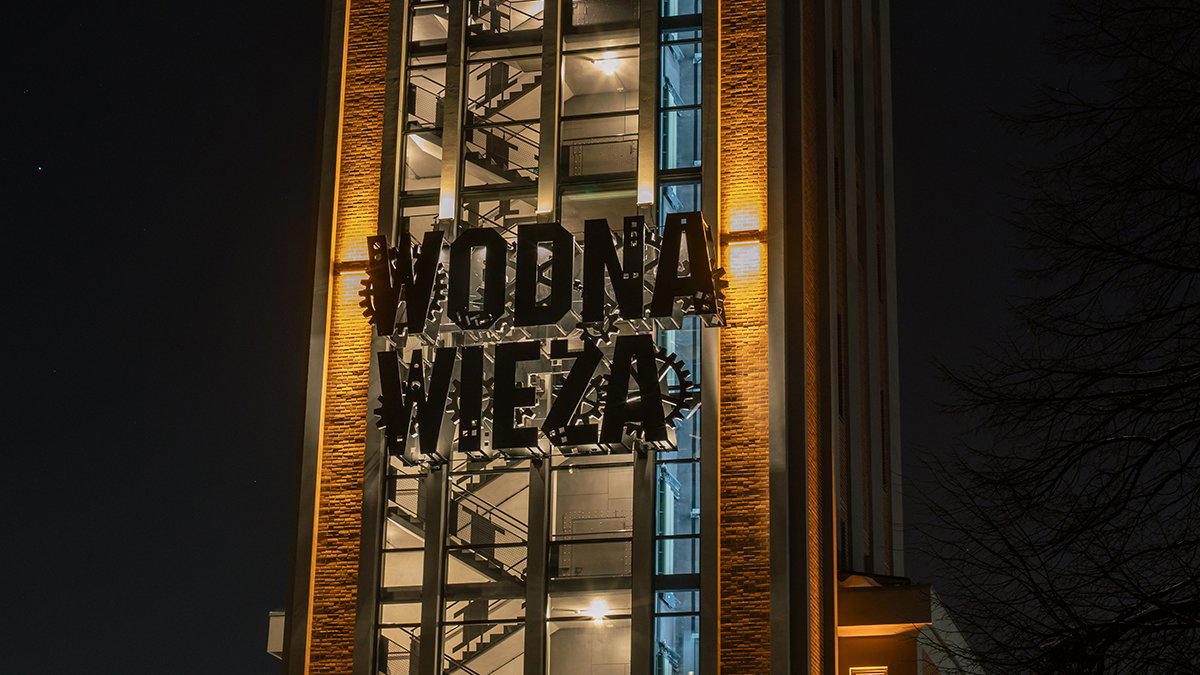
Steampunk occupies a converted 19th-century water tower in Pszczyna, Silesia, making it one of Poland's more architecturally distinctive dining addresses. The restaurant returned in 2024 after a multi-year closure, previously operating as Wodna Wieża. For travellers passing through Upper Silesia, it represents a serious reason to stop in a town better known for its baroque palace than its restaurant scene.

Pearl is the En Primeur Club membership app, where members save venues, book tables and use the concierge.
A Water Tower Repurposed for the Table
Pszczyna is a Silesian market town that most travellers encounter on the way to somewhere else. Its baroque palace draws day-trippers from Katowice and Bielsko-Biała, its compact old town holds a weekend market, and its restaurant scene has historically punched below its architectural weight. That calculus shifted when a 19th-century water tower on Jana Kilińskiego was converted into a dining venue, first under the name Wodna Wieża, and then, following a multi-year closure, reopened in 2024 as Steampunk. The building itself sets the terms of the experience before a single plate arrives: industrial brick, the vertical drama of a tower interior, and the kind of repurposed infrastructure that Poland's smaller cities rarely get to claim as a dining backdrop.
Across Central Europe, the conversion of former civic infrastructure into restaurants has become one of the more reliable indicators of a maturing regional food scene. What distinguishes Pszczyna's version is the specificity of the structure. A water tower is not a warehouse or a factory floor; its spatial logic is vertical and circular, which means the architectural experience of eating here differs from the flat industrial loft format that has become ubiquitous in Warsaw and Wrocław. The geometry shapes the room, and the room shapes the meal.
Silesia at the Table: What the Region Brings
Upper Silesia carries one of the more complex food identities in Poland. The region absorbed German, Czech, and Polish culinary influences over centuries of shifting borders, producing a larder that runs from dark rye breads and smoked meats to freshwater fish from the Vistula tributaries and root vegetables that arrive late in the season and last well into winter. Contemporary Silesian restaurants have spent the past decade working out how to treat that inheritance seriously, moving away from museum-piece folk cooking toward sourcing models that anchor modern technique to local producers.
That shift is most visible in how ingredient sourcing is framed. Where an earlier generation of Polish regional restaurants described provenance vaguely, the current cohort tends to be specific: named farms, named rivers, named foragers. The logic connects directly to what Steampunk's return represents. Pszczyna sits within reach of the agricultural belt south of Katowice, close enough to the Beskidy foothills that seasonal produce from smaller growers is a practical option rather than a premium conceit. A restaurant reopening after several years has the opportunity to rebuild its supply relationships from scratch, which is not always an opportunity but sometimes is.
For context on how this regional sourcing model compares across Poland, Giewont in Kościelisko operates in a similar register in the Tatra foothills, where proximity to mountain producers defines the plate. Further north, Muga in Poznań and Acquario in Wrocław represent how larger Polish cities have built sourcing-led menus at the €€€ price tier. Pszczyna, operating at a different scale entirely, belongs to a smaller category: the regional town restaurant that earns its standing not through metropolitan density but through the quality of its local supply lines and the seriousness with which it treats them.
The 2024 Return and What It Signals
Steampunk's reopening in 2024 is the kind of event that registers differently depending on your frame of reference. For Pszczyna regulars who remember Wodna Wieża, it reads as a restoration of something that had been missed. For the broader Polish dining circuit, it adds a genuinely unusual address to a regional map that has thinned out considerably outside the major cities. Poland's food press has increasingly covered the Silesian corridor, Katowice has developed a recognisable restaurant scene of its own, and Pszczyna's proximity to that city means Steampunk can draw from a wider audience than its population alone would suggest.
The return after a multi-year absence also invites a particular kind of scrutiny. Restaurants that reopen carry an implicit promise of renewal rather than mere continuity. The original Wodna Wieża established the location and the concept; Steampunk, under its revised identity, has the harder task of justifying why the version available now is worth the visit. The architectural asset remains constant. What changes is everything built around it: the sourcing relationships, the kitchen approach, the front-of-house register.
For a sense of how other serious Polish restaurants are framing that challenge right now, Bottiglieria 1881 in Kraków and Arco by Paco Pérez in Gdańsk sit at the high end of the national conversation. At the other end of the geographic spectrum, places like Luneta & Lorneta Bistro Club in Ciekocinko and Drukarnia Smaku Cristina in Zakopane demonstrate that destination dining in smaller Polish towns is a category with real momentum. Steampunk fits that pattern: a venue whose setting and ambition exceed what you would expect from its postcode.
Planning Your Visit
Pszczyna is accessible by train from Katowice in under an hour, and the water tower on Jana Kilińskiego is within walking distance of the town's central square and palace grounds, making it a natural anchor for a day trip that combines architecture and a proper meal. Given that the restaurant only reopened in 2024 and has no publicly listed booking platform at this time, contacting the venue directly or checking current availability through local platforms before arriving is the sensible approach. The building's distinctive footprint means it is easy to locate without prior knowledge of the address. For broader planning in the town, our full Pszczyna restaurants guide covers the wider dining picture, while our Pszczyna hotels guide, bars guide, wineries guide, and experiences guide provide the surrounding context.
Travellers arriving from further afield who want to map Steampunk against other Polish addresses worth the detour might also consider hub.praga in Warsaw, Biały Królik in Gdynia, Vinissimo in Sopot, and Nare Sushi in Skórzewo for a fuller picture of where the country's restaurant scene is moving. For international benchmarks of repurposed-space dining done at the highest level, Le Bernardin in New York City and Emeril's in New Orleans occupy different tiers entirely but illustrate how architecture and culinary ambition can reinforce one another when the match is right.
Frequently asked questions
Is Steampunk okay with children?
No specific family policy is documented for Steampunk. The setting, a converted water tower on Jana Kilińskiego in Pszczyna, is architecturally distinctive enough that older children with an interest in the space will likely find it engaging. check the venue's official channels to confirm any arrangements before visiting with young children.
What's the overall feel of Steampunk?
The restaurant occupies Pszczyna's old water tower, a circular industrial structure that shapes the atmosphere before any food arrives. The 2024 reopening, following several years of closure under its previous identity as Wodna Wieża, suggests a deliberate repositioning rather than a simple revival. Expect a setting that leans into the building's engineering heritage.
What's Steampunk known for in terms of accolades?
Steampunk has received recognition including: Steampunk is a restaurant located in the old water tower in the town of Pszczyna, in Silesia. It made its return in 2024 after several years of not operating; previously known as Wodna Wieża (“water t....
What's the must-try dish at Steampunk?
Upper Silesian cooking draws on German, Czech, and Polish traditions, so the kitchen likely works within that regional frame. Check the venue's current offerings directly, as the menu appears to have been reworked alongside the reopening.
What's the address for Steampunk?
Steampunk is located at Jana Kilińskiego 5, 43-200 Pszczyna, Poland, Pszczyna.
Do they take walk-ins at Steampunk?
Given that the water tower format constrains seating capacity, a reservation is the practical approach, particularly on weekends when Pszczyna draws visitors from Katowice, less than an hour away by train.
Comparison Snapshot
Comparable venues nearby, for context on price, style, and recognition.
| Venue | Cuisine | Price | Awards | Notes |
|---|---|---|---|---|
| SteampunkThis venue (the venue you are viewing) | Modern Fusion Fine Dining | $50–100 | 1 Michelin Star · Star Wine List | Not listed |
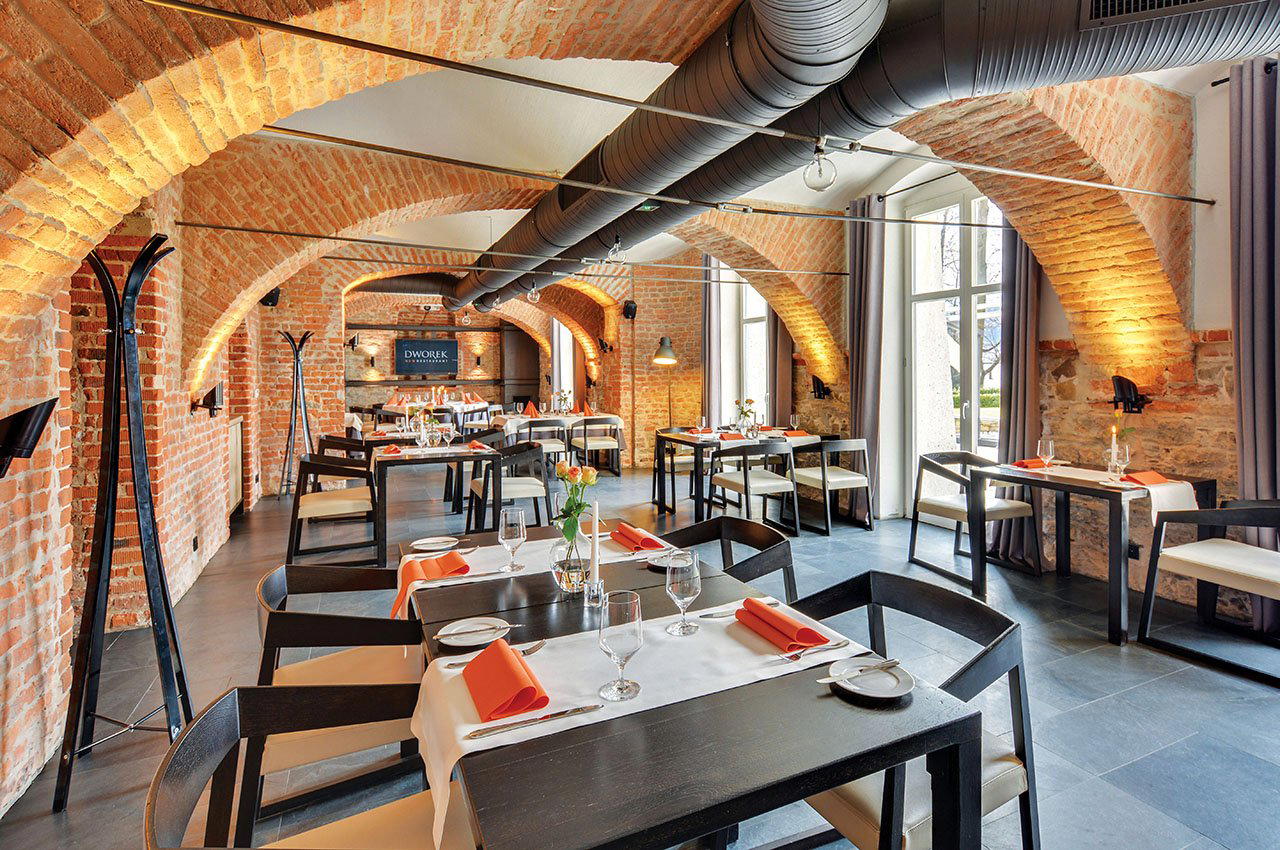
| Dworek New Restaurant | Modern Polish | Not listed | Michelin Plate · Star Wine List | Bielsko-Biała |
| Ukryte Rzeki | Polish Italian Fusion | $30–50 | Star Wine List | Ogrody Geyera |
| ŻYLETA BISTRO ŚNIADANIA / LUNCH SOSNOWIEC | Global Bistro Breakfasts & Lunches | Not listed | Not listed | Not listed |
| Drukarnia Smaku Cristina | Modern Polish with International Influences | $30–50 | La Liste Top Restaurants | Plac Niepodległości |
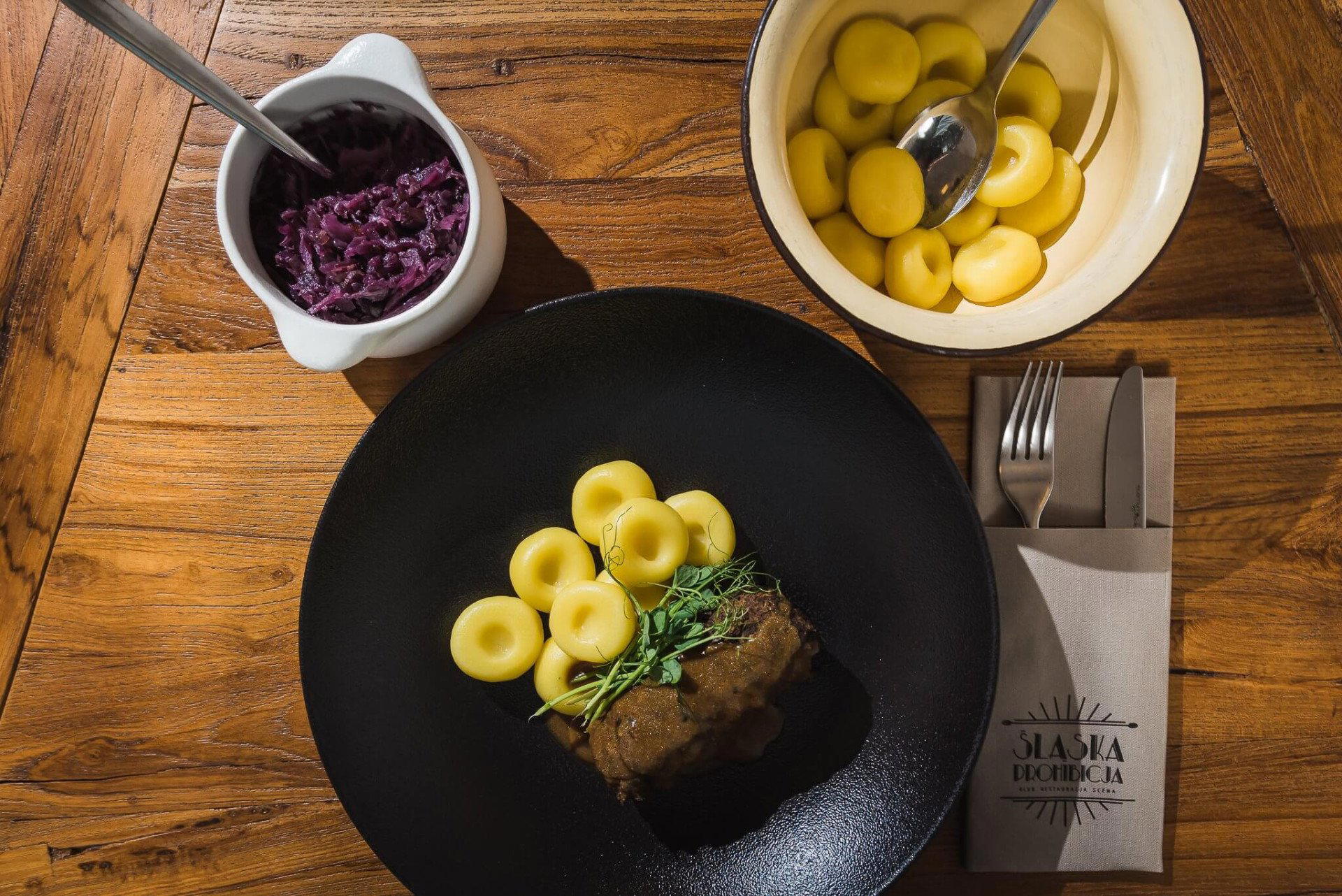
| Śląska Prohibicja | Modern Silesian | $20–30 | Michelin Plate · Star Wine List | Nikiszowiec |
Recognition history
Dated appearances from independent guides and award organizations, with the underlying list record or original source where available.
Michelin 1 Star
Michelin
Star Wine List
Star Wine List
Wine Spectator Award of Excellence
Wine Spectator
Continue exploring
More in Pszczyna
Restaurants in Pszczyna
All restaurants in Pszczyna →
Bars in Pszczyna
Browse all →
Hotels in Pszczyna
Browse all →
Steampunk
The wine
Steampunk holds the Wine Spectator Award of Excellence, which Wine Spectator gives to lists of usually 90 or more selections.
- Wine Spectator
- Wine Spectator Award of Excellence
- Extensive wine list
- Craft cocktails
Details
- Whimsical
- Elegant
- Industrial
- Sophisticated
- Intimate
- Date Night
- Special Occasion
- Historic Building
- Open Kitchen
- Extensive Wine List
- Craft Cocktails
- Local Sourcing
- Street Scene
- Tasting Menu
- A La Carte
- Vegetarian Friendly
- Gluten Free Options
Current opening hours
- Monday
- Closed
- Tuesday
- 1–10 PM
- Wednesday
- 1–10 PM
- Thursday
- 1–10 PM
- Friday
- 1–10 PM
- Saturday
- 1–10 PM
- Sunday
- 1–9 PM
Hours can change for holidays and private events. Hours as of .
Extravagant Victorian steampunk atmosphere with glass walls, metal and leather mechanisms, evoking adventure and elegance.