Natusch
Our verdict
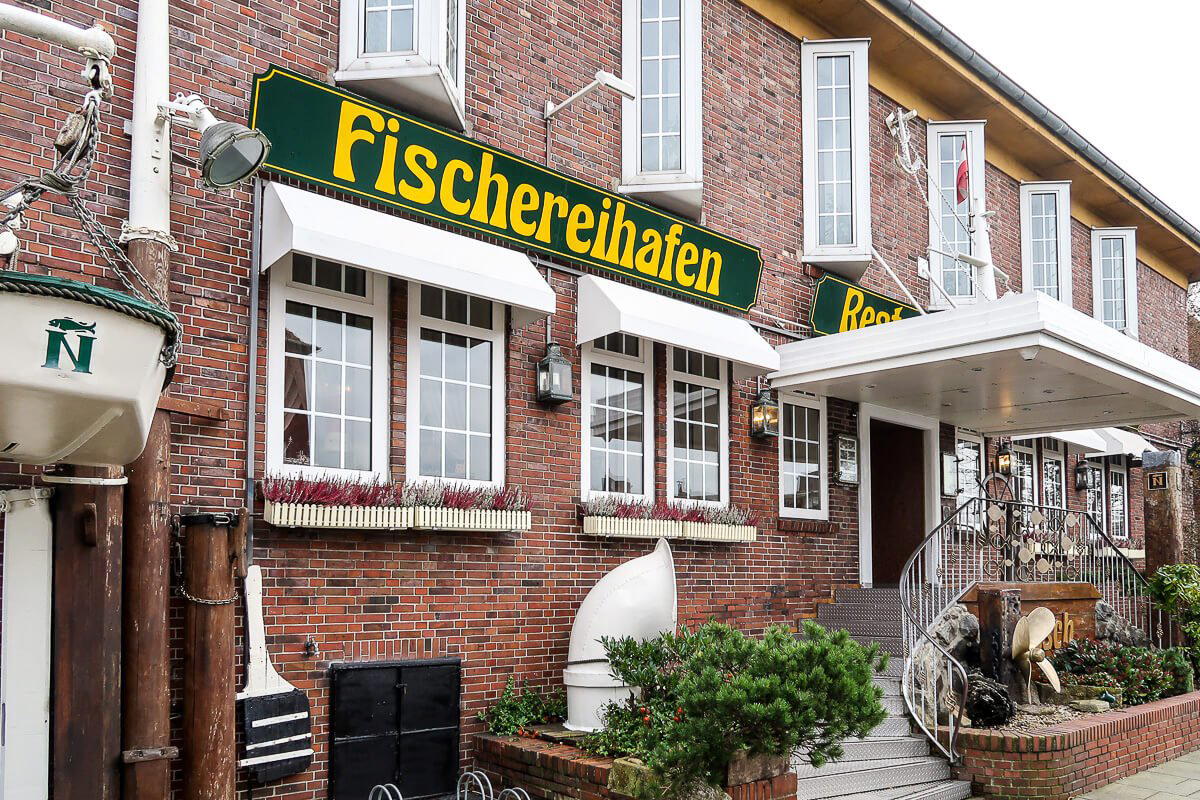
Natusch occupies a direct address on Bremerhaven's working fish quay at Am Fischbahnhof 1, placing it at the source of the city's defining ingredient. The menu follows the logic of the harbour: seafood caught along Germany's North Sea coast, structured through the kind of regional clarity that makes port-city cooking worth taking seriously. Among Bremerhaven's dining options, Natusch represents the straightforward case for eating fish where the boats still come in.

Pearl is the En Primeur Club membership app — saves, bookings, and concierge access live there. Same editors, same standards.
- Address
- Am Fischbahnhof 1, 27572 Bremerhaven, Germany
- Phone
- +494947171021
- Hours
- Mon 11:45 AM–3 PM, 5:30–9:30 PMTue ClosedWed–Thu 11:45 AM–3 PM, 5:30–9:30 PMFri–Sat 11:45 AM–3 PM, 5:30–10 PMSun 11:45 AM–3 PM, 5:30–9 PM
- Website
- natusch.de
- Directions
- Get directions
- Booking
- Book on the venue's website
The menu
What to order
- Nordsee-Bouillabaisse
- Filet vom Seewolf
- Original Labskaus
Where the Harbour Determines the Menu
Port cities tend to produce one of two kinds of fish restaurant: the tourist-facing kind, which leans on maritime decoration and frozen product to sell an idea of freshness, and the functional kind, where proximity to the catch is the actual proposition. Bremerhaven, Germany's most important deep-sea fishing port by historical measure, has both. Natusch, addressed directly to Am Fischbahnhof 1, sits at the fish station itself, which removes a layer of argument about sourcing before anyone sits down.
The Fischbahnhof district is not a polished waterfront development in the contemporary sense. It retains the working character of a commercial harbour, which is precisely what gives eating here a different register than ordering the catch of the day somewhere inland, or even in Hamburg. The North Sea coastline that supplies this part of Germany runs to plaice, herring, cod, and crab as its working vocabulary, and a menu anchored there reads differently from one that gestures toward those ingredients from a distance. At Natusch, the address is the argument.
Menu Logic: Structure as Editorial Statement
The way a fish restaurant organises its menu tells you more about its culinary position than almost anything else. At the lower end, you find indiscriminate surf lists where species are interchangeable and preparation is secondary. At the other end, the menu becomes a document of seasonal and geographic precision, where the choice of which fish to feature, and how to treat it, reflects real sourcing decisions made that week.
Natusch's menu architecture belongs to the tradition of North German harbour cooking: a regionalism that is neither rustic nostalgia nor modernist re-invention, but something more durable. The North Sea has its own flavour profile, shaped by cold, brackish water and short supply chains, and a kitchen that understands that doesn't need to import its identity from elsewhere. The comparison point here is not the ambitious modern kitchens of cities like Hamburg, where Restaurant Haerlin in Hamburg operates at a completely different level of technical ambition, nor the destination fine dining operations such as Aqua in Wolfsburg or Schwarzwaldstube in Baiersbronn. The comparison point is port-city cooking done with honesty and without detachment from the ingredient.
Germany's fine dining scene has developed a strong inland and southern bias, with much of its Michelin recognition concentrated in places like JAN in Munich, Vendôme in Bergisch Gladbach, Victor's Fine Dining by christian bau in Perl, and Waldhotel Sonnora in Dreis. Northern coastal cooking, by contrast, tends to be evaluated on different terms: not tasting-menu architecture or classical French technique, but the quality of the primary product and the restraint of treatment. That is a harder case to make to an awards panel, but it produces cooking that is more directly connected to place.
Bremerhaven as a Dining Context
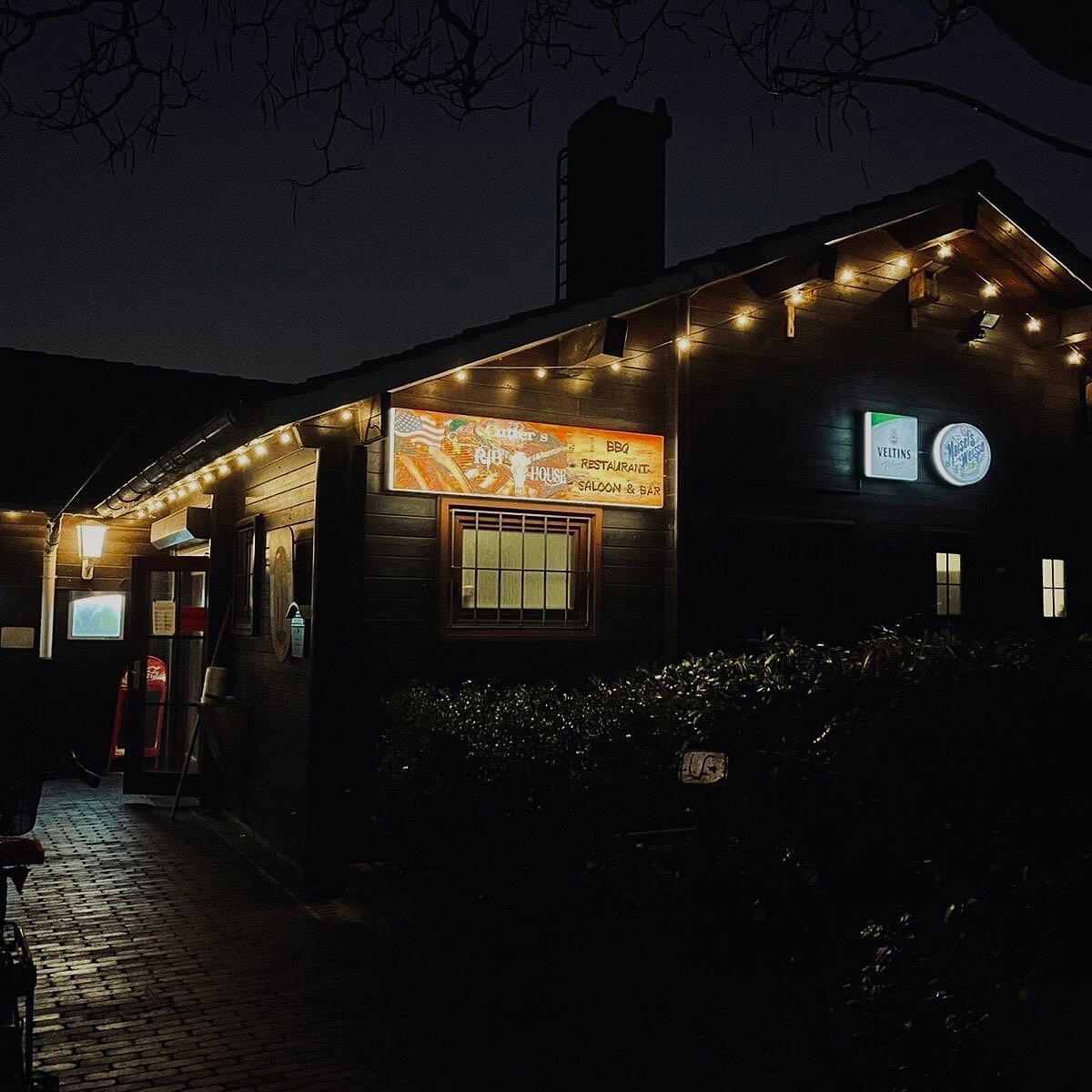
Bremerhaven is not a city that has cultivated a dense fine dining scene. Its restaurant range is practical rather than aspirational for the most part, and the comparison venues within the city reflect that spread. Fine Dining by Phillip Probst (Modern Cuisine) occupies the highest price bracket locally at €€€€, applying modern cuisine technique to the city's ingredients. At the other end of the spectrum, places like Cutters Ribhouse * the World of BBQ, Huong Viet, La Piazza, and Mulberry St serve the city's general dining needs across very different formats. Natusch occupies a distinct position in that field: a fish restaurant that draws its authority from physical proximity to the source rather than from culinary ambition measured against international benchmarks.
For visitors arriving specifically to understand what Bremerhaven is as a city, eating at the Fischbahnhof is not supplementary to that project. The city's identity is inseparable from its fishing history, and a meal here functions as context as much as sustenance. The German Emigration Center and the Klimahaus, both significant Bremerhaven institutions, are reachable within the city's compact footprint, and the harbour district connects naturally into a day that takes the port seriously as a subject. Our full Bremerhaven restaurants guide covers the wider dining picture for those building a longer itinerary.
The North Sea Seafood Tradition in German Cooking
German coastal cooking is underrepresented in international food media relative to its French or Scandinavian equivalents. The North Sea ingredient set overlaps substantially with what Copenhagen's restaurant scene has built a global reputation on: the same cold-water fish, similar curing and smoking traditions, comparable reliance on seasonal availability. The difference is largely one of narrative infrastructure. Germany's north coast has not yet attracted the kind of international food writing that turns a regional tradition into a destination. That creates an asymmetry: the product quality is there, the tradition is real, but the external recognition lags.
For the reader oriented toward the more formally acclaimed end of modern cooking, the reference points in Germany include operations like ES:SENZ in Grassau, Schanz in Piesport, and at the experimental edge, CODA Dessert Dining in Berlin. Natusch does not compete on those terms. Its relevance is categorical rather than hierarchical: it represents a type of cooking that requires proximity to the source to do well, and it has that proximity by virtue of its address. Globally, the closest analogue in terms of the harbour-to-table directness is something like Le Bernardin in New York City in principle, though at an entirely different level of formality and technical ambition, or the tightly structured approach of Atomix in New York City in terms of how menu structure encodes a culinary philosophy.
Planning a Visit
Natusch is located at Am Fischbahnhof 1, 27572 Bremerhaven, directly within the working harbour district. The physical address places it outside the main pedestrian zones of the city centre, which means arriving by car or on foot from the waterfront makes more sense than expecting it to be embedded in a shopping or hotel corridor. Given the nature of fish-forward cooking at a working harbour, seasonal fluctuation in supply is a reasonable expectation: what the menu emphasises will shift with the catch, and that variability is the point rather than a drawback. Specific hours, current pricing, and booking availability are best confirmed directly with the venue before visiting, as this information changes seasonally.
Frequently asked questions
Where is Natusch located?
Natusch is located at Am Fischbahnhof 1, 27572 Bremerhaven, Germany, Bremerhaven.
Is Natusch a good dining option near the German Maritime Museum in Bremerhaven?
Natusch is located at Am Fischbahnhof 1 within Bremerhaven's harbour district, placing it in the same working waterfront zone as the Deutsches Schifffahrtsmuseum. For visitors combining a museum visit with lunch or dinner, the address makes Natusch one of the few options in Bremerhaven that connects a genuine port setting with North Sea seafood cooking rather than the tourist-facing formula common near waterfront attractions.
What's the best thing to order at Natusch?
Natusch sits directly within Bremerhaven's working harbour district at Am Fischbahnhof 1, which orients the menu toward whatever the North Sea is producing in season. German coastal cooking centres on species like plaice, herring, and North Sea shrimp, and a harbour-adjacent kitchen at this address is most credibly judged on those rather than imported or landlocked proteins. Order along the coast rather than against it.
Do they take walk-ins at Natusch?
Booking details for Natusch are not listed in public directories at this time, and the restaurant does not publish a phone number or website through which to confirm walk-in policy. Given that Bremerhaven draws a mix of port workers, maritime museum visitors, and day-trippers from Bremen, arriving at Am Fischbahnhof 1 at off-peak hours on weekdays is the lower-risk approach if you haven't arranged a table in advance.
What's Natusch best at?
Natusch's address inside the working harbour at Am Fischbahnhof 1 positions it within a German coastal cooking tradition that international food media has largely overlooked despite a serious North Sea ingredient set. The restaurant's strength is most plausibly its proximity to supply: a kitchen this close to an active fish port has fewer logistical reasons to compromise on freshness than one operating further inland or in a tourist-facing promenade context.
Credentials Lens
Comparable venues nearby, for context on price, style, and recognition.
| Venue | Cuisine | Price | Awards | Notes |
|---|---|---|---|---|
| NatuschThis venue — the venue you are viewing | North Sea Seafood | $50–100 | Not listed | Not listed |
| Mulberry St | Contemporary Mediterranean Casual Dining | $50–100 | Not listed | Havenwelten |
| PIER 6 | Modern International Mediterranean | $50–100 | Michelin Plate | Havenwelten |
| Fine Dining by Phillip Probst | Modern Creative Fine Dining | $100–150 | Michelin Plate | Neuer Hafen |
| Huong Viet | Authentic Vietnamese | $10–20 | Not listed | center |
| La Piazza | Italian Pizza | $20–30 | Not listed | Am Neumarkt |
Continue exploring
More in Bremerhaven
Restaurants in Bremerhaven
Browse all →
Bars in Bremerhaven
Browse all →
Natusch
The wine
- Wine program
- Curated wine list
- Extensive wine list
Details
- Cozy
- Classic
- Special Occasion
- Waterfront
- Historic Building
- Extensive Wine List
- Local Sourcing
- Sustainable Seafood
- Waterfront
- A La Carte
- Tasting Menu
- Vegetarian Friendly
- Vegan Options
- Gluten Free Options
Current opening hours
- Monday
- 11:45 AM–3 PM, 5:30–9:30 PM
- Tuesday
- Closed
- Wednesday
- 11:45 AM–3 PM, 5:30–9:30 PM
- Thursday
- 11:45 AM–3 PM, 5:30–9:30 PM
- Friday
- 11:45 AM–3 PM, 5:30–10 PM
- Saturday
- 11:45 AM–3 PM, 5:30–10 PM
- Sunday
- 11:45 AM–3 PM, 5:30–9 PM
Hours can change for holidays and private events. Last verified .
Beautiful maritime ambience with wood-paneled dining room and nautical decor reminiscent of a historic yacht interior.