
Tabelog 100 #73
Our verdict
Nakasu Yatai Kibun sits in Fukuoka’s Nakasu yatai culture, where the appeal is less formal dining room than compact night-market ritual. Its Tabelog 100 Izakaya WEST selections in 2024 and 2025 put it in a recognised regional tier, with a modest dinner budget and a format that rewards planning rather than casual wandering.

Pearl is the En Primeur Club membership app — saves, bookings, and concierge access live there. Same editors, same standards.
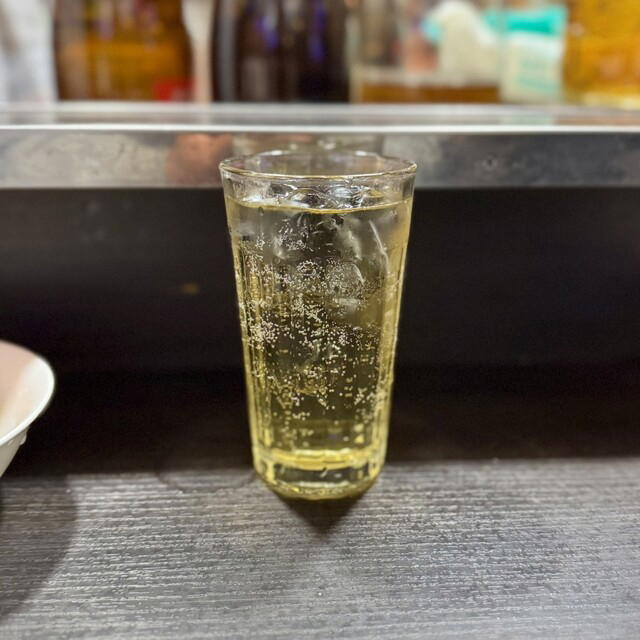
Approach Fukuoka at night and the city changes scale. The city lights, office towers and shopping streets give way to tighter rhythms: stools, steam, short menus, regulars moving with the confidence of people who know the sequence. Fukuoka’s compact tavern culture is not a nostalgia act; it is a live, constrained format where space, timing and etiquette matter as much as what lands on the counter.
Nakasu Yatai Kibun belongs to that compact world rather than the polished izakaya category many travellers know from Tokyo or Osaka. The useful comparison is not with a dining room built around pacing and privacy, but with the street-level Fukuoka habit of eating and drinking in close quarters after dark. Recognition on Tabelog’s Izakaya WEST 100 list in 2025 gives it a signal beyond local familiarity, especially in a city where casual formats can be harder to evaluate from abroad than tasting-menu restaurants.
Fukuoka's yatai culture turns access into part of the meal
Fukuoka’s yatai are often described as street food, but that phrase undersells the discipline of the format. A yatai is constrained by footprint, weather, turnover and the social pressure of limited seats. The result is not leisurely grazing; it is a compressed version of the izakaya, where guests read the counter quickly, order with purpose and understand that lingering has consequences for the next party waiting outside.
That is why planning matters here more than the price tier suggests. Nakasu Yatai Kibun sits in the JPY 3,000 - JPY 3,999 dinner bracket, yet the experience can feel less forgiving than a conventional dining room because the format has fewer buffers. A fixed-room izakaya can absorb uncertainty with extra tables and a longer menu. A compact counter cannot. In Fukuoka, the logistical intelligence is cultural intelligence.
The setting also explains why this address belongs in a broader Fukuoka itinerary rather than as an isolated trophy stop. The city rewards category switching: everyday specialists, casual counters and local dining rooms all show a city that takes informal genres seriously. A night built around this style of eating in Fukuoka makes better sense after seeing that range.
A modest spend, a recognised list placement, and a narrow margin for error
The price band is part of the appeal. In a Japanese dining market where prestige often announces itself through omakase counters and escalating beverage programs, this is a different kind of value signal: a recognised izakaya selection attached to a compact, low-friction night format. Hountei, Yamachan Nakasu ten, Yakitori Morimoto, Sudo Haruyoshi and Yakiniku Sudou Haruyoshi are useful Fukuoka reference points for travellers mapping the city, while Nakasu Yatai Kibun offers its own informal lane within that broader dining picture.
Tabelog 100 Izakaya WEST citation matters because izakaya quality is difficult to reduce to chef biographies or formal awards. The category rewards consistency, local loyalty and execution under casual conditions. In that context, a 2025 selection is a more useful marker than ornamental language about atmosphere. It says the venue belongs in a regional conversation about tavern culture, not merely in a tourist map of Fukuoka.
Practical caveat is significant: the yatai format can be difficult to navigate without preparation. That access reality changes the reader decision. For international travellers, the point is not to force a booking but to understand what this listing reveals about Fukuoka’s compact dining ecosystem: some counters remain intensely local, socially coded and easier to approach with Japanese language ability, local accompaniment or prior confirmation. The responsible move is to treat access as uncertain and avoid building an evening around a single counter.
That does not make the tradition any less worth studying. It makes the planning sharper. Travellers can use Fukuoka as the anchor, then build a fallback route through other dining options rather than treating one stall as the whole night. For wider mapping, our full Fukuoka restaurants guide is the useful starting point, with adjacent planning through Fukuoka hotels, Fukuoka bars, Fukuoka wineries and Fukuoka experiences.
How to read it within a Japan-wide casual dining map
Fukuoka’s yatai should not be judged by the same criteria as a fixed-room izakaya in a major station district. The energy comes from compression: limited space, short service windows and the expectation that guests understand the rhythm. That places it closer to Japan’s specialist casual formats than to polished dining rooms. Compare it with other focused casual addresses in Fukuoka, or with category-specific addresses elsewhere in Japan: the through-line is focus, not luxury.
For travellers building a wider Japan food route, the lesson is to separate recognition from accessibility. A listed venue can be culturally useful even when it is not the easiest seat to secure. The same itinerary might include urban casual addresses, regional independents or specialist counters in other Japanese cities. Outside Japan, diaspora formats can show how much structure is lost when casual Japanese dining is stripped of its local rules.
The editorial read is direct: Nakasu Yatai Kibun is valuable less as a universal recommendation than as a clear window into Fukuoka’s yatai grammar. Its recognition, price point and Fukuoka setting make it a serious reference within the city’s informal dining scene. Its access constraints mean the smarter traveller plans around the city, not around entitlement to a seat.
Frequently asked questions
Where is Nakasu Yatai Kibun located?
Fukuoka.
How much does it cost to eat at Nakasu Yatai Kibun?
Pricing at Nakasu Yatai Kibun is listed as JPY 3,000 - JPY 3,999.
What's the best way to book Nakasu Yatai Kibun?
Plan ahead and confirm current access details before going. The listed phone number is +81-90-3199-0614. The venue is on the Tabelog 100 Izakaya WEST 2025 list, which makes last-minute plans less dependable.
What is Nakasu Yatai Kibun known for?
Nakasu Yatai Kibun is known as a Fukuoka izakaya-style venue recognised on the Tabelog 100 Izakaya WEST 2025 list.
Where It Fits
Comparable venues to calibrate price, style, and recognition.
| Venue | Cuisine | Price | Awards | Notes |
|---|---|---|---|---|
| Nakasu Yatai KibunThis venue (the venue you are viewing) | Japanese Izakaya | Not listed | Tabelog 100 #73 | Not listed |
| Hountei | Hakata bite-sized gyoza & izakaya dishes | $20–30 | Tabelog 100 #58 | Hakata |
| Motsunabe Rakutenchi Tenjin Imaizumi So-Honten | Hakata Motsunabe | $20–30 | Not listed | Chūō |
| Akasaka Komikan | Traditional Japanese Izakaya | $30–50 | Tabelog 100 #40 | Chūō |
| Onokoro Hanjou | Seafood-focused Japanese izakaya | $30–50 | Tabelog 100 #67 | Chūō |
| Yakitori Benkei Nishijin ten | Traditional Yakitori & Kushiyaki | $20–30 | Tabelog 100 #79 | Sawara |
Recognition history
Dated appearances from independent guides and award organizations, with the underlying list record or original source where available.
Tabelog 100 #73 · No. 73
Tabelog · Tabelog 100 - Izakaya - WEST - 2025
Continue exploring
More in Fukuoka
Restaurants in Fukuoka
All restaurants in Fukuoka →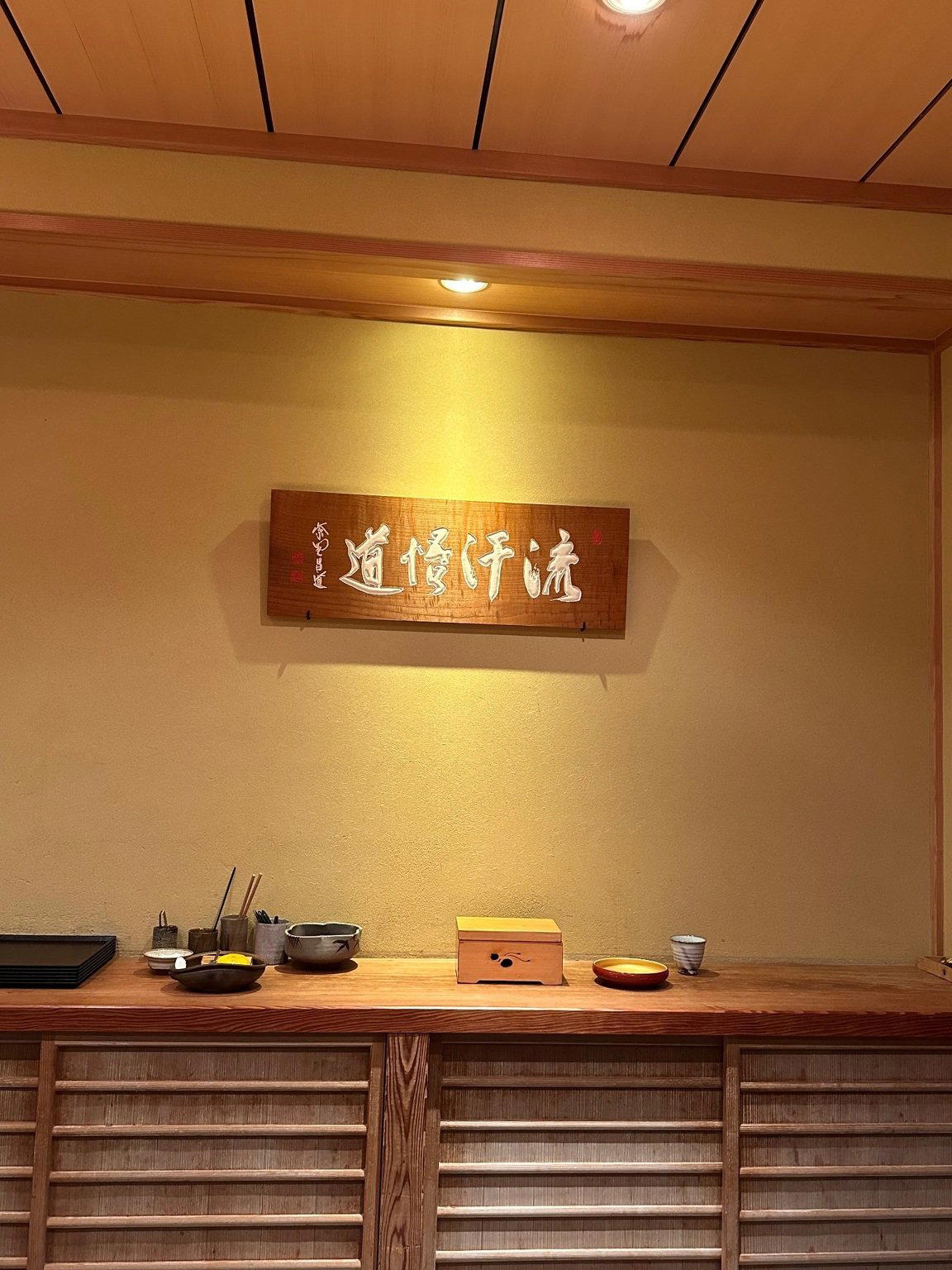
Details
- Lively
- Classic
- Cozy
- Well Known
- Late Night
- Casual Hangout
- Solo
- Standalone
- Beer Program
- Sake Program
- Street Scene
- A La Carte
- Beer
- Sake
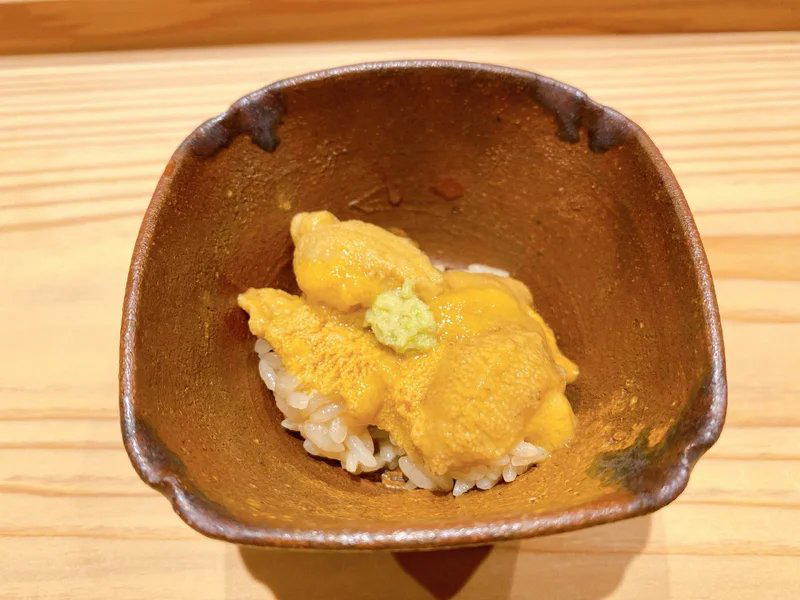
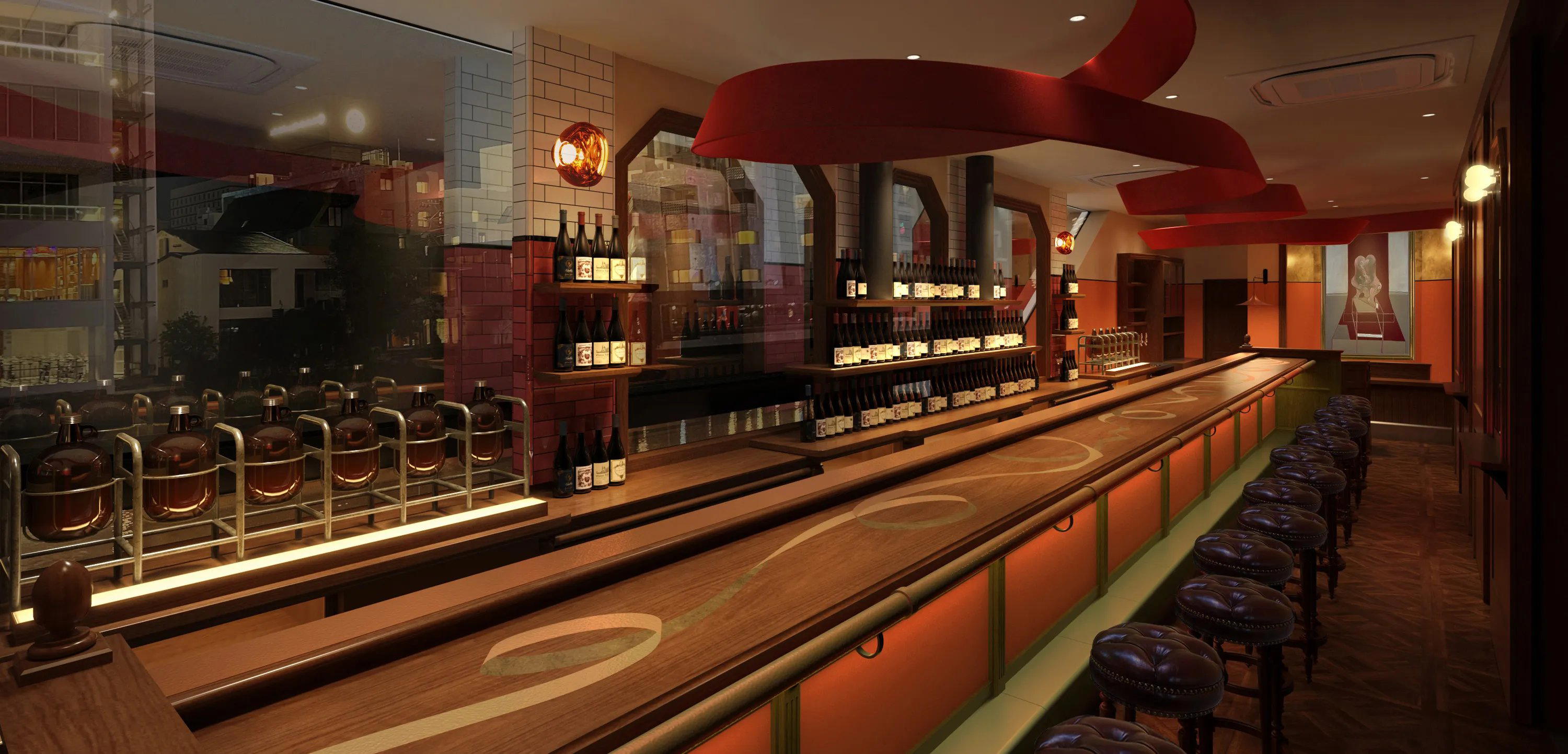
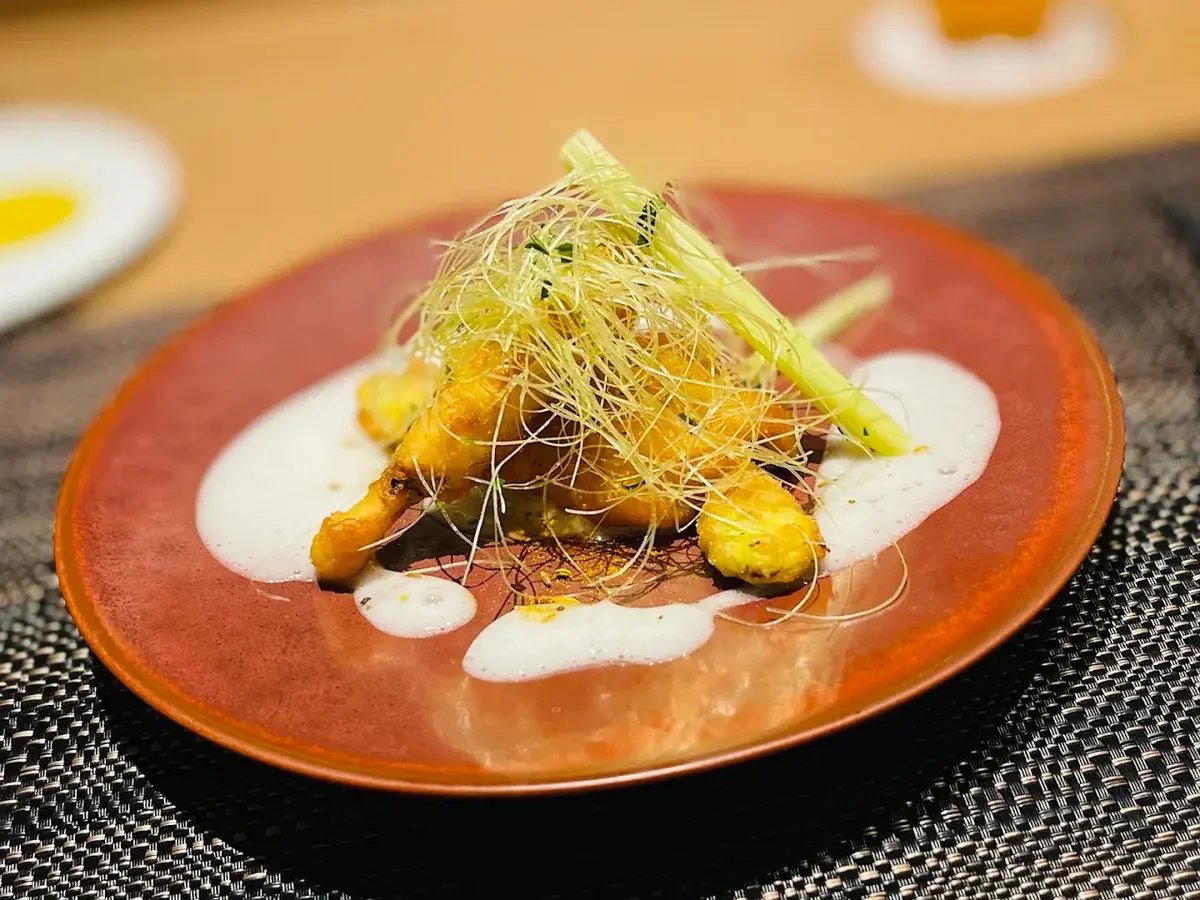
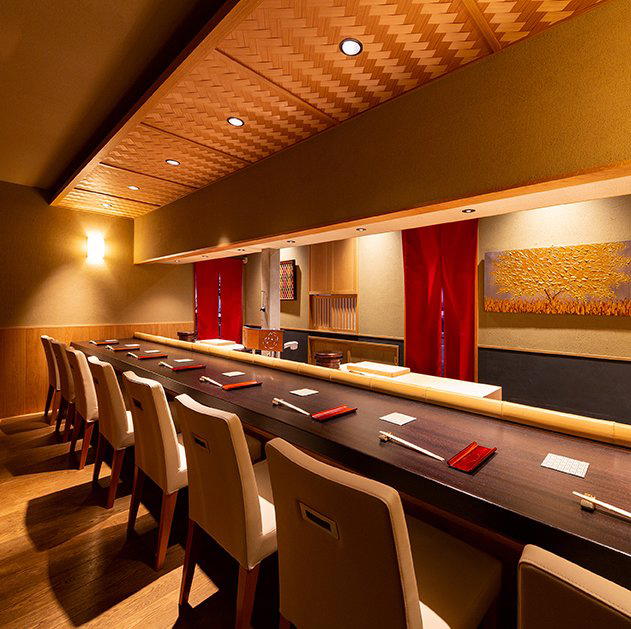
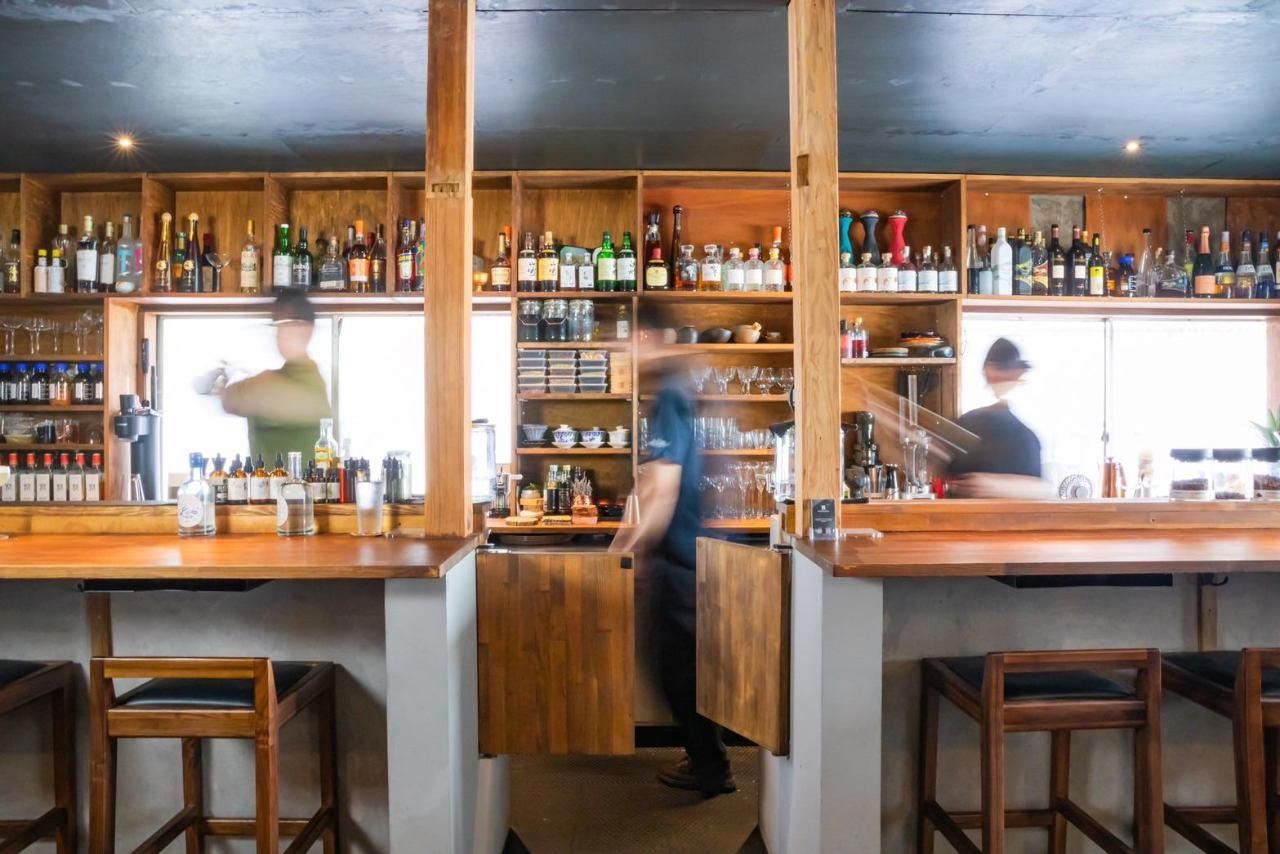
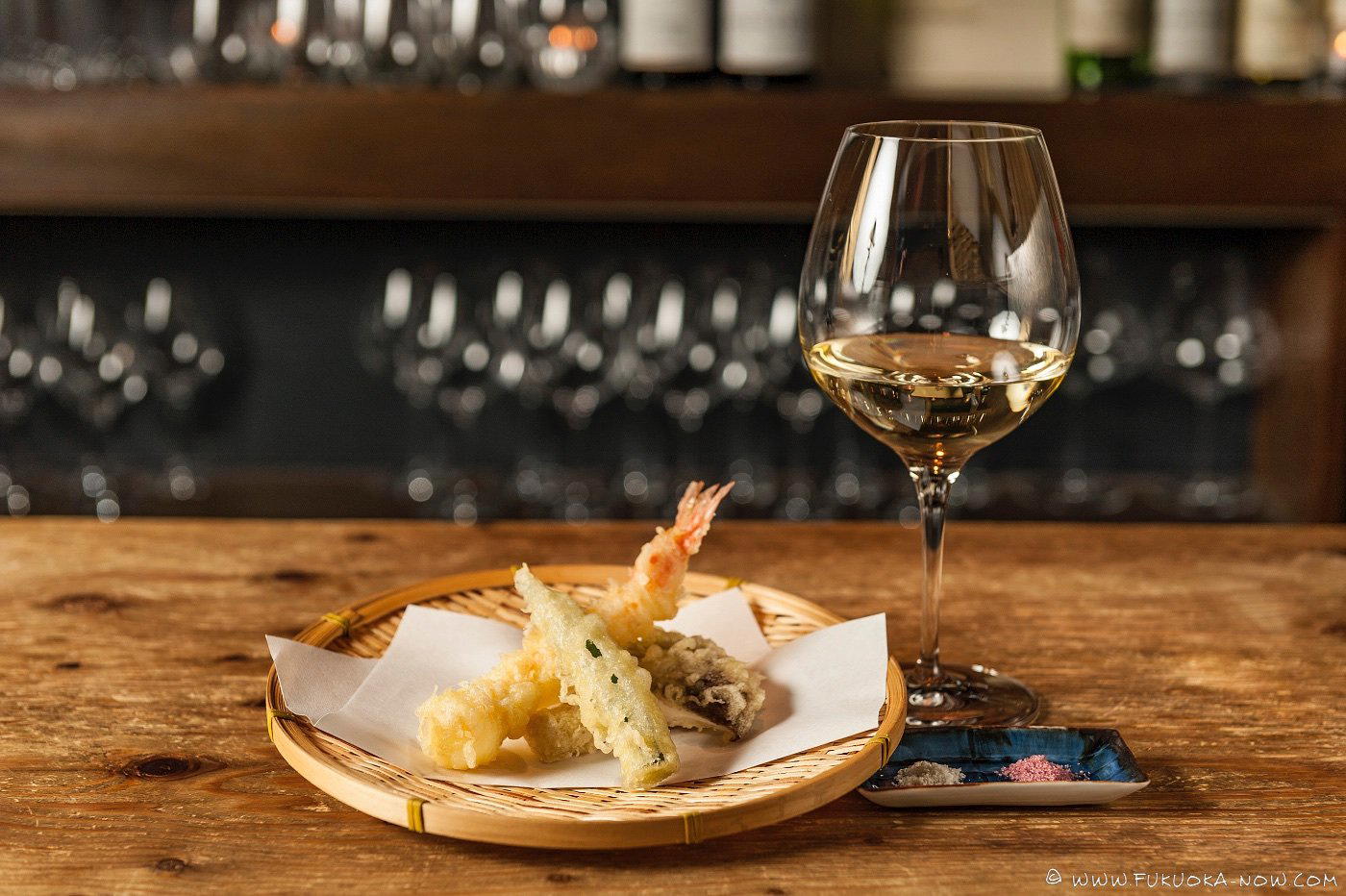
Open-air, tarp-covered yatai atmosphere with a lively late-night street-stall feel that is especially atmospheric after dark.