
Tabelog 100 #34
Our verdict
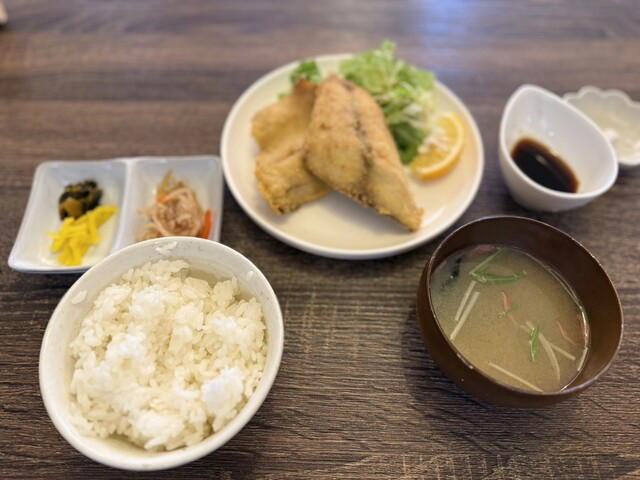
Nakanishi Shokudo belongs to Fukuoka’s quieter coastal dining grammar: fish-led cafeteria cooking, donburi structure, and a room on Shikanoshima that reads closer to local routine than urban tasting-menu theatre. Its selection for Tabelog 100 - Diner - 2026 gives the address a useful signal for travellers weighing a low-key island lunch against central Fukuoka’s broader restaurant circuit.

Pearl is the En Primeur Club membership app, where members save venues, book tables and use the concierge.
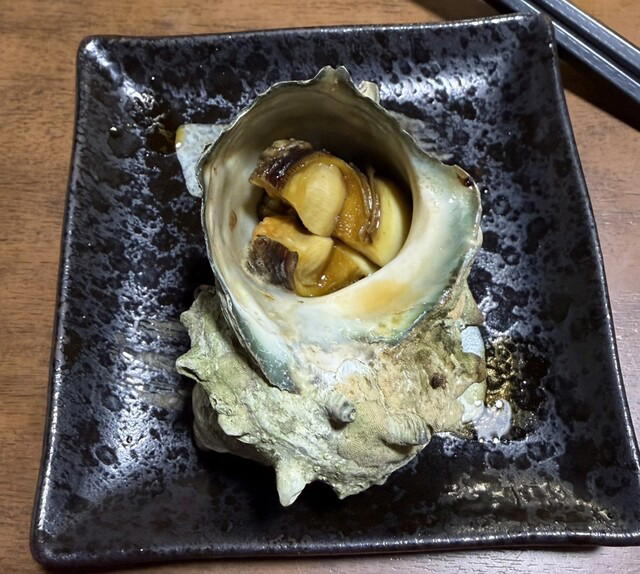
Fukuoka changes the tempo before the meal begins. The city’s compact, restaurant-rich centre has one logic; a quieter everyday meal has another: simple pacing, modest budgets, and dining rooms that make sense when the format is direct rather than dressed up. Nakanishi Shokudo sits in that tradition, closer to a working cafeteria and donburi house than to the polished counters that dominate many travel itineraries.
The appeal is not ceremony but menu architecture. The cafeteria format organizes appetite around rice, practical portions, and directness; donburi gives the meal the single-bowl clarity Japanese everyday dining has refined for generations. In Fukuoka, where visitors often chase famous local staples and late-night drinking, this lunch resets the map: everyday dining is not an add-on to the city’s food identity, but one of its foundations.
Donburi-led cafeteria cooking in Fukuoka
Japan’s shokudo tradition works because it refuses to overcomplicate lunch. The format privileges speed, legibility, and repeat use, but stronger addresses also reveal place. In Fukuoka, Nakanishi Shokudo is categorized as cafeteria and donburi, placing it in a narrower lane than the casual restaurants scattered through the city’s busier dining areas.
That distinction matters for travellers building a day around food rather than landmarks. Fukuoka has plenty of compact meals with strong identities, from other everyday dining rooms to specialist counters and small local restaurants. The shokudo model is less about breadth than context: a simple bowl-and-cafeteria meal has coherence when the restaurant keeps the promise clear.
Recognition separates serious everyday cooking from convenience. Tabelog Hyakumeiten recognition in 2026 places this address within a national context for category-specific everyday dining rather than fine-dining performance. That distinction is useful: this kind of selection rewards a category where value, repetition, and local affection often matter more than linen, wine pairings, or chef biography.
The menu's strength is its narrow promise
A focused menu can tell more than a long one. Here, the structure points toward cafeteria cooking and rice-bowl clarity rather than chef-led improvisation. Donburi is one of Japan’s great editing devices, compressing rice, toppings, garnish, seasoning, and temperature contrast into a practical meal. In Fukuoka, that format reads as confidence: the kitchen does not need a parade of courses to make its case.
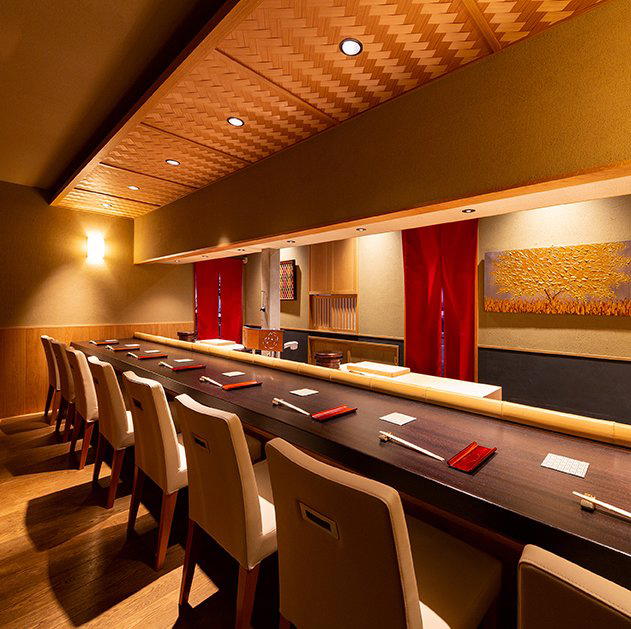
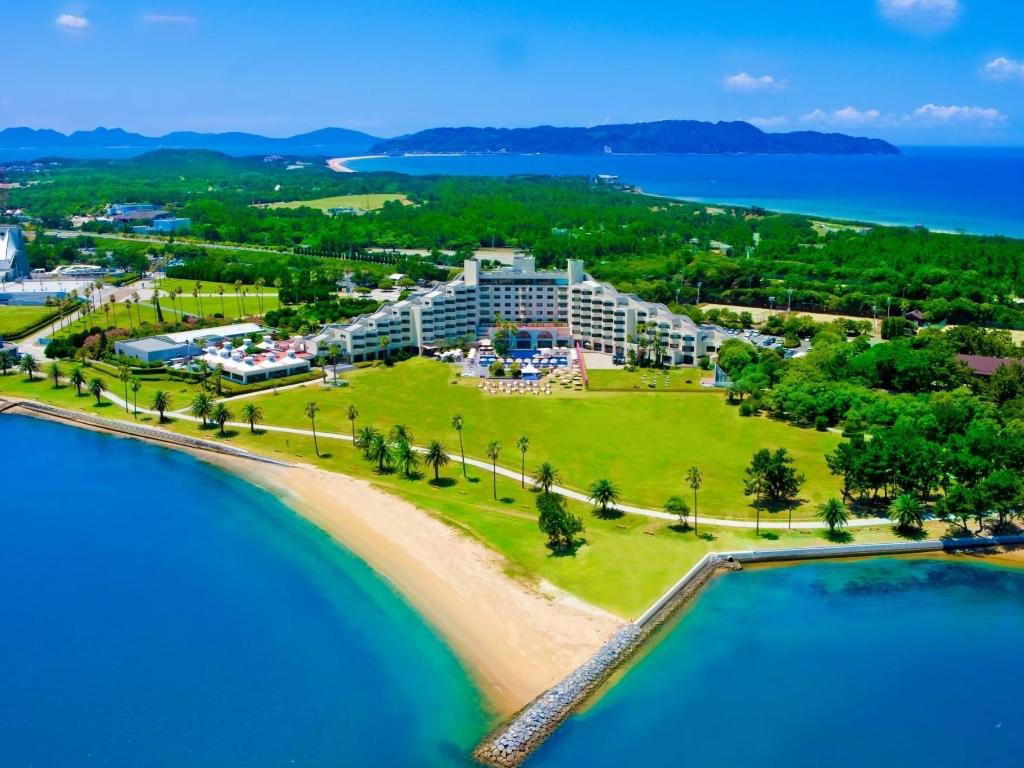
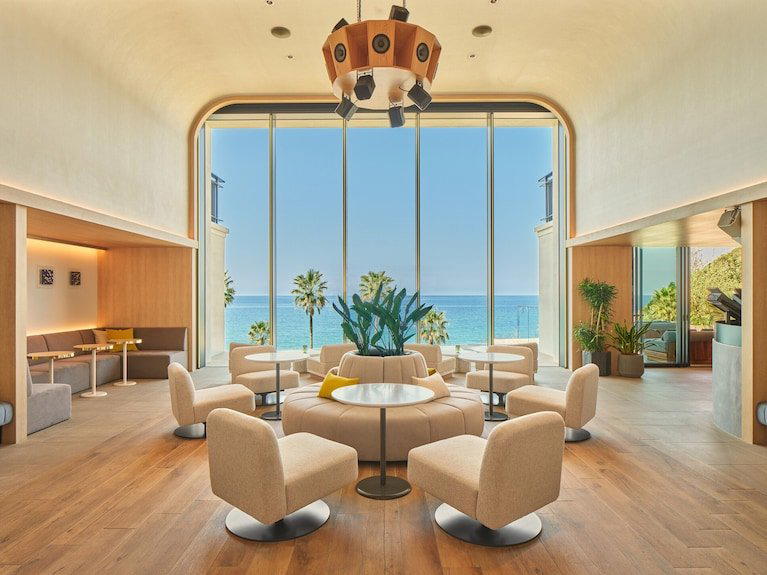
This is where the restaurant differs from Fukuoka’s more formal or higher-ceremony meals. Teppanyaki Hiyori, L’Ermita, and The Lounge on the Water each answer a different itinerary question. Nakanishi Shokudo answers the sharper everyday question: where a donburi-centred cafeteria meal can feel rooted in Fukuoka without becoming a production.
That comparison should guide expectations. This is not a multi-course dining room arc, nor service choreography associated with luxury hotels or counter omakase. It belongs to the Japanese restaurant class where form is familiar and execution carries the weight. For a visitor, that can reveal more than another formal dinner, because it shows how a city eats when the point is lunch, not spectacle.
The available public profile reinforces the category: cafeteria and donburi, with lunch budget guidance of JPY 1,000 - JPY 1,999 and a Tabelog score listed as 3.59. Those details matter because shokudo cooking is judged on practical satisfaction. It depends on value, clarity, and the sense that the meal belongs to regular use. A large, design-heavy dining room is not the argument; the concise format is.
How to place it in a Fukuoka food itinerary
Fukuoka rewards range. A strong itinerary should not treat the city as a single-dish destination, even if a few famous formats absorb attention. Other Fukuoka dining rooms, casual specialists, and hotel restaurants all play different roles, and Our full Fukuoka restaurants guide is stronger when read by format rather than fame alone.
Use this meal as a counterweight to central-city density. Pair a Nakanishi Shokudo lunch with a different Fukuoka evening to give the day shape: simple by day, drinks or hotel dining by night. For that second half, Our full Fukuoka bars guide and Our full Fukuoka hotels guide help separate convenience from character. Travellers stretching the trip beyond restaurants can map the city through Our full Fukuoka experiences guide and Our full Fukuoka wineries guide, though wine is not the main story in this corner of Japan.
For broader comparison across Japan, the useful lens is scale, not cuisine alone. Casual specialist formats appear everywhere, each narrowing the meal to a clear promise rather than trying to represent an entire city. The common thread is modest-scale specialization. In that company, a Fukuoka cafeteria and donburi address has a clear place: not representing all Japanese dining, only an everyday version of precision.
International readers may find the closest analogy in small-format, category-specific restaurants rather than prestige dining. Japanese formats travel well, but Nakanishi Shokudo keeps the equation local: rice-bowl structure, cafeteria directness, and a setting in Fukuoka that explains the meal before any elaborate framing is needed. For travellers continuing through Japan, contrast that clarity with destination-led restaurants where ceremony, luxury, or city-centre convenience define the frame.
The critical read is simple: Nakanishi Shokudo is valuable because it keeps the promise tight. Cafeteria cooking, donburi structure, Tabelog Hyakumeiten 2026 recognition, and a Fukuoka setting give the meal a clear editorial reason to exist. In a city with ample options, that specificity is the point.
Frequently asked questions
How do I find Nakanishi Shokudo?
Nakanishi Shokudo is located in Fukuoka.
What's the pricing like at Nakanishi Shokudo?
Pricing at Nakanishi Shokudo is listed as JPY 1,000 - JPY 1,999 View spending breakdown.
Do I need a reservation for Nakanishi Shokudo?
Check the venue directly before visiting, especially around busy lunch hours. The public budget guidance lists lunch at JPY 1,000 - JPY 1,999, so it is best treated as a practical Fukuoka meal rather than a long formal booking.
What's the signature at Nakanishi Shokudo?
The clearest draw is the donburi and cafeteria-style format, which is exactly the kind of concise everyday dining reflected in its 2026 Tabelog Hyakumeiten recognition. The offer is tighter than a sprawling multi-course restaurant.
What if I have allergies at Nakanishi Shokudo?
The public category listing identifies cafeteria and donburi, but diners with allergies should check before ordering. In Fukuoka, the straightforward format makes that conversation worth having before lunch. Check the venue's official channels for the latest details.
Is Nakanishi Shokudo suitable for children?
The casual shokudo and donburi format may be workable for families with children, depending on appetite and timing. Check the venue directly for current seating, hours, and any practical details before visiting in Fukuoka.
Similar Picks
Side-by-side context: comparable cuisine and price.
| Venue | Cuisine | Price | Awards | Notes |
|---|---|---|---|---|
| Nakanishi ShokudoThis venue (the venue you are viewing) | Japanese Cafeteria / Donburi | Not listed | Tabelog 100 #34 | Not listed |
| Teppanyaki | Japanese Teppanyaki | Not listed | Not listed | Not listed |
| The Lounge on the Water | Italian-focused Resort Dining | $20–30 | Not listed | Not listed |
| Teppanyaki Hiyori | Kyushu-focused Japanese Teppanyaki | $50–100 | Tabelog 100 #87 | JPY 6,000 - JPY 7,999 JPY 1,000 - JPY 1,999 |
| Jacques Oohori ten | Traditional French patisserie | $10–20 | Tabelog 100 #33 | JPY 1,000 - JPY 1,999 |
| L’Ermita | Modern Spanish Fine Dining | $150–200 | Tabelog Bronze #225 | Spanish, JPY 20,000 - JPY 29,999 JPY 20,000 - JPY 29,999 |
Recognition history
Dated appearances from independent guides and award organizations, with the underlying list record or original source where available.
Tabelog 100 #34 · No. 34
Tabelog · Tabelog 100 - Diner - 2026
Continue exploring
More in Fukuoka
Details
- Scenic
- Classic
- Cozy
- Casual Hangout
- Solo
- Family
- Waterfront
- Standalone
- Sake Program
- Beer Program
- Local Sourcing
- Sustainable Seafood
- Waterfront
- A La Carte
- Sake
- Shochu
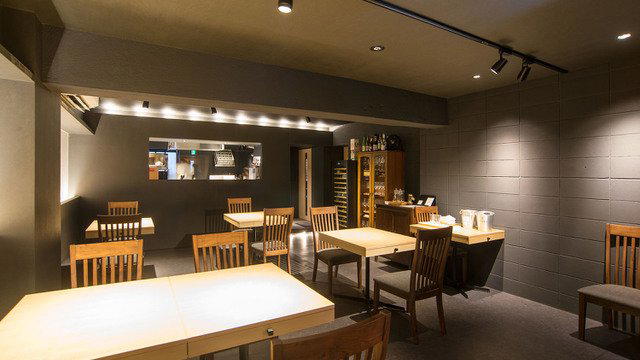
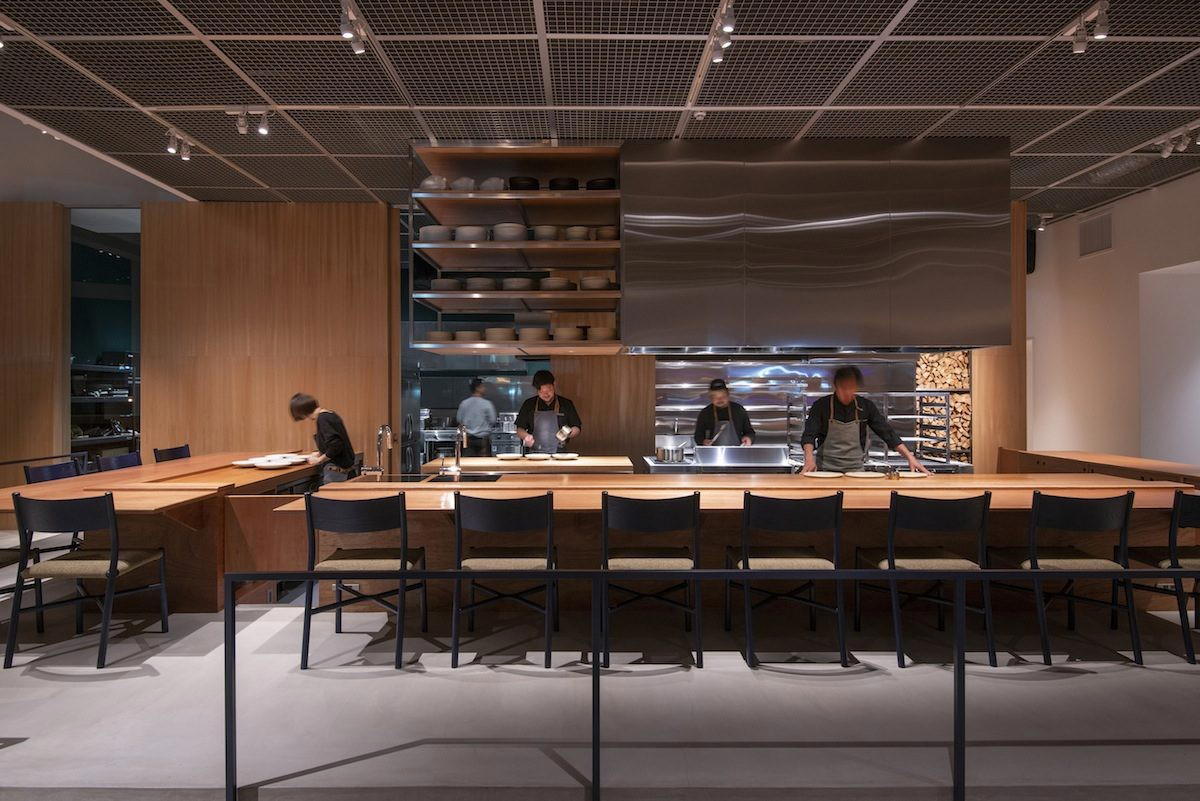
A simple, house-restaurant feel with a seaside atmosphere and ocean views, suited to a relaxed daytime meal.