Nakaji

Our verdict
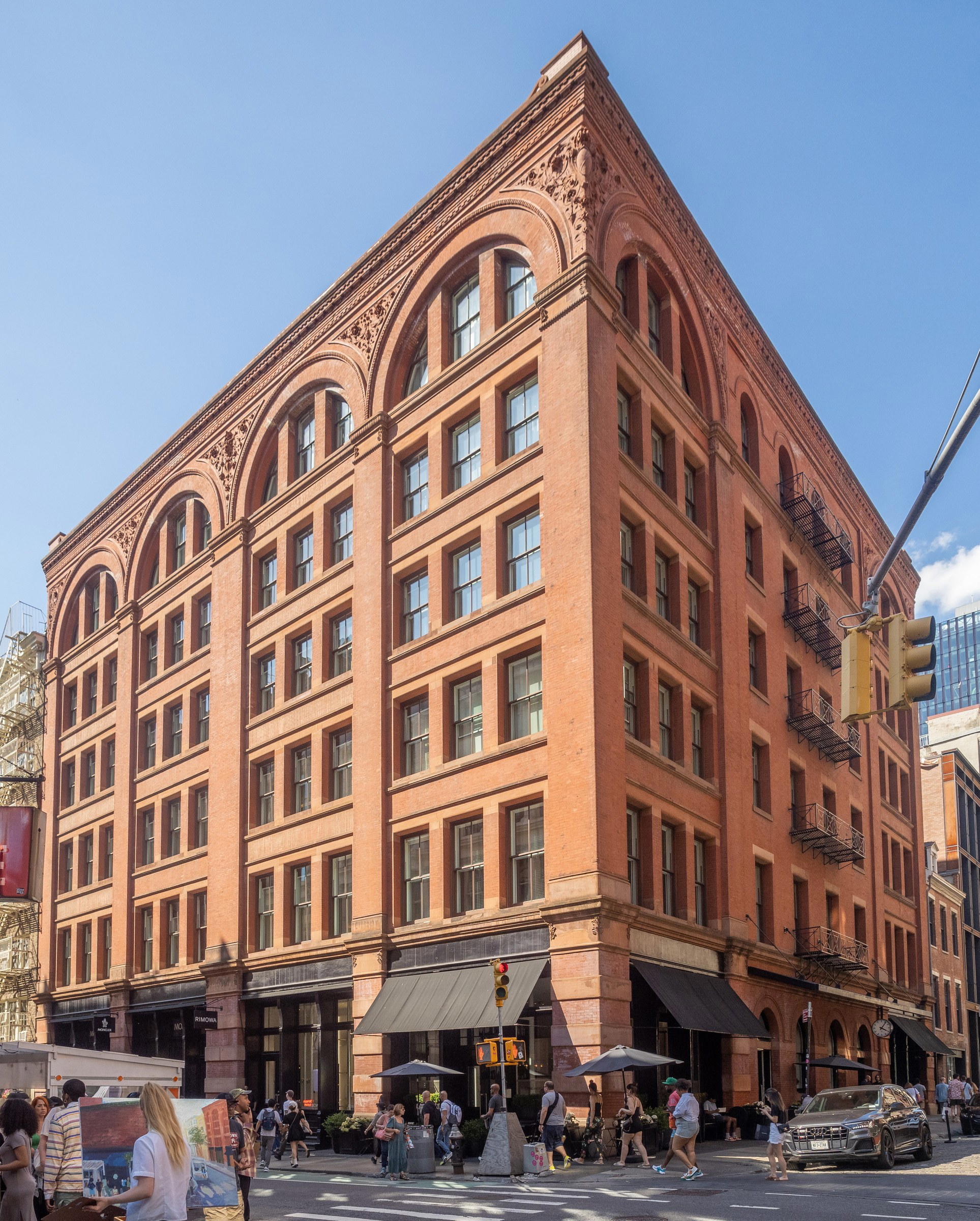
Nakaji sits at 48 Bowery in Manhattan's Chinatown, where chef Kunihide Nakajima runs an omakase counter that has ranked among North America's top 50 restaurants on Opinionated About Dining for three consecutive years. The format is tightly controlled, the sourcing is serious, and the address places it in a neighbourhood that has quietly become one of the city's most interesting corridors for precision dining.

Pearl is the En Primeur Club membership app, where members save venues, book tables and use the concierge.
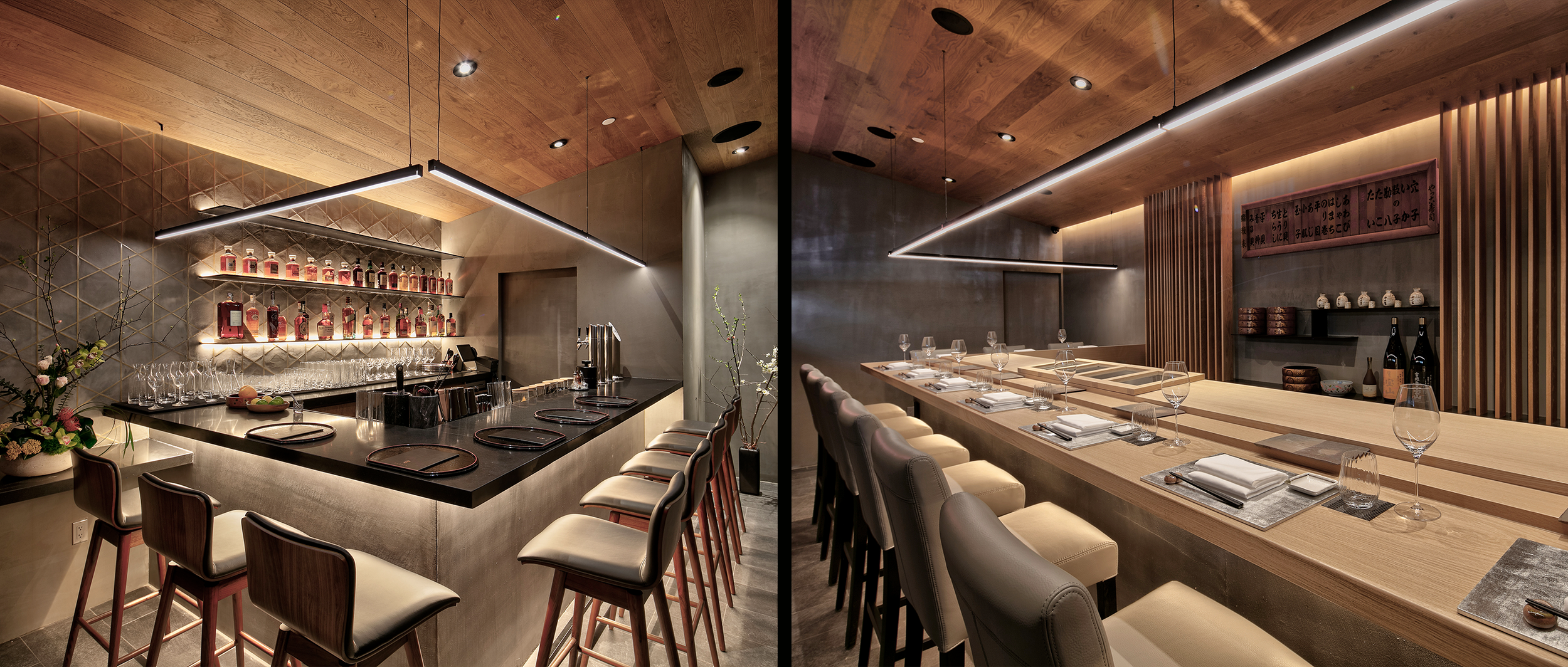
A Bowery Address, a Specific Lineage
New York's omakase tier has expanded sharply over the past decade, moving from a handful of Japanese-owned counters to a broad field that ranges from approachable neighbourhood spots to rooms pricing at several hundred dollars per seat. Within that field, a smaller cluster of counters has separated itself through lineage, sourcing discipline, and sustained critical recognition.
The address is worth noting in itself. Chinatown and the lower Bowery corridor have historically been associated with Cantonese and Vietnamese kitchens rather than Japanese fine dining. That positioning is no accident. Counters in this part of the city operate outside the midtown and Tribeca circuits where real estate costs push prices to their ceiling, and that separation gives a restaurant like Nakaji room to build its program on craft rather than overhead optics. The neighbourhood has gradually attracted a constellation of serious kitchens that share this logic, and Shion 69 Leonard Street nearby operates on a similar premise.
Where Nakaji Sits in the New York Omakase Field
Opinionated About Dining, which aggregates assessments from a vetted network of frequent diners rather than anonymous public reviews, ranked Nakaji at number 47 among North American restaurants in 2025, up from number 58 in 2024 and 54 in 2023. That three-year upward trajectory within a publication that weights frequency and seriousness of dining experience is one of the more reliable signals in the current critical environment.
For context, the OAD North America list places Nakaji in a tier occupied by rooms like Joji, which operates a similarly focused omakase format in Midtown. Both counters price against the city's upper omakase bracket rather than its mid-range. By comparison, Bar Masa represents the more casual satellite of the Masa operation, and Blue Ribbon Sushi anchors the accessible end of the city's Japanese dining range. Sushi Sho, which has influenced a generation of omakase practitioners, represents the kind of counter whose alumni and philosophy continue to shape the field Nakaji operates in.
Internationally, counters like Harutaka in Tokyo and Sushi Shikon in Hong Kong define what sustained precision at this format looks like across markets.
The Chef and the Counter Tradition
The omakase counter format concentrates authority in a single figure to a degree few other dining formats do. At Nakaji, that figure is Kunihide Nakajima, whose name the restaurant carries directly. The Japanese tradition of naming a counter for its chef, common across Tokyo's leading sushi houses, carries a specific implication: the chef's judgment is the menu, and the menu changes entirely based on what is in season, what was sourced that morning, and what the chef decides to prepare in sequence. There is no printed card to anchor expectations.
Chef Nakajima trained within the Japanese sushi tradition before establishing his New York operation. That background places Nakaji within a broader pattern visible across the city's top-tier counters: chefs who came up through the formal apprenticeship structure of Japanese kitchens, where years of preparation before touching fish are the baseline, bringing that discipline to American cities where the dining public has grown increasingly sophisticated about the distinction. The counter at Nakaji is the physical expression of that approach, where the itamae's movements, sequencing, and pacing are the experience.
Across North America's high-end dining spectrum, the chef-as-program model has become the dominant format at the serious end of the market. Lazy Bear in San Francisco, Alinea in Chicago, The French Laundry in Napa, and Providence in Los Angeles all operate on the principle that the chef's vision is the primary organizing logic, though the omakase format takes this further by removing the guest's ability to order entirely. SingleThread Farm in Healdsburg applies a similar discipline from a farm-driven direction, and Emeril's in New Orleans represents an earlier generation's version of the chef-as-anchor model in American fine dining.
Format and the Evening Structure
Nakaji operates Tuesday through Sunday, opening at 5:30 pm and running through midnight. The late closing is notable: it signals a format that accommodates extended omakase progression rather than two rigid seatings, and it positions the counter for the kind of unhurried evening that serious omakase dining requires.
The omakase format at this tier typically involves a single seating price that covers the full progression of nigiri, with optional sake or Japanese whisky pairings. The counter setting means every seat has a direct view of preparation, which is a structural feature rather than an amenity: the transparency of process is part of what distinguishes this format from a kitchen-hidden fine dining room.
Know Before You Go
Address: 48 Bowery, New York, NY 10013
Neighbourhood: Chinatown / Lower East Side, Manhattan
Hours: Tuesday through Sunday, 5:30 pm to midnight. Closed Monday.
Format: Omakase counter. No à la carte.
Booking: Advance reservations required. Availability is limited at counter-format restaurants of this standing; book as far ahead as your schedule allows.
Nakaji in the Wider New York Dining Picture
A single counter on the Bowery is one data point in a city with considerable depth across cuisines and formats. For a broader view of where Nakaji sits within the full range of serious New York dining, the EP Club guides below cover the city's restaurant scene from multiple angles, including hotels for where to stay when a long omakase evening calls for proximity, bars for what comes before or after, and experiences for the city's wider cultural programming.
- Our full New York City restaurants guide
- Our full New York City hotels guide
- Our full New York City bars guide
- Our full New York City wineries guide
- Our full New York City experiences guide
Frequently asked questions
Is Nakaji open every day?
Hours at Nakaji: Hours: Monday Closed Tuesday 5:30 pm–12 am Wednesday 5:30 pm–12 am Thursday 5:30 pm–12 am Friday 5:30 pm–12 am Saturday 5:30 pm–12 am Sunday 5:30 pm–12 am.
Reputation First
A quick snapshot of similar venues for side-by-side context.
| Venue | Cuisine | Price | Awards | Notes |
|---|---|---|---|---|
| NakajiThis venue (the venue you are viewing) | Traditional Japanese Omakase | $300–500 | Not listed | Not listed |
| Le Bernardin | French Seafood Fine Dining | $300–500 | 3 Michelin Stars · World's 50 Best #13 | French, Seafood |
| Atomix | Modern Korean Tasting Menu | $300–500 | 2 Michelin Stars · World's 50 Best #7 | Modern Korean, Korean |
| Masa | Seasonal Hokkaido Tempura Omakase | $150–200 | Tabelog 100 #34 | Sushi, Japanese |
| Per Se | French Fine Dining Tasting Menu | $300–500 | 3 Michelin Stars · World's 50 Best #40 | French, Contemporary |
| Eleven Madison Park | Contemporary Plant-Based Fine Dining | $300–500 | 3 Michelin Stars · World's 50 Best #4 | French, Vegan |
Recognition history
Dated appearances from independent guides and award organizations, with the underlying list record or original source where available.
Opinionated About Dining Top Restaurants in North America Ranked #56
Opinionated About Dining
Full recognition history (4 entries)
Opinionated About Dining Top Restaurants in North America Ranked #47
Opinionated About Dining
Opinionated About Dining Top Restaurants in North America Ranked #58
Opinionated About Dining
Opinionated About Dining Top Restaurants in North America Ranked #54
Opinionated About Dining
Continue exploring
More in New York City
Restaurants in New York City
All restaurants in New York City →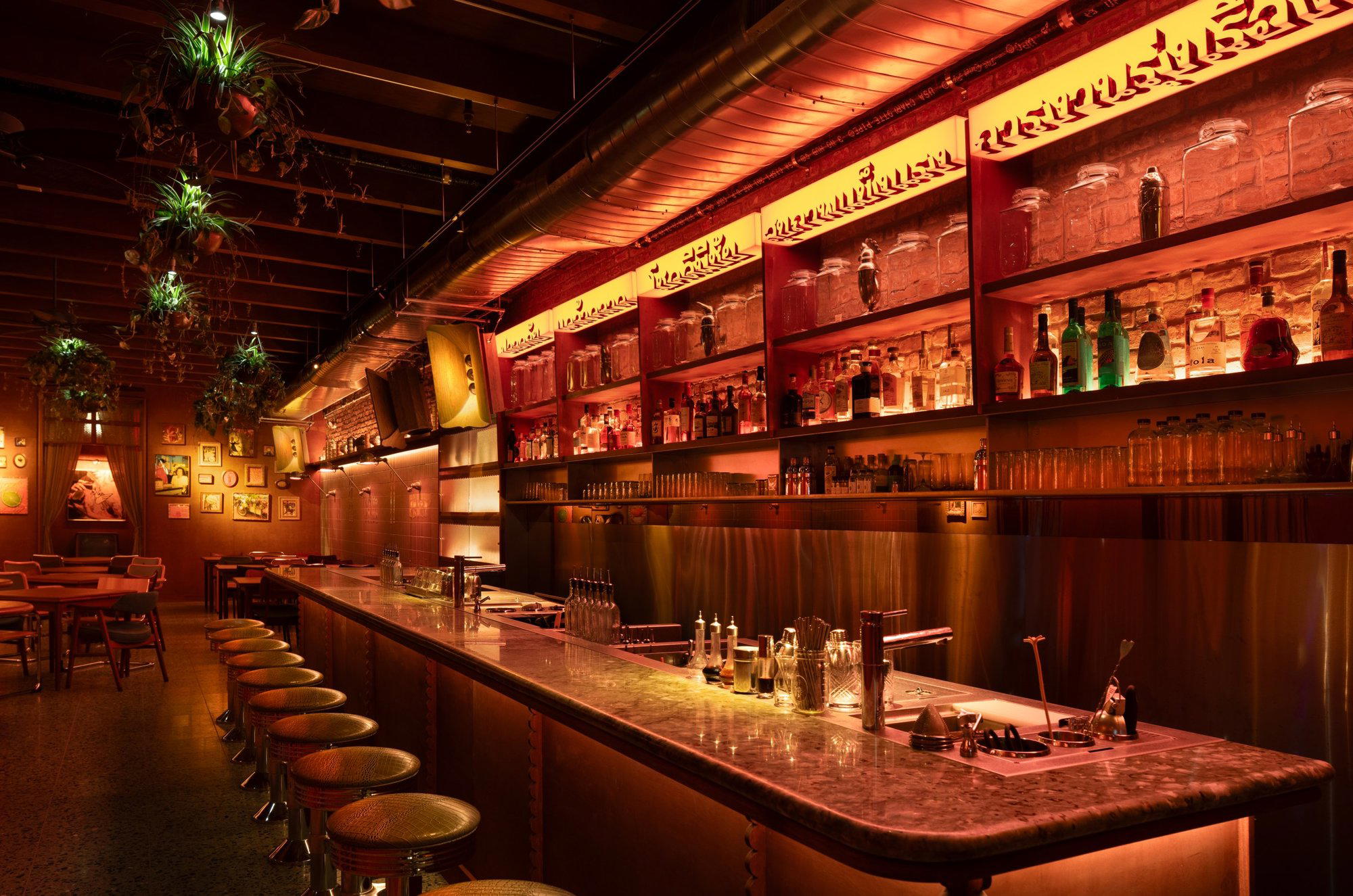
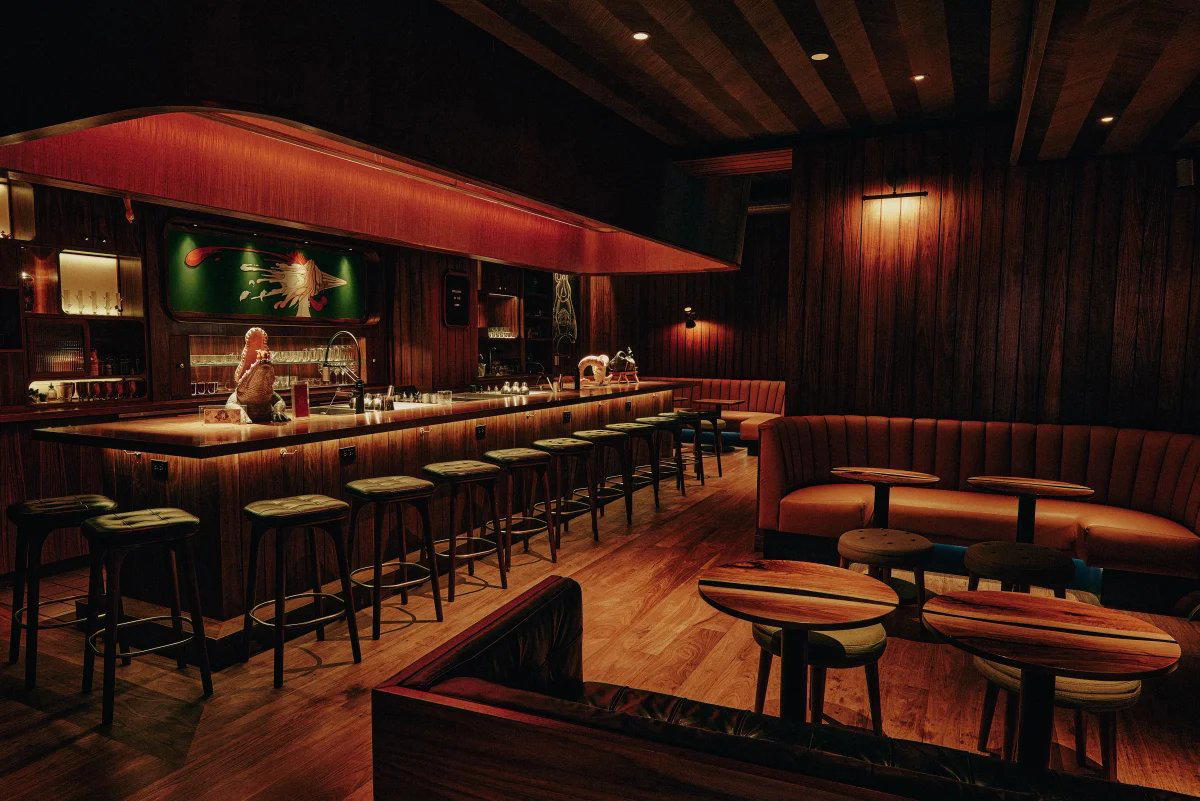
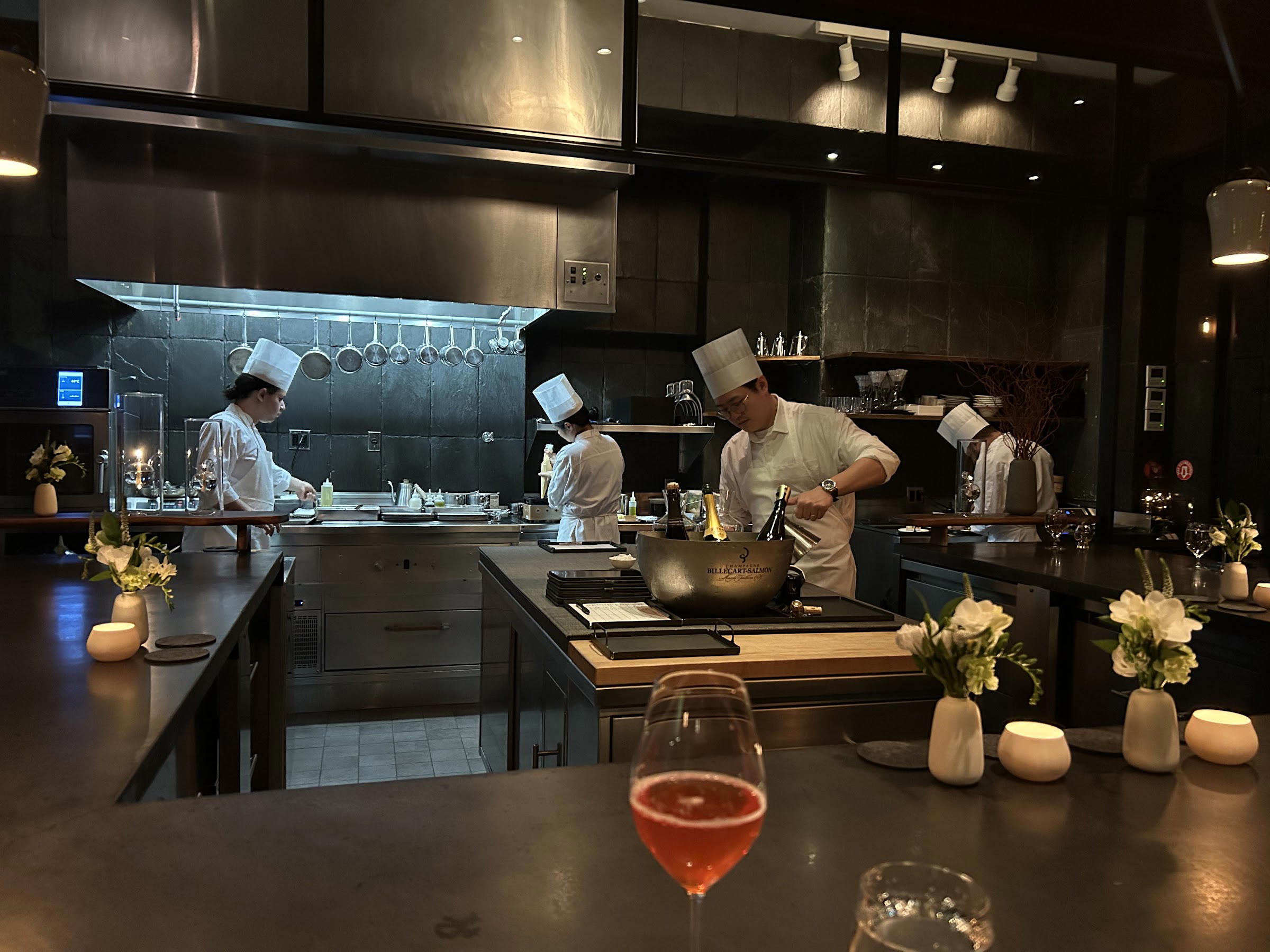
Bars in New York City
All bars in New York City →






Details
- Minimalist
- Intimate
- Sophisticated
- Special Occasion
- Chefs Counter
- Sake Program
- Omakase
- Counter Dining
Current opening hours
- Monday
- Closed
- Tuesday
- 5:30 PM–12 AM
- Wednesday
- 5:30 PM–12 AM
- Thursday
- 5:30 PM–12 AM
- Friday
- 5:30 PM–12 AM
- Saturday
- 5:30 PM–12 AM
- Sunday
- 5:30 PM–12 AM
Hours can change for holidays and private events. Hours as of .
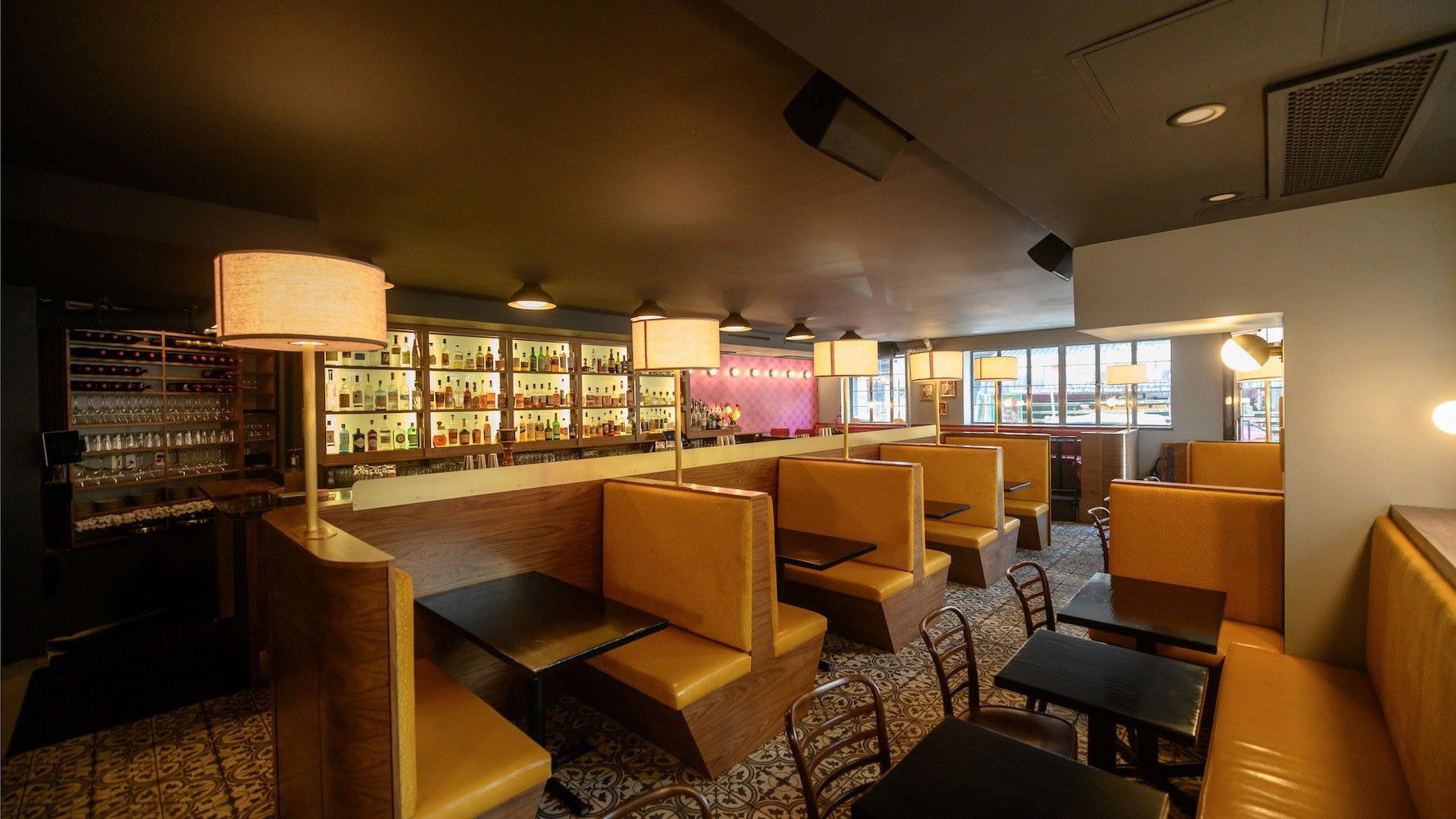
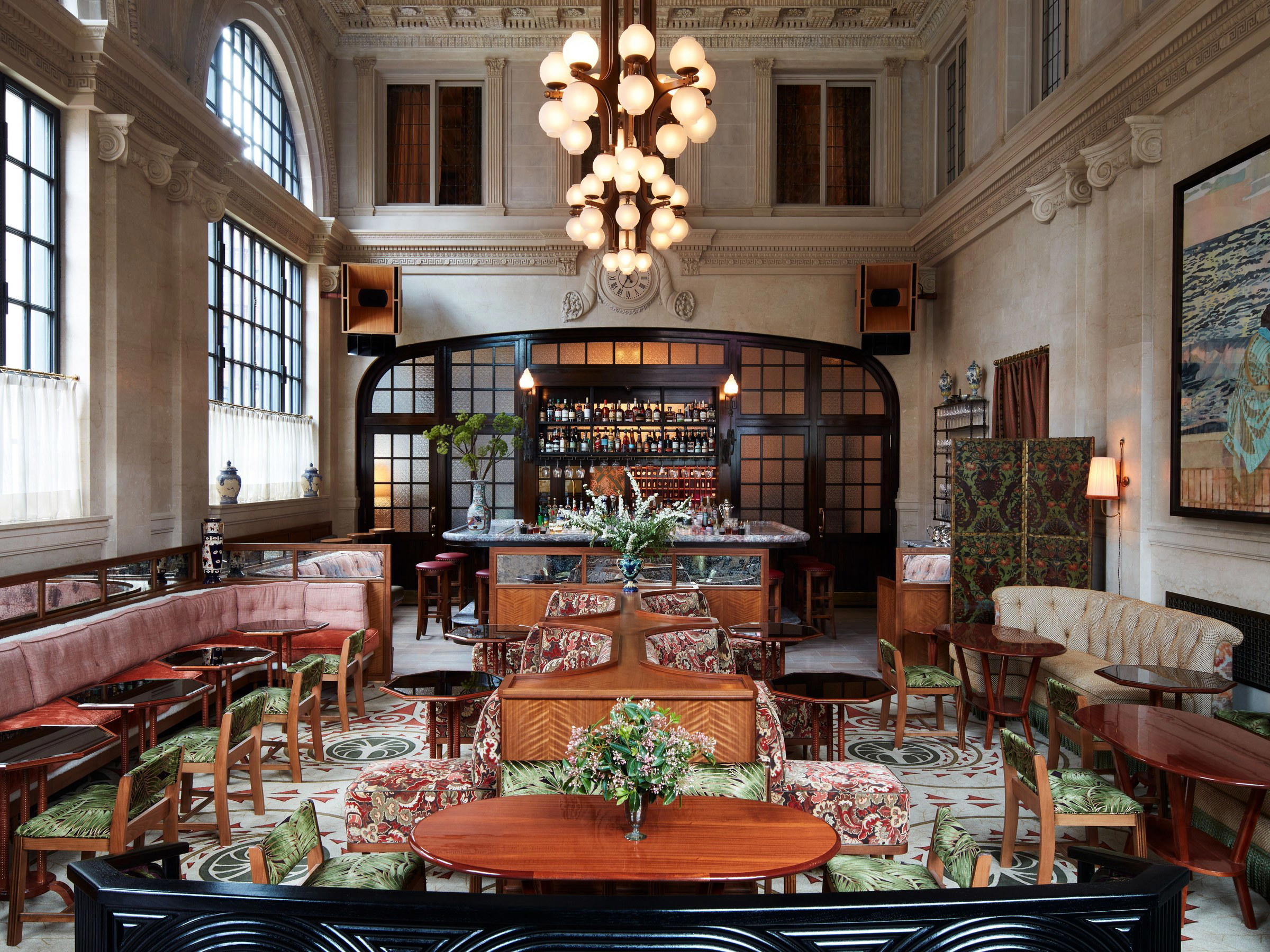
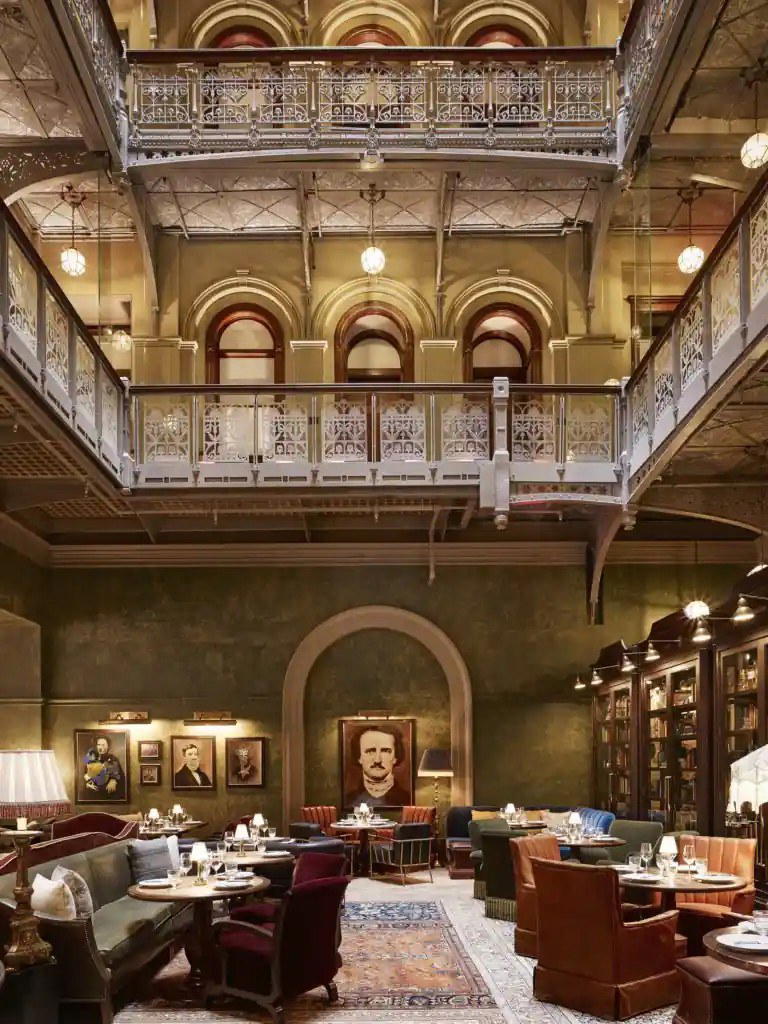
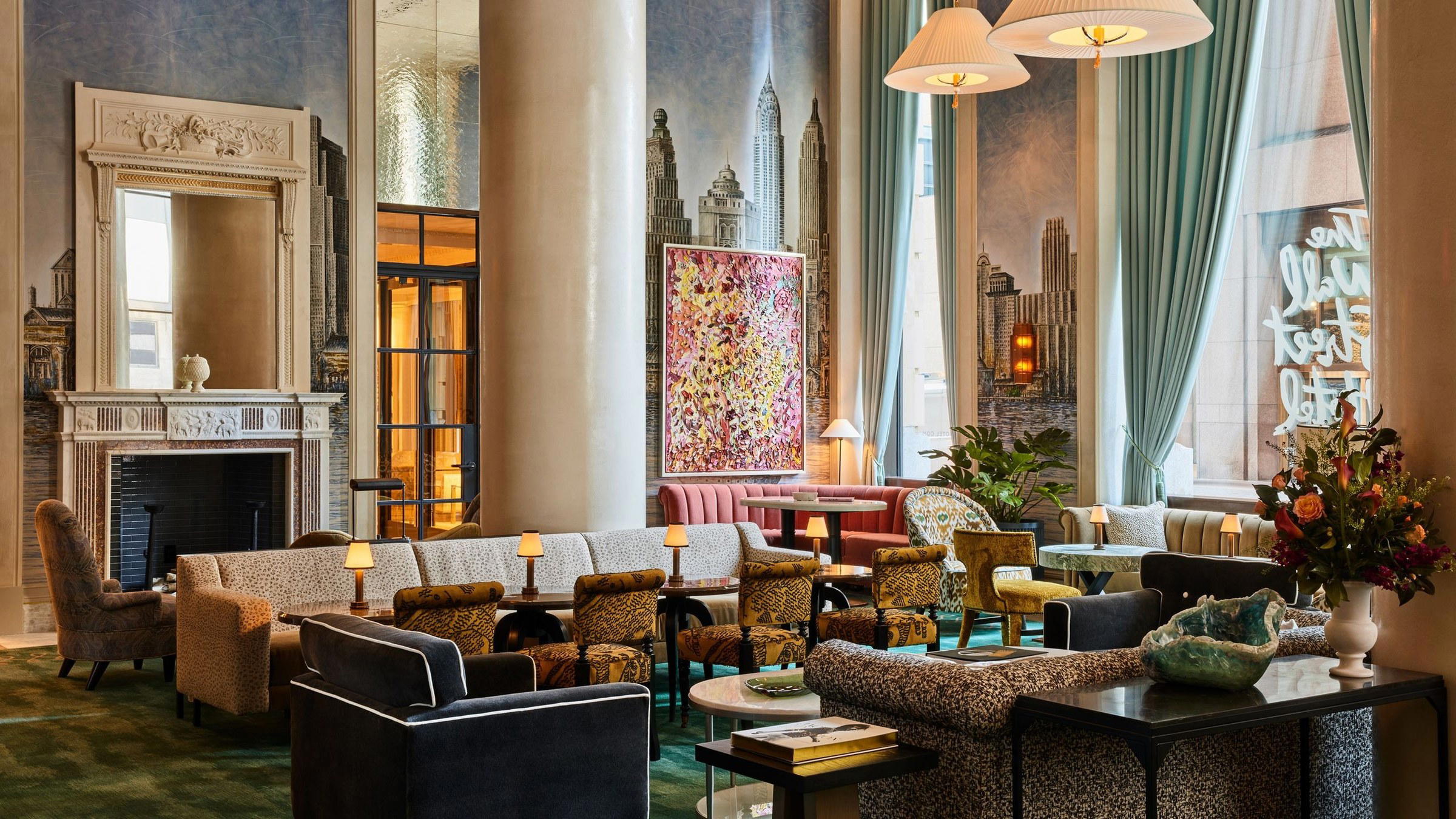
Minimalist aesthetic with low-key wood decor, low lighting, and an authentic Tokyo-like sushi bar atmosphere.