Our verdict
Ramen Nagi took a leading prize at Japan's National Ramen of the Year competition in both 2011 and 2012, a credential that explains why its Hong Kong outpost in Tai Hang, Causeway Bay draws consistent queues from a neighbourhood already dense with serious dining options. The chain, founded by Satoshi Ikuta, built its reputation in Tokyo on tonkotsu, long-simmered pork-bone broth, before expanding across Asia. The ordering format is the defining feature here. Diners specify broth intensity, garlic level, fat content, and noodle firmness before the bowl arrives, which means two people at the same table can eat quite different meals. The core lineup revolves around four "King" bowls: the Original Butao King (straight tonkotsu), Red King (spicy chili), Black King (squid ink and garlic), and Green King (a basil-forward variation). Limited-edition Kings rotate through the menu periodically, giving regulars a reason to return beyond the house standards. Tai Hang sits just inland from Causeway Bay's commercial core, and the Nagi location on King Street fits the neighbourhood's pattern of compact, focused restaurants that prioritise the food over the room. The space is functional rather than atmospheric, which is consistent with how the brand operates across its locations, the emphasis is on the bowl, not the backdrop. For anyone tracking Hong Kong's Japanese ramen scene, Nagi represents the internationally tested end of the spectrum: a formula refined over more than a decade in Japan, transplanted with its customisation logic intact.
Ramen Nagi took a leading prize at Japan's National Ramen of the Year competition in both 2011 and 2012, a credential that explains why its Hong Kong outpost in Tai Hang, Causeway Bay draws consistent queues from a neighbourhood already dense with serious dining options. The chain, founded by Satoshi Ikuta, built its reputation in Tokyo on tonkotsu, long-simmered pork-bone broth, before expanding across Asia.
The ordering format is the defining feature here. Diners specify broth intensity, garlic level, fat content, and noodle firmness before the bowl arrives, which means two people at the same table can eat quite different meals. The core lineup revolves around four "King" bowls: the Original Butao King (straight tonkotsu), Red King (spicy chili), Black King (squid ink and garlic), and Green King (a basil-forward variation). Limited-edition Kings rotate through the menu periodically, giving regulars a reason to return beyond the house standards.
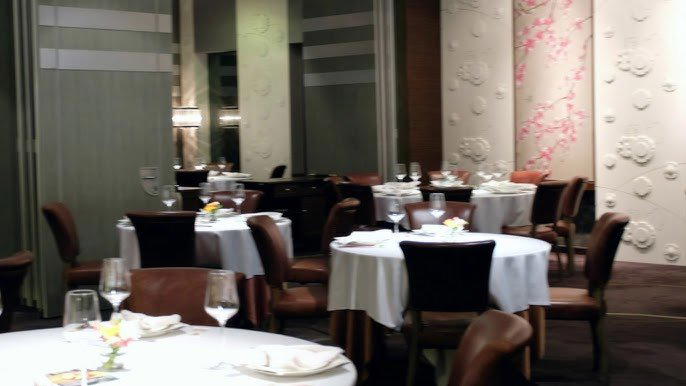
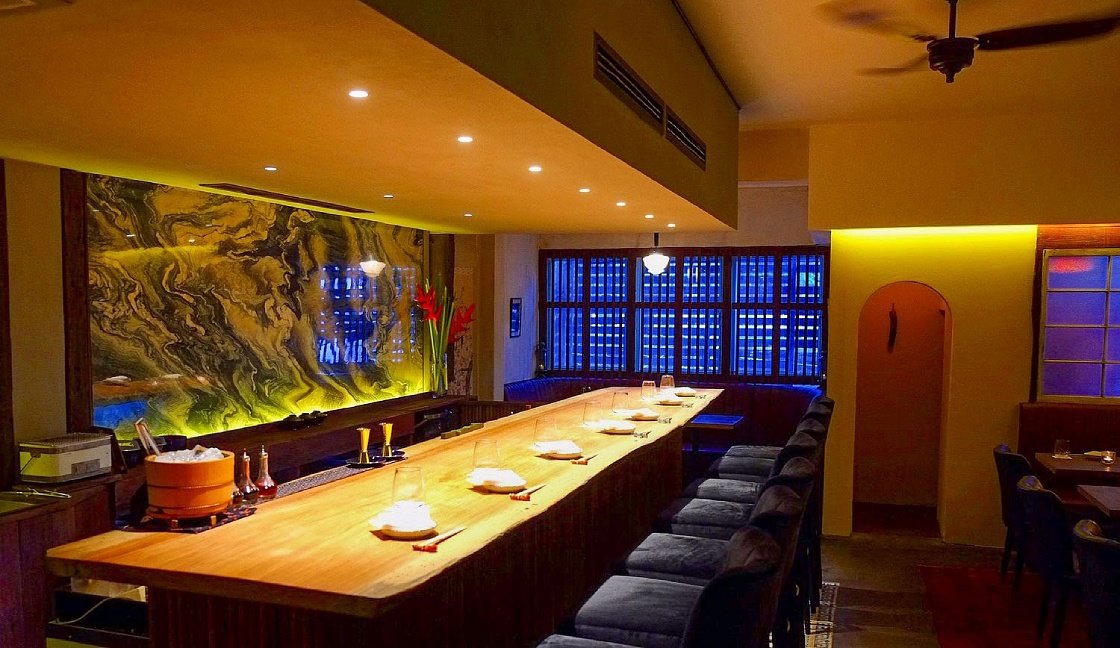
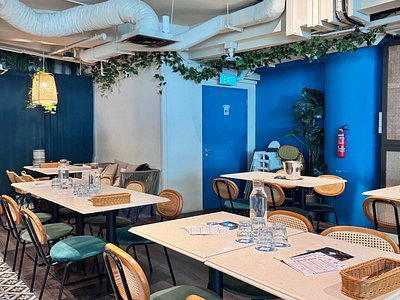
Tai Hang sits just inland from Causeway Bay's commercial core, and the Nagi location on King Street fits the neighbourhood's pattern of compact, focused restaurants that prioritise the food over the room. The space is functional rather than atmospheric, which is consistent with how the brand operates across its locations, the emphasis is on the bowl, not the backdrop. For anyone tracking Hong Kong's Japanese ramen scene, Nagi represents the internationally tested end of the spectrum: a formula refined over more than a decade in Japan, transplanted with its customisation logic intact.
Comparable venues nearby, for context on price, style, and recognition.
| Venue | Cuisine | Price | Awards | Notes |
|---|---|---|---|---|
| Nagi RamenThis venue (the venue you are viewing) | Ramen | Not listed | Not listed | Not listed |
| Yum Cha | Modern Cantonese Dim Sum | Not listed | Not listed | Central |
| Jean May | French Bistro | $50–100 | Not listed | Wan Chai |
| Soil To Soul | Vegetarian | Not listed | Not listed | Yau Tsim Mong South |
| Hong Zhou Restaurant | Authentic Hangzhou Chinese | $20–30 | Black Pearl 1 Diamond | Wan Chai |
| Yakiniku Jumbo HK | Japanese Yakiniku | $100–150 | Not listed | Central |
Recognition history
Dated appearances from independent guides and award organizations, with the underlying list record or original source where available.
Opinionated About Dining Casual in Asia Ranked #119
Opinionated About Dining
Full recognition history (2 entries)
Opinionated About Dining Casual in Asia Ranked #96
Opinionated About Dining
Continue exploring