
Morocco arrives in southeastern Poland at this intimate dining room on Rzeszów's main square. Naama runs a concise menu built around tagines, couscous, and clay-pot preparations, with a refreshing absence of fusion shortcuts. The beef tagine shows technical discipline — balanced spice, properly rendered meat — while the mint tea service follows traditional method. Decor leans into hanging lamps and ceramic rather than pastiche.
Pearl is the En Primeur Club membership app — saves, bookings, and concierge access live there. Same editors, same standards.
- Address
- Rynek 9, Rzeszów, Podlaskie, 35-064, POL
- Phone
- +48 799 069 033
- Website
- naama.pl
- Directions
- Get directions
 Saves & bookings on Pearl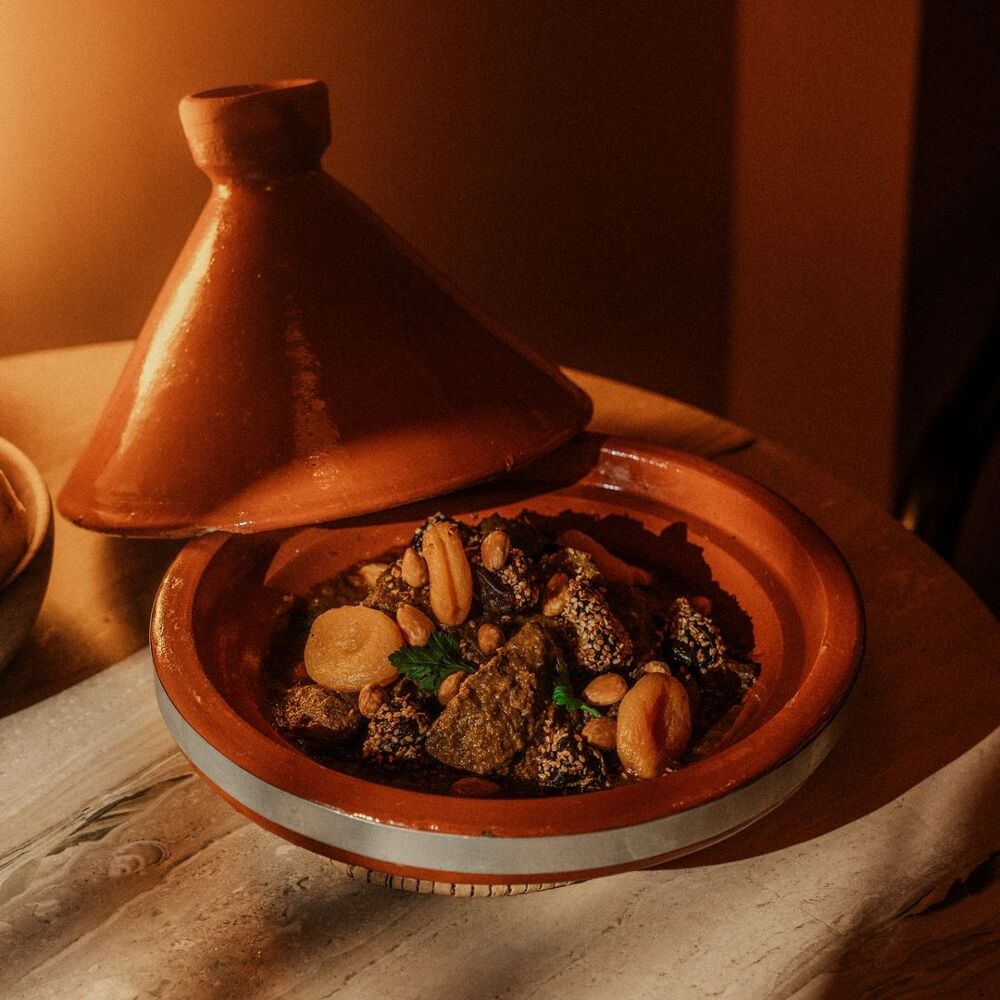
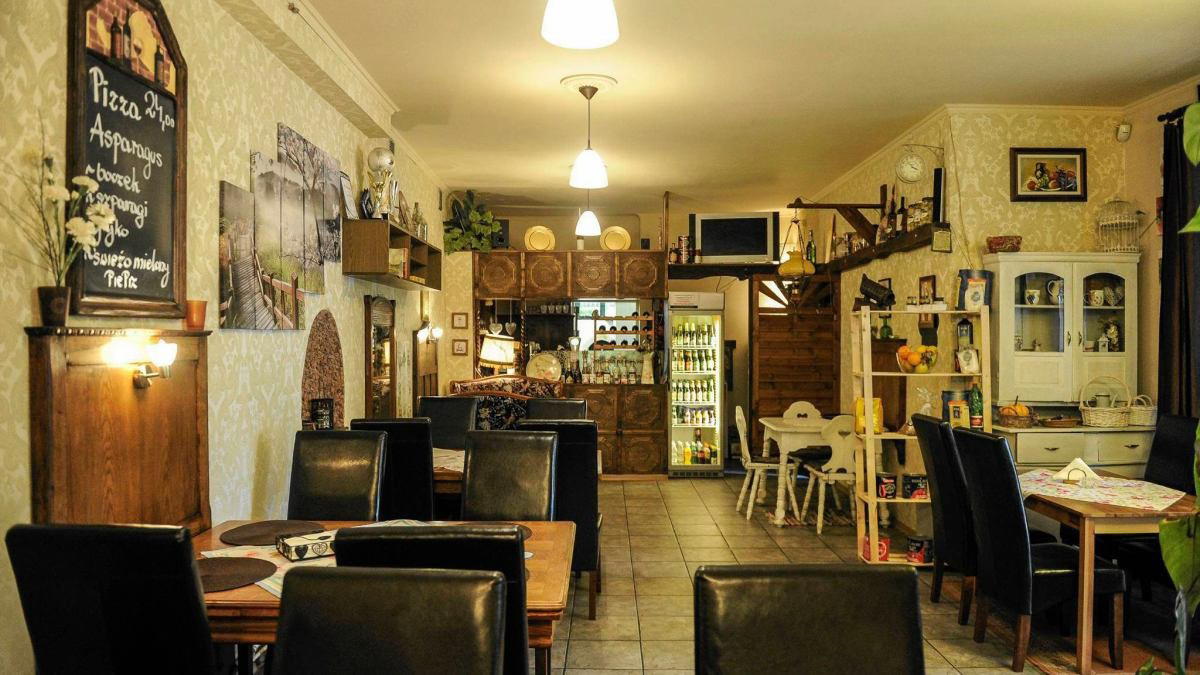
Step into Naama on Rynek 9 and the shift is immediate: hanging pierced-metal lamps, clay vessels stacked on ledges, low seating that encourages slow meals. The room occupies a modest footprint on Rzeszów's central square, a quiet corner in a city where North African cooking remains a novelty rather than a category. Poland's dining landscape has expanded rapidly over the past decade, Korean spots like Under SEOUL, sushi counters such as Sushi House 77 Rzeszów, and Italian trattorias including Muro now compete for attention, but Moroccan addresses operate in a thinner field. Naama positions itself as a direct representative of that tradition, built on tagines, couscous, and clay-pot technique rather than hybrid menus or Mediterranean approximations.
Where the Food Comes From and Why It Matters
Moroccan cooking hinges on ingredient quality and time. The slow braise of a tagine, the hand-rolled grain of couscous, the balance between preserved lemon and cumin, all depend on sourcing decisions made well before the kitchen opens. Naama's menu reflects the constraints of working in Poland, where ras el hanout, harissa, and preserved Meyer lemons arrive via import channels rather than local spice souks. The kitchen compensates with technique: the beef tagine demonstrates proper searing before the braise begins, the meat cooked until it yields without collapsing into mush. Prunes or apricots add sweetness, almonds contribute texture, and the sauce holds enough body to coat the back of a spoon without turning heavy. That balance, sweet, savoury, slightly acidic, gently spiced, telegraphs care in both ingredient selection and cooking method. The mint tea, served in the traditional manner with a generous pour height to aerate the liquid, uses fresh rather than dried leaves, a detail that separates attentive practice from shortcut versions. Polish diners accustomed to Braseria Pasieka's open-fire grilling or Okovita's vodka-pairing tasting menus will find a different rhythm here: slower pacing, shared plates, flavours that build rather than announce themselves.
Menu Format and What to Order
The menu stays short, organised around four or five tagine variations, a couscous plate, mezze starters, and a handful of desserts. This is deliberate compression rather than limited ambition, Moroccan cooking benefits from repetition and refinement, and a concise lineup allows the kitchen to execute each dish with consistency. Start with a mezze assortment if dining with companions; the spreads and small plates provide texture contrast before the mains arrive. The beef tagine anchors the savoury section and serves as a reliable benchmark for the kitchen's technique. Lamb or chicken tagines rotate depending on availability, and the vegetarian couscous option carries enough spice and preserved-lemon brightness to stand alone rather than function as a fallback. Dessert leans into phyllo and honey, with the millefeuille, layered pastry, cream, sometimes orange-blossom water, offering crispness and sweetness without excessive weight. The mint tea serves as both palate cleanser and ritual close; order it even if you typically skip hot beverages after a meal. Rzeszów's broader dining scene, covered in our full Rzeszow restaurants guide, includes Polish, Italian, and East Asian options, but Naama remains one consistent address for North African cooking in the city.
The kitchen's strength lies in restraint. Spice levels run moderate rather than aggressive, allowing the diner to taste individual components, coriander, cinnamon, ginger, without losing them in heat. This approach suits Polish palates less accustomed to chili-forward cuisines, but it also respects Moroccan tradition, where balance matters more than intensity. Compare this to some fusion-leaning Mediterranean spots that over-salt tagines or rely on tomato paste for depth; Naama builds flavour through layering and time. The venue does not advertise specific suppliers or farm partnerships, a gap common among smaller operations where ingredient chains remain informal. What shows up on the plate, however, suggests attention to quality: the beef arrives tender and well-marbled, the preserved lemons carry the right fermented tang, and the couscous grains separate cleanly rather than clumping. For context on how ingredient sourcing plays out at higher-profile Polish venues, see 1906 Gourmet Restaurant in Ciekocinko or 1911 Restaurant in Sopot, both of which publicise farm relationships and seasonal menus.
Naama fits into Rzeszów's evolving dining culture as a specialist rather than a crowd-pleaser. The city's restaurant density remains lower than Warsaw, Kraków, or Gdańsk, and diners willing to explore beyond Polish and Italian cooking have fewer fallback options. That makes Naama a useful address for visitors seeking variety, though it also means the venue operates with less competitive pressure than it might face in a larger market. For broader Polish context, compare the regional diversity emerging in cities like Poznań, where A nóż widelec runs a tasting-menu format, or Kraków, home to addresses such as 3 Rybki. Rzeszów's scene skews more casual, with fewer fine-dining formats and more direct neighbourhood spots. Naama occupies that middle ground: more intentional than a kebab shop, less formal than a white-tablecloth address, and focused on a single culinary tradition rather than attempting breadth.
The venue sits on the main square, walkable from most points in the historic centre. Rzeszów lacks the tourist infrastructure of Poland's western cities, so expect fewer English-speaking staff and less polished service choreography. The dining room accommodates 30 covers, with low lighting and close seating that create intimacy but limit privacy. Reservations help during weekends, though walk-ins usually find space midweek. The room runs quieter than Rzeszów's busier Polish restaurants, and the clientele skews toward couples and small groups rather than large parties. For further Rzeszów planning, consult our full Rzeszow hotels guide, our full Rzeszow bars guide, our full Rzeszow wineries guide, and our full Rzeszow experiences guide.
Naama delivers what it promises: Moroccan cooking executed with care in a setting designed to transport. The beef tagine, millefeuille, and mint tea service form a reliable three-act meal, and the kitchen's restraint in seasoning allows flavours to register individually rather than blur together. It fills a niche in Rzeszów's dining landscape, offering a palate break from Polish pierogi and Italian pasta without veering into fusion territory. That focus, and the technical discipline behind the tagines, make it a useful address for diners seeking something beyond the city's default options.
Side-by-Side Snapshot
Comparable venues by cuisine and price in the same metro.
| Venue | Cuisine | Price |
|---|---|---|
| Naama | A pure taste of Morocco has landed in Poland via this delightful little restaurant. An intimate and relaxing spot, it’s decorated with clay pots and ornate hanging lamps – a lovely setting for the authentic, impressively constructed dishes. The beef tagine is a Moroccan classic and sums up the kitchen’s skills perfectly, with plenty of flavour from the meat and a wonderful balance of tastes and textures throughout. The crisp millefeuille should be a go-to for dessert, while the refreshing mint tea is the well-suited end note for a heartening experience. | This venue |
Recognition history
Dated appearances from independent guides and award organizations, with the underlying list record or original source where available.
Michelin Bib Gourmand
Michelin

At a Glance
- Intimate
- Cozy
- Romantic
- Elegant
- Classic
- Date Night
- Group Dining
- Celebration
- Special Occasion
- Standalone
- Design Destination
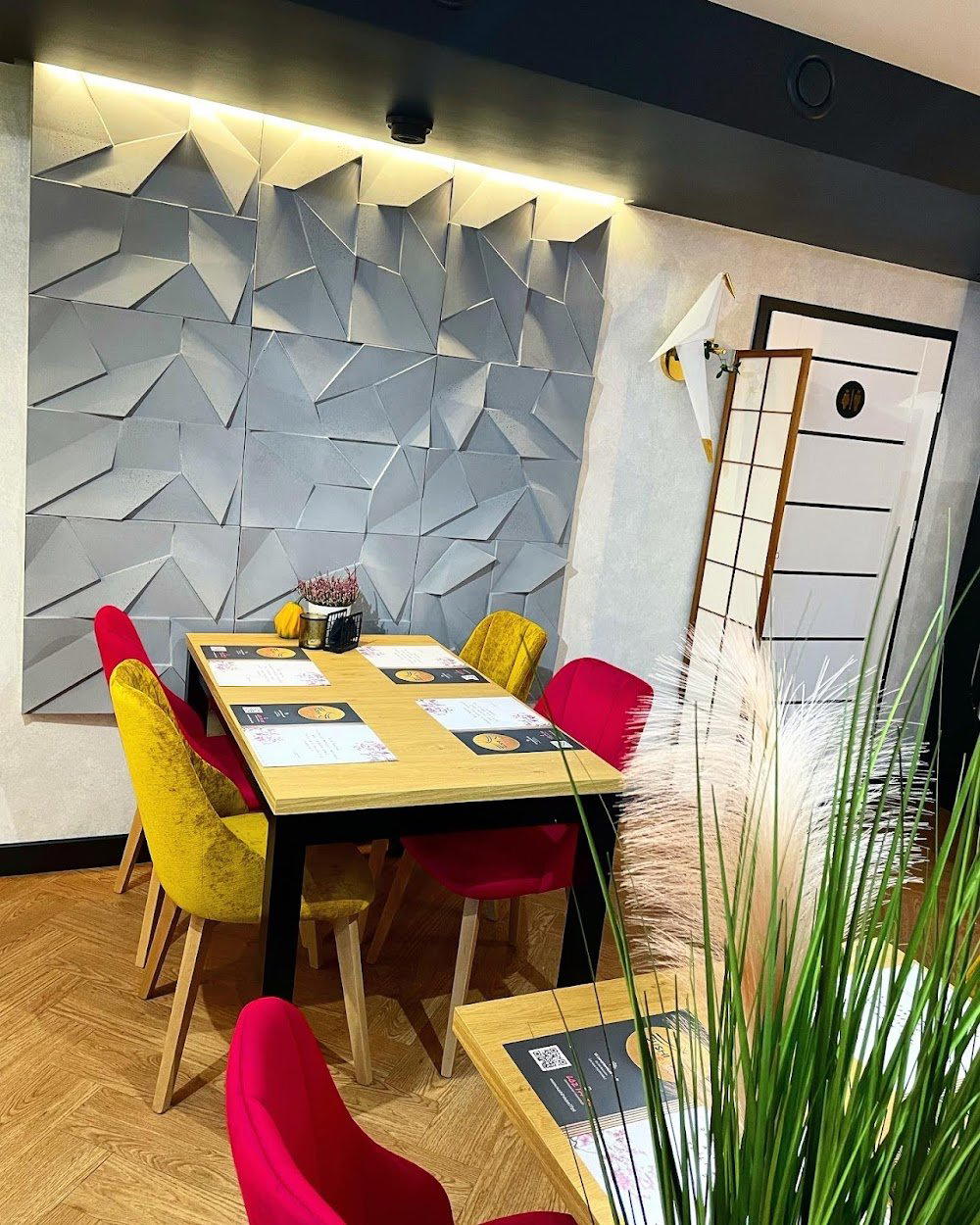
An intimate, relaxing dining room decorated with clay pots and ornate lamps, creating a warm, softly lit atmosphere that evokes a traditional Moroccan setting within a small historic townhouse space.