
Michelin Plate
Our verdict
Muro occupies a discreet doorway on Rzeszów's Rynek main square, opening into a series of interconnected dining rooms that run a dual surf-and-turf programme heavily tilted toward Japanese technique. The menu pivots on robata-grilled prime cuts and a sushi counter, drawing from aged beef and fresh seafood in a format that splits the difference between izakaya and Polish steakhouse.

Pearl is the En Primeur Club membership app, where members save venues, book tables and use the concierge.
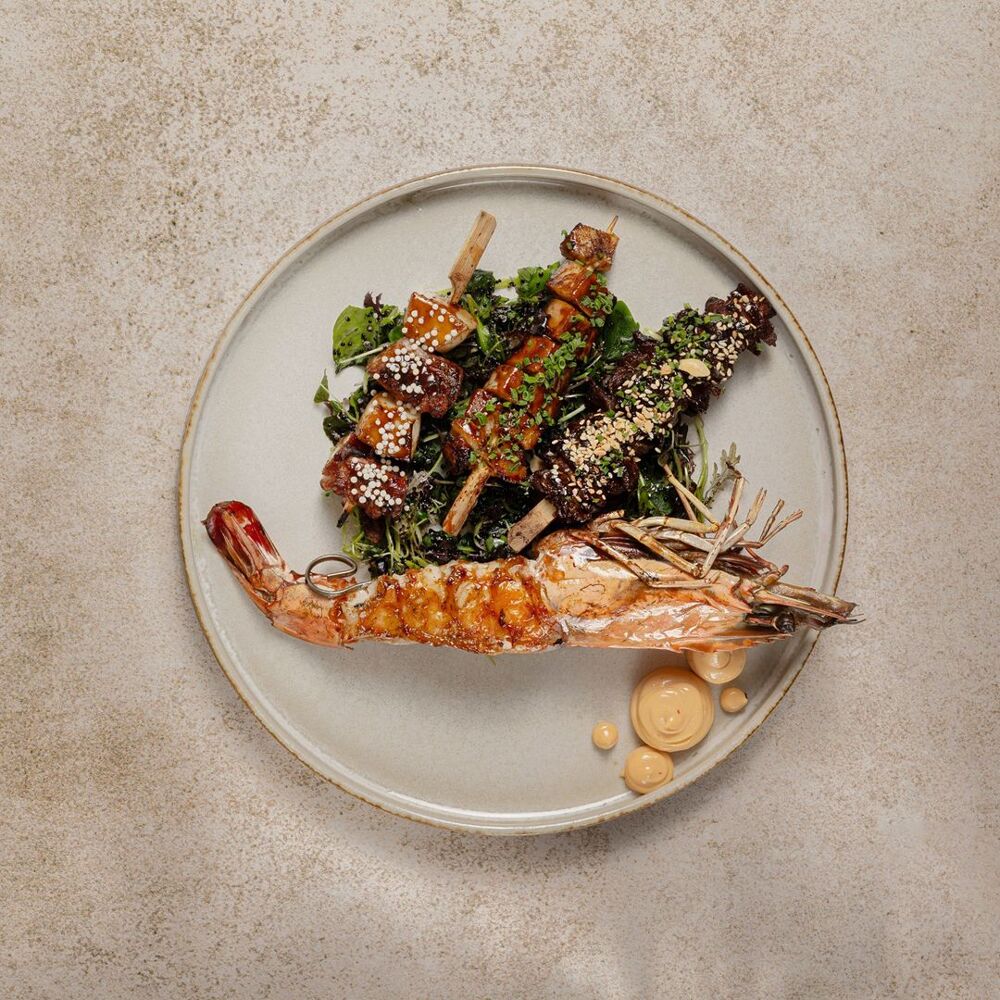
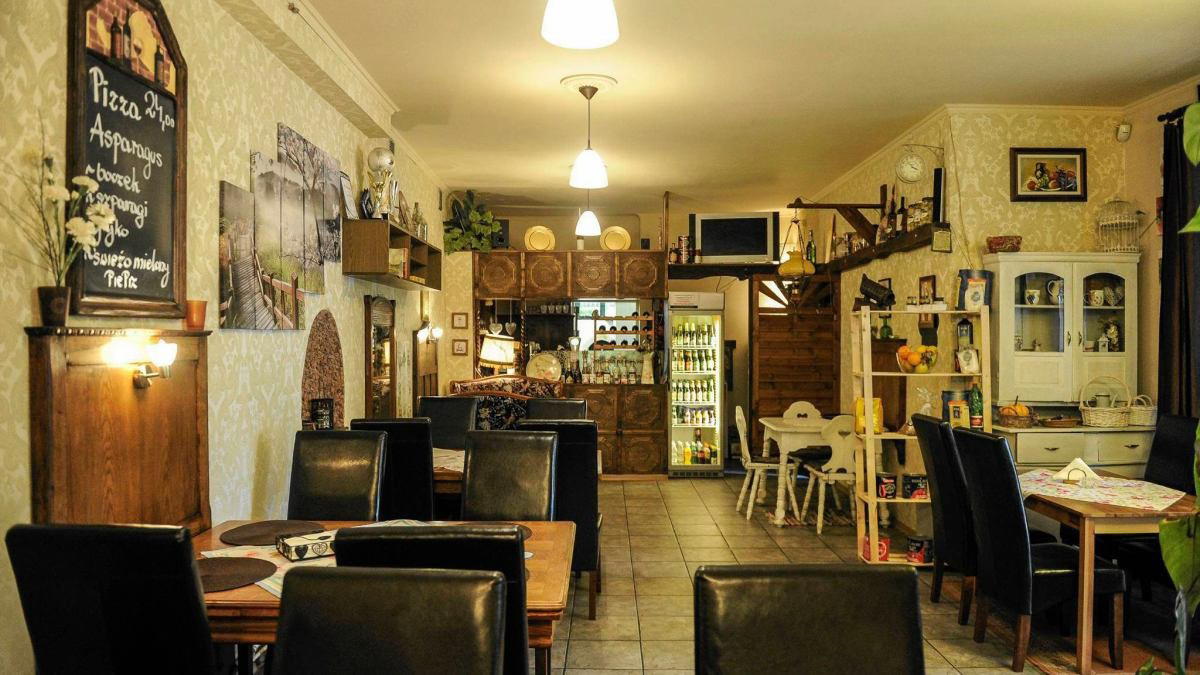
Rzeszów's Rynek, a handsome square in the historic core, hosts several restaurants aimed at weekend crowds and business lunches. Muro hides behind an unmarked door at number 13, the kind of entrance that rewards repeat visitors but puzzles first-timers. Step through and the layout reveals itself: a chain of wood-and-brick rooms, each humming with conversation, connected by archways that preserve the historic footprint while packing in covers. The buzz here is constant, a signal that the place has momentum in a city where dining options skew traditional or chain-driven.
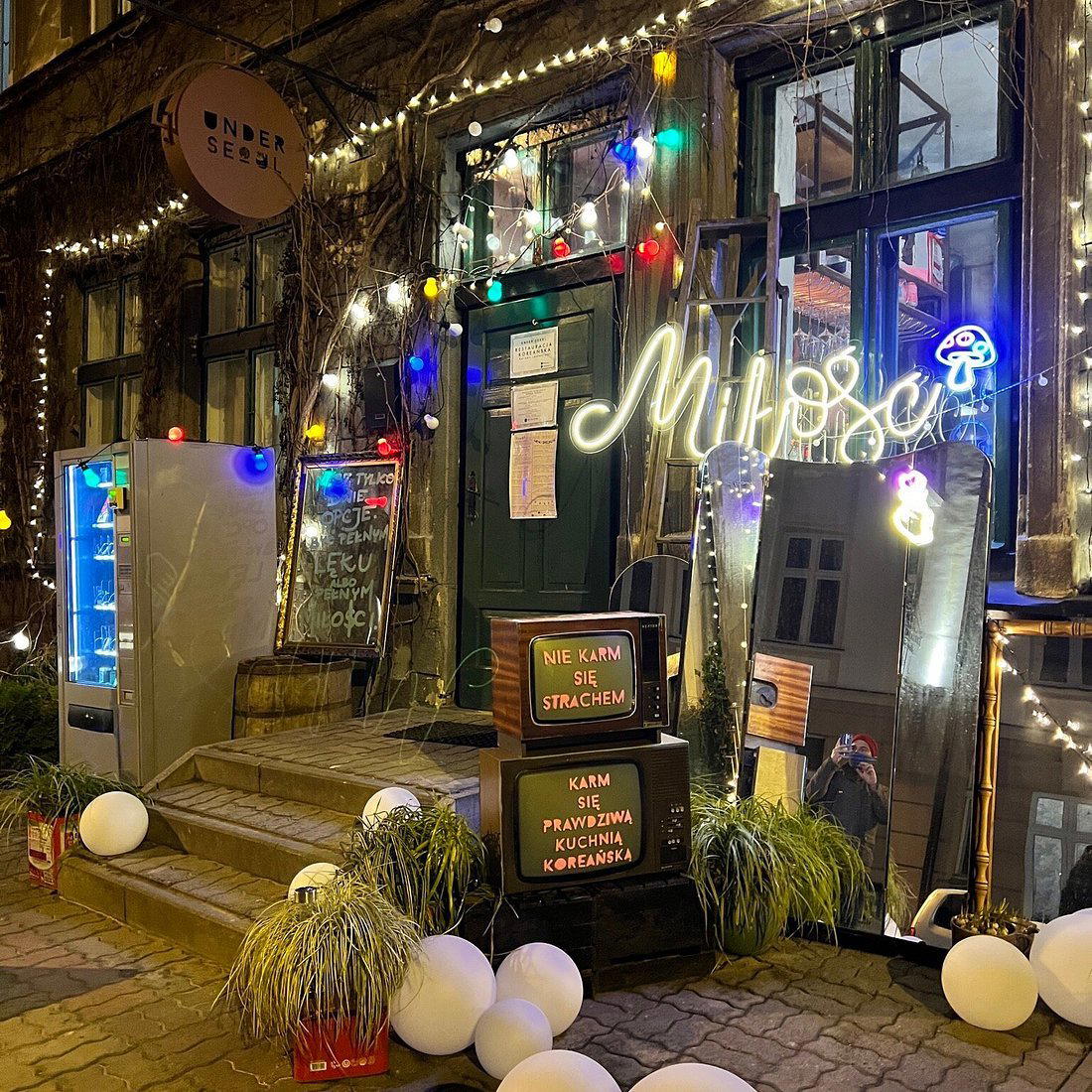
The menu runs two parallel tracks. One lane is Japanese, anchored by a sushi selection and a robata grill that handles yakitori, seafood, and prime cuts over binchotan charcoal. The other is surf-and-turf in a more recognisable European sense, with aged steaks as the headline act. That dual focus, Japanese technique applied to Polish and imported protein, puts Muro in a category that has grown across mid-tier Polish cities: restaurants that reference Tokyo without committing fully to kaiseki discipline or omakase convention. Under SEOUL, Sushi House 77 Rzeszów, and Muro each interpret the Asian-European crossover differently, but all three work inside the same local appetite for charcoal-grilled beef and sashimi presented on the same evening.
Robata, Aged Beef, and What the Grill Implies
The robata format at Muro matters because it signals ingredient confidence. Binchotan burns clean and hot, and chefs who choose it over gas or electric grills typically do so to preserve texture and smoke-free clarity in the final dish. That choice aligns with the kitchen's stated emphasis on prime produce, a term the venue uses in its own description. Aged steaks, noted as a popular order, arrive from a dry-aging programme that the menu references but does not detail. The lack of granular ageing information, cut, day count, provenance, means diners order on faith or staff recommendation, a model common in Poland where steakhouse transparency lags behind Western European and US standards.
Sushi sits alongside the grill menu, suggesting a kitchen structured around two stations: a sushi counter with a dedicated itamae and a robata line handling cooked protein. That split requires separate sourcing pipelines, fresh fish flown or trucked in for same-day service, beef dry-aged on-site or purchased pre-aged from a supplier. The venue does not publish fish origin or beef breed data, so ingredient sourcing remains opaque. In Poland's landlocked southeast, fresh tuna, salmon, and shellfish arrive via Warsaw or Kraków distributors, and quality depends on turnover speed and cold-chain discipline. Muro's consistent foot traffic, evident in the dining-room energy, helps ensure rotation, but without menu disclosure, the sourcing story stays internal.
The Japanese influence here is stylistic rather than doctrinal. Robata and sushi coexist with European steakhouse conventions, and the format accommodates diners who want a mixed grill, a sashimi platter, and a bottle of Polish wine in one sitting. That flexibility has commercial logic in Rzeszów, where purely Japanese restaurants operate as a niche and surf-and-turf menus capture broader traffic. For context, Braseria Pasieka and Naama pursue different culinary angles, Pasieka runs Polish-Spanish fusion, Naama leans into Middle Eastern spice, but all three venues compete for the same occasion: anniversary dinners, client entertainment, and celebratory meals that justify Rynek pricing.
The Rynek Location and Rzeszów's Dining Tier
Rynek real estate in Rzeszów commands a premium, and restaurants here price accordingly. Muro's multi-room layout suggests the building has been adapted from a merchant house or historic cellar, a common configuration in Polish old-town centres where street-level storefronts connect to vaulted basements. The interconnected rooms create acoustic separation, so conversation stays contained even when the venue runs at capacity. That layout also fragments the dining experience: tables near the entrance read as more casual, deeper rooms feel more intimate, and the sushi counter, if visible, becomes a stage for diners who value technique theatre.
Rzeszów itself sits in Poland's southeast, a regional capital with around 200,000 residents and a dining scene that has expanded as the city's economy has grown. The influx of IT and aerospace investment has brought younger professionals with disposable income and international dining expectations. Muro benefits from that demographic shift, offering a format that reads as contemporary without alienating diners who still expect steak and grilled vegetables. For visitors exploring Rzeszów's restaurant landscape, the city's dining tier clusters around the Rynek and a few outlying streets, with Muro, Naama, and Pasieka forming the upper bracket by virtue of location, menu ambition, and price.
The venue does not publish hours, a phone number, or a website in its public record, which means booking likely happens via social media, third-party platforms, or word-of-mouth. That informality is not unusual in Poland's smaller cities, where restaurants rely on Instagram and Facebook for reservations rather than building proprietary booking engines. Walk-ins during peak dinner service, Friday and Saturday evenings, should be expected to wait or receive overflow seating in less desirable rooms. Midweek and lunch slots offer better odds, though daytime service has not been confirmed.
For visitors planning a Rzeszów itinerary, Muro fits into an evening anchored by the Rynek. The square itself is compact and walkable, with nearby options including Okovita for vodka-forward Polish cuisine and several cafés that stay open late. The city's broader offerings, hotels, bars, and cultural experiences, remain modest compared to Kraków or Warsaw, so dining becomes the centrepiece of an evening rather than one stop in a longer night. Muro's multi-room buzz and dual-track menu make it a safe anchor for that occasion, though diners seeking transparency on sourcing, ageing protocols, or fish provenance will need to ask staff directly and assess the answers for specificity.
Frequently asked questions
Is Muro suitable for children?
The multi-room layout at Rynek 13 can accommodate families, though the robata counter and sushi bar format lean toward adult dining. The aged steaks and grilled proteins offer straightforward options for younger diners who prefer less complex flavours.
What's the overall feel of Muro?
The restaurant occupies a series of interconnected rooms behind a discreet entrance on Rzeszów's main square. The robata grill and sushi selection indicate a Japanese surf-and-turf focus, and the buzz noted in available descriptions suggests steady turnover rather than hushed formality.
What kind of recognition has Muro received?
Muro has received recognition including: Situated on the beautiful main square in the historic city centre, keep an eye out for this restaurant’s discreet entrance, which hides behind it a series of interconnecting rooms bursting with the buzz of contented diners. The menu has a s….
What part of town is Muro in?
Muro is located at Rynek 13, Rzeszów, Podlaskie, 35-064, POL, Rzeszow.
Can I walk in to Muro?
Rynek-facing restaurants in Rzeszów typically see high foot traffic, and Muro's multi-room configuration suggests capacity to absorb walk-ins during quieter service windows. Given the popularity of the aged steaks and robata format, advance booking is advisable for evenings and weekends.
Fast Comparison
Comparable venues by cuisine and price in the same metro.
| Venue | Cuisine | Price | Awards |
|---|---|---|---|
| MuroThis venue (the venue you are viewing) | Modern surf & turf with Japanese influence | $30–50 | Michelin Plate |
| Naama | Authentic Moroccan Restaurant | Not listed | Michelin Bib Gourmand |
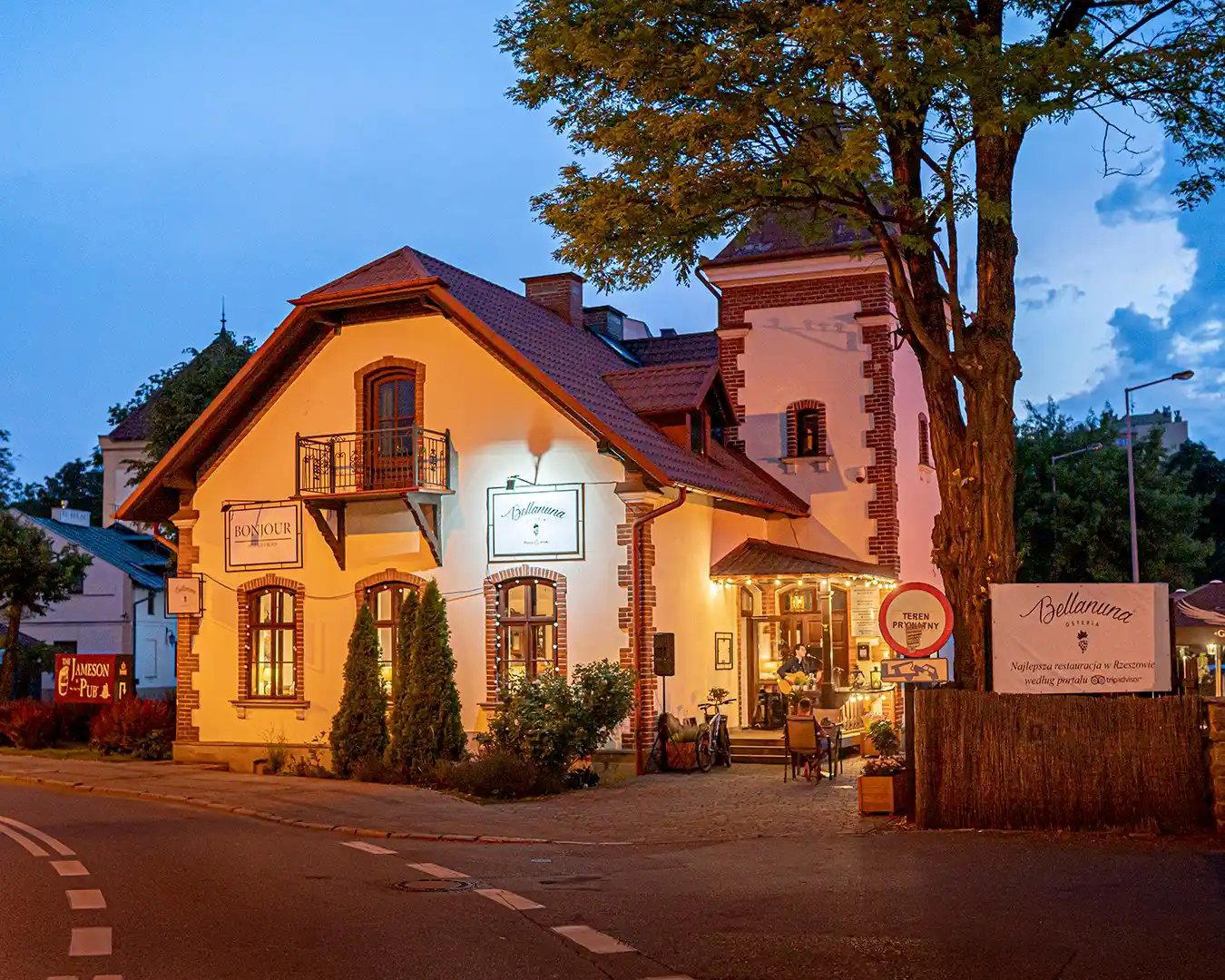
| Włoska Restauracja Bellanuna | Authentic Italian Osteria | $20–30 | Not listed |
| Braseria Pasieka | Italian Pizza with Regional Polish Grill | $20–30 | Not listed |
| Sushi House 77 Rzeszów | Japanese Sushi | $20–30 | Not listed |
Recognition history
Dated appearances from independent guides and award organizations, with the underlying list record or original source where available.
Michelin Plate
Michelin
Continue exploring
More in Rzeszow
Restaurants in Rzeszow
All restaurants in Rzeszow →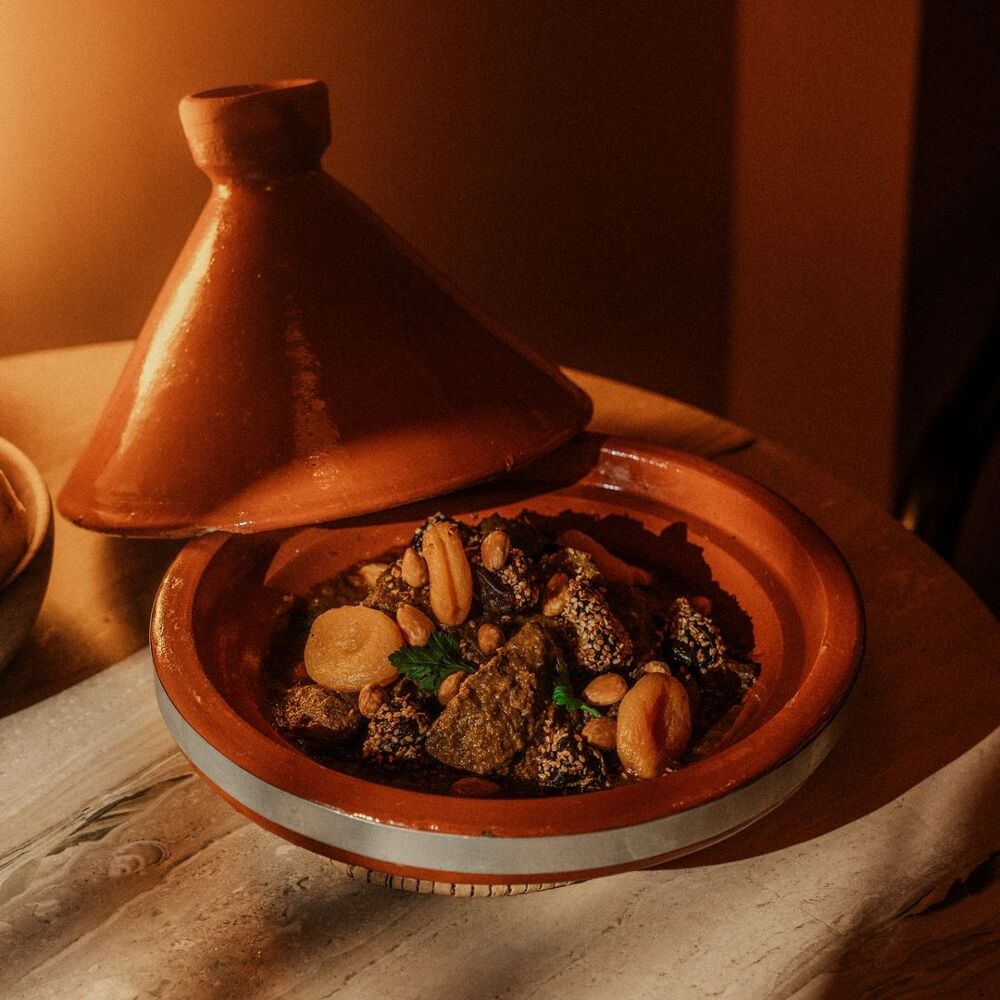
Wineries in Rzeszow
Browse all →
Details
- Elegant
- Modern
- Cozy
- Romantic
- Sophisticated
- Date Night
- Family
- Celebration
- Group Dining
- Special Occasion
- Private Event
- Design Destination
- Private Dining
- Standalone
- Historic Building
- Extensive Wine List
- Craft Cocktails
- Local Sourcing
- Farm To Table
- Street Scene
- A La Carte
- Tasting Menu
- Wine
- Cocktails
- Vegetarian Friendly
Elegant and contemporary with careful attention to detail, warm and comfortable enough for family meals yet refined and atmospheric for dates and special occasions; interiors reference nature and South American culture, creating a stylish but relaxed setting.